
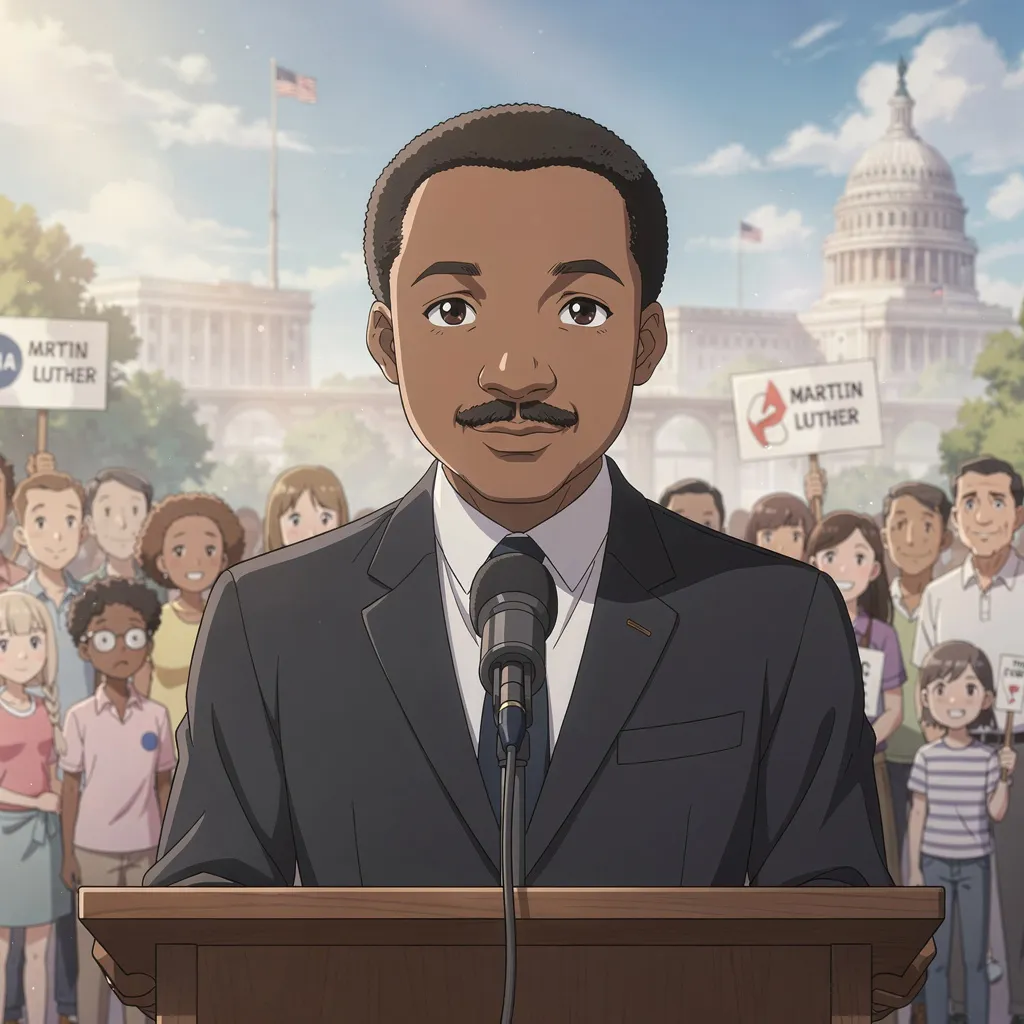
Leading the Civil Rights Movement and teaching people to use peace and kindness to fight unfair laws.
Leading the Civil Rights Movement and teaching people to use peace and kindness to fight unfair laws.
Martin Luther King Jr. was born in Atlanta, Georgia, in 1929 and grew up under segregation, a system of laws and customs that denied Black Americans equal treatment. His father and grandfather were Baptist ministers. King studied at Morehouse College, Crozer Theological Seminary, and Boston University before becoming a minister himself.
In 1954, King became pastor of Dexter Avenue Baptist Church in Montgomery, Alabama. The next year, Rosa Parks was arrested for refusing to give up her bus seat under the city's segregation rules. Women's groups and other local organizers called for a boycott. Community leaders formed the Montgomery Improvement Association and chose the 26-year-old King as its president.
The Montgomery bus boycott lasted 13 months. Thousands of Black residents walked, shared rides, and organized carpools while a court case challenged bus segregation. The protest ended after the United States Supreme Court left in place a ruling that segregated buses were unconstitutional. Its success brought national attention to King, but it depended on the work of many residents and organizers.
King helped found the Southern Christian Leadership Conference in 1957. He taught nonviolent direct action: organized marches, boycotts, sit-ins, and other peaceful pressure against unjust laws. His approach drew from Christian teaching, Mahatma Gandhi's campaigns, and the experience of Black communities in the United States.
In 1963, King joined the Birmingham Campaign against segregation. Images of authorities using police dogs and fire hoses against demonstrators pushed more Americans to confront racial injustice. That August, King spoke at the March on Washington for Jobs and Freedom, where he delivered his "I Have a Dream" speech.
King received the Nobel Peace Prize in 1964. In 1965, he joined the Selma voting-rights campaign and the march to Montgomery. The movement's work helped build support for the Civil Rights Act of 1964 and the Voting Rights Act of 1965, though no one leader achieved those laws alone.
King later focused more strongly on poverty, workers' rights, and the Vietnam War. In 1968, he traveled to Memphis, Tennessee, to support striking sanitation workers. He was assassinated there on April 4 at age 39.
King's birthday is now a United States federal holiday and a national day of service. His speeches remain important, but his life also shows that lasting change requires planning, shared leadership, courage, and years of organized work.
King was 26 when Montgomery community leaders chose him to lead the new Montgomery Improvement Association.
The Montgomery bus boycott lasted 13 months, from December 1955 to December 1956.
He delivered the 'I Have a Dream' speech at the 1963 March on Washington for Jobs and Freedom.
King received the 1964 Nobel Peace Prize at age 35.
Martin Luther King Jr. Day is also designated as a national day of service in the United States.
3 min read · Independent-reader guide
Open a word for a short explanation.
Rights that protect equal treatment and participation in society.
The forced separation of groups of people.
Think of an answer, then open each card to check.
Leading the Civil Rights Movement and teaching people to use peace and kindness to fight unfair laws.
1929-1968
American
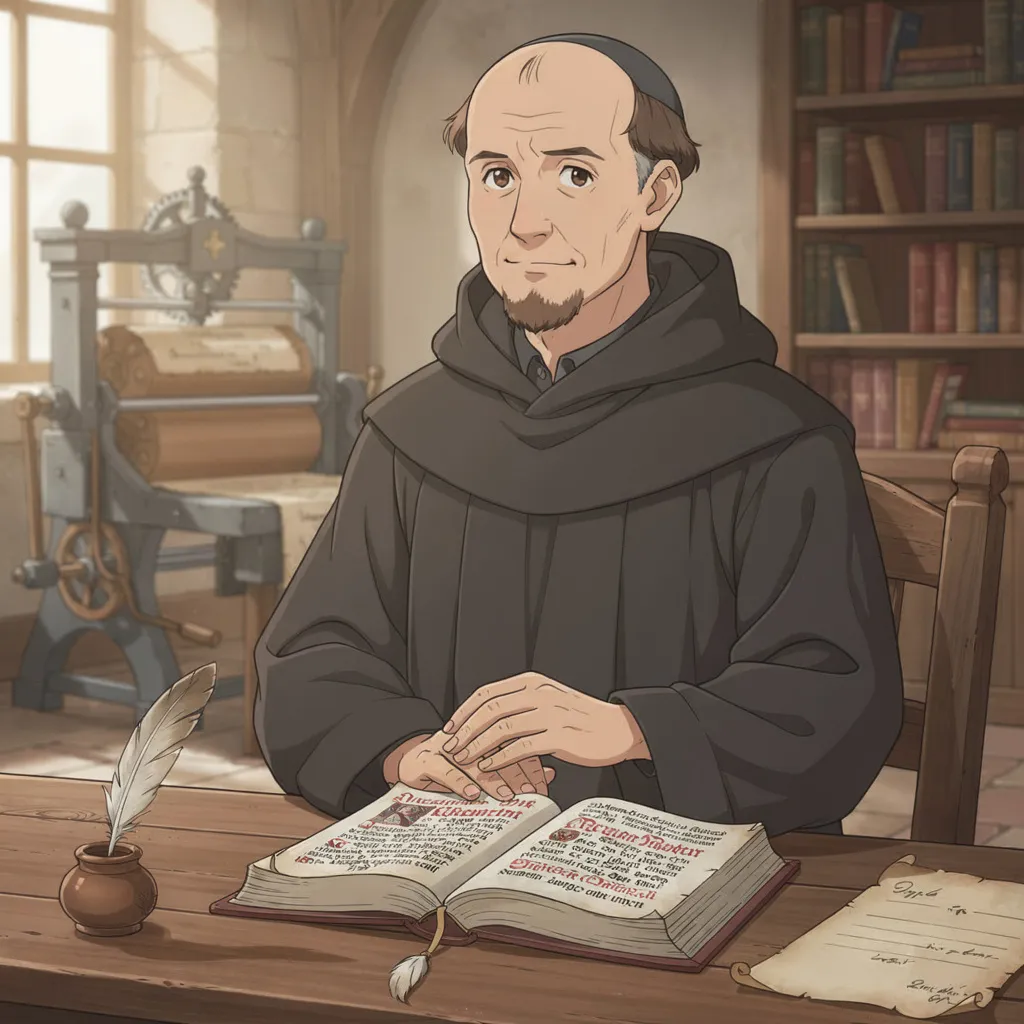
Starting the Protestant Reformation and helping people read the Bible in their own language

Leading India to independence using peaceful protest and nonviolence
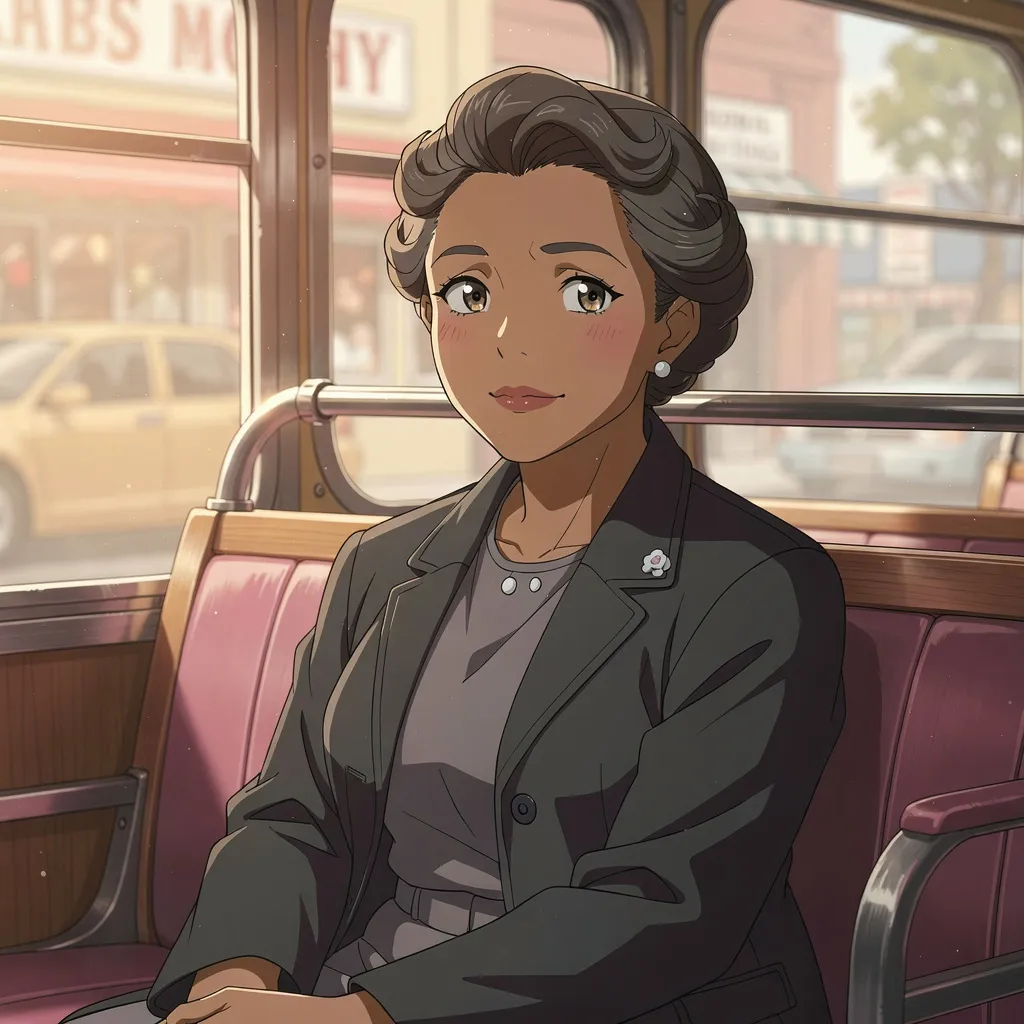
Helping start the Civil Rights Movement by bravely standing up for fairness on a bus
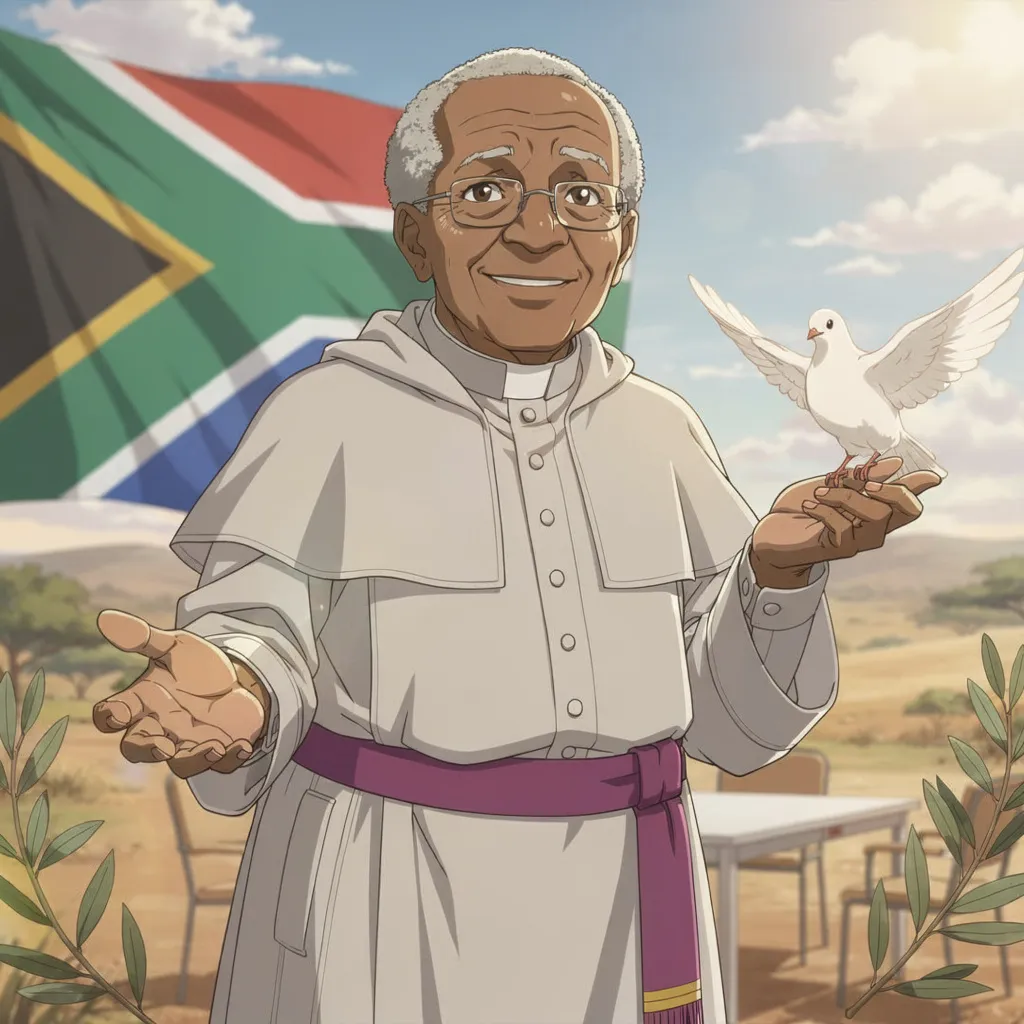
Helping bring peace and fairness to South Africa through kindness, courage, and forgiveness
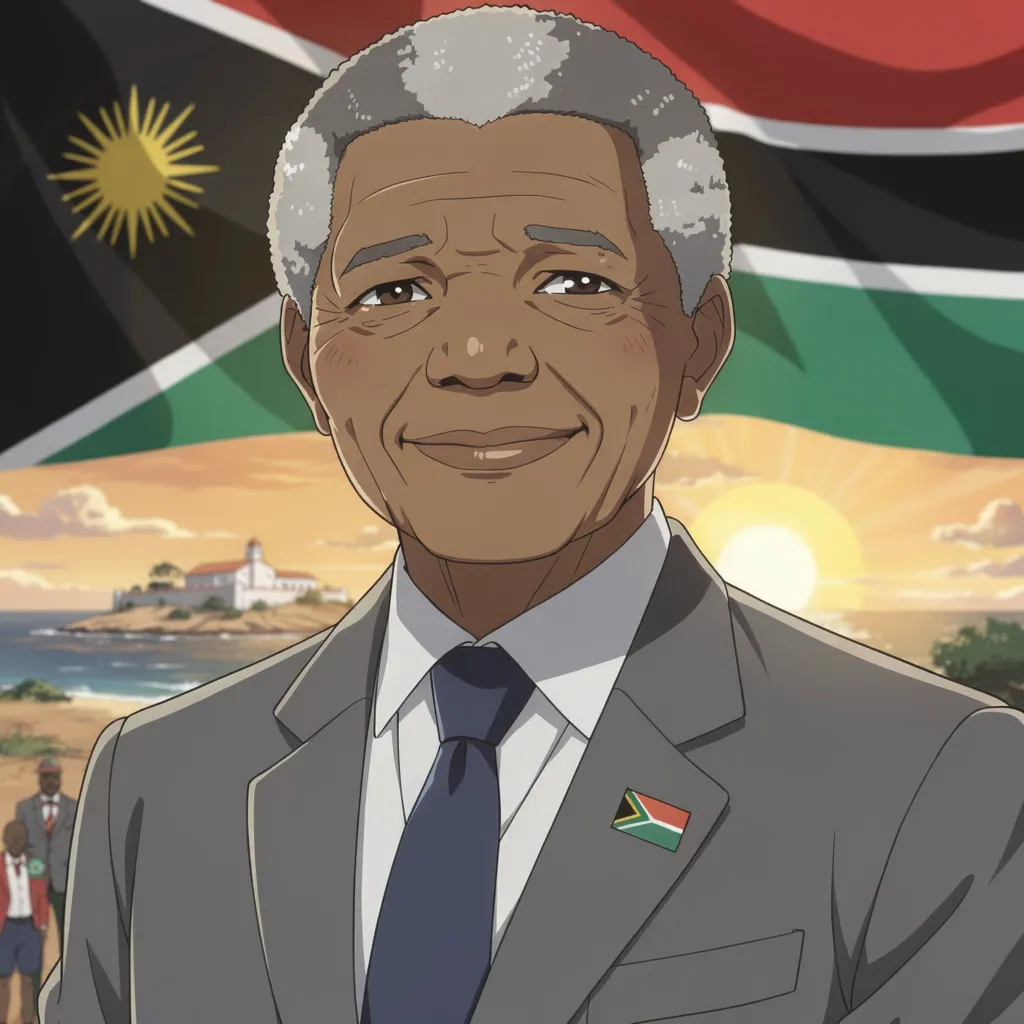
Helping end apartheid and becoming South Africa’s first Black president
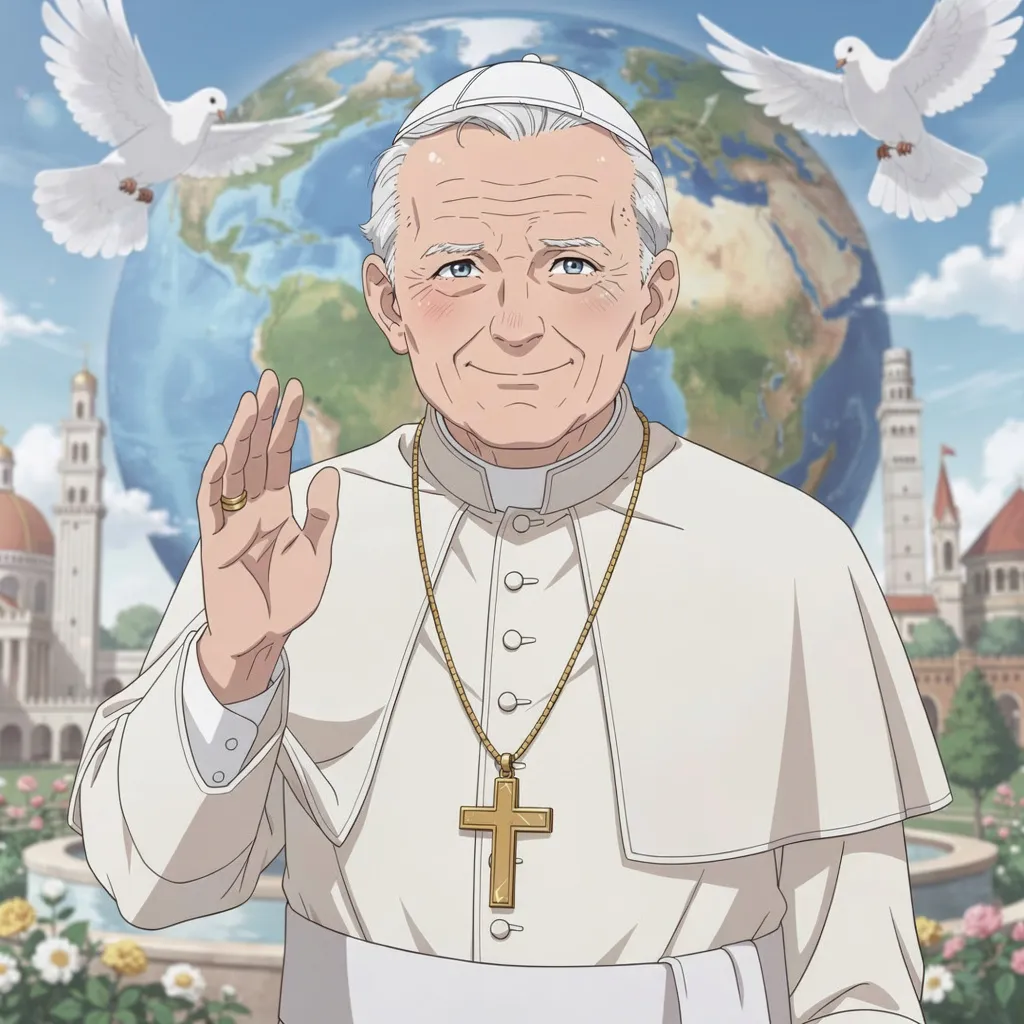
Being a kind and active pope who traveled the world to spread messages of peace and hope
Explore inspiring lives across science, art, history, music, and more.