
01
Early Life
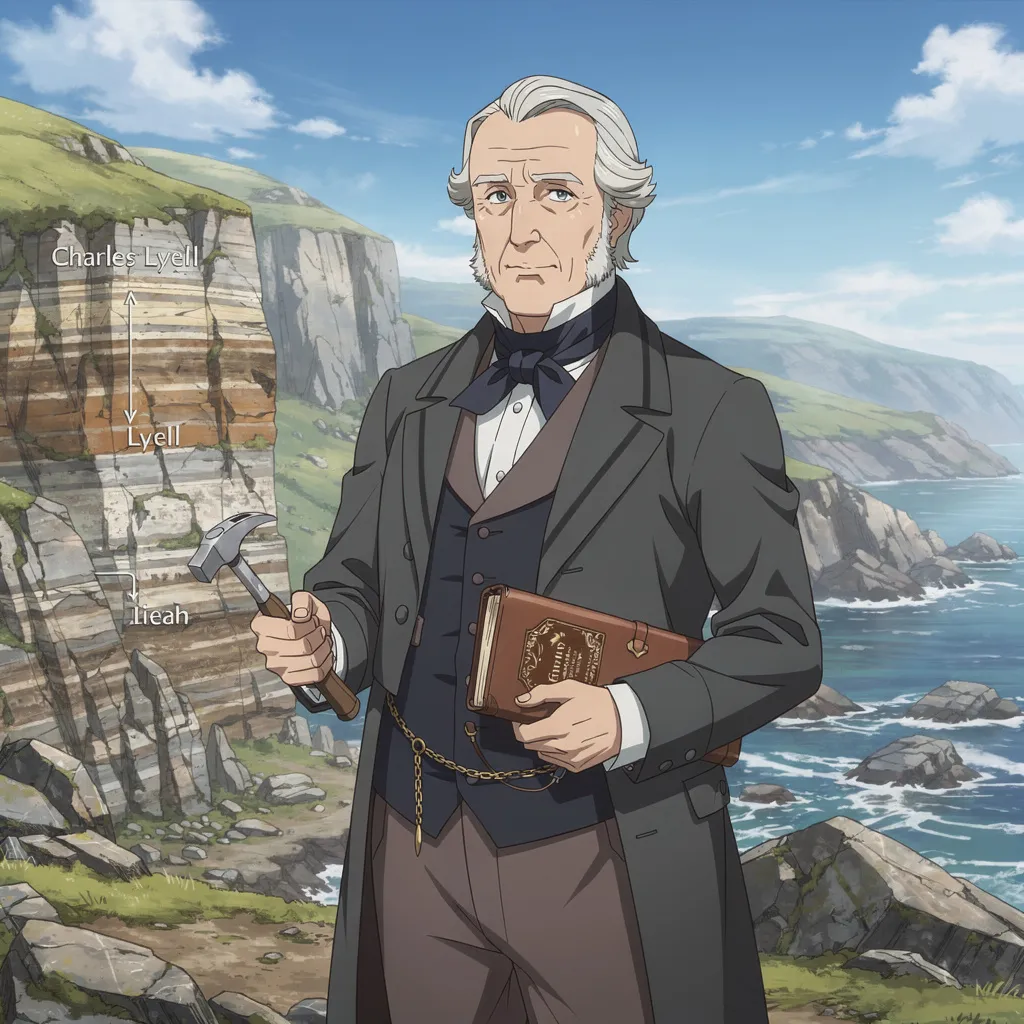
Charles Lyell.org/wiki/CharlesLyell) was born in 1797 in Scotland, a country with many hills, cliffs, and rocky coastlines.
He helped people understand that Earth changes slowly over a very long time.
He helped people understand that Earth changes slowly over a very long time.
Charles Lyell.org/wiki/Charles_Lyell) was born in 1797 in Scotland, a country with many hills, cliffs, and rocky coastlines. As a child, he loved exploring nature and collecting rocks and shells. These early adventures made him curious about how the Earth was formed.
Lyell went to school and later studied at a university, where he learned about science and law. Even though he trained to be a lawyer, his heart belonged to science. He especially enjoyed learning about rocks, fossils, and landscapes.
Charles Lyell decided to follow his passion and become a geologist, which is a scientist WHO studies the Earth. He traveled to many places across Europe to observe mountains, volcanoes, rivers, and coastlines. Instead of just reading books, he wanted to see the Earth’s features with his own eyes.
Lyell noticed something very important. He saw that small changes, like rivers slowly wearing away land or volcanoes building new rock, could add up over a very long time. This idea helped him understand that Earth is much older than people once believed.
Lyell wrote a famous book called Principles of Geology. In this book, he explained that the same natural processes we see today also worked in the past. This idea is called "uniformitarianism," which means “the present helps explain the past.”
His book was written in a clear and friendly way, so many people enjoyed reading it. Scientists, students, and even curious travelers learned from his ideas. One famous reader was Charles Darwin, who later used Lyell’s ideas while developing his theory of evolution.
Charles Lyell became one of the most important scientists of his time. He helped change how people thought about Earth’s history. Instead of sudden changes, he showed that slow and steady processes shape our planet.
He was also a teacher and mentor who encouraged others to observe nature carefully. Because of his work, geology became a stronger and more respected science.
Charles Lyell passed away in 1875, but his ideas are still used today. Geologists around the world continue to study Earth using the methods he supported.
Thanks to Lyell, we better understand that Earth has a long and fascinating story, written in rocks, mountains, and valleys.
Charles Lyell loved traveling and went on many geology trips across Europe.
He collected rocks and fossils, just like a young scientist might do today.
His ideas helped inspire Charles Darwin’s famous discoveries.
Lyell believed that slow changes over time can lead to big results, in nature and in life!
3 min read · Independent-reader guide
Open a word for a short explanation.
A well-supported explanation that connects evidence and observations.
Think of an answer, then open each card to check.
He helped people understand that Earth changes slowly over a very long time.
1797-1875
Scottish
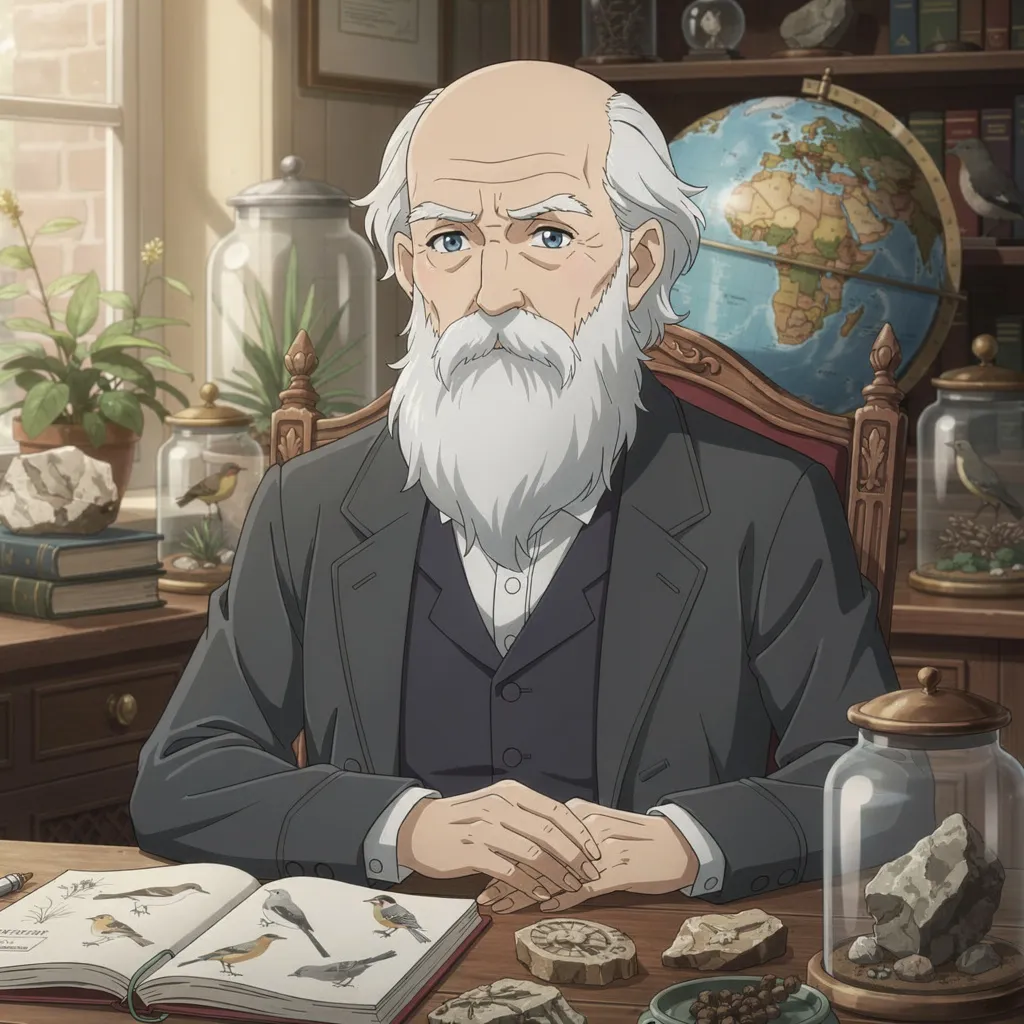
He was a scientist who explained how living things change over time through a process called evolution.
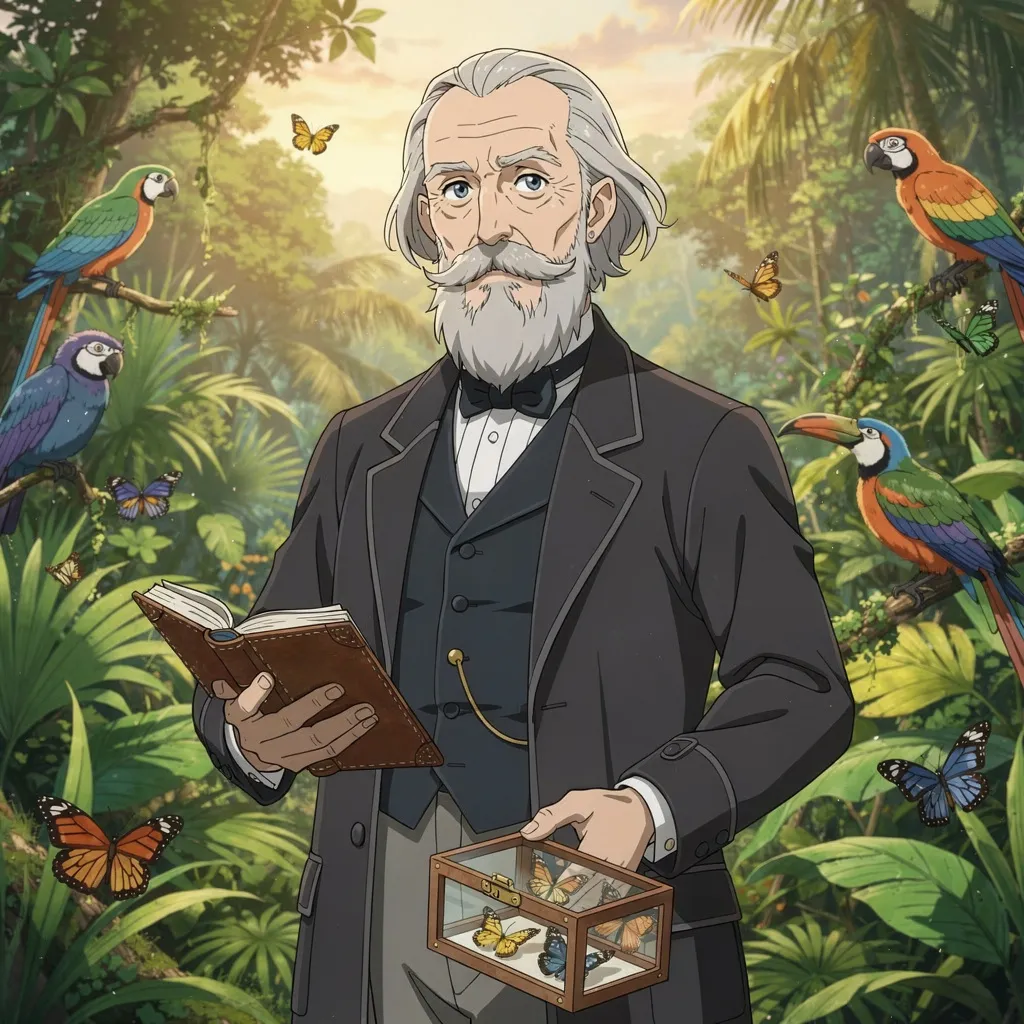
Helping discover the idea of evolution by natural selection.
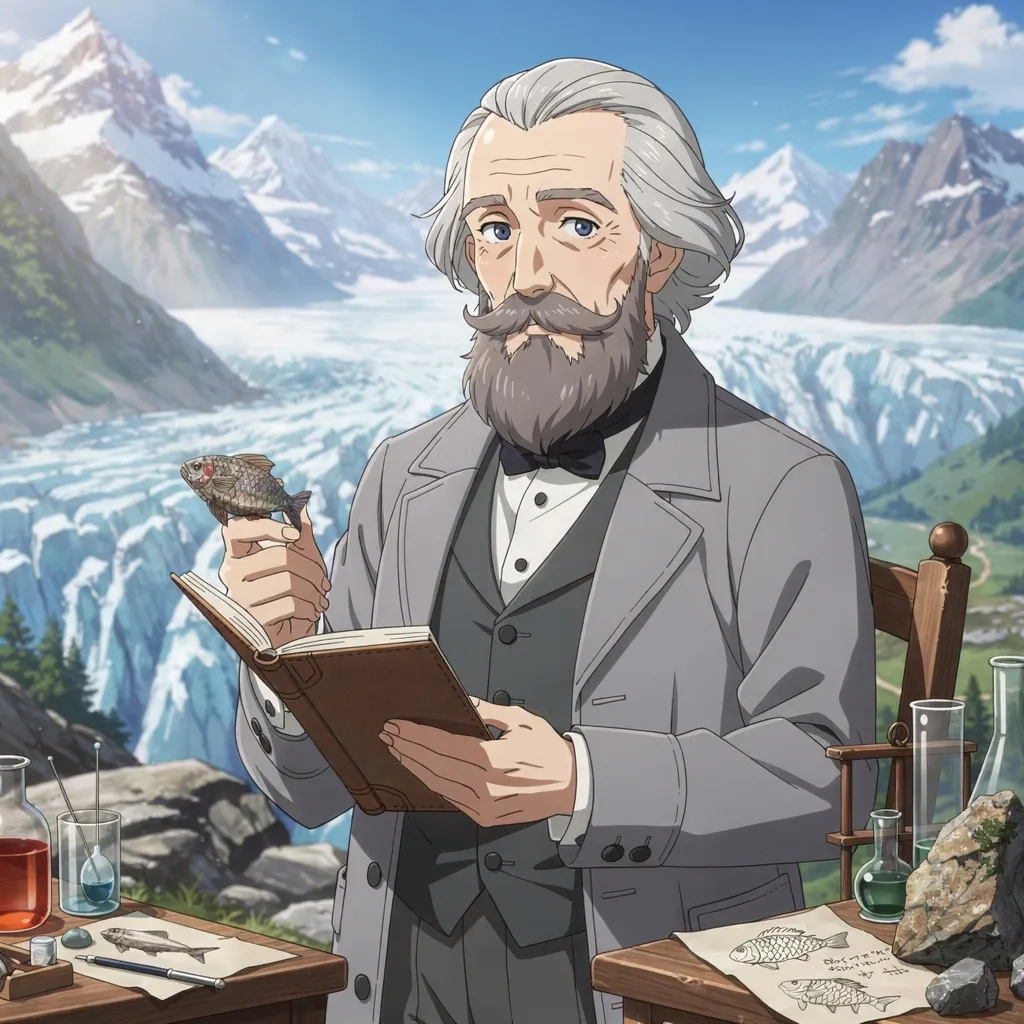
He was a scientist who studied nature and helped people understand glaciers, fish, and fossils.
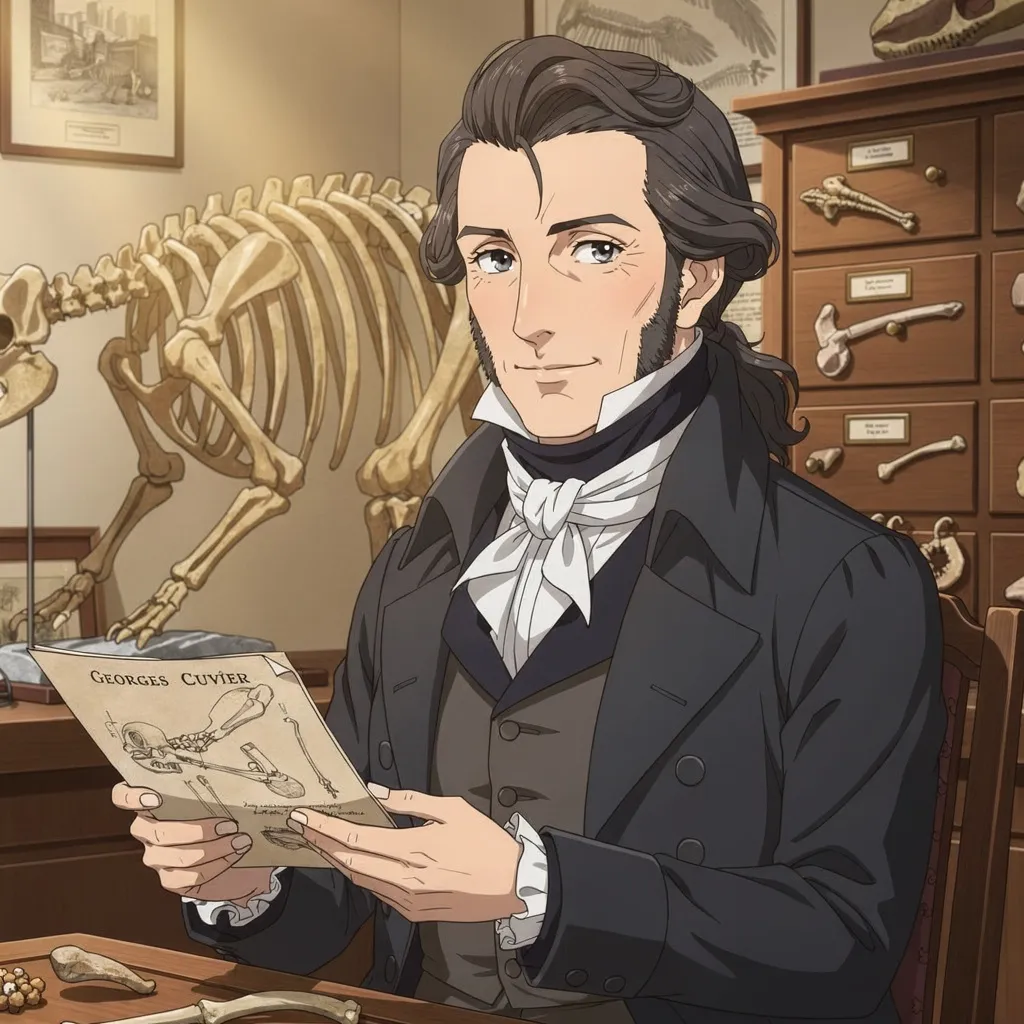
Helping to start the science of paleontology and showing that some animals from the past became extinct.

He came up with the idea of continental drift, which explained that continents move over time.
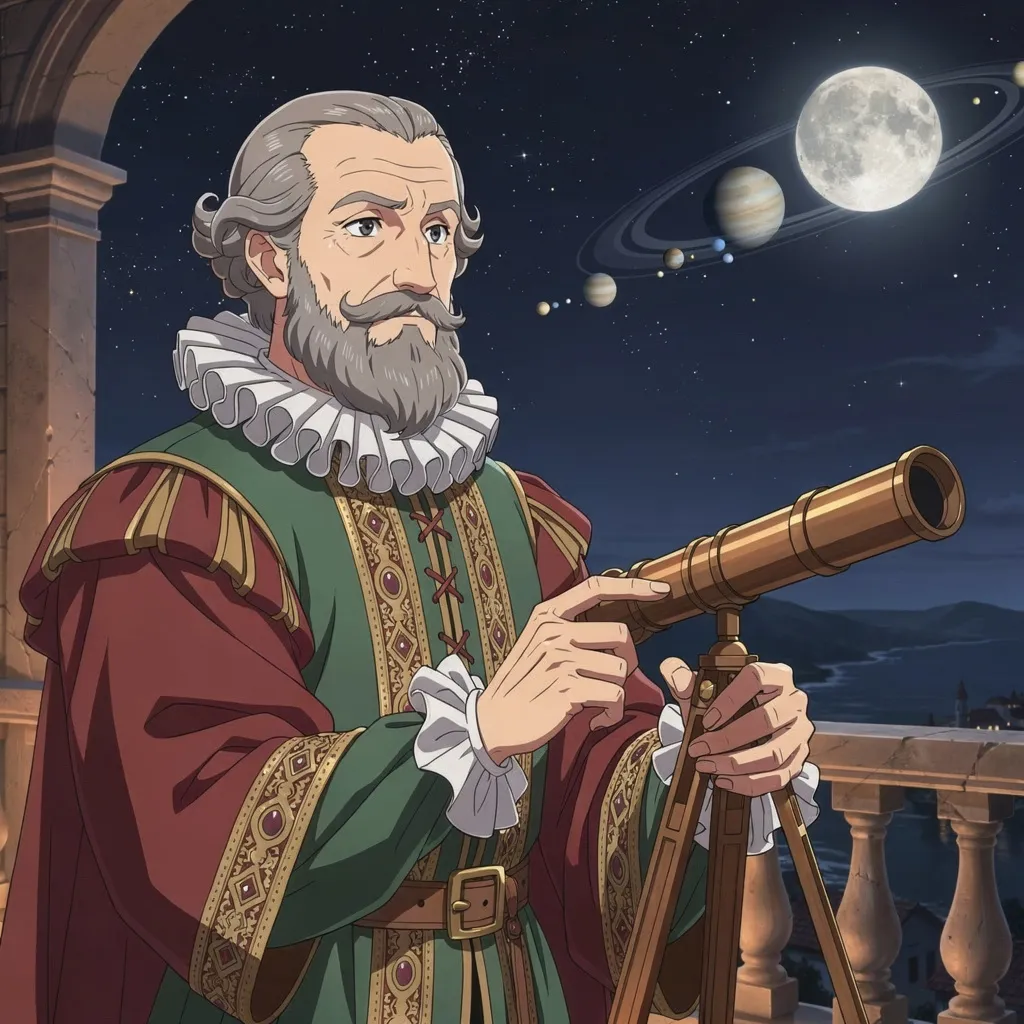
Helping people understand the sky by improving the telescope and studying space.
Explore inspiring lives across science, art, history, music, and more.