

He came up with the idea of continental drift, which explained that continents move over time.
He came up with the idea of continental drift, which explained that continents move over time.
Alfred Wegener was born in 1880 in Berlin, Germany. As a child, he loved learning about nature and spent lots of time reading and exploring the outdoors. He was curious about how the Earth worked and enjoyed solving big puzzles.
Wegener went to college and studied science, especially weather and the Earth. He became a meteorologist, which means he studied the weather. This helped him learn how air, ice, and land all connect.
While studying maps and rocks, Wegener noticed something surprising. The continents looked like they could fit together, almost like pieces of a giant puzzle. For example, the east coast of South America seemed to match the west coast of Africa.
In 1912, Wegener shared a bold idea called continental drift. He said that the continents were once joined together in one big landmass and slowly moved apart over millions of years. This was a brand-new way of thinking about Earth.
At first, many scientists did not agree with Wegener. They thought his idea was interesting but did not believe continents could move. Even though this was disappointing, Wegener did not give up. He collected more evidence from fossils, rocks, and climate patterns to support his idea.
Wegener showed great bravery by standing up for his thoughts, even when others doubted him. He believed that asking questions and searching for answers was very important in science.
Alfred Wegener was also an explorer. He traveled several times to Greenland to study weather and ice. These trips were very cold and dangerous, but Wegener loved learning from nature.
In 1930, during one of these expeditions, Wegener passed away in Greenland. He was doing what he loved most—exploring and learning.
Years after Wegener’s death, scientists discovered more proof that continents really do move. His idea became a key part of the theory of plate tectonics. Wegener is remembered for his discovery of Pangaea, the ancient supercontinent.
Alfred Wegener was one of the first people to use weather balloons for research.
He noticed matching fossils on different continents, which helped support his ideas.
The supercontinent he described is now called Pangaea.
Even though people doubted him at first, his idea changed Earth science forever.
A crater on the Moon is named after Wegener!
2 min read · Developing-reader friendly
Open a word for a short explanation.
Information used to support or test an idea.
A well-supported explanation that connects evidence and observations.
Think of an answer, then open each card to check.
He came up with the idea of continental drift, which explained that continents move over time.
1880–1930
German
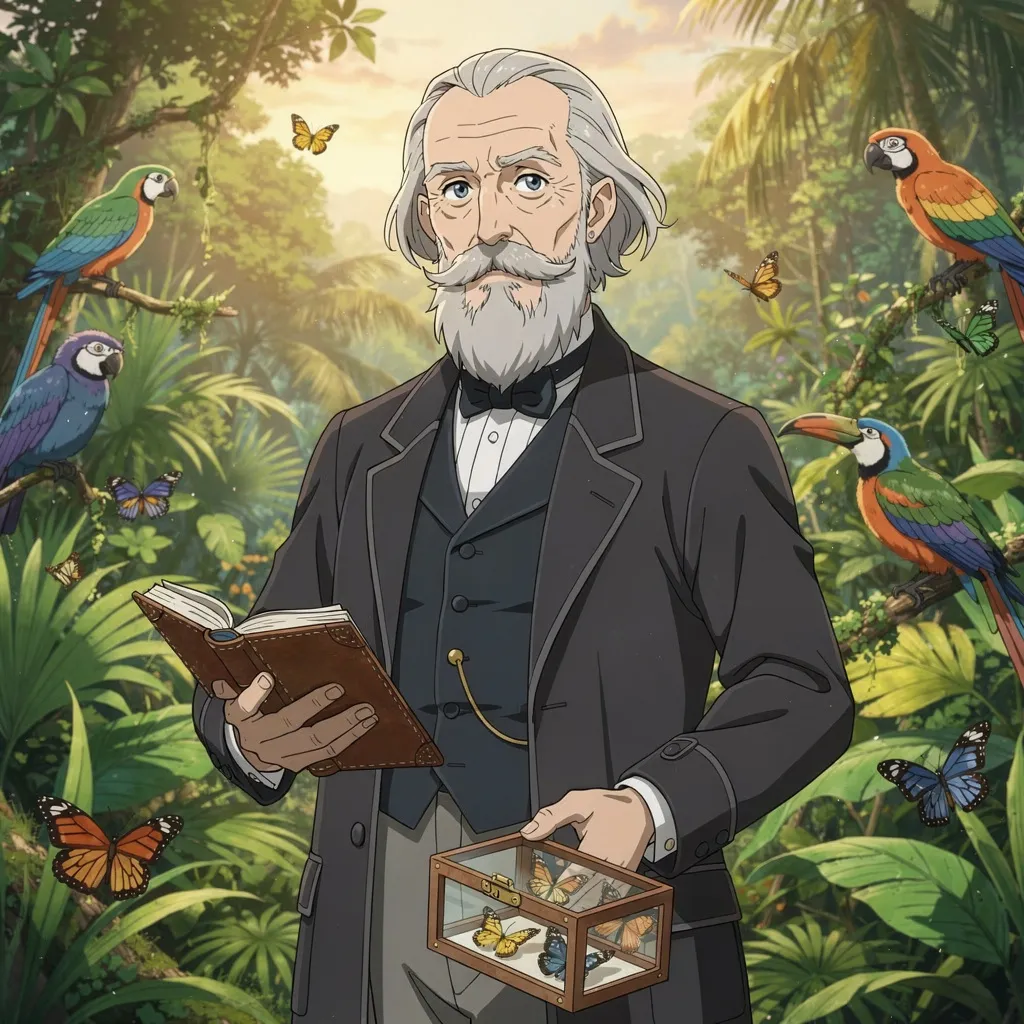
Helping discover the idea of evolution by natural selection.
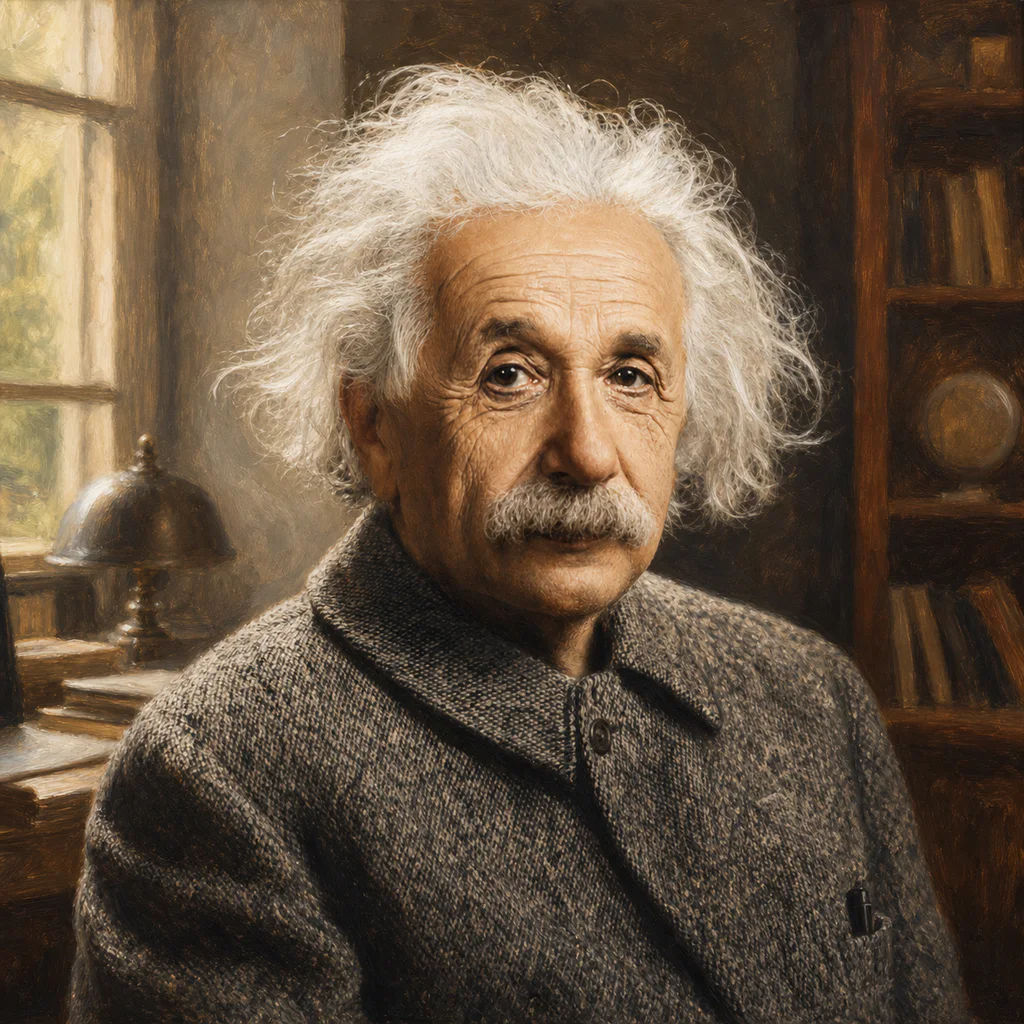
He was a brilliant scientist who helped us understand space, time, and light.

He was a scientist who studied nature and helped people understand glaciers, fish, and fossils.
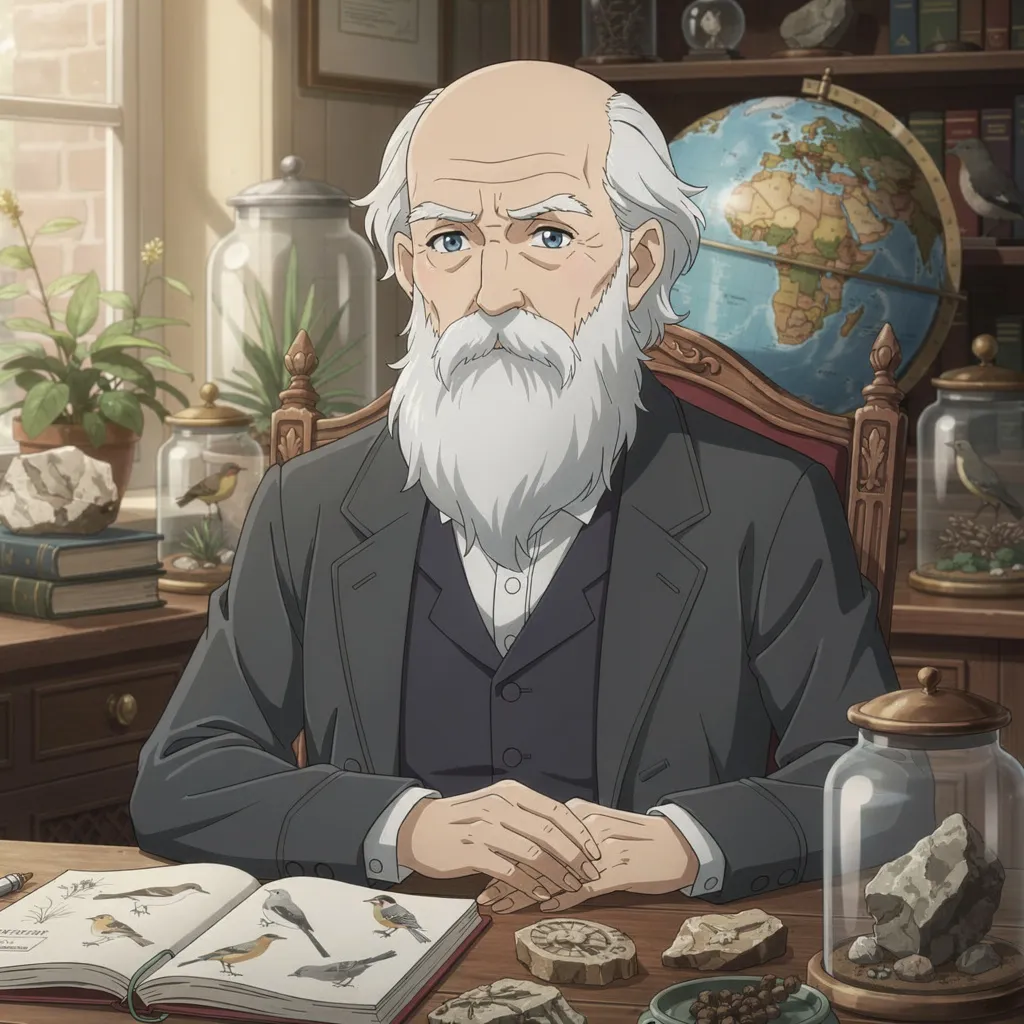
He was a scientist who explained how living things change over time through a process called evolution.

Helping develop powerful rockets that made human space travel and Moon landings possible

Helping create quantum mechanics and discovering the Uncertainty Principle
Explore inspiring lives across science, art, history, music, and more.