
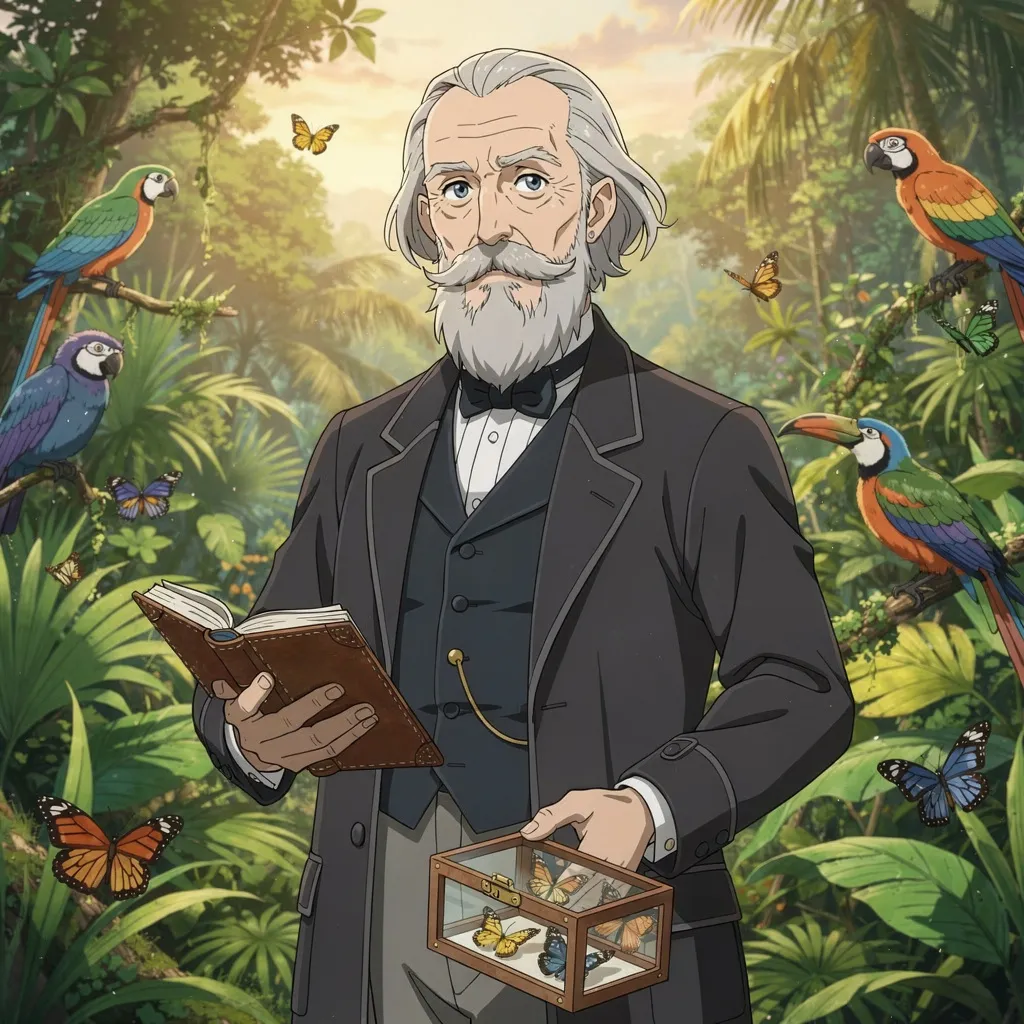
Helping discover the idea of evolution by natural selection.
Helping discover the idea of evolution by natural selection.
Alfred Russel Wallace was born in 1823 in Wales, which is part of the United Kingdom. His family did not have much money, so Alfred left school early to help earn a living. Even though school ended soon, his learning did not.
Alfred loved nature and spent lots of time outdoors. He enjoyed reading books about animals, plants, and faraway places. This curiosity helped him become a great scientist later in life.
As a young man, Alfred became a naturalist, which means he studied living things. He traveled to exciting places like the Amazon rainforest in South America. There, he collected insects, birds, and plants to study.
Later, Alfred explored islands in Southeast Asia, an area now called the "Wallace Line." He noticed that animals on different islands were not the same, even when the islands were close together. This made him ask big questions about how animals change over time.
While studying animals, Alfred had an important idea. He realized that animals that are better at surviving in their environment are more likely to live longer and have babies. Over many years, this can cause species to slowly change.
Alfred wrote his idea down and sent it to another scientist named Charles Darwin. Darwin had been thinking about the same idea! Together, their work helped explain evolution by natural selection.
Alfred wrote many books and articles about science, nature, and travel. He was respected around the world for his careful observations and clear thinking. He also helped create the field of biogeography, which studies where plants and animals live.
Even though he faced challenges, Alfred never stopped learning. His love of discovery showed that great ideas can come from curiosity and hard work.
Today, Alfred Russel Wallace is remembered as a key thinker in science. His adventures and ideas inspire people to explore the natural world and protect its amazing diversity.
Alfred once lost many of his specimens when his ship caught fire at sea.
The "Wallace Line" is named after him and shows where animal species change.
He collected over 125,000 animal specimens during his travels.
Alfred loved insects and studied butterflies very closely.
2 min read · Developing-reader friendly
Think of an answer, then open each card to check.
Helping discover the idea of evolution by natural selection.
1823-1913
British
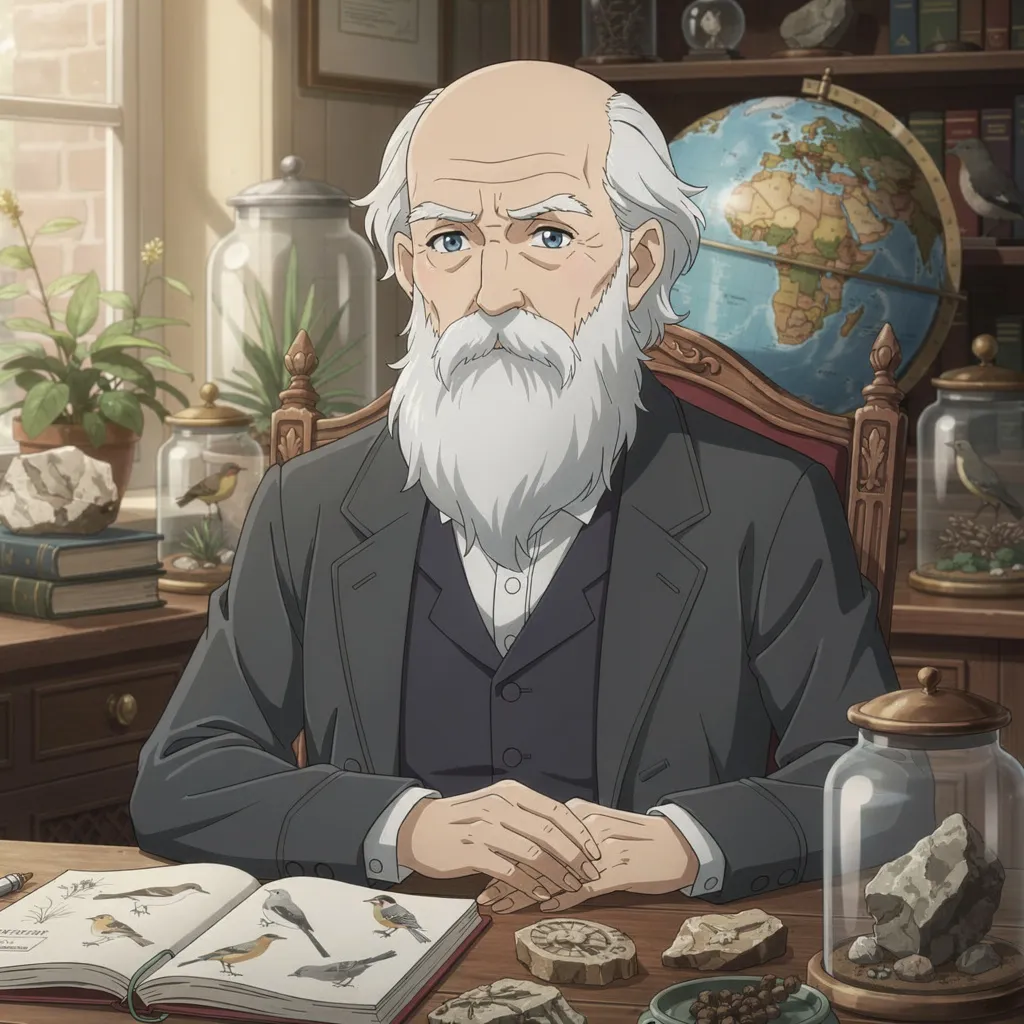
He was a scientist who explained how living things change over time through a process called evolution.
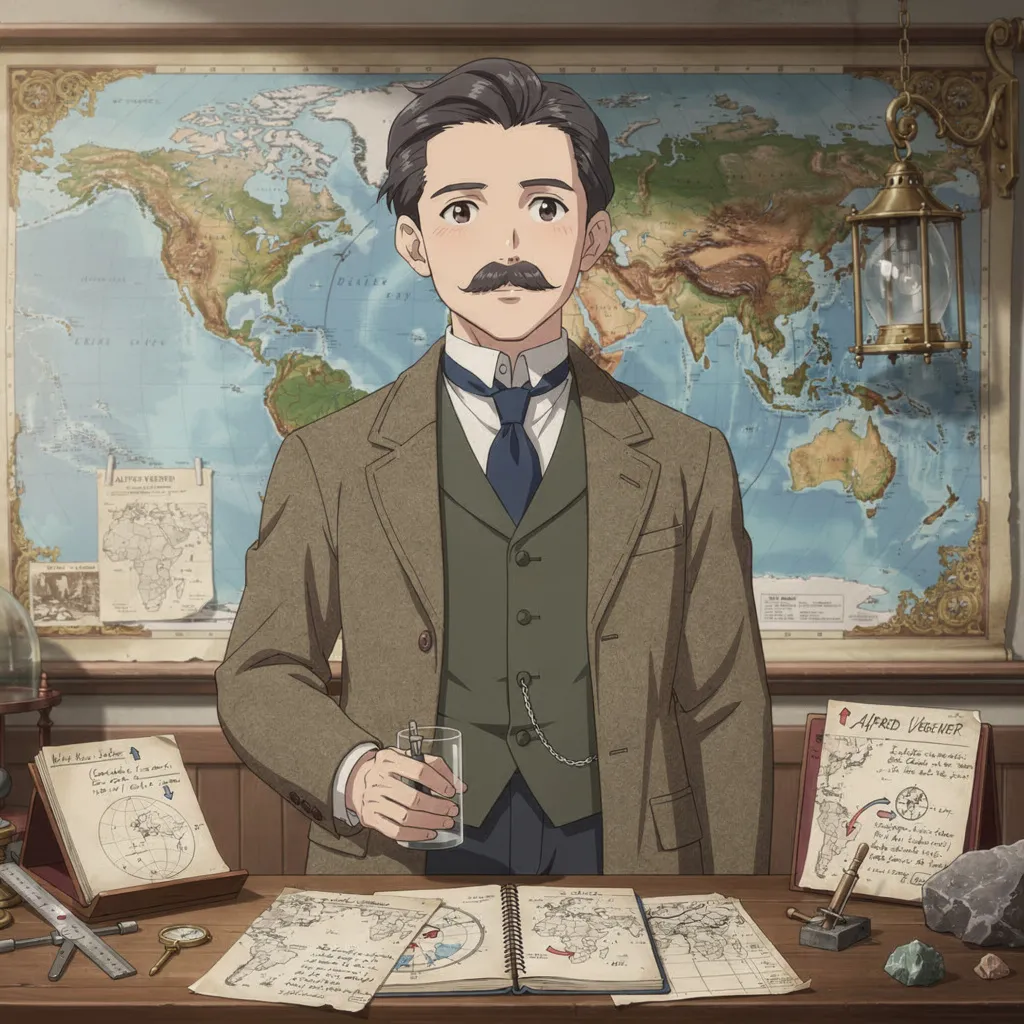
He came up with the idea of continental drift, which explained that continents move over time.
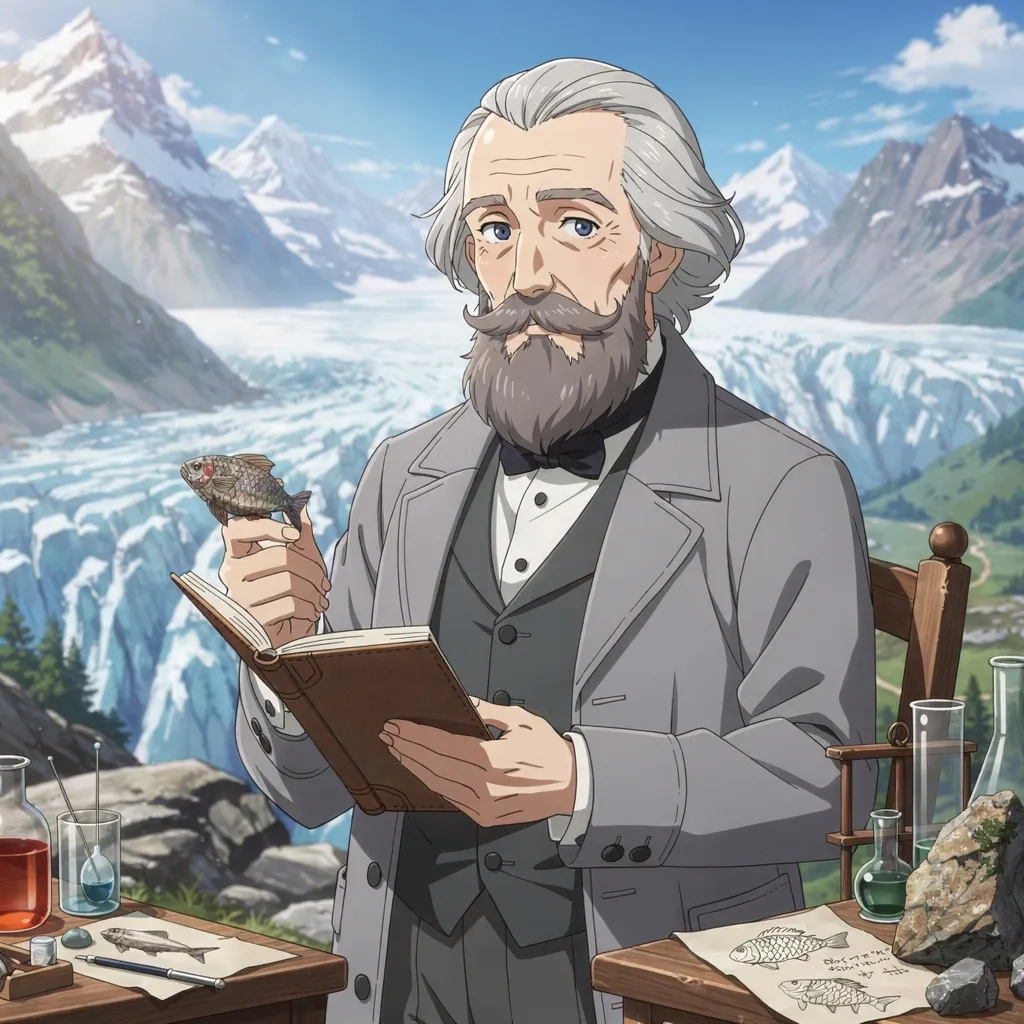
He was a scientist who studied nature and helped people understand glaciers, fish, and fossils.
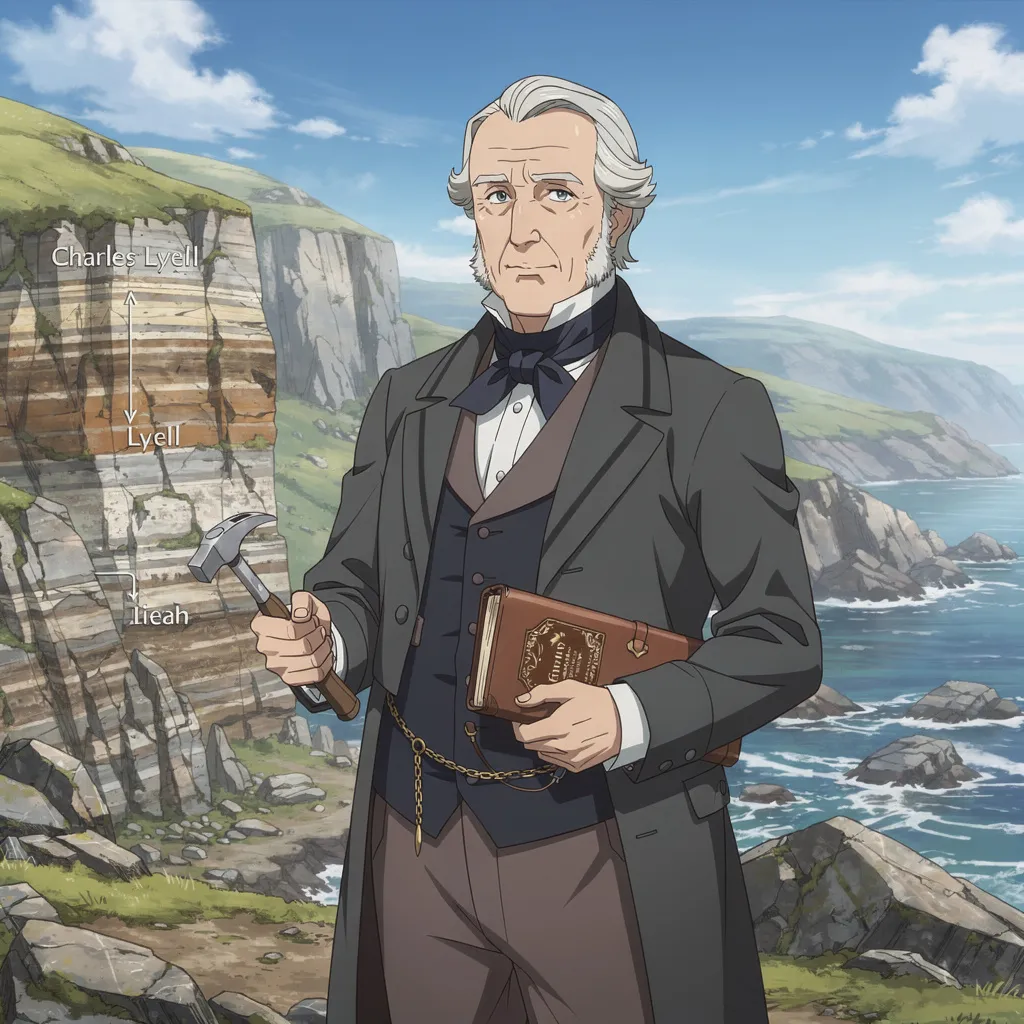
He helped people understand that Earth changes slowly over a very long time.
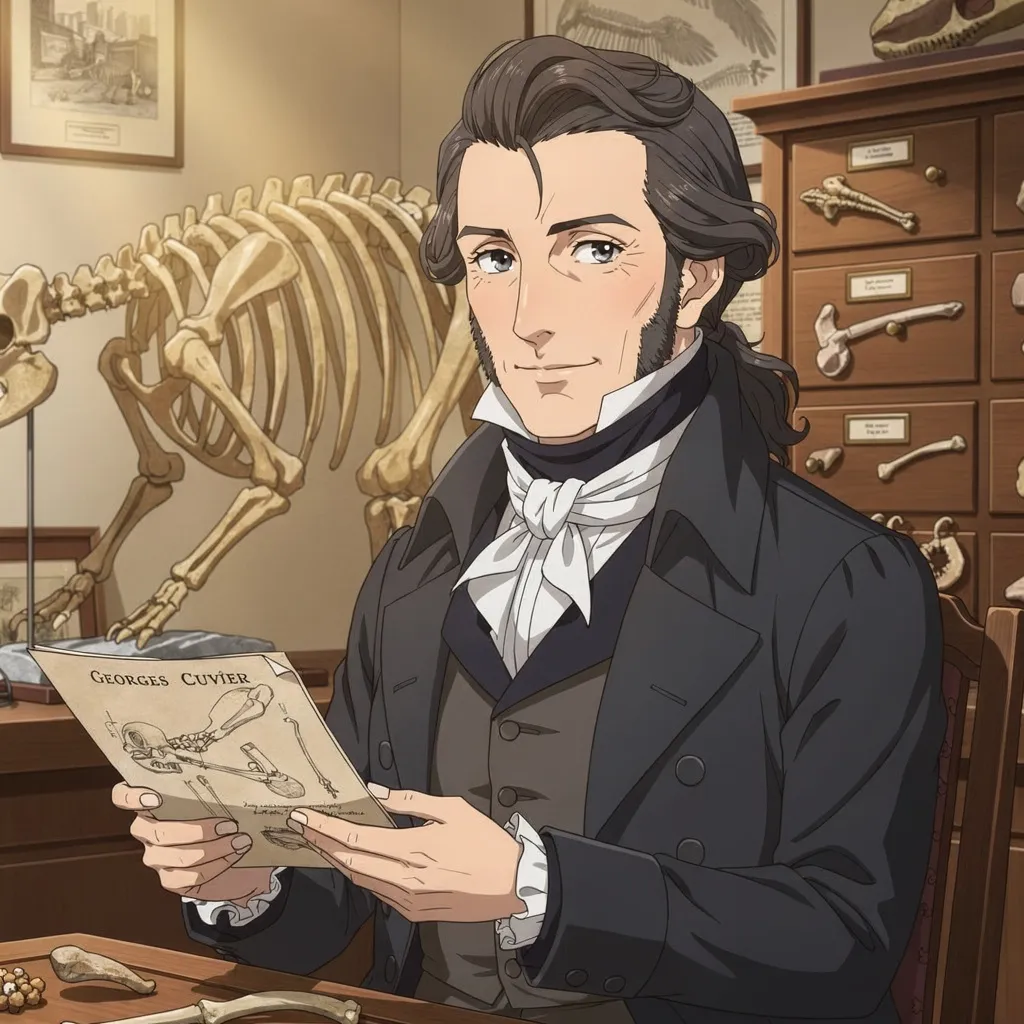
Helping to start the science of paleontology and showing that some animals from the past became extinct.
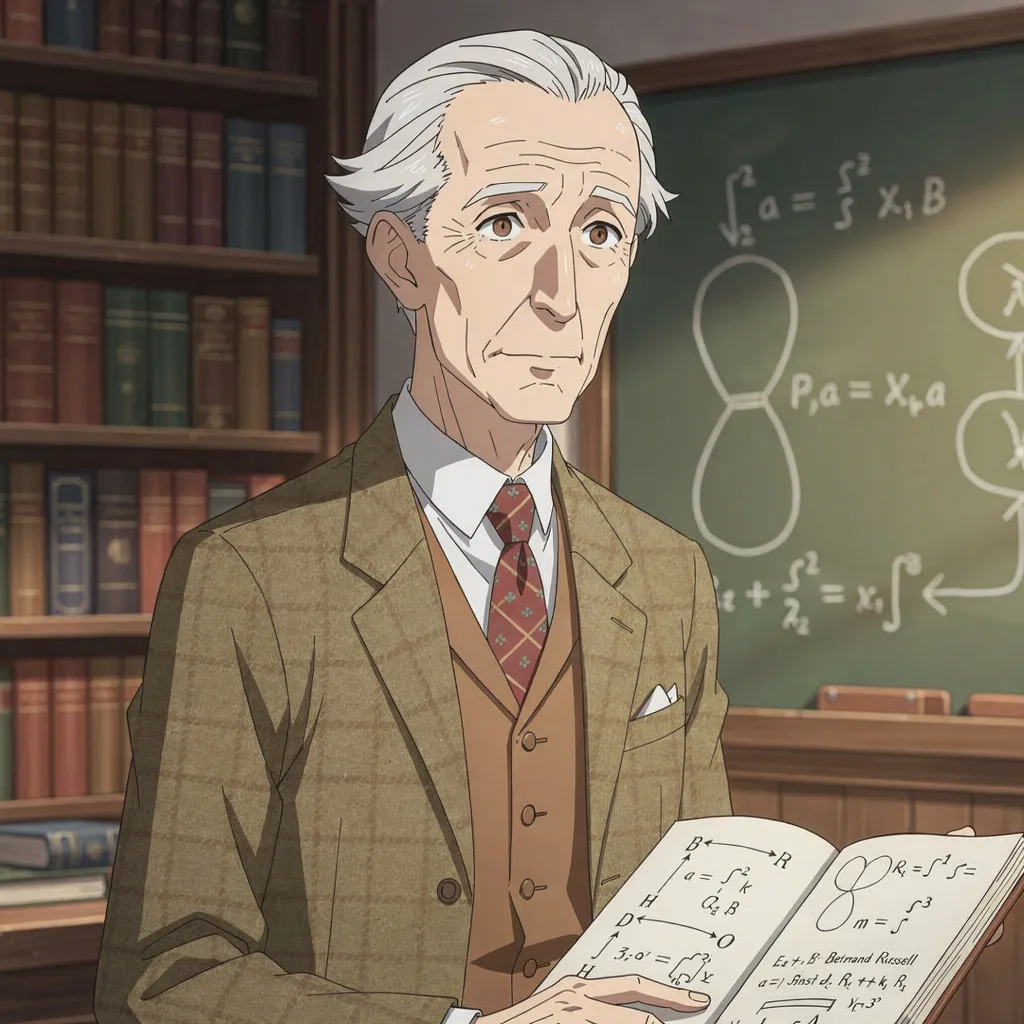
A British thinker who helped make math, logic, and philosophy easier to understand and wrote many famous books.
Explore inspiring lives across science, art, history, music, and more.