
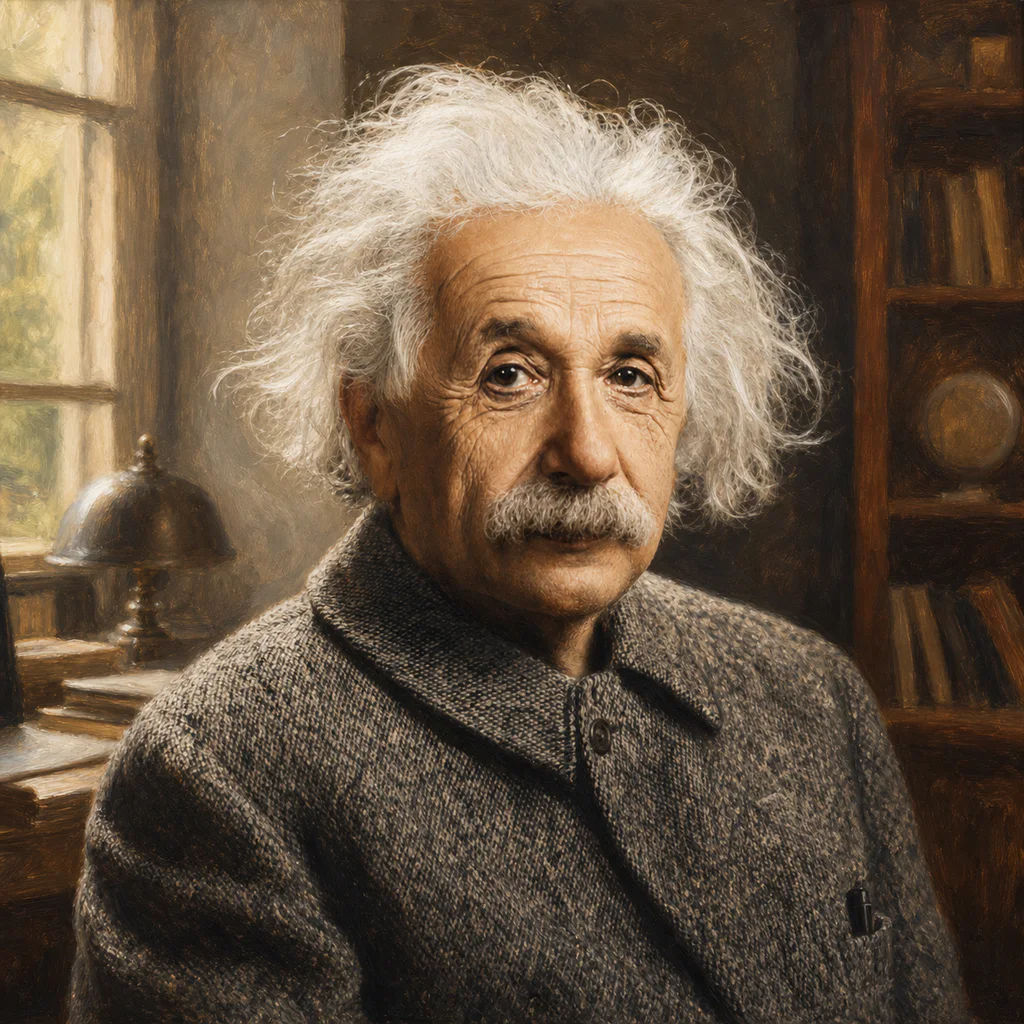
He was a brilliant scientist who helped us understand space, time, and light.
He was a brilliant scientist who helped us understand space, time, and light.
Albert Einstein was born in Ulm, Germany, in 1879 and spent much of his childhood in Munich. He enjoyed music and played the violin, but his strongest interests became mathematics and physics. As a teenager, he continued his education in Switzerland. He later studied at the Swiss Federal Polytechnic in Zürich, which is now called ETH Zürich, and trained to teach physics and mathematics.
After graduating, Einstein had difficulty finding an academic job. In 1902 he began working at the Swiss patent office in Bern. The job involved studying other people's inventions, while he used his free time to work on his own questions about light, atoms, space, and time.
In 1905, Einstein published four papers that changed physics. One explained the photoelectric effect: under the right conditions, light can transfer energy in packets and knock electrons out of a material. Another used the random motion of tiny particles in a liquid as evidence that atoms and molecules are real.
His paper on special relativity showed that measurements of time and distance depend on how observers are moving, while the speed of light remains constant. A short follow-up paper introduced the relationship later written as E = mc², connecting mass and energy. These were different discoveries, not one single "theory of everything."
Einstein kept developing his ideas. In 1915 he completed the general theory of relativity, which describes gravity as the bending of space and time around matter. Observations of a solar eclipse in 1919 supported a prediction of the theory and helped make him internationally famous.
Einstein received the 1921 Nobel Prize in Physics. The prize especially recognized his explanation of the photoelectric effect, not relativity. That work helped establish quantum physics and later contributed to technologies that detect or use light.
When Adolf Hitler and the Nazi Party came to power in 1933, Einstein did not return to Germany. He settled in Princeton, New Jersey, and worked at the Institute for Advanced Study. He became a United States citizen in 1940 while also keeping his Swiss citizenship.
Einstein died in 1955. Scientists still test the predictions of relativity, and his 1905 papers remain central to modern physics. His story is valuable because it shows how several carefully argued ideas—not a single sudden guess—can reshape what people know about nature.
Einstein worked at the Swiss patent office when he published his four major papers of 1905.
He received the Nobel Prize awarded for 1921 at a ceremony in 1922.
The Nobel committee especially honored his explanation of the photoelectric effect.
Einstein played the violin throughout his life and often performed chamber music with friends.
He held Swiss and American citizenship during the final years of his life.
3 min read · Independent-reader guide
Open a word for a short explanation.
Legal membership in a country, with its rights and responsibilities.
Information used to support or test an idea.
A new device, method, or idea that someone creates.
A tiny group of atoms joined together.
A word used in physics for the behavior of matter and energy at very small scales.
Einstein’s explanation of how space, time, motion, and gravity are connected.
A well-supported explanation that connects evidence and observations.
Think of an answer, then open each card to check.
He was a brilliant scientist who helped us understand space, time, and light.
1879-1955
German-born American
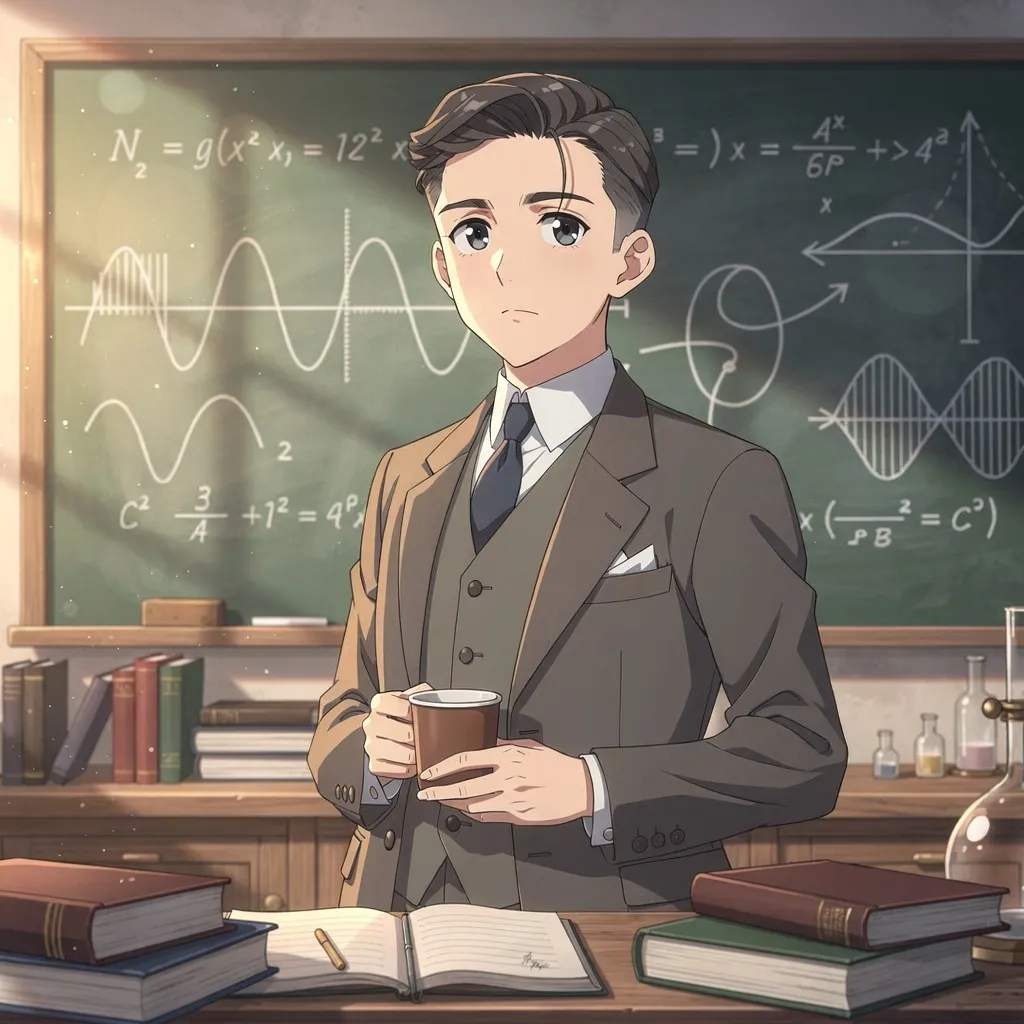
Helping create quantum mechanics and discovering the Uncertainty Principle
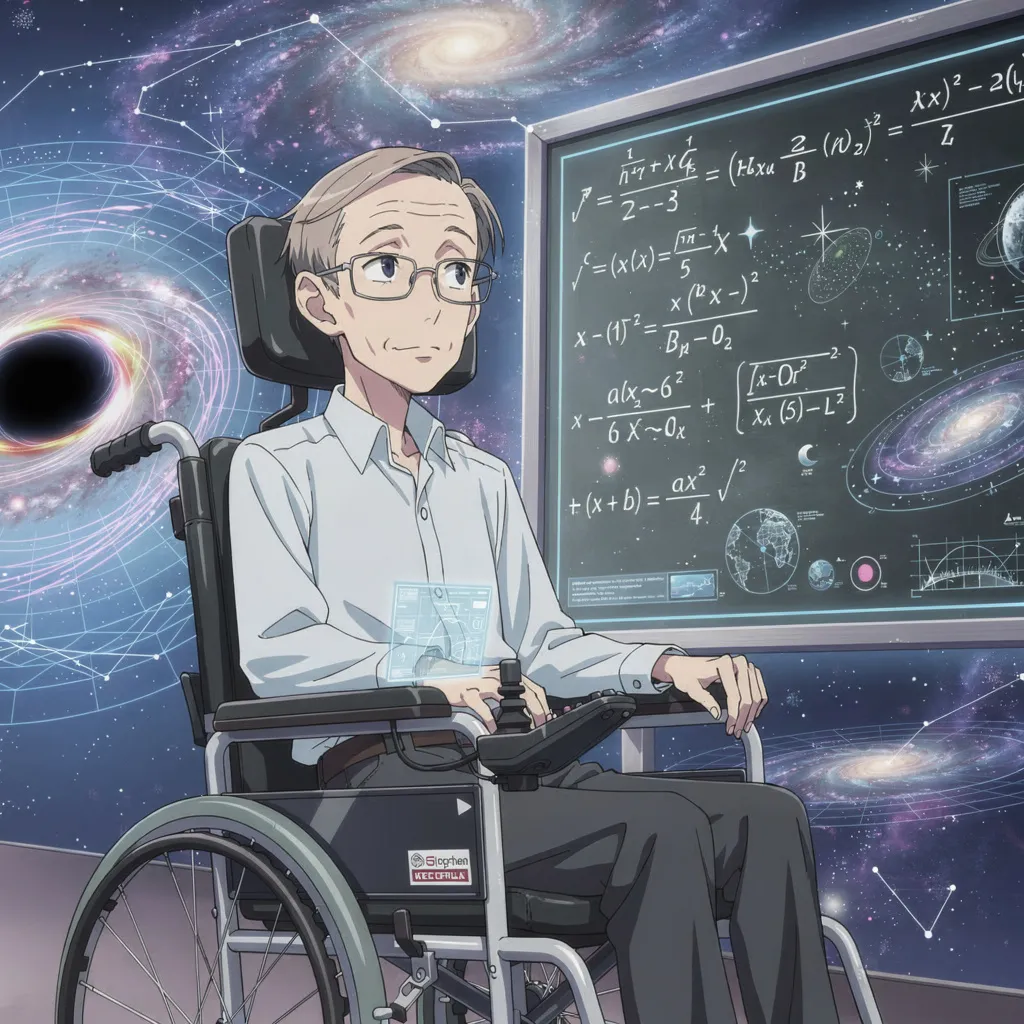
A famous scientist who studied space, black holes, and helped people understand the universe.
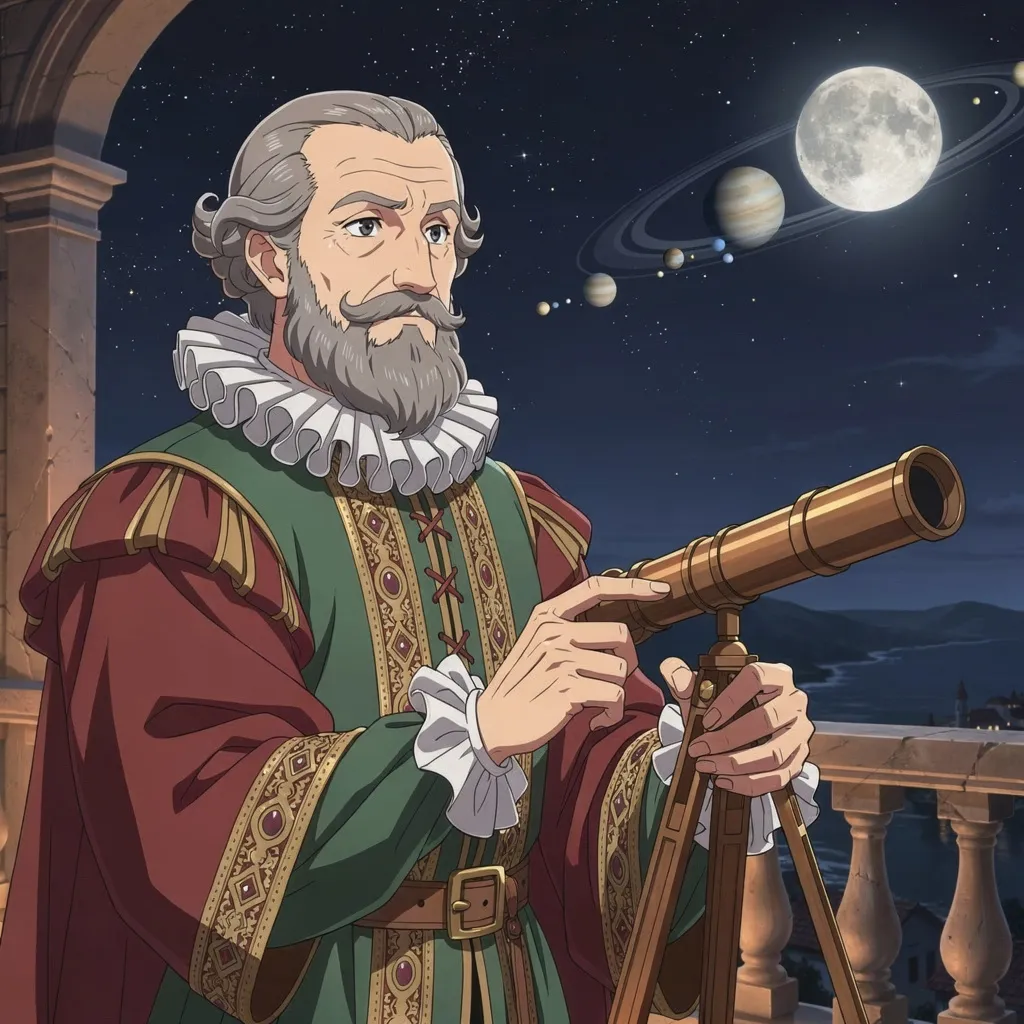
Helping people understand the sky by improving the telescope and studying space.
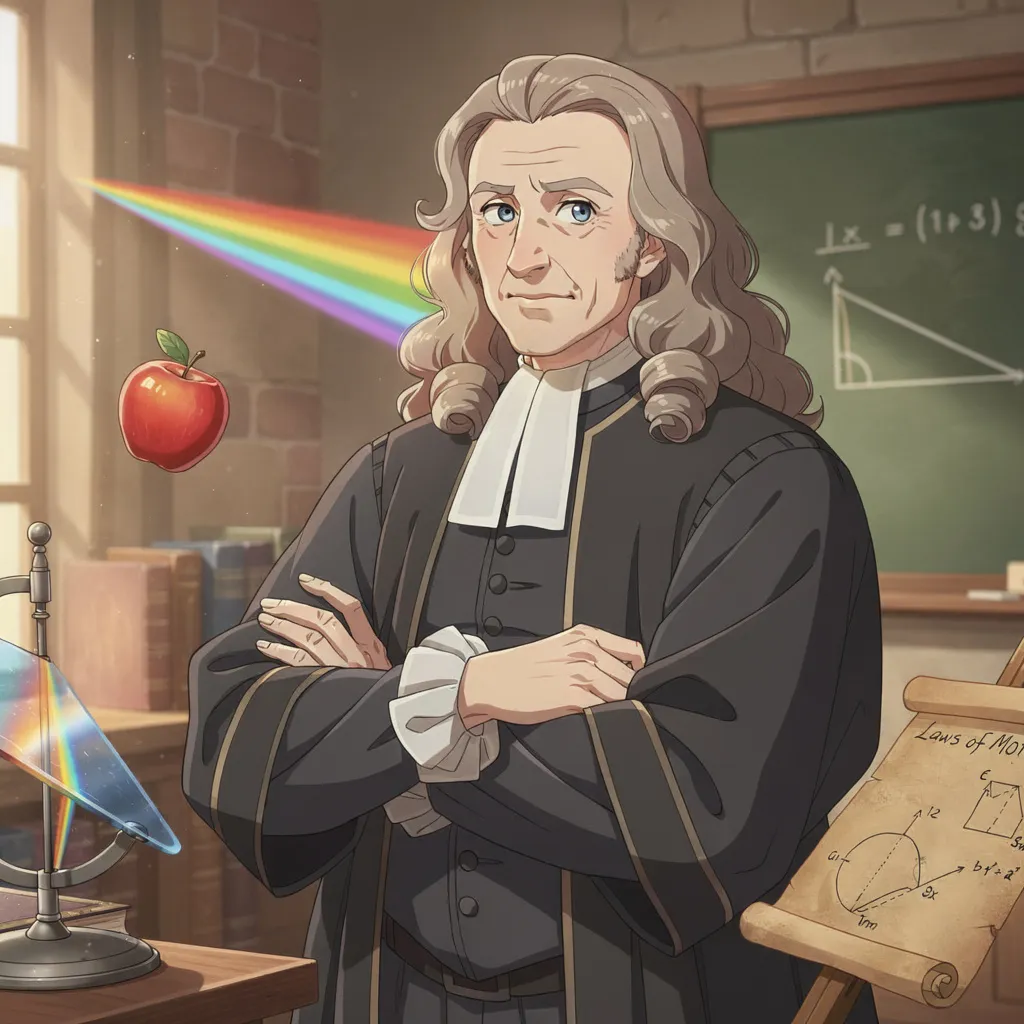
Discovering the laws of motion and gravity that help explain how the world moves
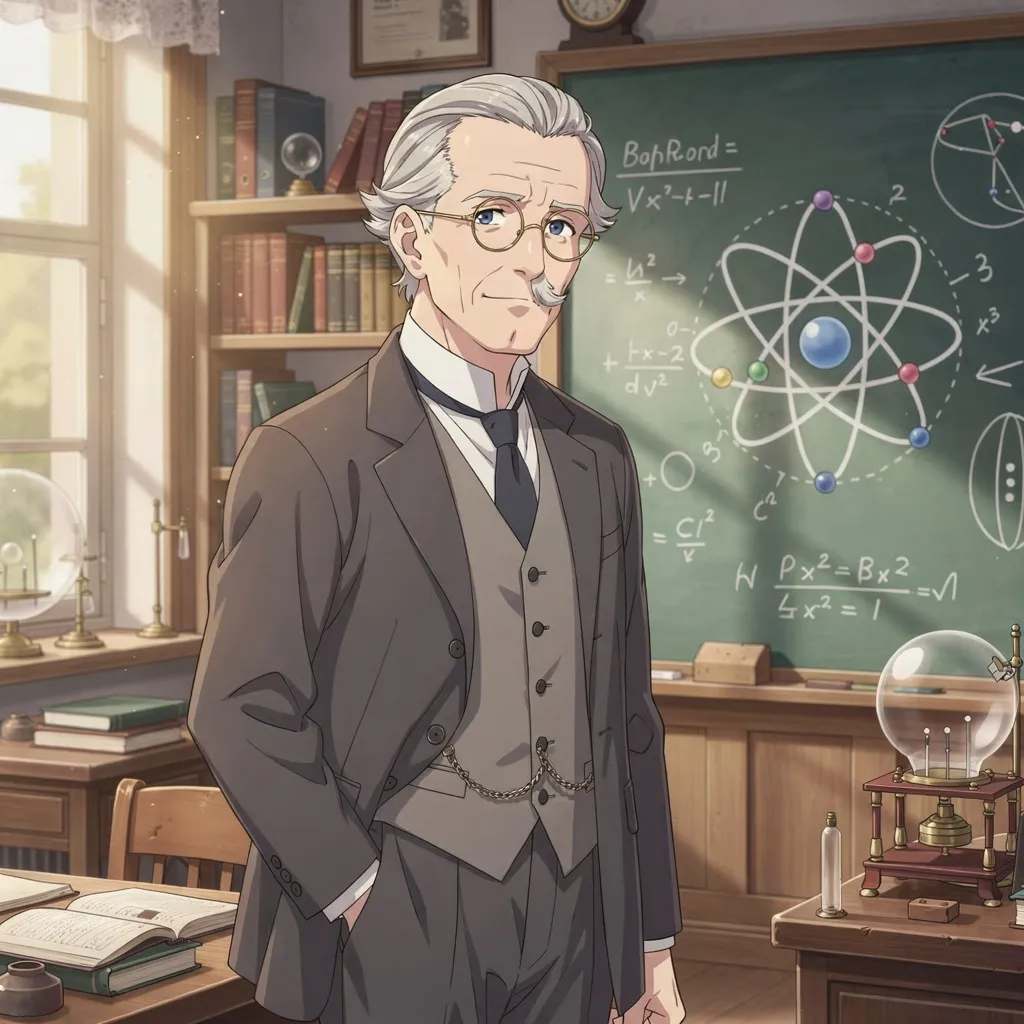
Helping us understand how atoms work and shaping modern physics
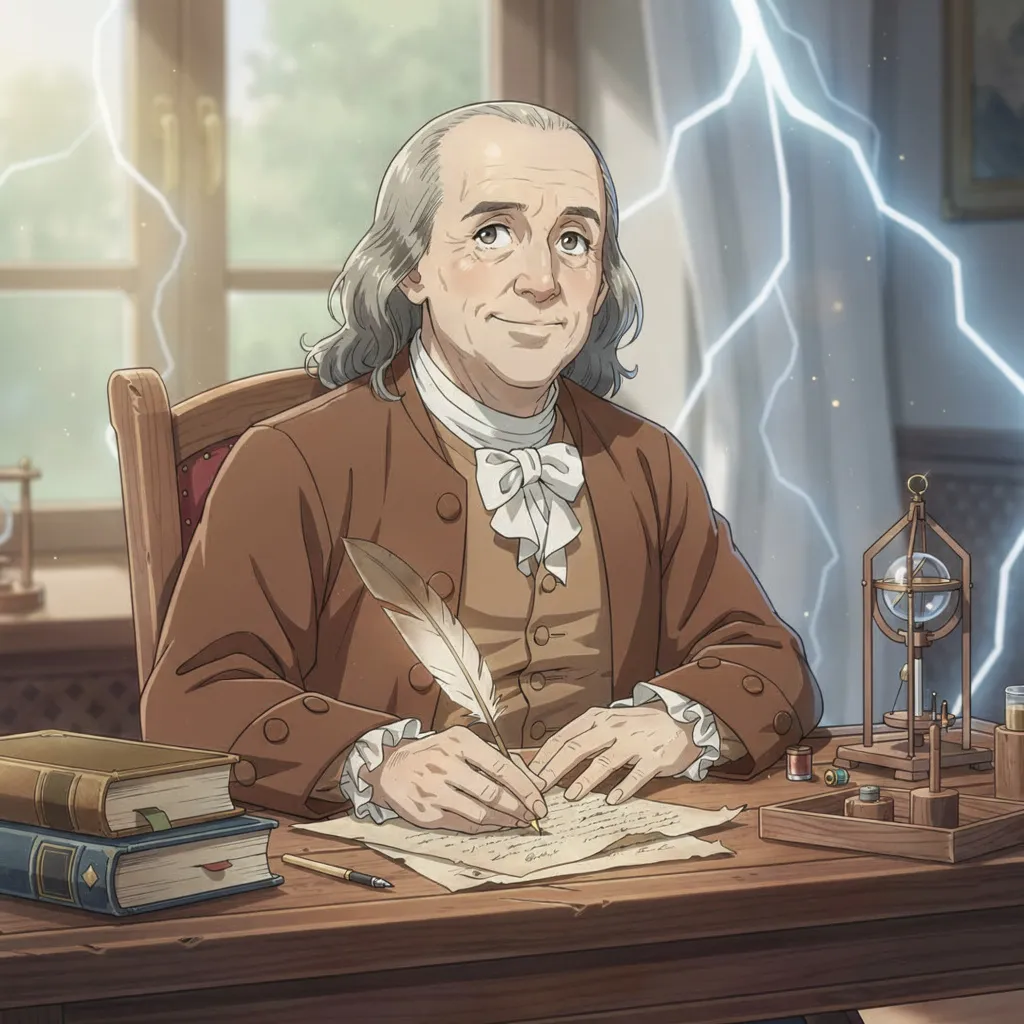
A famous American inventor, writer, and leader who helped shape the United States.
Explore inspiring lives across science, art, history, music, and more.