
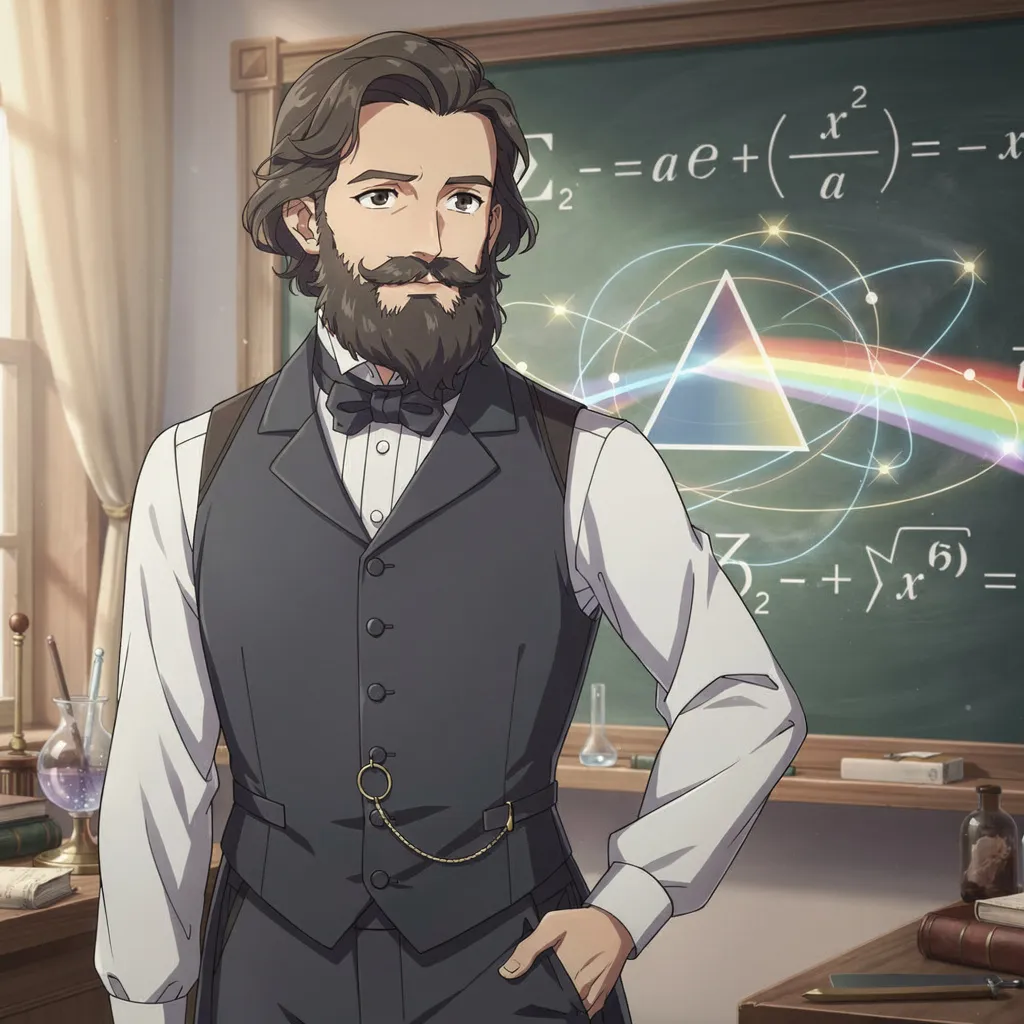
He helped explain electricity, magnetism, and light, showing they are all connected.
He helped explain electricity, magnetism, and light, showing they are all connected.
James Clerk Maxwell was born on June 13, 1831, in Scotland. From a very young age, he was curious about how the world worked and loved asking questions.
As a child, James enjoyed drawing shapes, playing with strings, and solving puzzles. He was especially interested in geometry, which is the study of shapes and space.
James went to school in Edinburgh, where teachers noticed he was very talented in math and science. He loved learning and often spent his free time thinking about big ideas.
Later, he studied at famous universities, including the University of Cambridge, and became a teacher himself. James enjoyed explaining difficult ideas in simple ways so others could understand.
James Clerk Maxwell is most famous for showing that electricity and magnetism are connected. Before him, people thought they were separate forces.
He showed that light is a type of energy that travels in waves and is part of a bigger family called the electromagnetic spectrum. This idea later helped scientists understand radio waves, microwaves, and X-rays.
His work helped lead to inventions like radios, televisions, cell phones, and Wi-Fi, even though these things were invented long after he died.
James was not only good at science and math, but he was also very creative. He wrote poems, enjoyed music, and liked to think in imaginative ways.
He believed that asking questions was just as important as finding answers. This made him a great role model for curious kids everywhere.
Even though James died young at the age of 48, on November 5, 1879, his ideas changed science forever. Many scientists today still study his work.
Albert Einstein, another famous scientist, said that Maxwell’s discoveries were among the most important in all of physics.
James Clerk Maxwell showed the world that curiosity, creativity, and hard work can help us understand the universe better.
Thanks to Maxwell’s ideas, we can enjoy modern technology like smartphones and the internet. His discoveries also help scientists explore space and energy.
He reminds us that learning can be fun and that big ideas can start with simple questions.
James Clerk Maxwell made important discoveries before he turned 25!
He loved writing poetry and riddles in his free time.
Maxwell helped create the first color photograph idea.
A building at the University of Edinburgh is named after him.
Albert Einstein admired Maxwell’s work greatly.
3 min read · Independent-reader guide
Open a word for a short explanation.
A new device, method, or idea that someone creates.
Think of an answer, then open each card to check.
He helped explain electricity, magnetism, and light, showing they are all connected.
1831-1879
Scottish
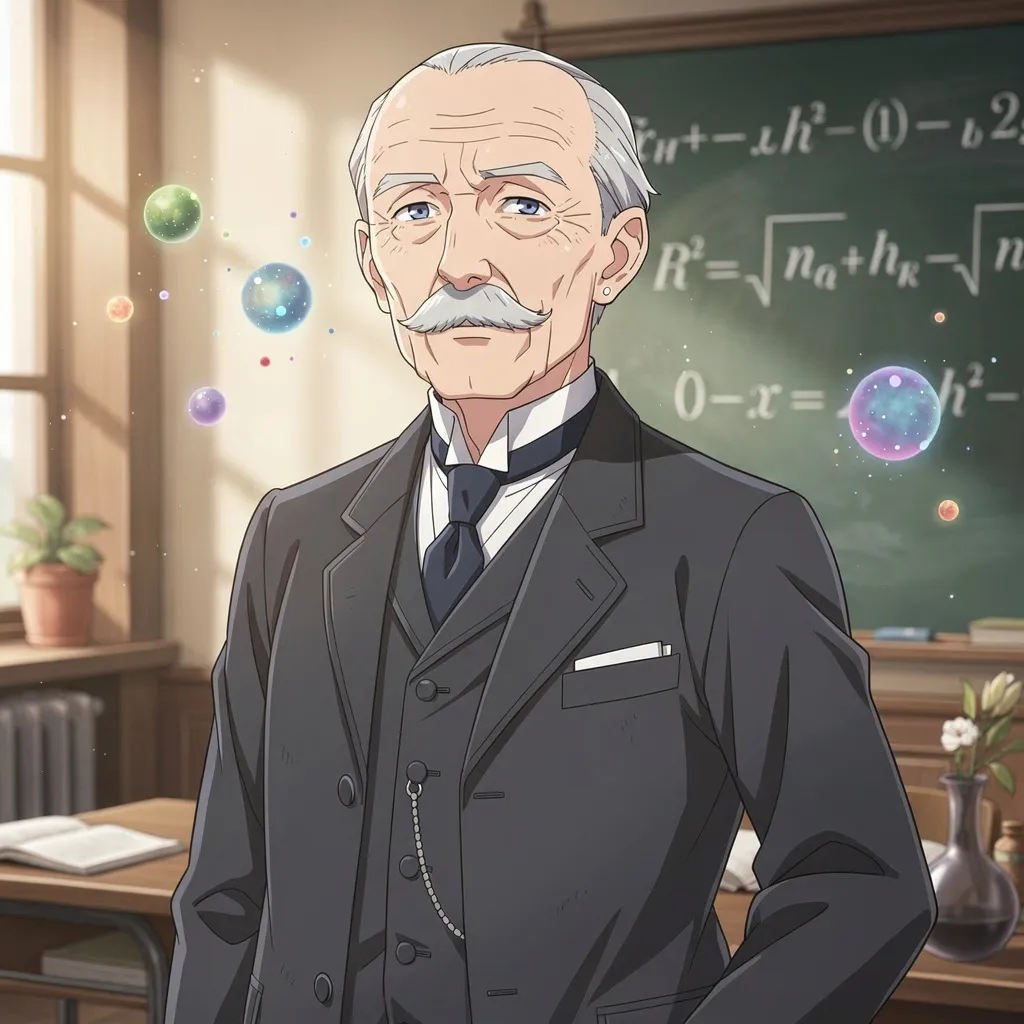
Helping start quantum theory, which explains how very tiny things like atoms behave.
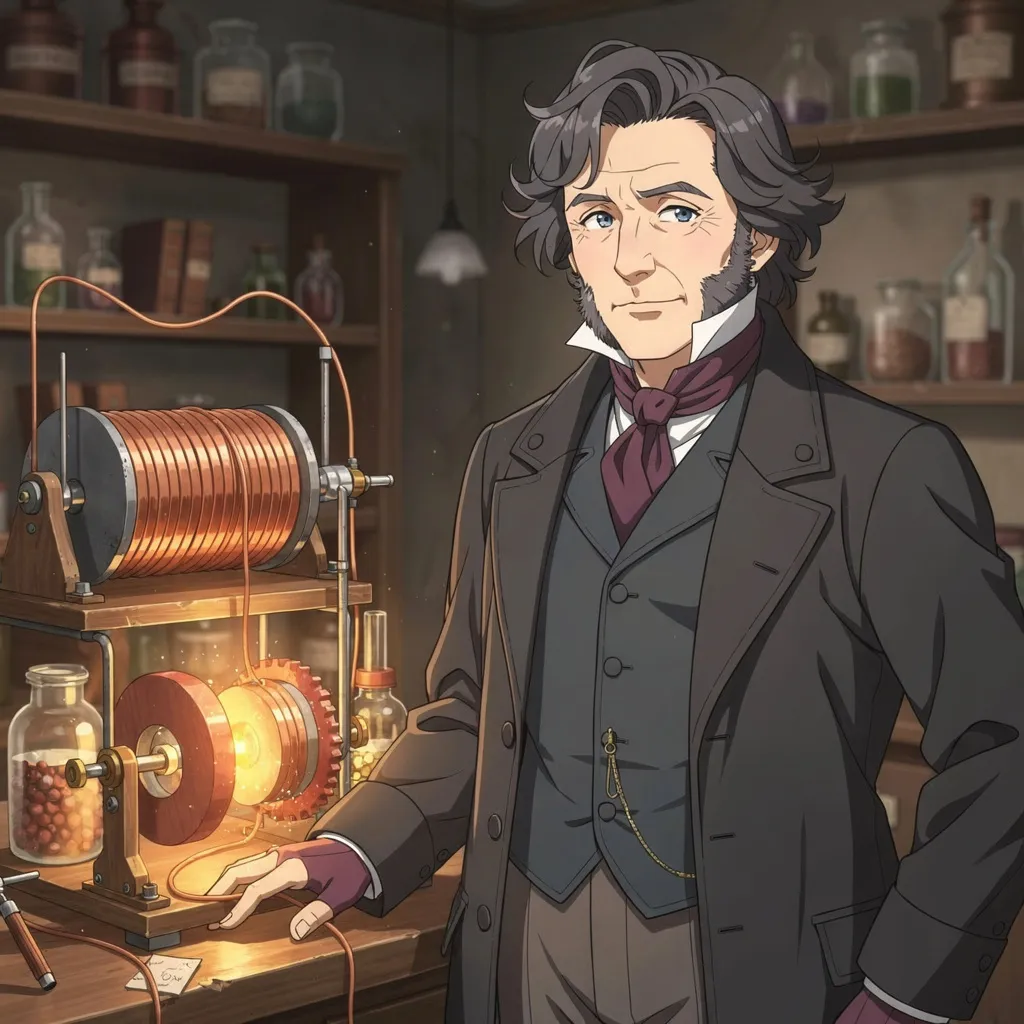
Discovering how electricity and magnetism work together and helping create electric motors
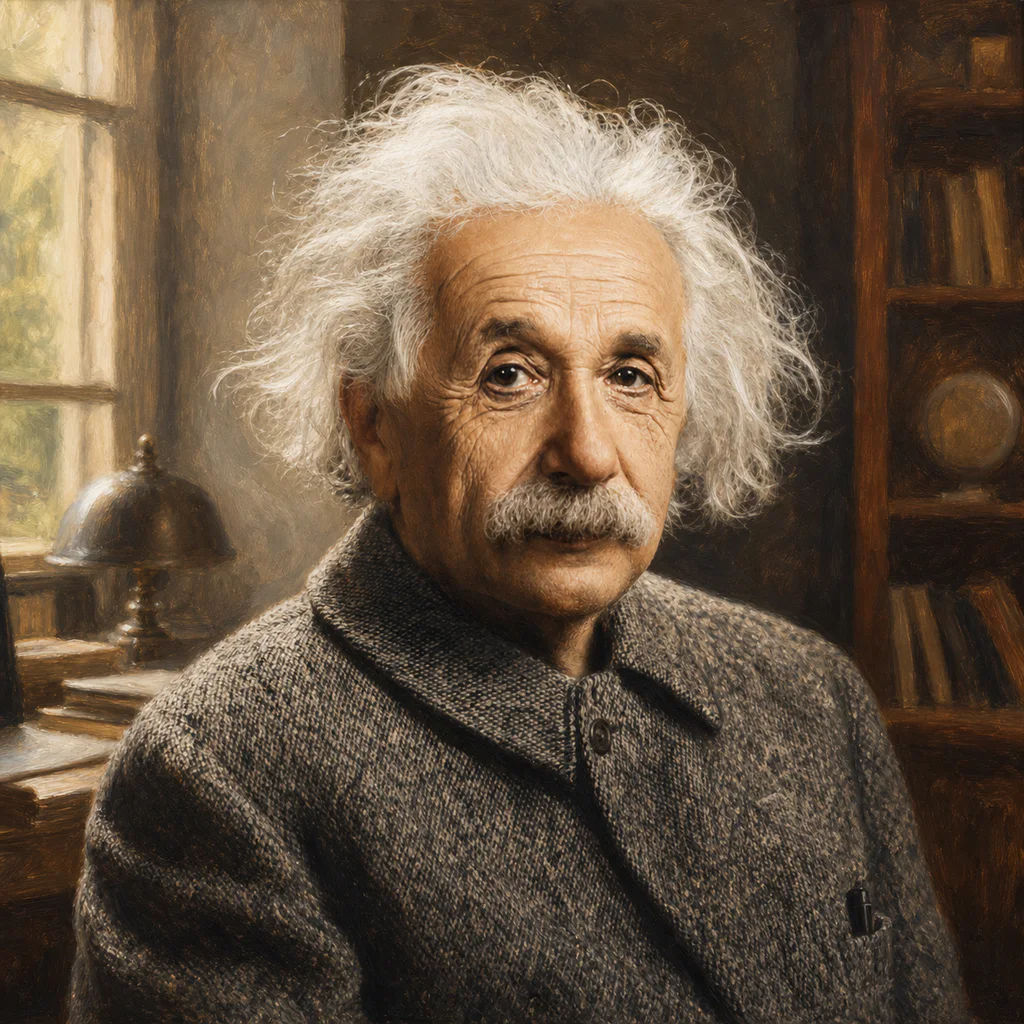
He was a brilliant scientist who helped us understand space, time, and light.
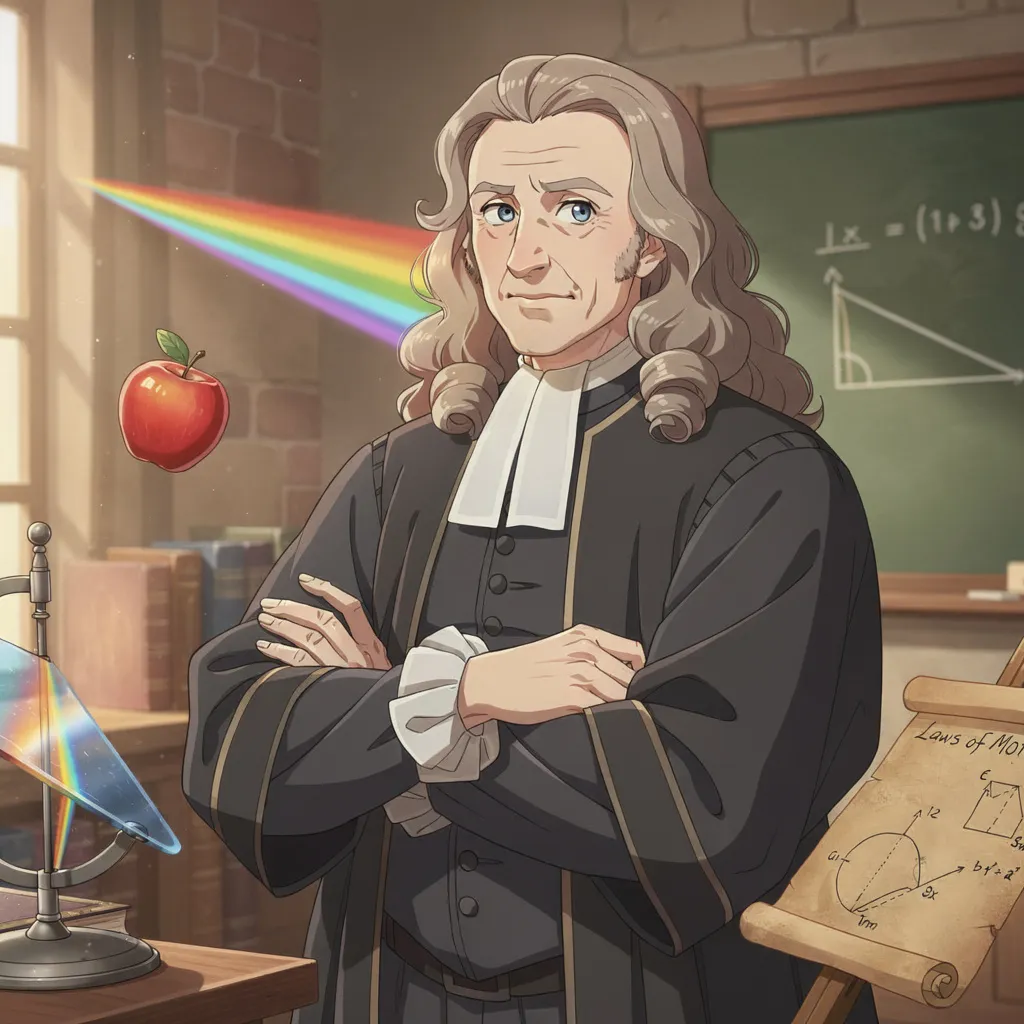
Discovering the laws of motion and gravity that help explain how the world moves
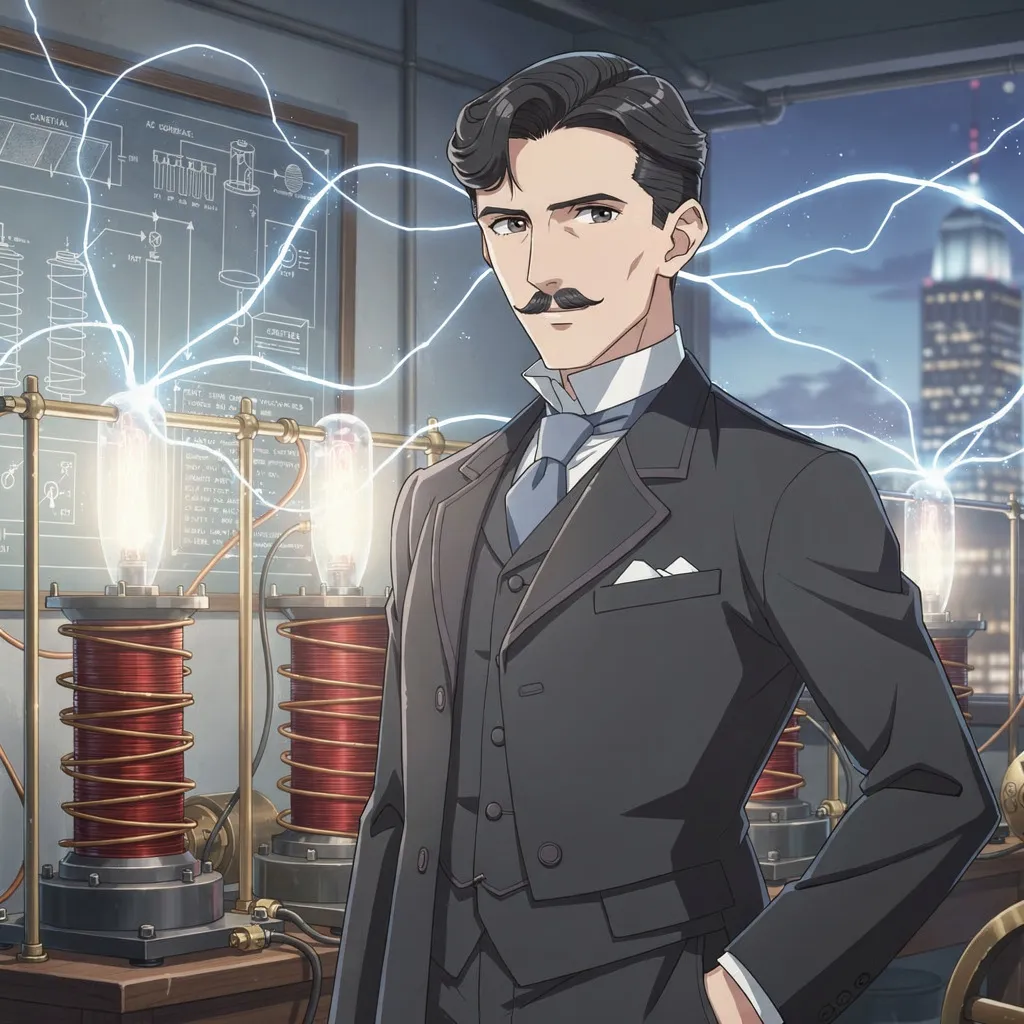
He helped create the system of alternating current (AC) electricity that powers homes and cities.
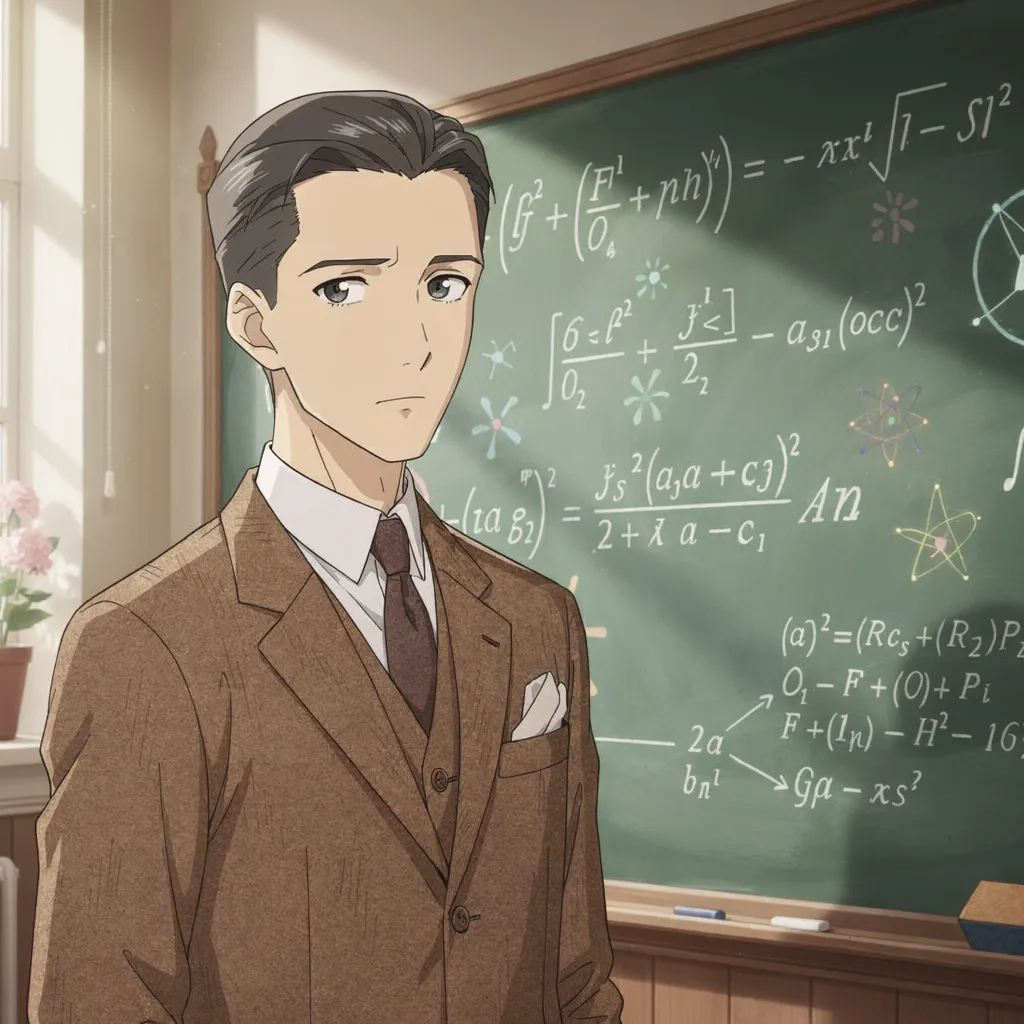
Helping create quantum physics and predicting the existence of antimatter
Explore inspiring lives across science, art, history, music, and more.