
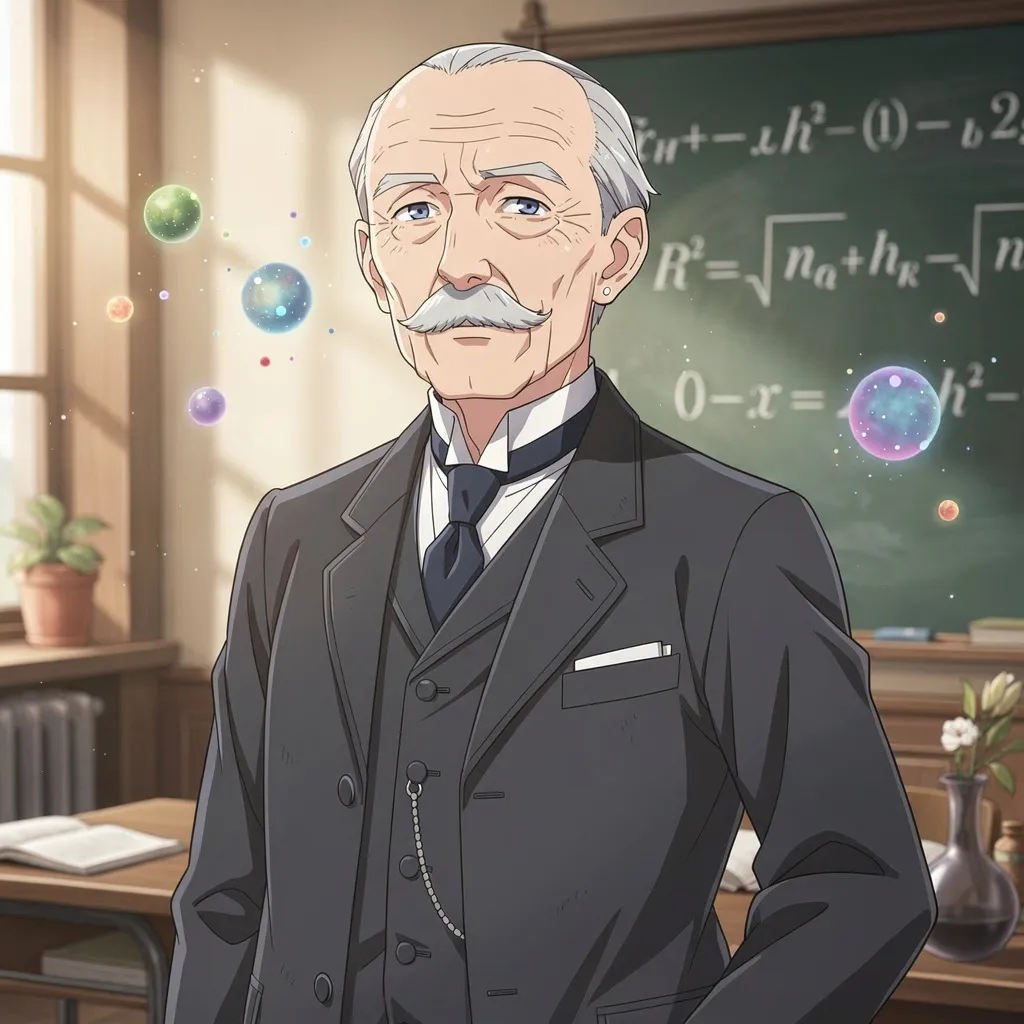
Helping start quantum theory, which explains how very tiny things like atoms behave.
Helping start quantum theory, which explains how very tiny things like atoms behave.
Max Planck was born in 1858 in Germany. He grew up in a family that loved learning, and many of his relatives were teachers and lawyers.
As a child, Max was curious and careful. He enjoyed music and played the piano, but he also loved asking big questions about how the world works.
When Max went to school, he discovered that he liked math and science. These subjects helped him understand patterns and rules in nature.
He studied physics at university, which is the science of energy, light, and matter. Even though physics was very hard, Max did not give up.
Max Planck became famous for a surprising idea about energy. He suggested that energy is not always smooth and flowing, but comes in tiny packets called “quanta.”
At first, other scientists were confused by this idea. But later, they realized it helped explain how light and atoms behave.
Planck’s idea became the start of quantum theory. This new way of thinking helped scientists invent amazing things like computers, lasers, and smartphones.
Even though Max was shy and quiet, his work had a huge impact. Many other scientists built on his ideas to learn more about the universe.
In 1918, Max Planck won the Nobel Prize in Physics. This is one of the highest awards a scientist can receive.
He was honored not just for one discovery, but for opening the door to a whole new field of science.
Max Planck passed away in 1947, but his ideas are still important today. Scientists around the world continue to use quantum theory in their work.
There is even a group of research centers named after him, called the Max Planck Society, which helps scientists make new discoveries.
Max Planck showed that asking brave questions can change how we see the world.
Max Planck was an excellent piano player and loved music.
His ideas helped lead to inventions like lasers and modern computers.
At first, he did not realize how important his own discovery was.
The word “quantum” comes from a Latin word meaning “small amount.”
2 min read · Independent-reader guide
Open a word for a short explanation.
A word used in physics for the behavior of matter and energy at very small scales.
A well-supported explanation that connects evidence and observations.
Think of an answer, then open each card to check.
Helping start quantum theory, which explains how very tiny things like atoms behave.
1858-1947
German

Helping create quantum mechanics and discovering the Uncertainty Principle
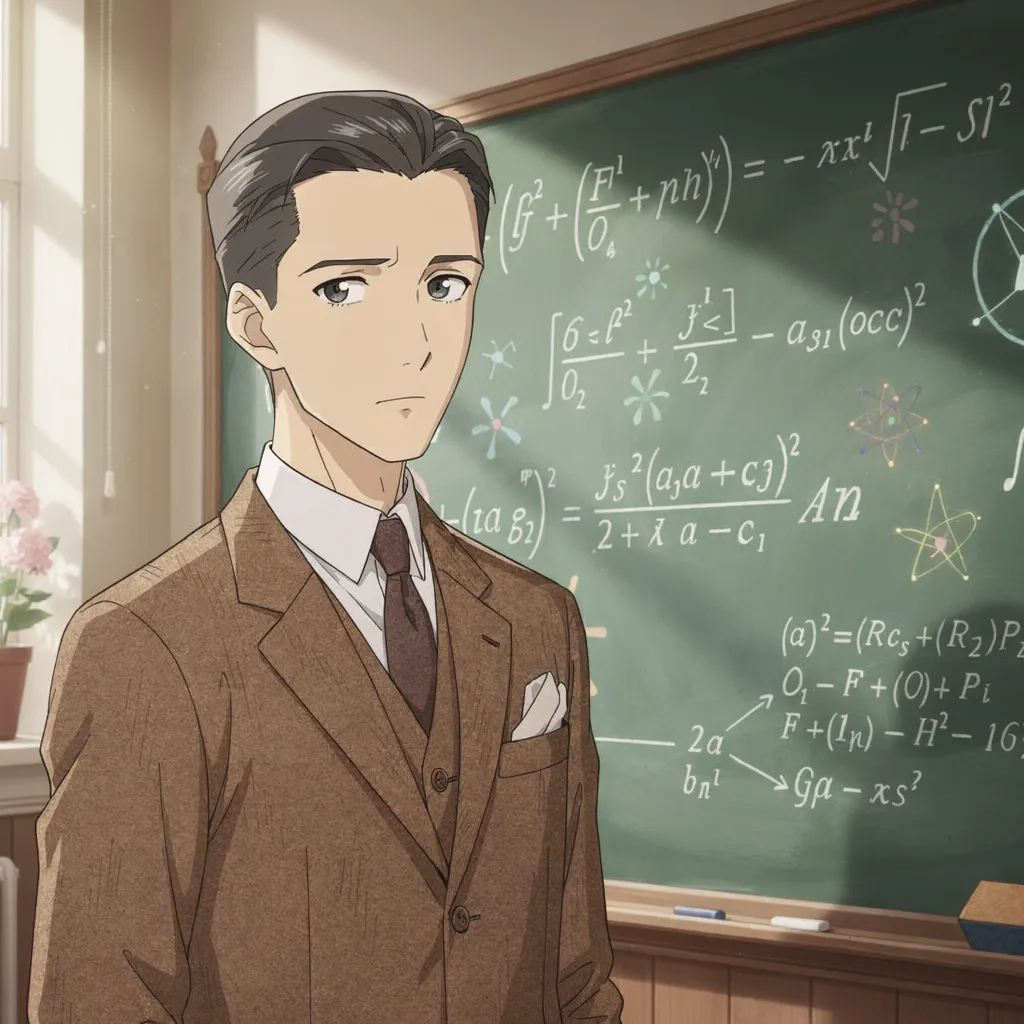
Helping create quantum physics and predicting the existence of antimatter
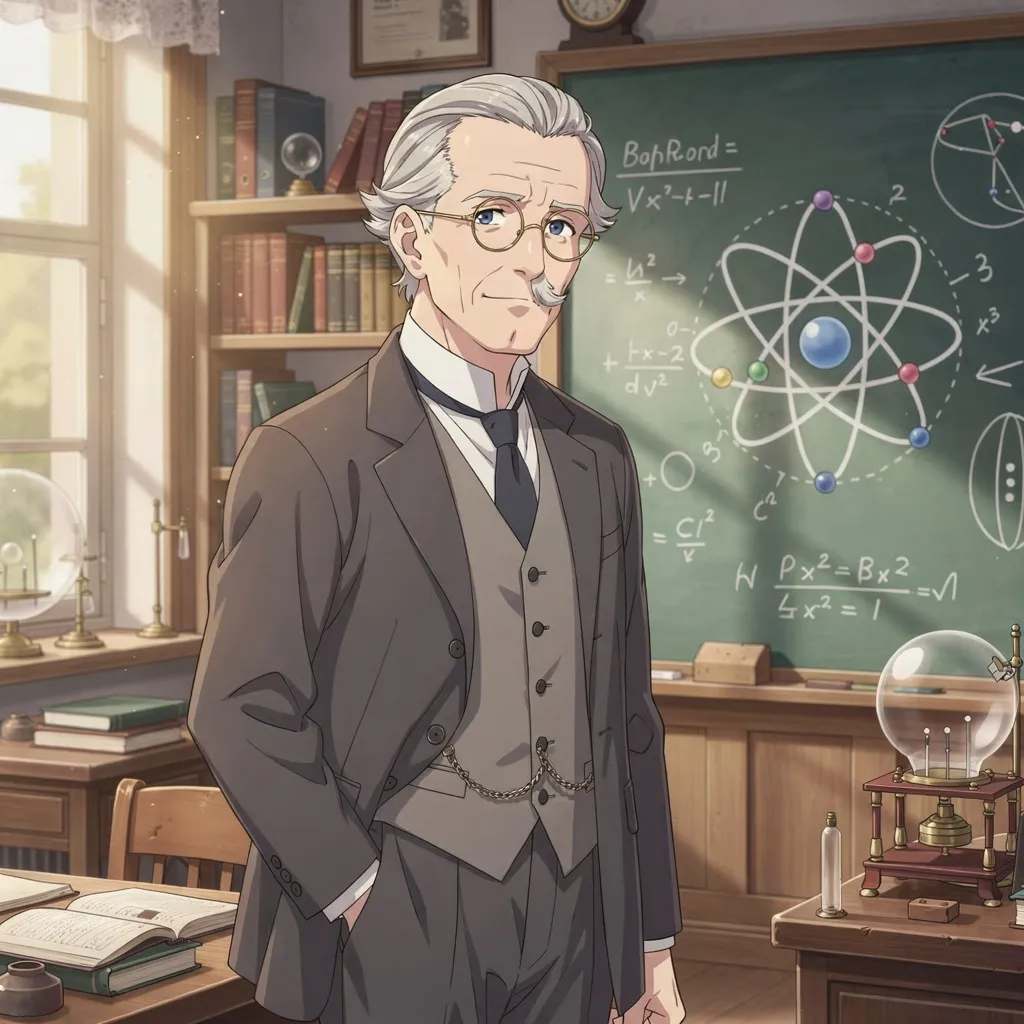
Helping us understand how atoms work and shaping modern physics
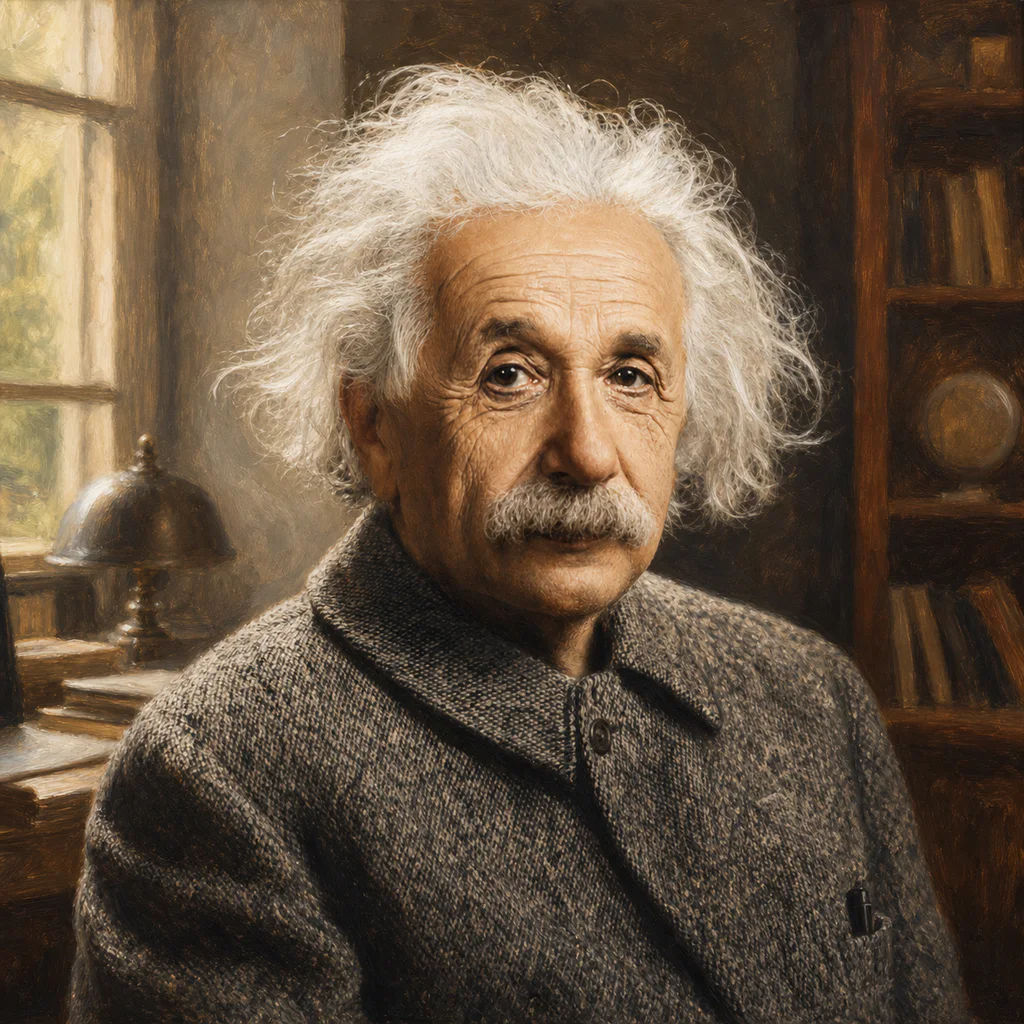
He was a brilliant scientist who helped us understand space, time, and light.
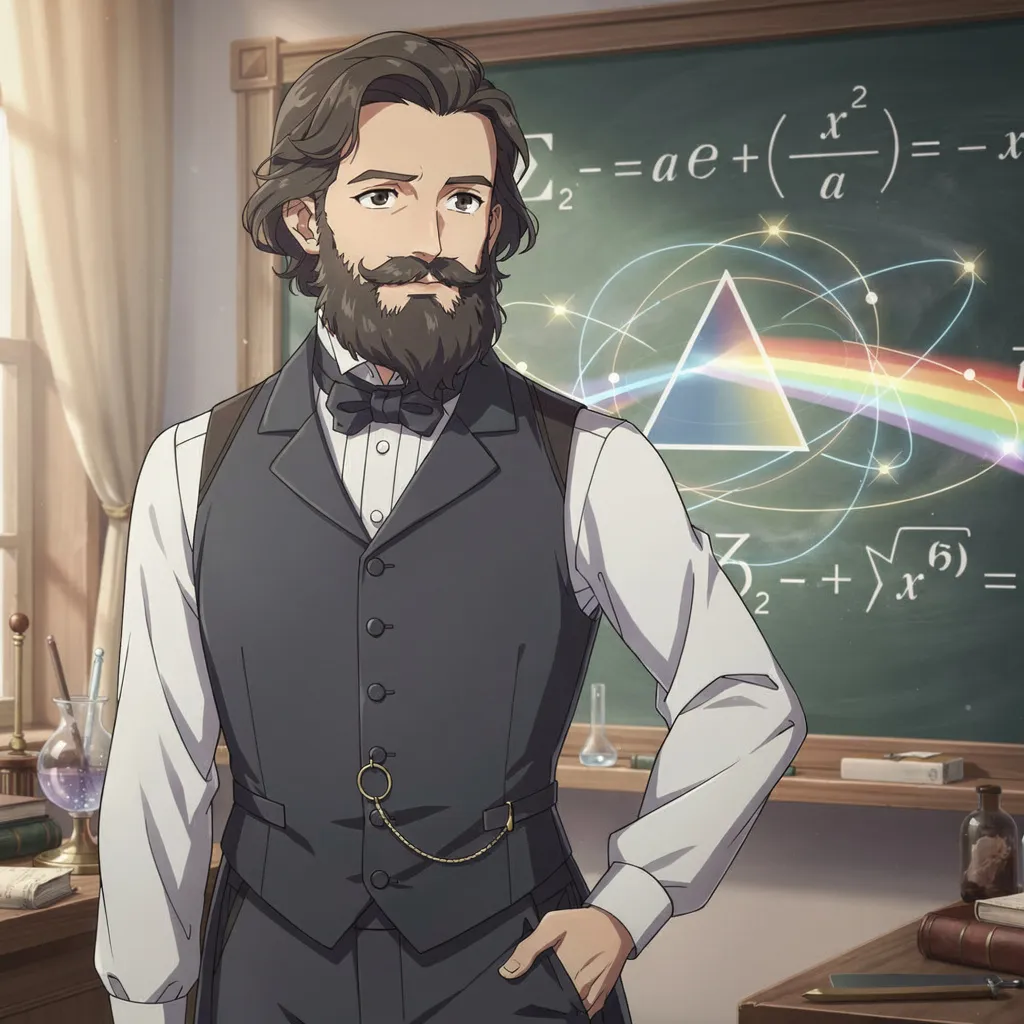
He helped explain electricity, magnetism, and light, showing they are all connected.
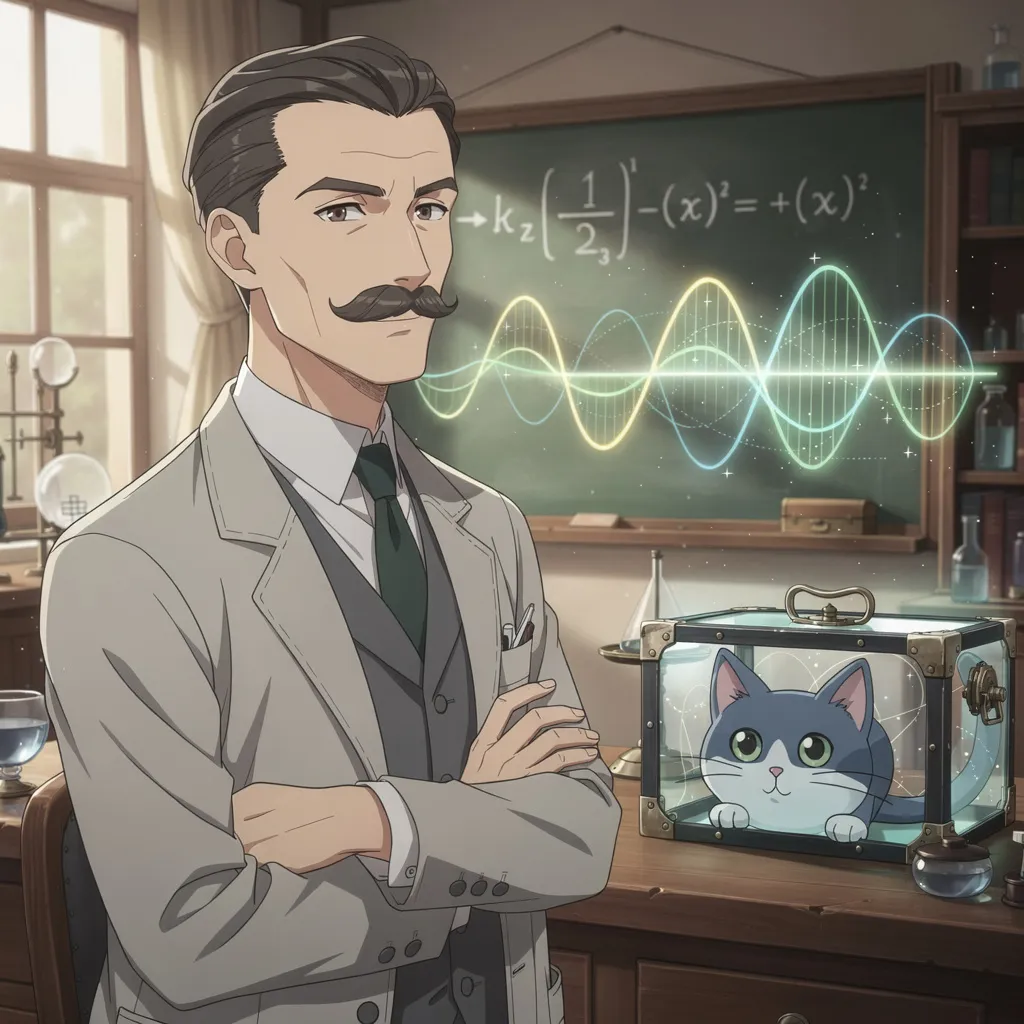
He helped create quantum physics and is famous for the thought experiment called Schrödinger’s Cat.
Explore inspiring lives across science, art, history, music, and more.