

Helping create quantum mechanics and discovering the Uncertainty Principle
Helping create quantum mechanics and discovering the Uncertainty Principle
Werner Heisenberg was born in 1901 in Würzburg, Germany. As a child, he loved learning and was especially good at math and music. He enjoyed solving puzzles and asking big questions about how the world works.
When Werner was a teenager, science was changing very fast. New discoveries were being made about tiny particles that are too small to see. This exciting time helped spark his interest in physics.
Werner studied physics at the University of Munich. He worked very hard and learned from famous teachers who encouraged him to think in new ways. Even as a young student, he showed great talent and creativity.
He believed that asking good questions was just as important as finding answers. This idea guided him throughout his life as a scientist.
Werner Heisenberg is best known for helping create a new kind of science called quantum mechanics. This science explains how very tiny things, like atoms, behave.
One of his most famous ideas is the Uncertainty Principle. It says that we cannot know everything about a tiny particle at the same time, like its exact position and speed. This was a surprising idea that changed how scientists think about nature.
In 1932, Werner won the Nobel Prize in Physics for his important discoveries. This is one of the highest honors a scientist can receive.
Werner also loved teaching. He worked as a professor and helped train many young scientists. He believed that sharing knowledge was an important part of being a scientist.
Werner Heisenberg’s work is still used today in science and technology. His ideas help scientists understand the universe, from tiny particles to large systems.
He is remembered as a curious thinker who was not afraid to explore the unknown. His life shows how asking questions can lead to amazing discoveries.
Werner Heisenberg was also a talented piano player.
He made some of his biggest discoveries while he was still in his twenties.
The Uncertainty Principle is one of the most famous ideas in modern science.
He enjoyed hiking and spending time in nature to think about problems.
2 min read · Developing-reader friendly
Open a word for a short explanation.
A word used in physics for the behavior of matter and energy at very small scales.
Think of an answer, then open each card to check.
Helping create quantum mechanics and discovering the Uncertainty Principle
1901–1976
German
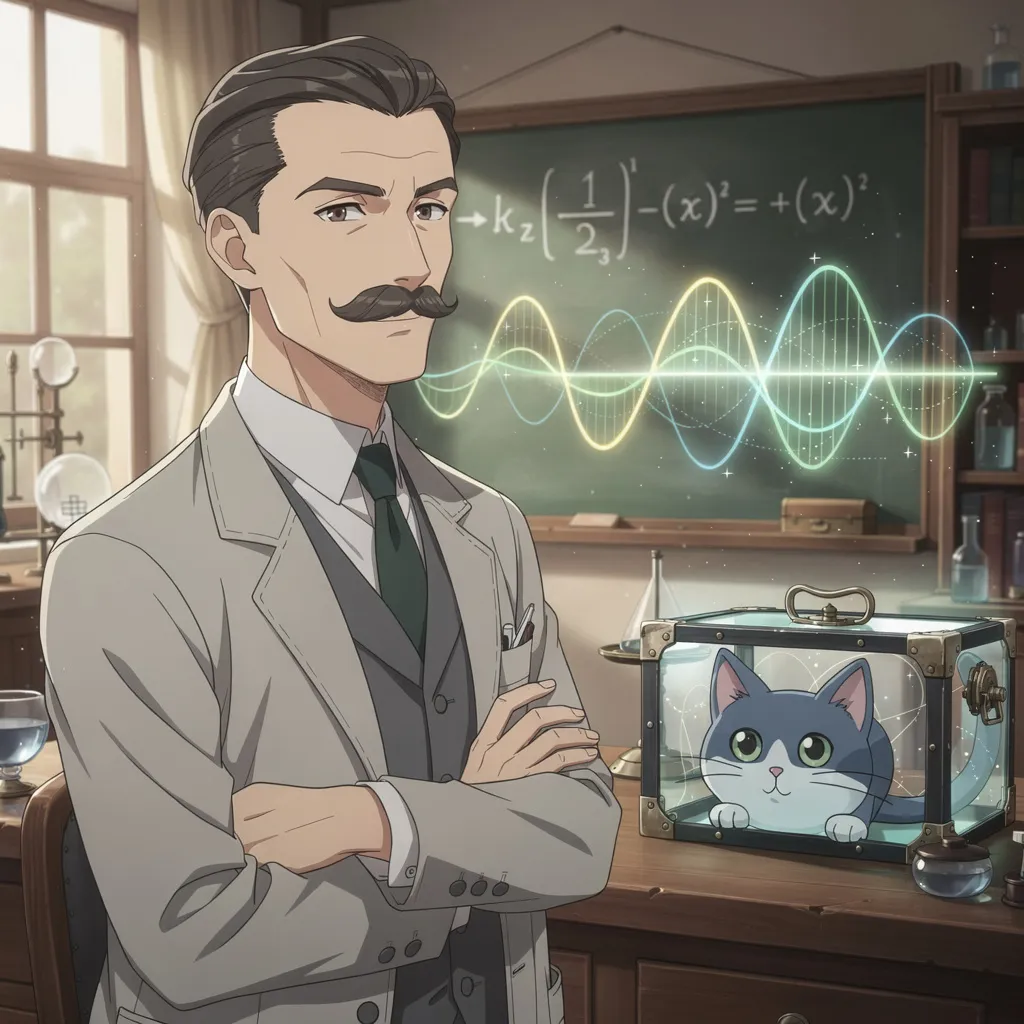
He helped create quantum physics and is famous for the thought experiment called Schrödinger’s Cat.
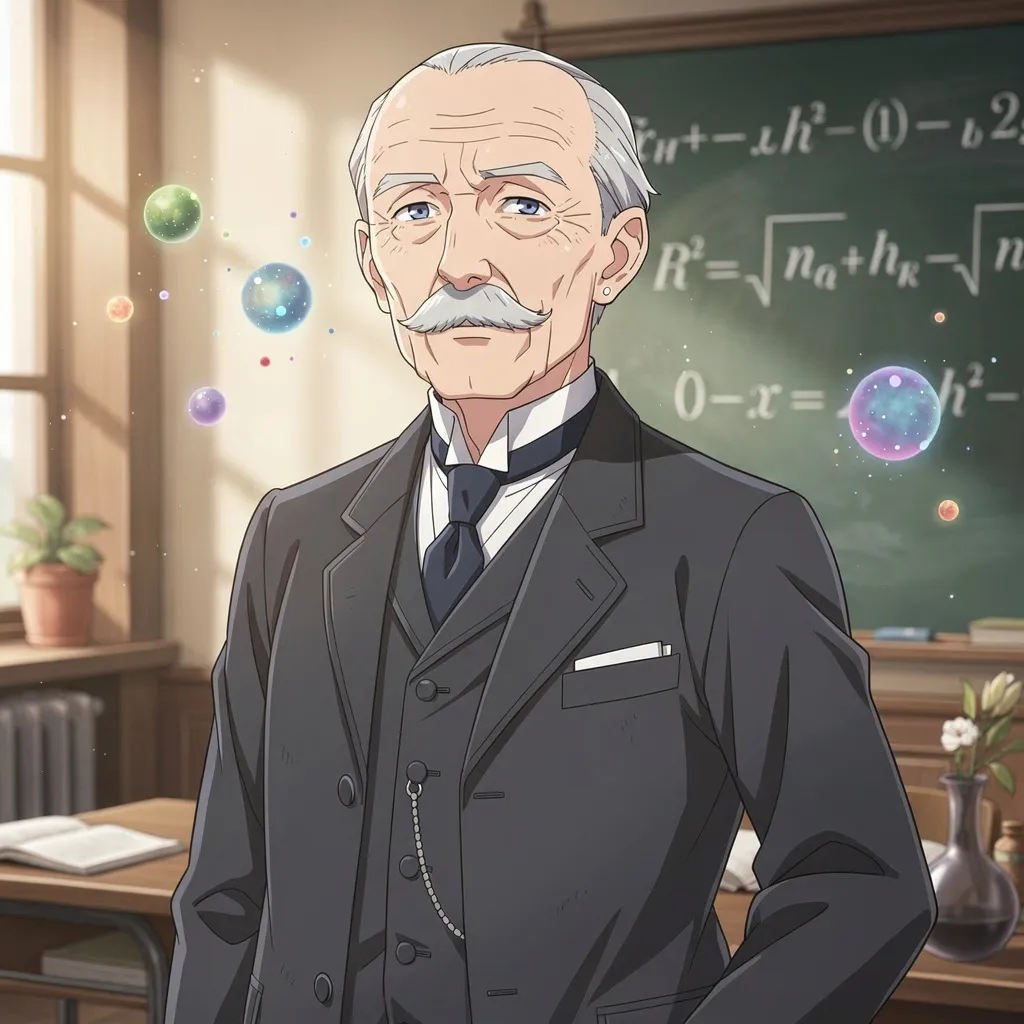
Helping start quantum theory, which explains how very tiny things like atoms behave.
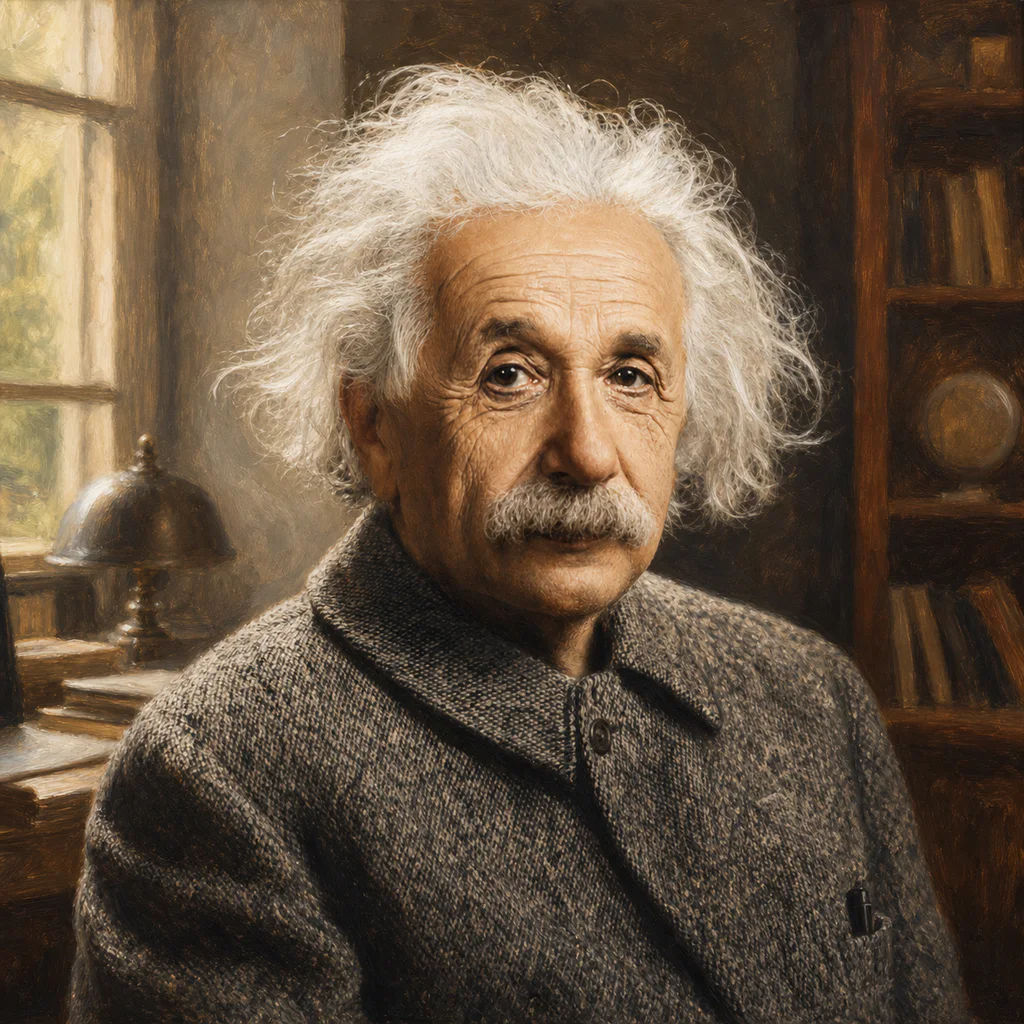
He was a brilliant scientist who helped us understand space, time, and light.
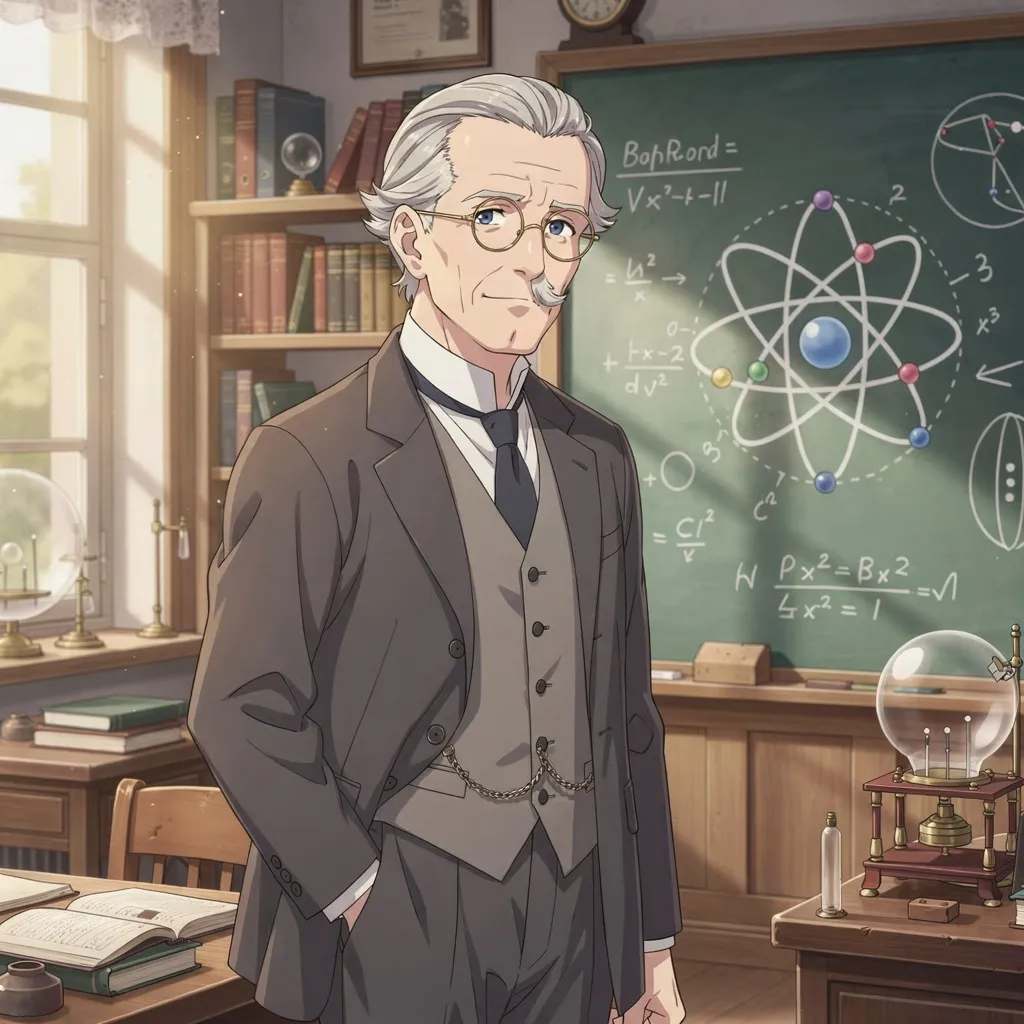
Helping us understand how atoms work and shaping modern physics
Helping create quantum physics and predicting the existence of antimatter
Discovering the structure of the atom and being known as the father of nuclear physics
Explore inspiring lives across science, art, history, music, and more.