
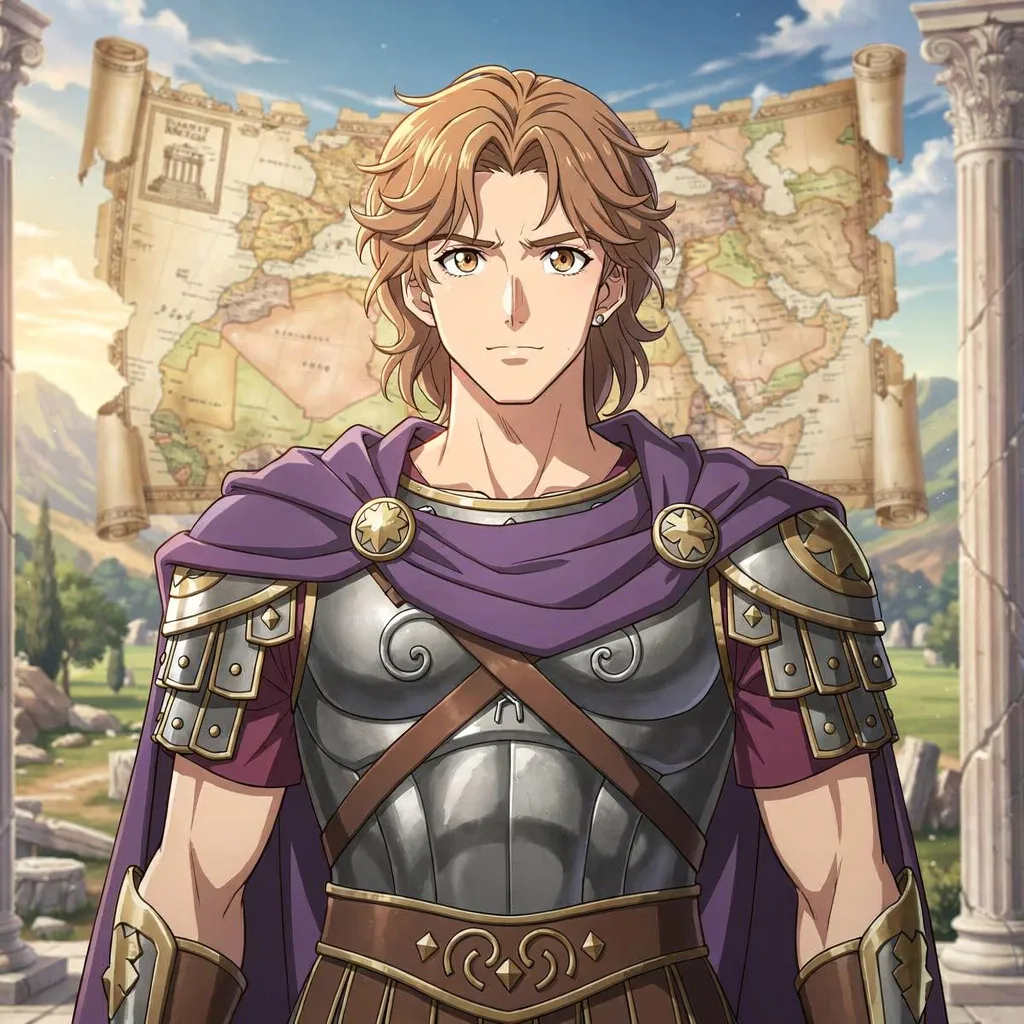
Building one of the largest empires in ancient history and spreading Greek culture across many lands
Building one of the largest empires in ancient history and spreading Greek culture across many lands
Alexander the Great was born in 356 BCE in Macedonia, part of the ancient Greek world. His father was King Philip II, and his mother was Queen Olympias. Alexander had a famous teacher named Aristotle, one of the greatest thinkers in history, who taught him about science, philosophy, and nature.
When Alexander was only 20 years old, he became king. Even though he was young, he showed strong leadership and inspired people with big goals. He was interested in exploring new places and learning about different cultures as he expanded his rule.
Alexander traveled with his army across Europe, Asia, and Africa. Along the way, he founded many cities, including Alexandria in Egypt. These cities became centers of learning and trade. He encouraged people to share ideas and traditions, which helped Greek culture spread far and wide. This mixing of cultures was an achievement admired by later leaders like Julius Caesar.
Alexander carried books with him wherever he went. One of his favorite stories was The Iliad, an ancient Greek epic poem. He believed heroes should be brave but also wise. He respected teachers and often brought scholars along on his journeys.
Alexander the Great died in 323 BCE when he was only 32 years old. Even though his life was short, his impact lasted for hundreds of years. His reputation as a powerful ruler is shared with other historical figures like Akbar the Great. Today, he is remembered as a unifier and builder of one of the largest empires in history.
Alexander became king when he was just 20 years old.
He was taught by Aristotle, one of the most famous teachers in history.
Many cities around the world were named Alexandria.
He loved reading and carried books on his travels.
His horse, Bucephalus, was so famous that a city was named after him.
2 min read · Independent-reader guide
Open a word for a short explanation.
A group of lands or peoples ruled by one government or leader.
The study of big questions about knowledge, values, and existence.
Think of an answer, then open each card to check.
Building one of the largest empires in ancient history and spreading Greek culture across many lands
356 BCE – 323 BCE
Macedonian (Ancient Greek world)
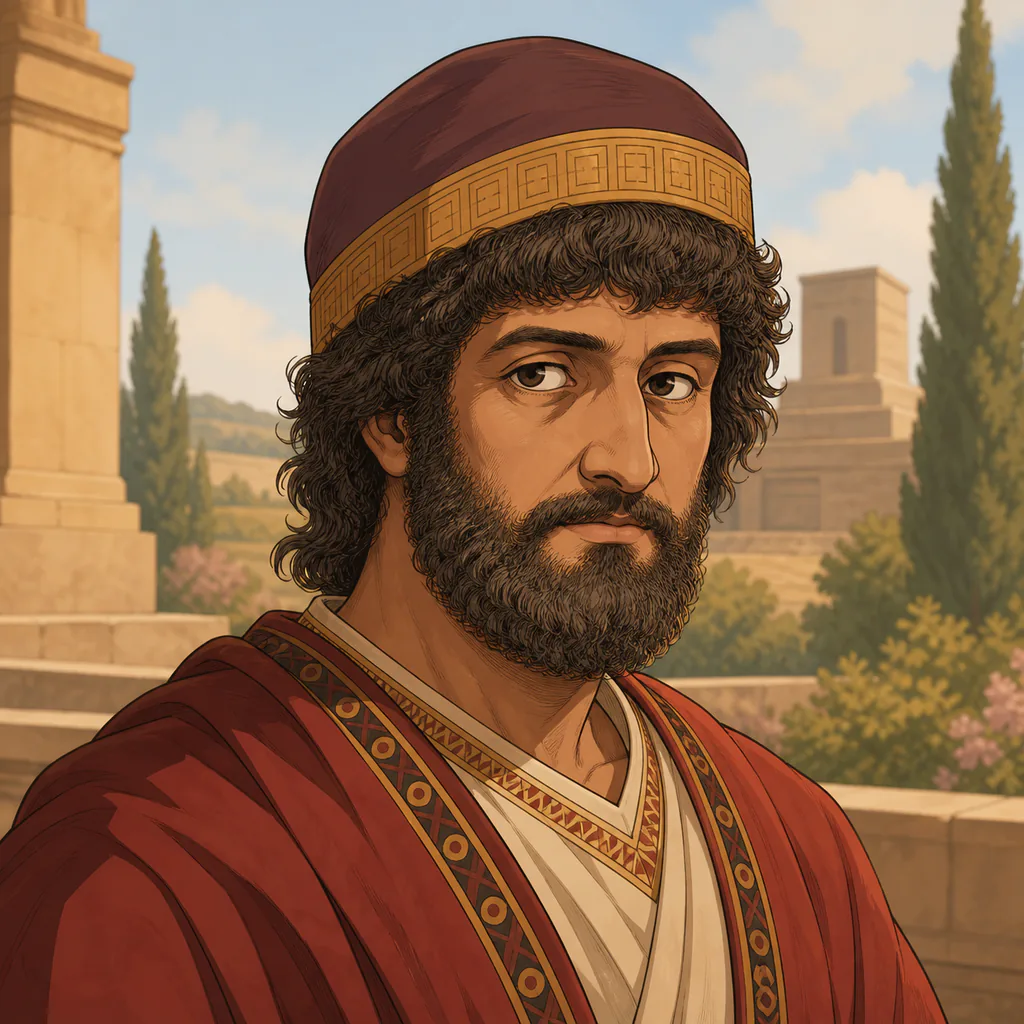
Founding the Persian Empire and being known as a fair and respectful ruler
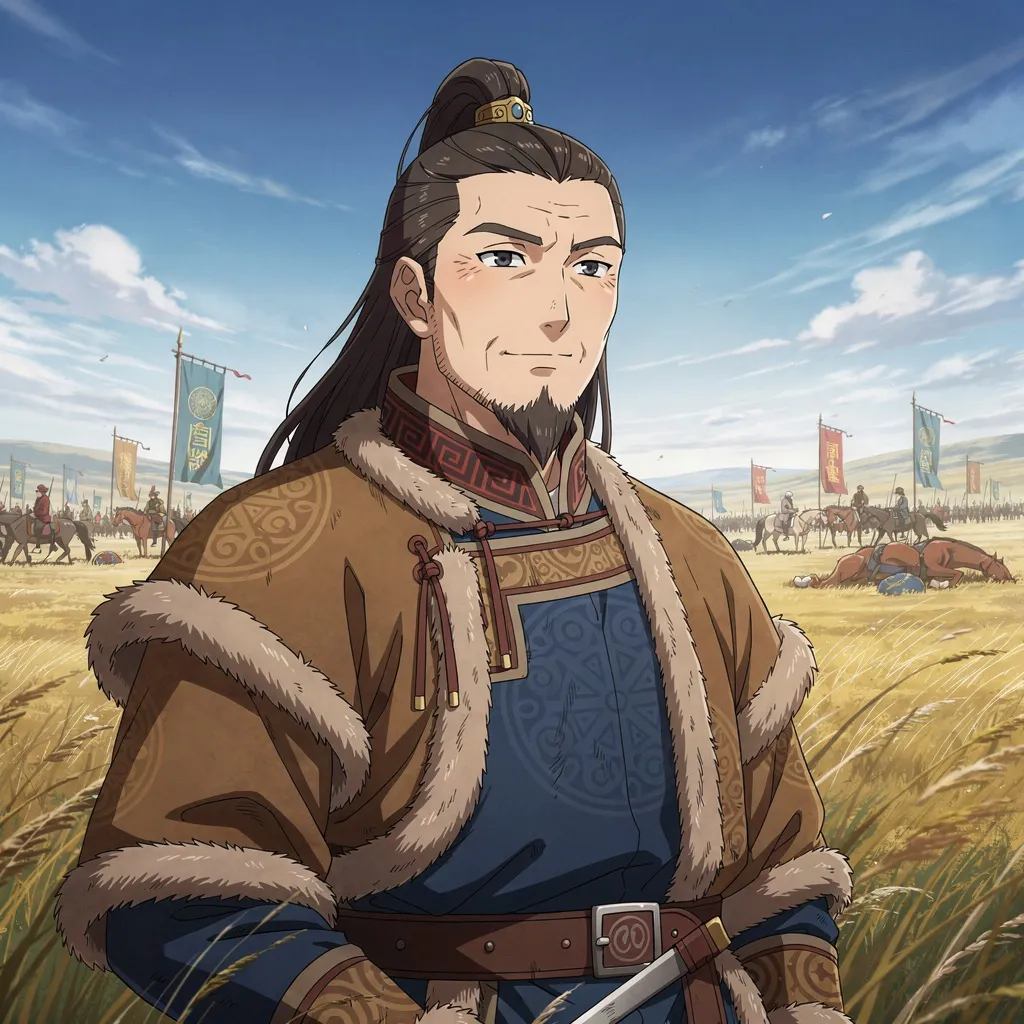
Founding the Mongol Empire and uniting many nomadic tribes into one strong nation
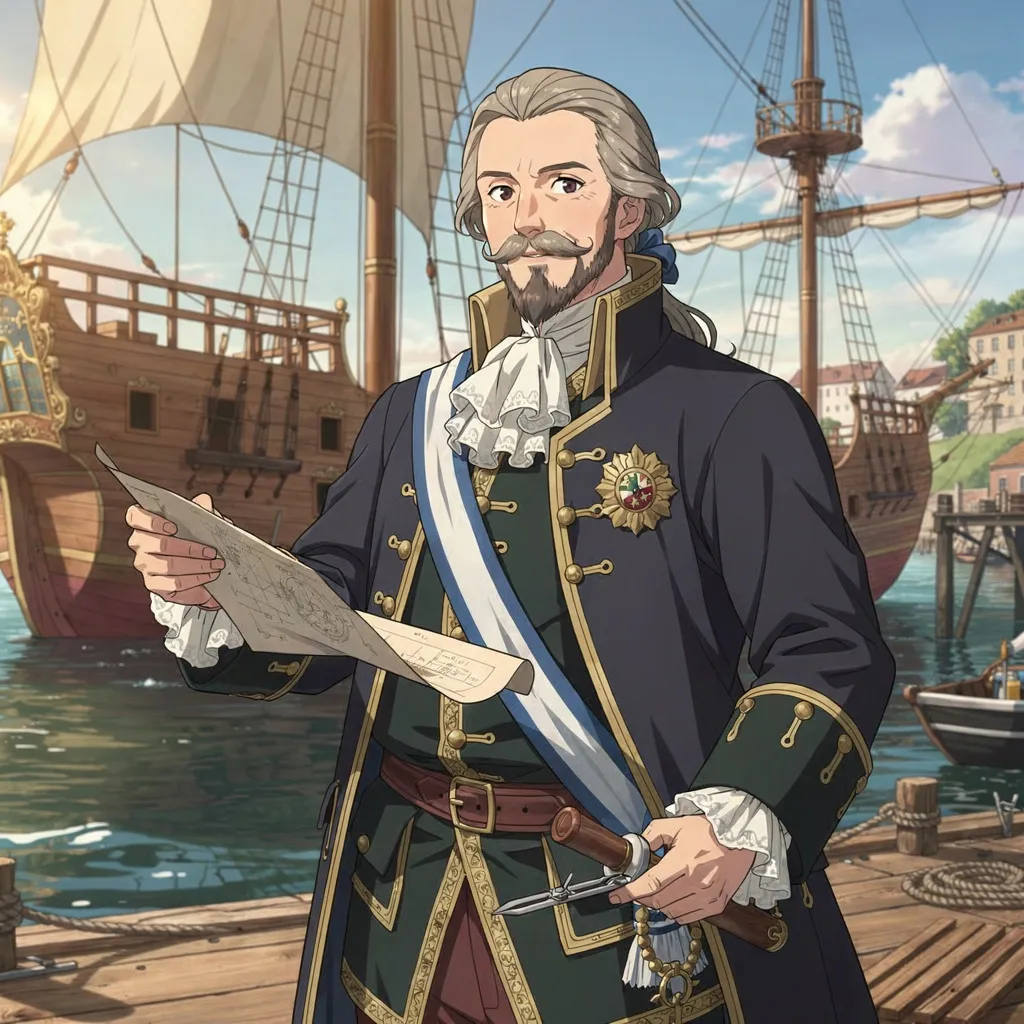
Modernizing Russia and helping it grow into a strong European nation
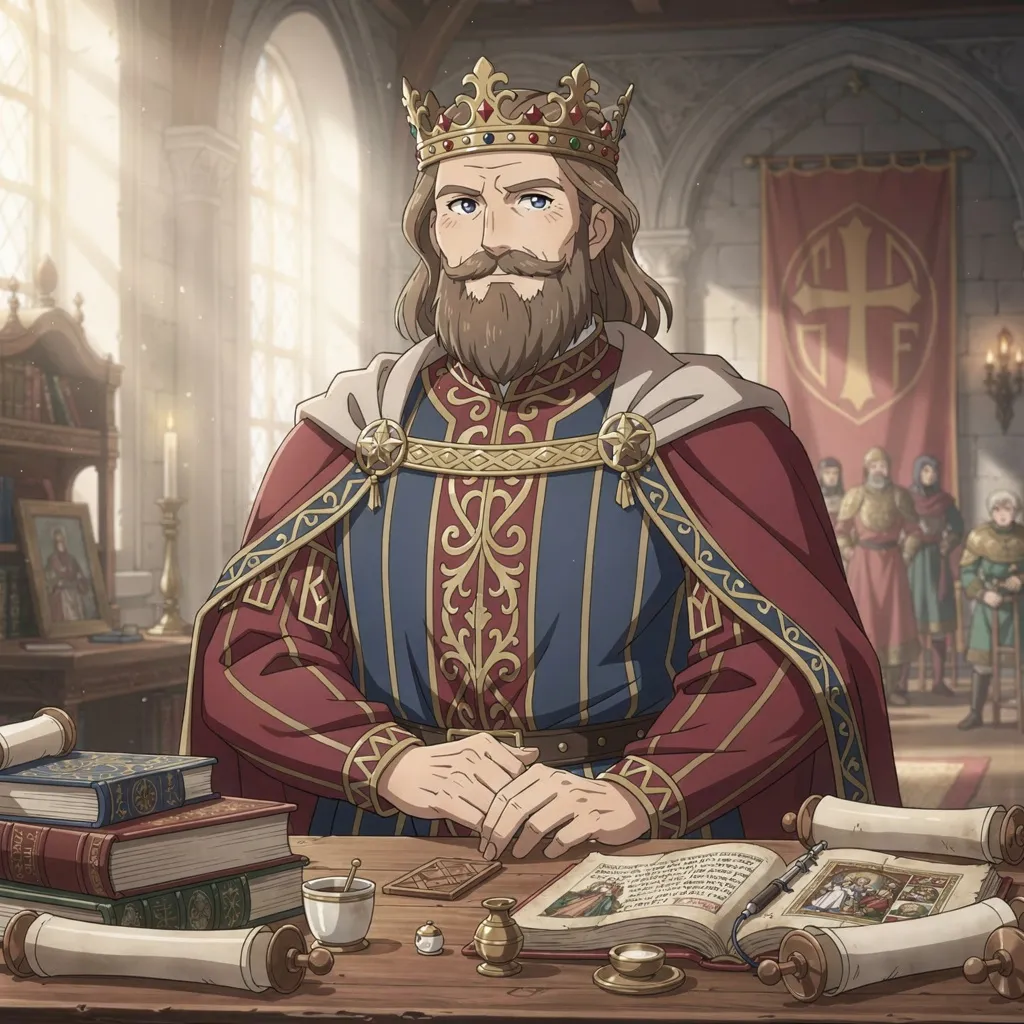
A great king who united much of Europe and helped learning and culture grow.
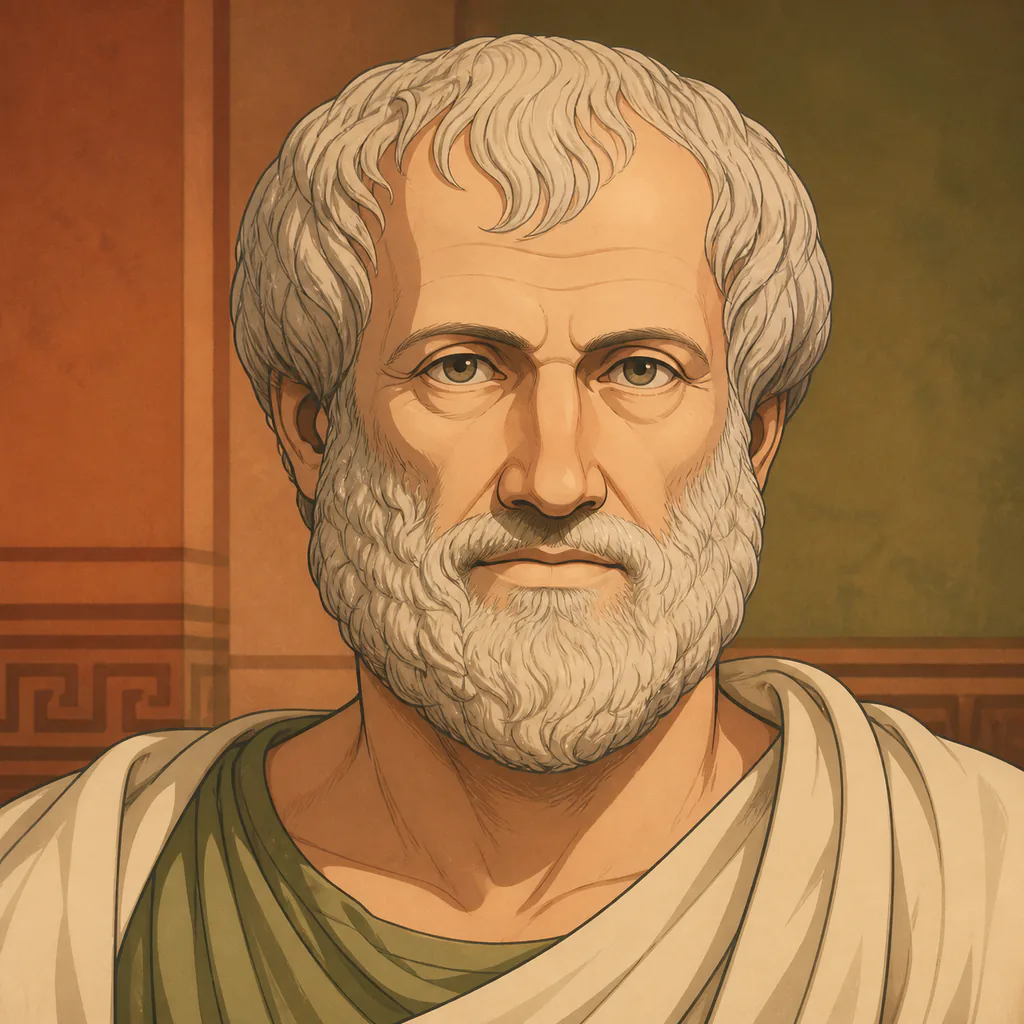
Being one of the greatest thinkers in history and teaching people how to learn through careful thinking and observation.
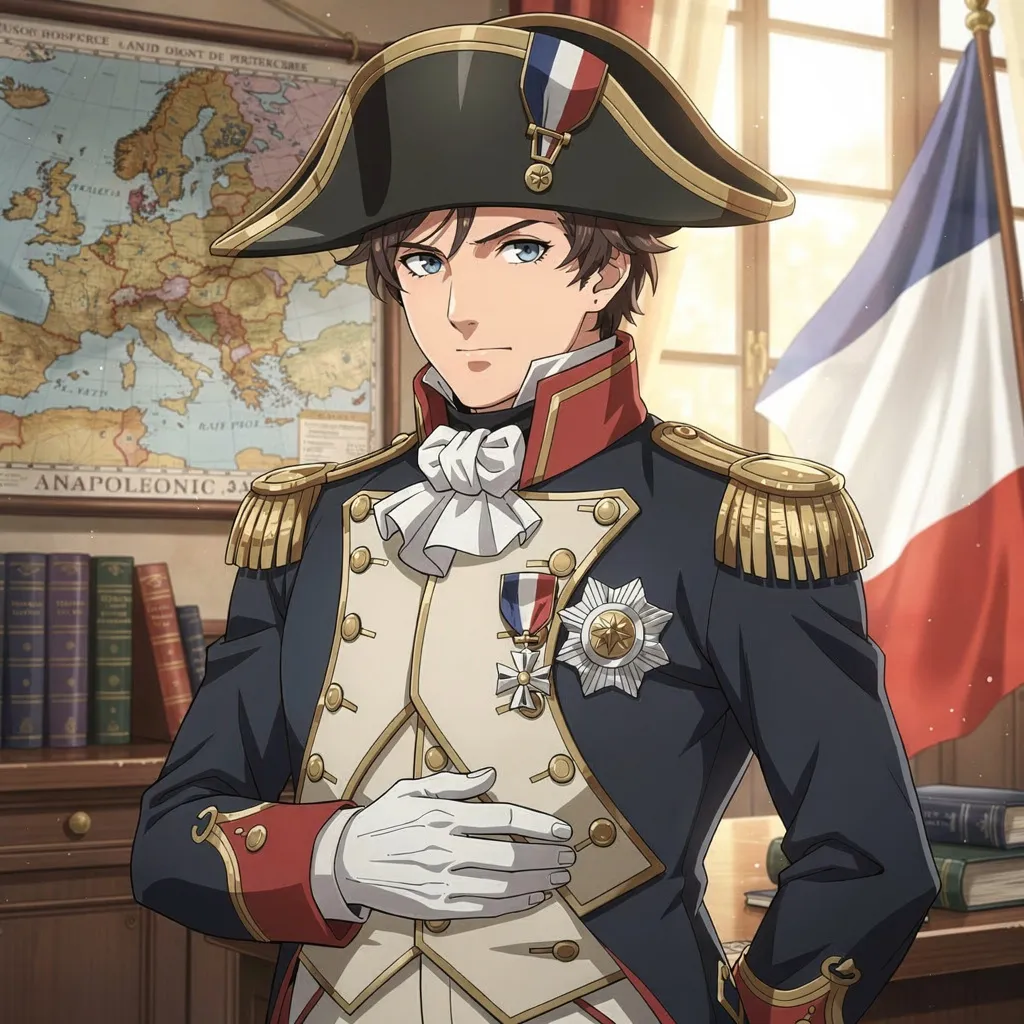
A famous French leader who became emperor and changed Europe with new laws and ideas
Explore inspiring lives across science, art, history, music, and more.