
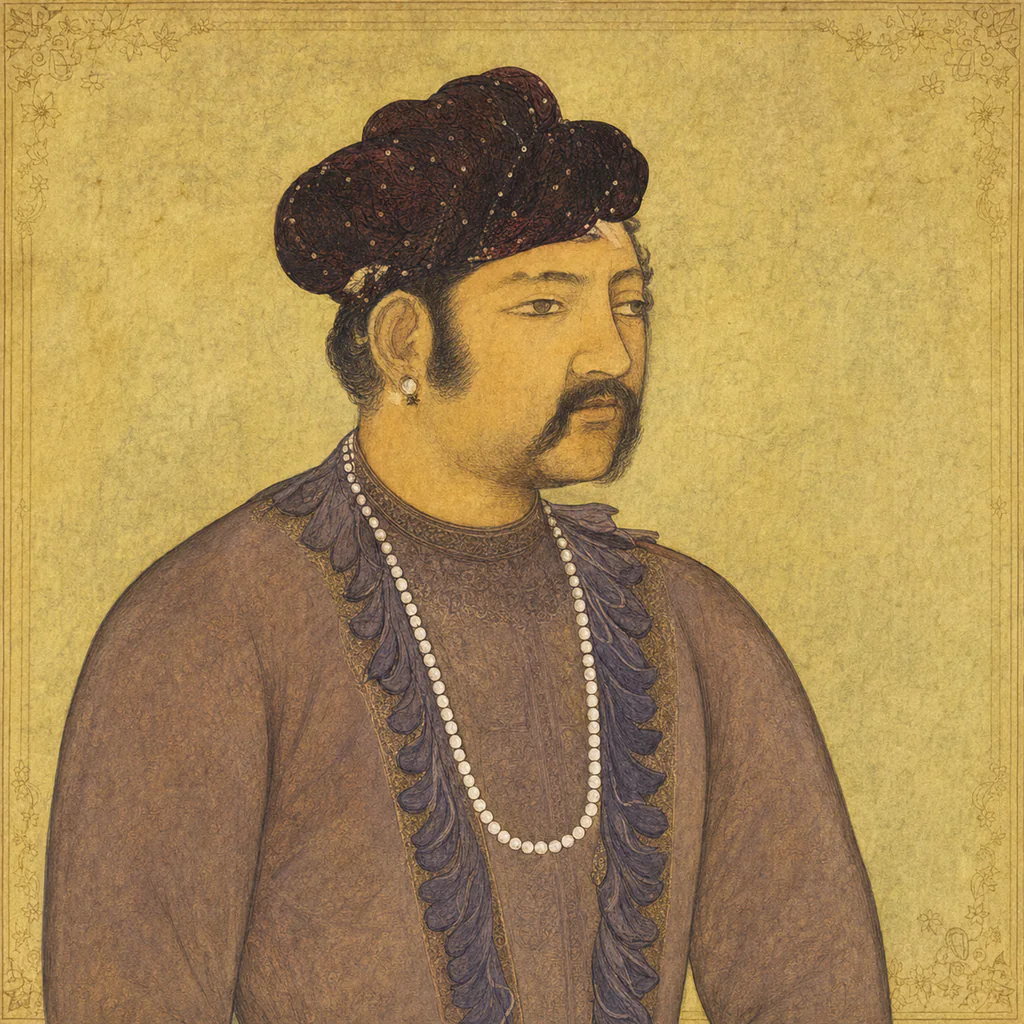
A powerful and wise emperor who helped unite much of South Asia and encouraged fairness, learning, and cooperation.
A powerful and wise emperor who helped unite much of South Asia and encouraged fairness, learning, and cooperation.
Jalal al-Din Muhammad Akbar was born on October 15, 1542, at Umarkot, while his father Humayun was living in exile. Humayun later recovered the Mughal throne but died in 1556. Akbar became emperor at 13, with the experienced commander Bairam Khan acting as regent. Mughal forces soon defeated a rival army led by Hemu at the Second Battle of Panipat.
By 1560, Akbar was ruling directly. Over the next four decades, warfare, diplomacy, and marriage alliances expanded Mughal power across much of northern and central India. Some Rajput rulers joined the empire and held high office; others resisted. The 1568 conquest of Chittor was especially violent. Calling Akbar a unifier should not hide the deaths and loss that accompanied imperial conquest.
Akbar built a system in which ranked officials, called mansabdars, supplied service and troops. Revenue reforms measured land and estimated crops so taxes could be assessed more regularly. Raja Todar Mal is closely associated with this work. The system was not equal for everyone, but it helped the government manage many regions, languages, and local traditions.
Akbar included Hindu Rajputs and people from different backgrounds among senior officials. He ended a tax on Hindu pilgrims in 1563 and the jizya tax on non-Muslims in 1564. These choices were practical as well as idealistic: cooperation strengthened the empire.
Akbar could not read or write, but he listened closely to books and maintained a major library. At Fatehpur Sikri, he invited Muslim scholars, Hindus, Jains, Christians, and Zoroastrians to debate belief and government. His principle of sulh-i kul, often translated as universal peace, encouraged tolerance under imperial rule. The small ethical fellowship later called Din-i Ilahi was never a mass new religion.
He also established the planned court city of Fatehpur Sikri near Agra, though the imperial household moved away after only a few years. Its surviving buildings show how architecture served ceremony, administration, and debate.
Court workshops produced richly detailed paintings and illustrated manuscripts. Teams translated works such as the Mahabharata into Persian, helping ideas travel between communities.
Akbar died in Agra on October 27, 1605, and his son Jahangir succeeded him. He is remembered for durable administration, religious discussion, and artistic patronage, but also for building an empire through force. Holding those facts together gives a more accurate picture than describing him only as kind or only as a conqueror.
Akbar became Mughal emperor in 1556 when he was 13 years old.
He did not learn to read or write, but he listened to books and maintained a large library.
Akbar invited scholars from several religions to debate at Fatehpur Sikri.
Court teams translated the Mahabharata from Sanskrit into Persian during his reign.
The principle called sulh-i kul encouraged peace among the empire's different communities.
3 min read · Independent-reader guide
Open a word for a short explanation.
A group of lands or peoples ruled by one government or leader.
Think of an answer, then open each card to check.
A powerful and wise emperor who helped unite much of South Asia and encouraged fairness, learning, and cooperation.
1542–1605
Mughal Empire (South Asia)
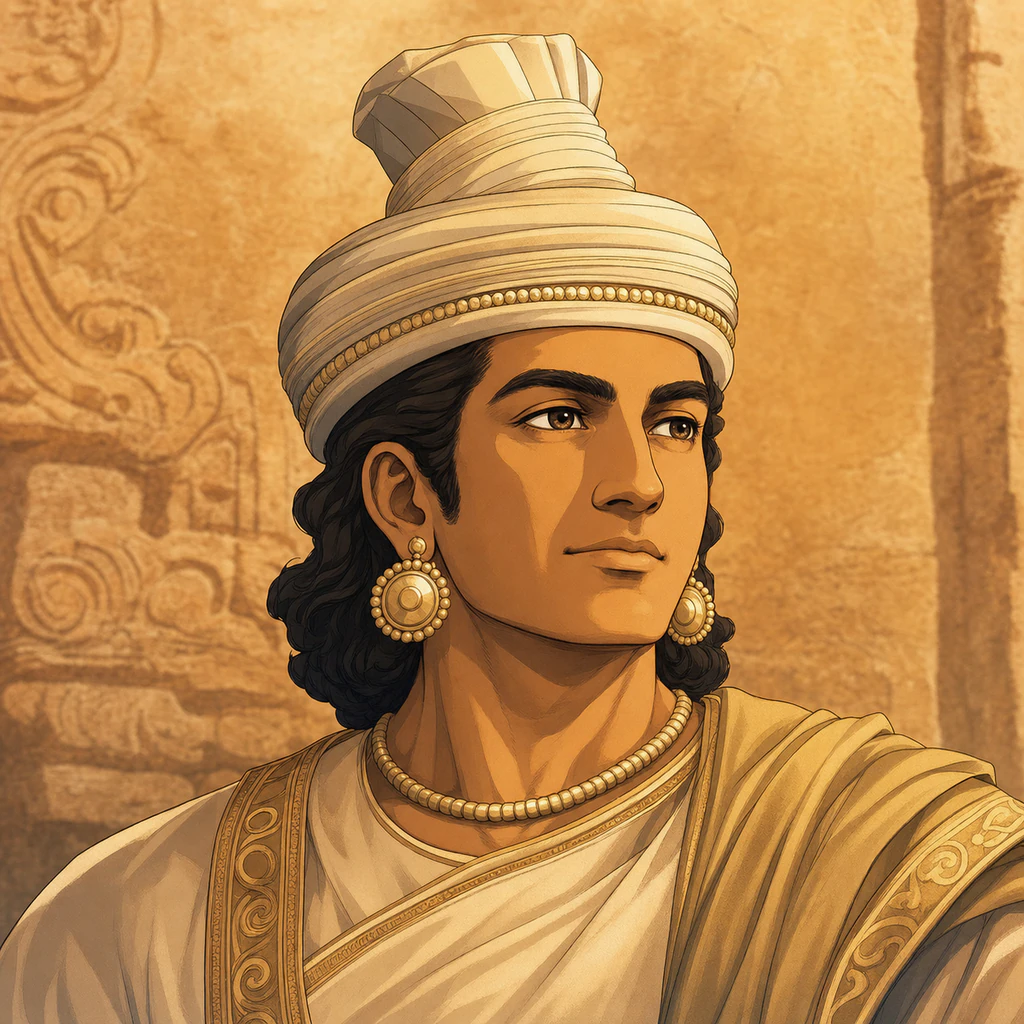
An Indian emperor who chose peace, kindness, and learning to guide his empire.
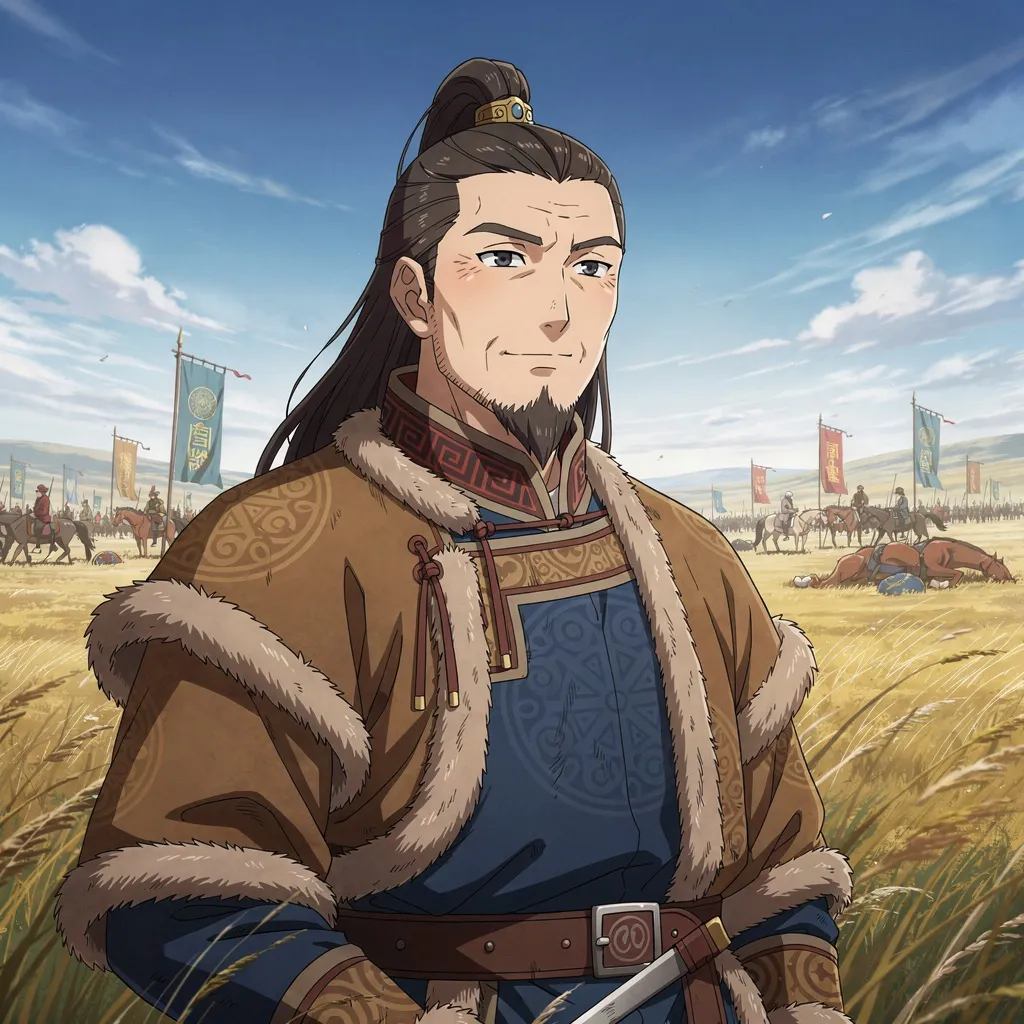
Founding the Mongol Empire and uniting many nomadic tribes into one strong nation
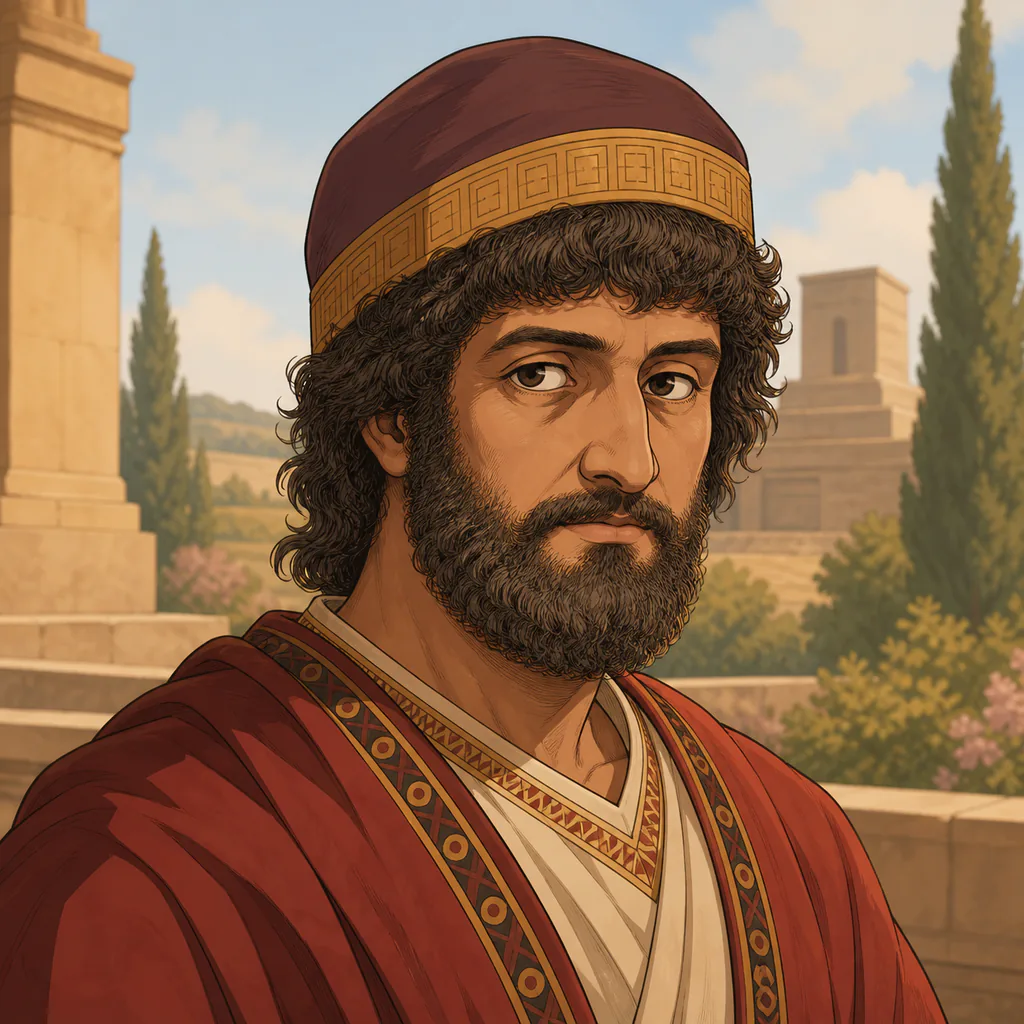
Founding the Persian Empire and being known as a fair and respectful ruler
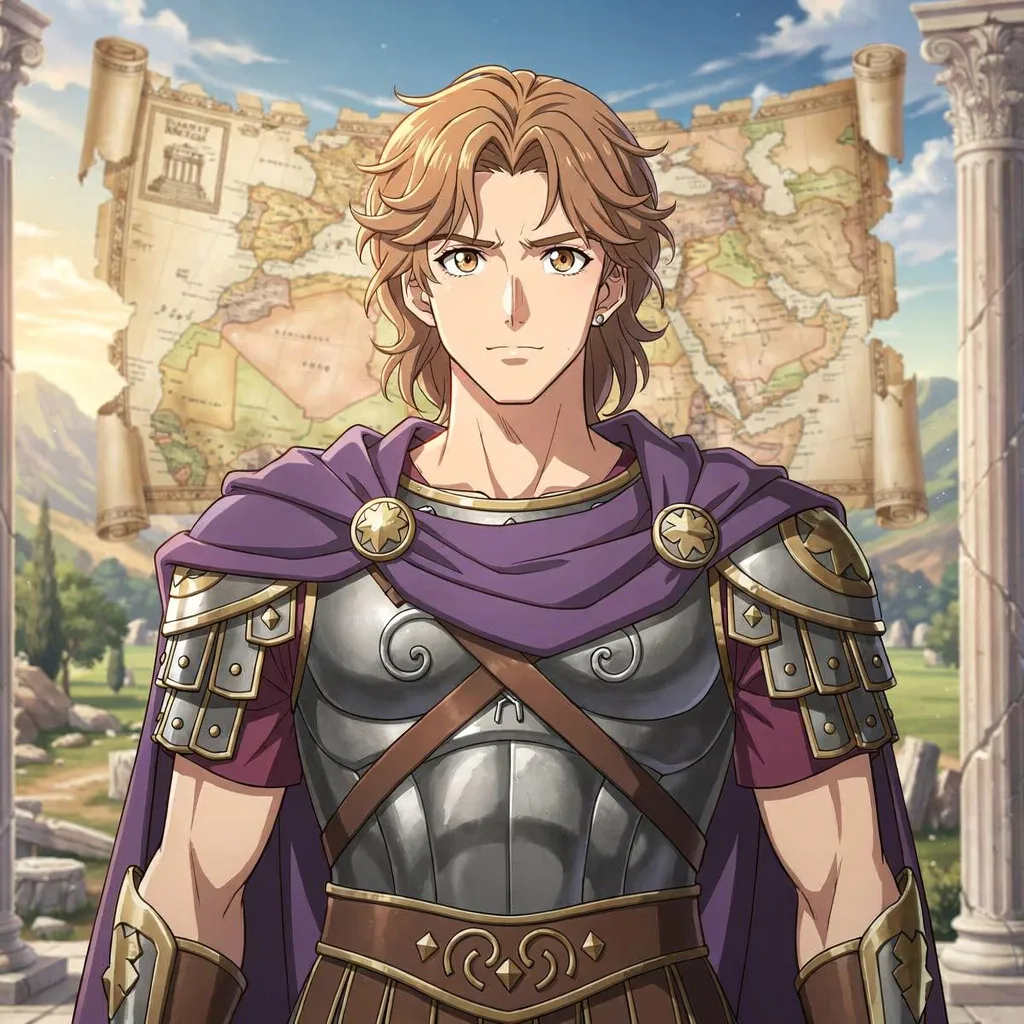
Building one of the largest empires in ancient history and spreading Greek culture across many lands
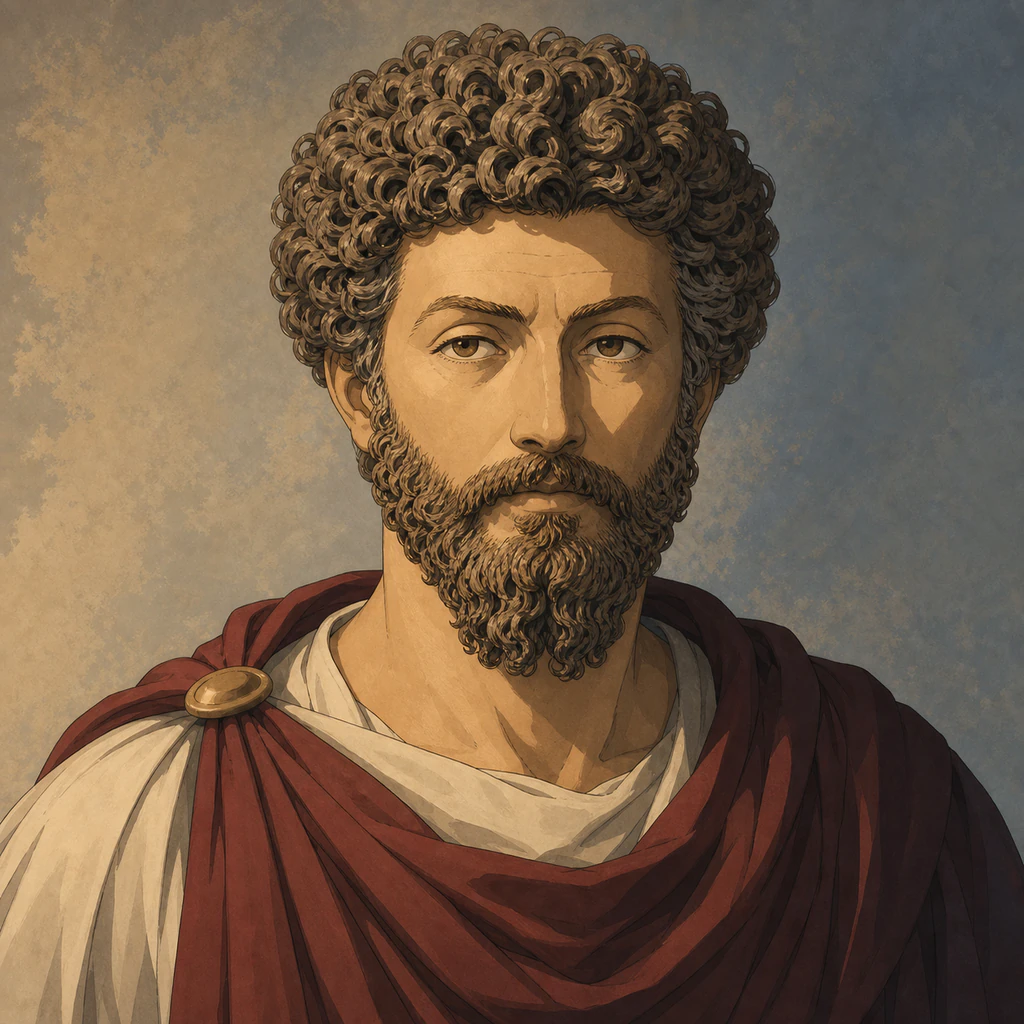
Being a Roman emperor who wrote wise thoughts about kindness, self-control, and doing the right thing.
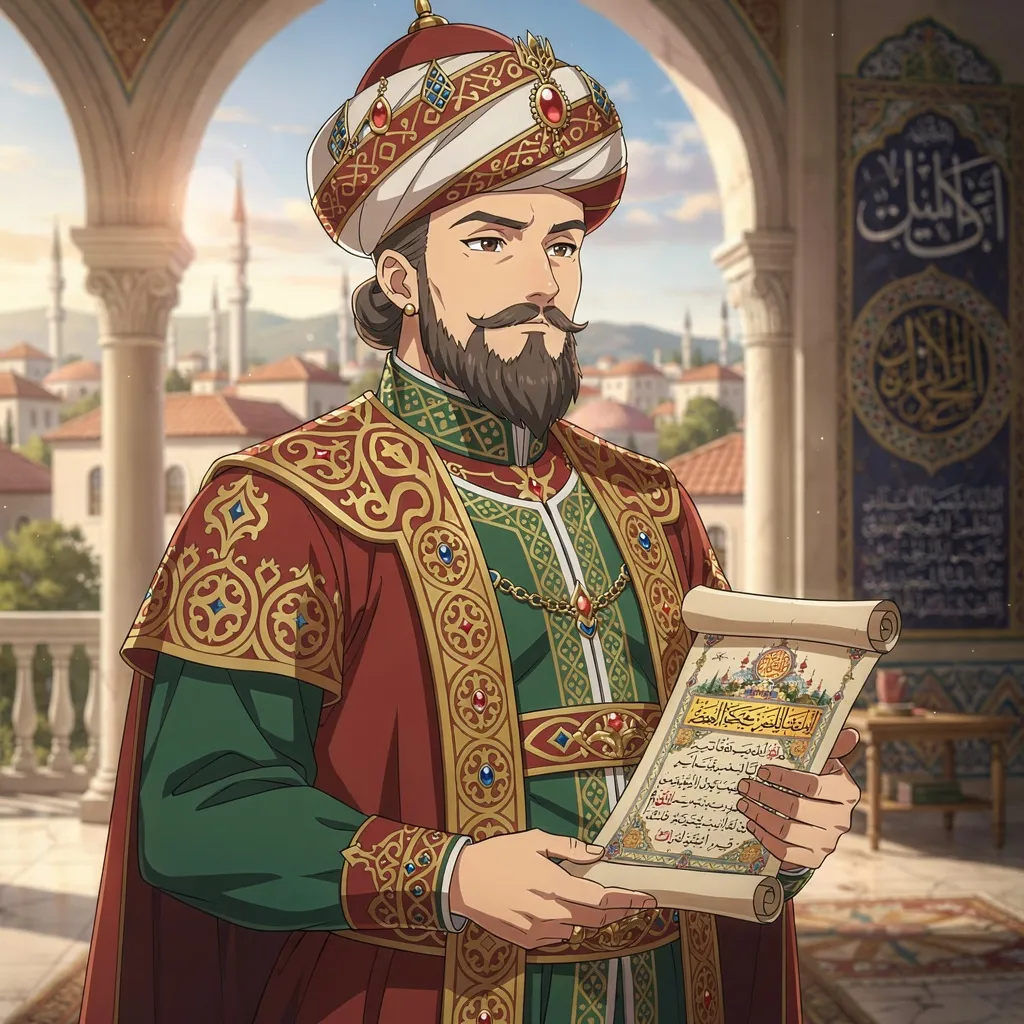
Being a powerful Ottoman ruler who improved laws, supported the arts, and helped his empire grow.
Explore inspiring lives across science, art, history, music, and more.