
01
Early Life
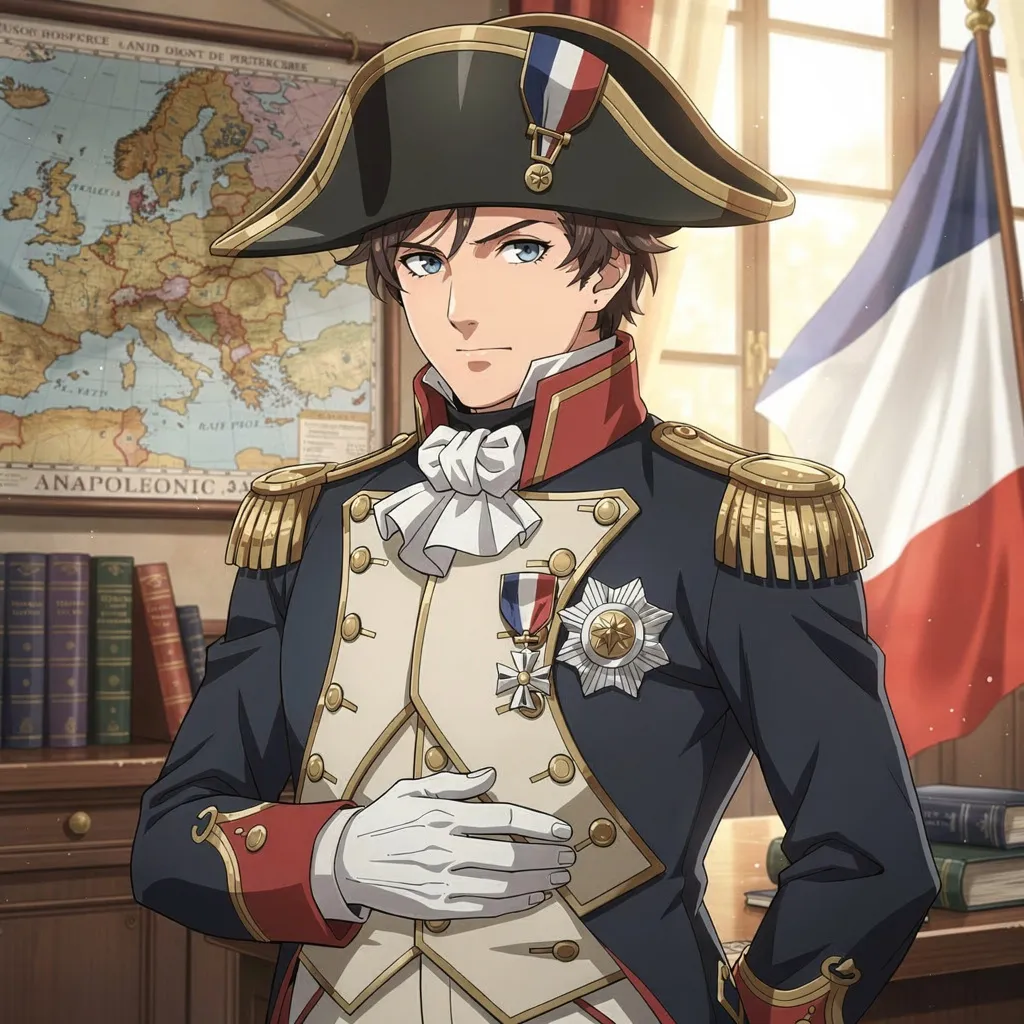
Napoleon Bonaparte was born in 1769 on the island of Corsica, which had recently become part of France.
A famous French leader who became emperor and changed Europe with new laws and ideas
A famous French leader who became emperor and changed Europe with new laws and ideas
Napoleon Bonaparte was born in 1769 on the island of Corsica, which had recently become part of France. His family was not very rich, but they believed strongly in education and hard work.
As a child, Napoleon loved reading and learning, especially about history and math. He was very serious and focused, and he dreamed of doing something important with his life.
Napoleon went to special schools in France where he studied to become an army officer. He was very good at planning and thinking ahead, which helped him stand out from other students.
Even though he was shorter than many people and had a strong accent, Napoleon did not give up. He believed that talent and effort mattered more than appearances.
During a time of big changes in France called the French Revolution, Napoleon became well known for his leadership skills. People noticed that he was calm, confident, and very organized.
In 1804, Napoleon became the Emperor of France. As emperor, he worked to make France stronger and more organized.
One of Napoleon’s greatest achievements was creating a set of fair laws called the Napoleonic Code. These laws helped make rules clearer and more equal for people, and some of them are still used today.
He also supported education, science, and building roads and bridges. Napoleon believed that smart ideas and learning could help a country grow.
After many years of leading France, Napoleon lost power and was sent away from France. He was first exiled to the island of Elba and later to a more distant island called Saint Helena.
Napoleon died in 1821, but his story did not end there.
Napoleon Bonaparte is remembered as one of the most famous leaders in history. Some people admire his intelligence and reforms, while others study his life to learn important lessons.
Today, Napoleon’s ideas about law and leadership are still discussed in schools around the world. His life shows how determination and learning can change history.
Napoleon loved reading books and often carried them with him.
Even though many people think he was very short, Napoleon was actually about average height for his time.
He was born on an island and later became emperor of a huge country.
Some laws Napoleon helped create are still used today.
Napoleon enjoyed strategy games like chess.
2 min read · Independent-reader guide
Open a word for a short explanation.
A major and often rapid change in government or society.
Think of an answer, then open each card to check.
A famous French leader who became emperor and changed Europe with new laws and ideas
1769-1821
French
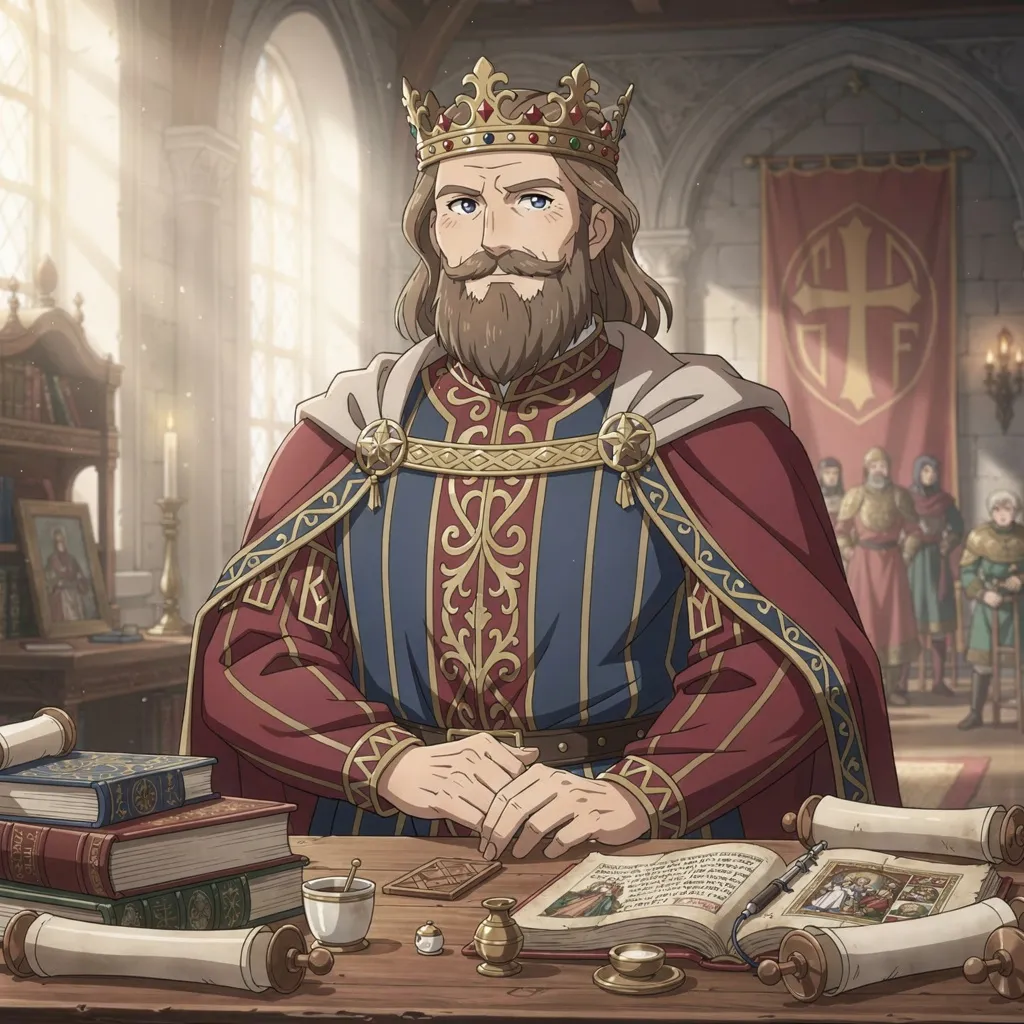
A great king who united much of Europe and helped learning and culture grow.
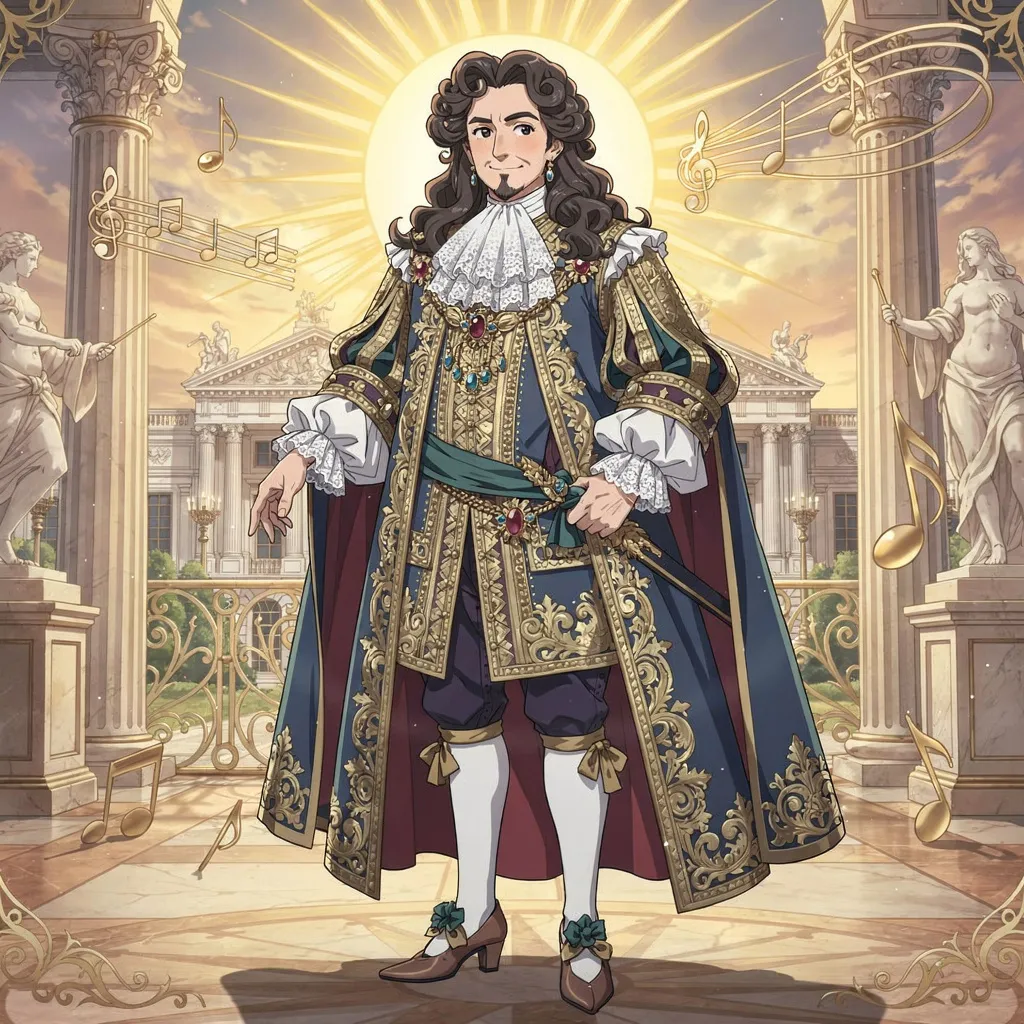
He was the long-reigning king of France known as the "Sun King" who helped make France a center of art and culture.
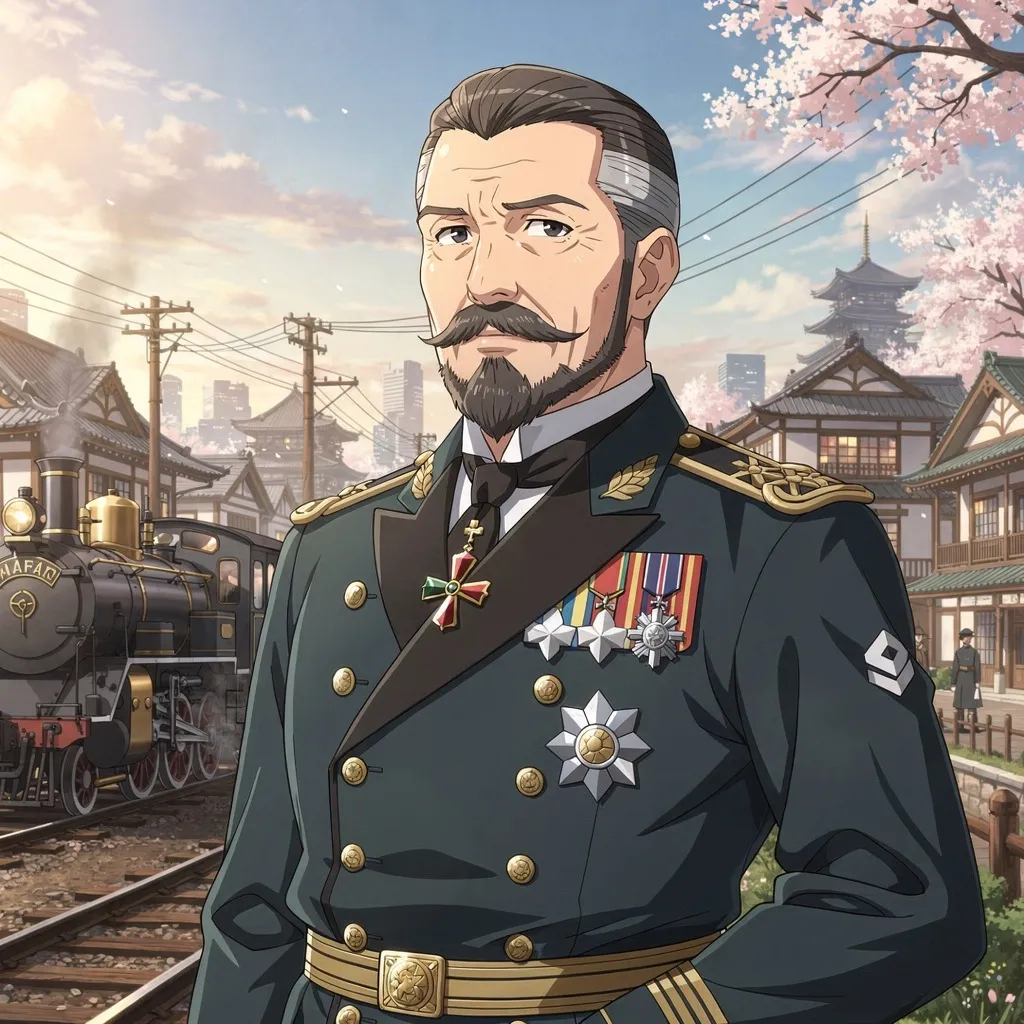
Leading Japan during a time of big change that helped modernize the country
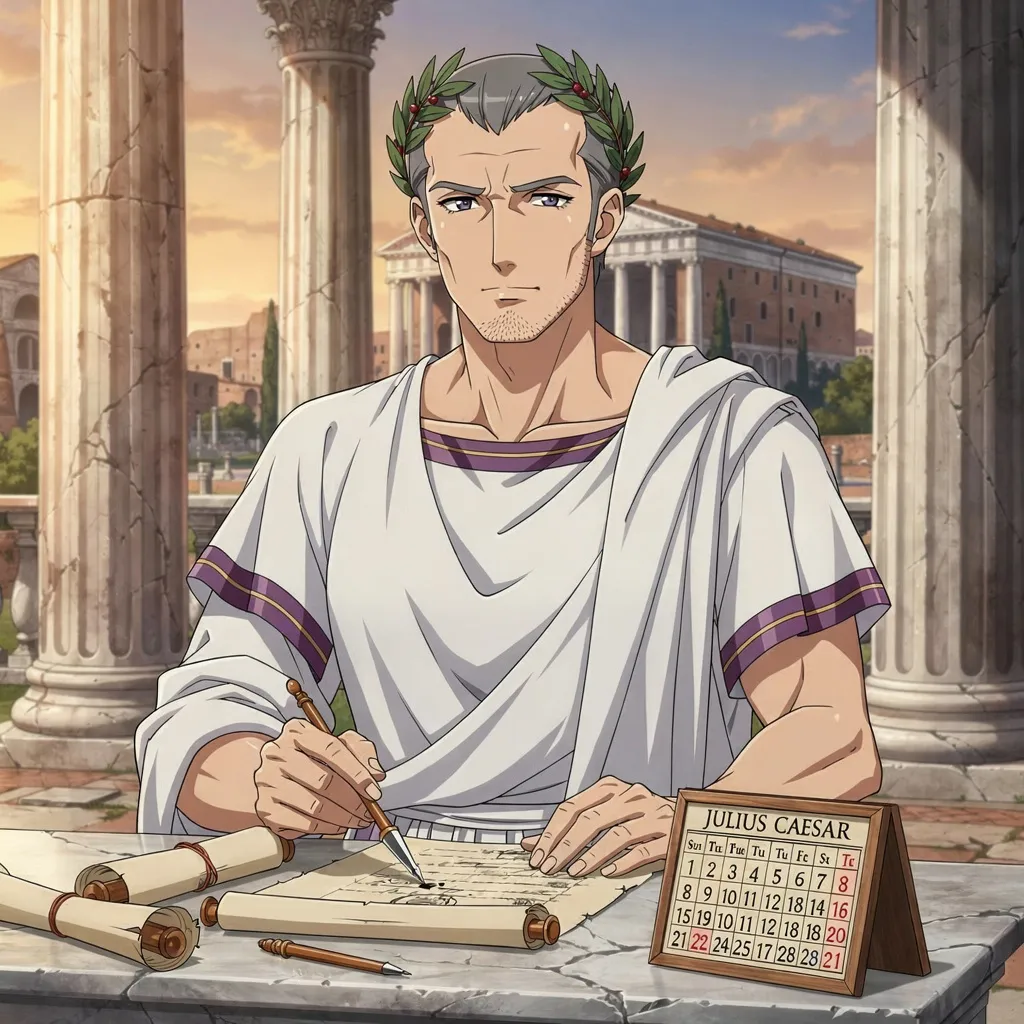
A famous Roman leader who helped shape the Roman Republic and improve the calendar we use today.
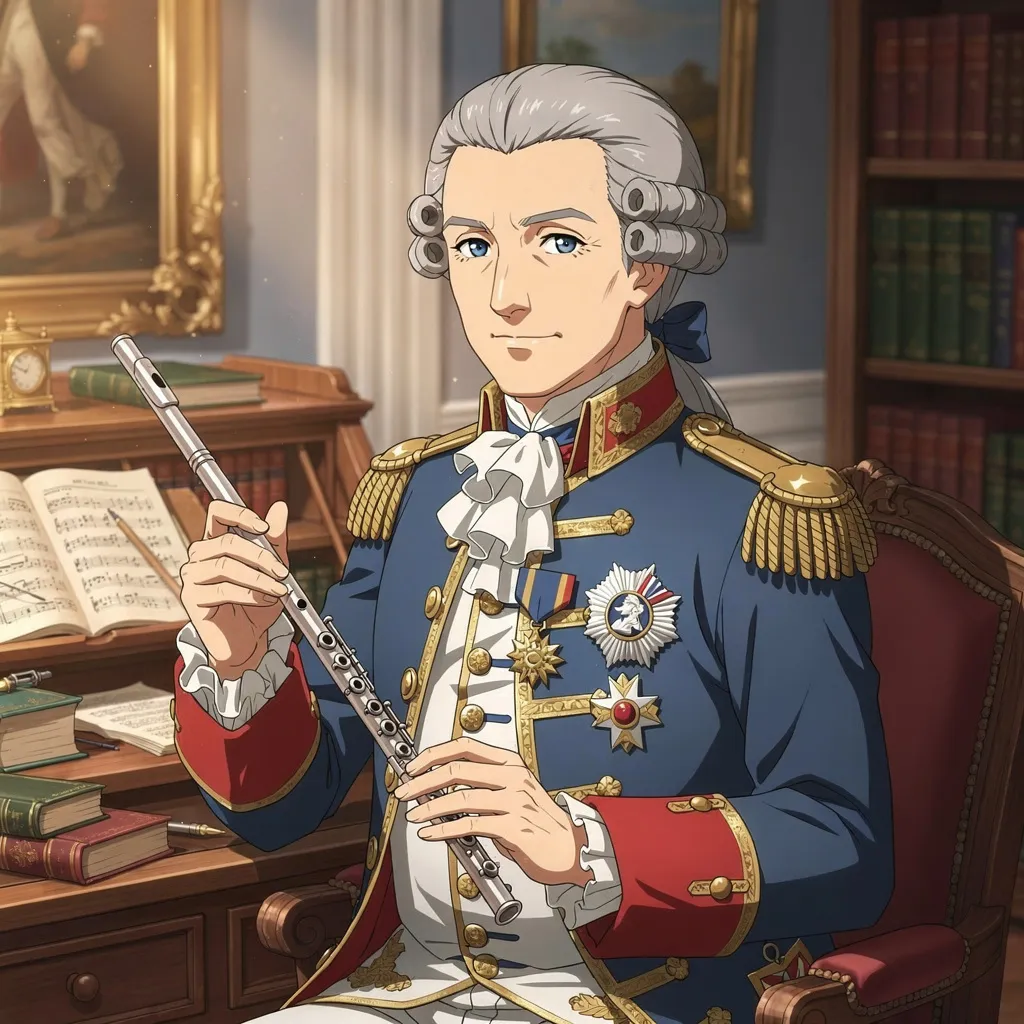
Being a Prussian king who loved learning, music, and improving his country.
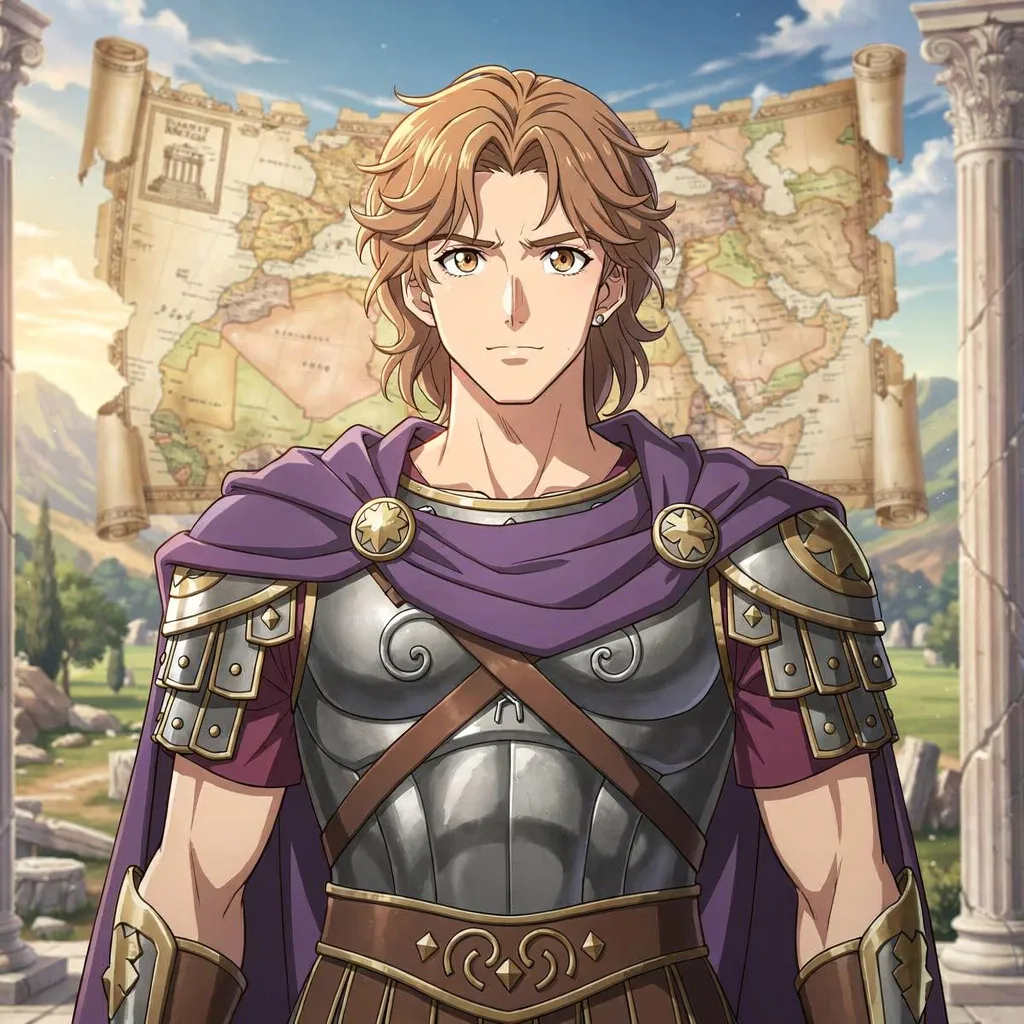
Building one of the largest empires in ancient history and spreading Greek culture across many lands
Explore inspiring lives across science, art, history, music, and more.