
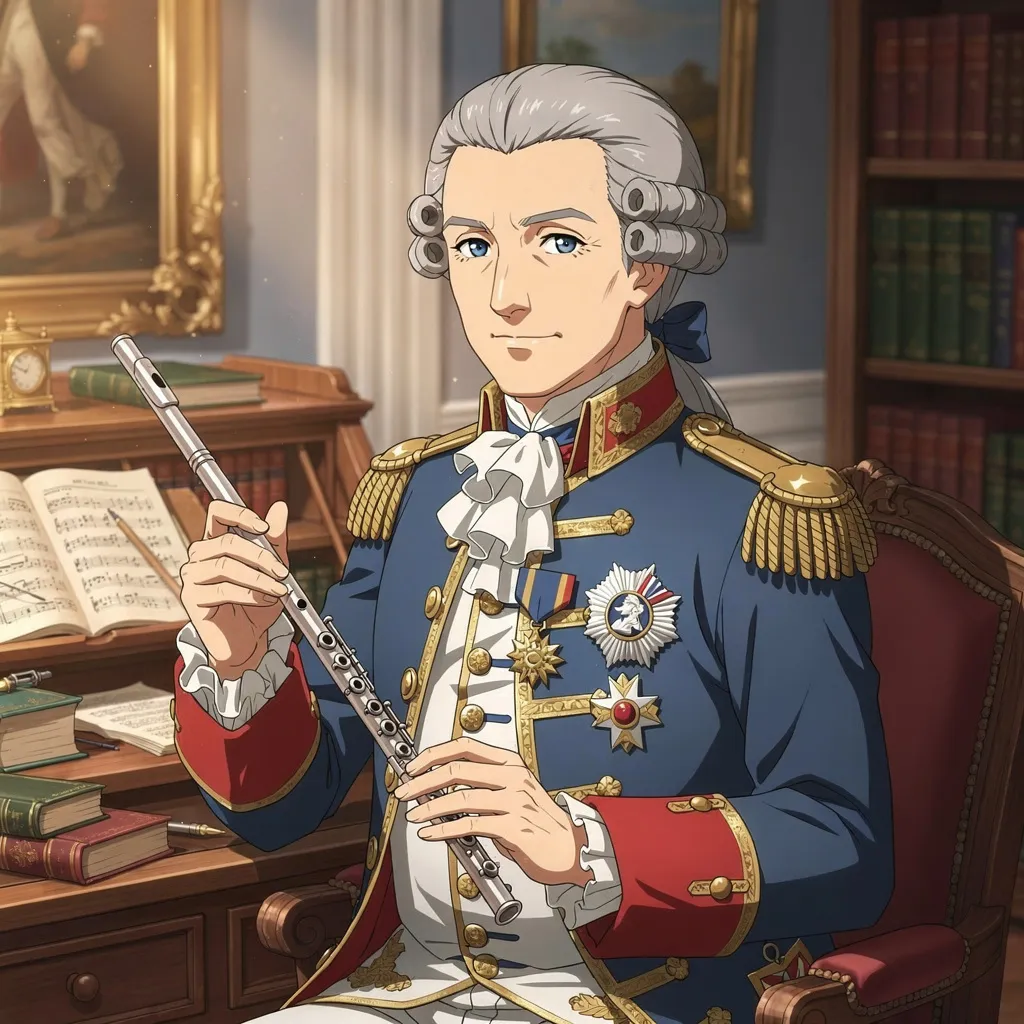
Being a Prussian king who loved learning, music, and improving his country.
Being a Prussian king who loved learning, music, and improving his country.
Frederick the Great was born in 1712 in Berlin, a city in what is now Germany. As a child, he was curious and loved reading, music, and learning new ideas. He enjoyed playing the flute and studying books about science, history, and philosophy.
His father was a strict king who wanted Frederick to focus only on military training. Even though this was hard for Frederick, he never gave up his love for learning and the arts. These interests later helped him become a thoughtful and creative ruler.
Frederick became king of Prussia in 1740 when he was 28 years old. He worked very hard and believed a king should serve his people. He often said he was the "first servant of the state," which meant he wanted to help his country grow stronger and fairer.
As king, Frederick tried to make laws more just and easier to understand. He supported education and encouraged schools so children could learn to read and think for themselves.
One of the most interesting things about Frederick was his love for music. He was an excellent flute player and even wrote music himself. He invited famous musicians and thinkers to his palace to share ideas.
Frederick also enjoyed writing books and letters. He believed in freedom of thought and welcomed people of different backgrounds and beliefs to live and work in his country.
Frederick worked to improve farming, roads, and cities in Prussia. He wanted people to have enough food and better lives. He also supported new ideas in science and helped protect artists and writers.
Because of his leadership and dedication, Prussia became more organized and respected in Europe. People later called him "the Great" because of his influence and the changes he made.
Frederick the Great is remembered as a king who valued learning, culture, and responsibility. His love for music, books, and fairness still inspires people today.
He showed that leaders can be strong while also caring deeply about education and creativity.
Frederick the Great was so good at the flute that he performed concerts for guests.
He loved dogs and had many pet greyhounds.
His favorite palace was called Sanssouci, which means "without worries" in French.
He wrote books and letters in French as well as German.
2 min read · Independent-reader guide
Open a word for a short explanation.
The study of big questions about knowledge, values, and existence.
Think of an answer, then open each card to check.
Being a Prussian king who loved learning, music, and improving his country.
1712-1786
Prussian (from what is now Germany)
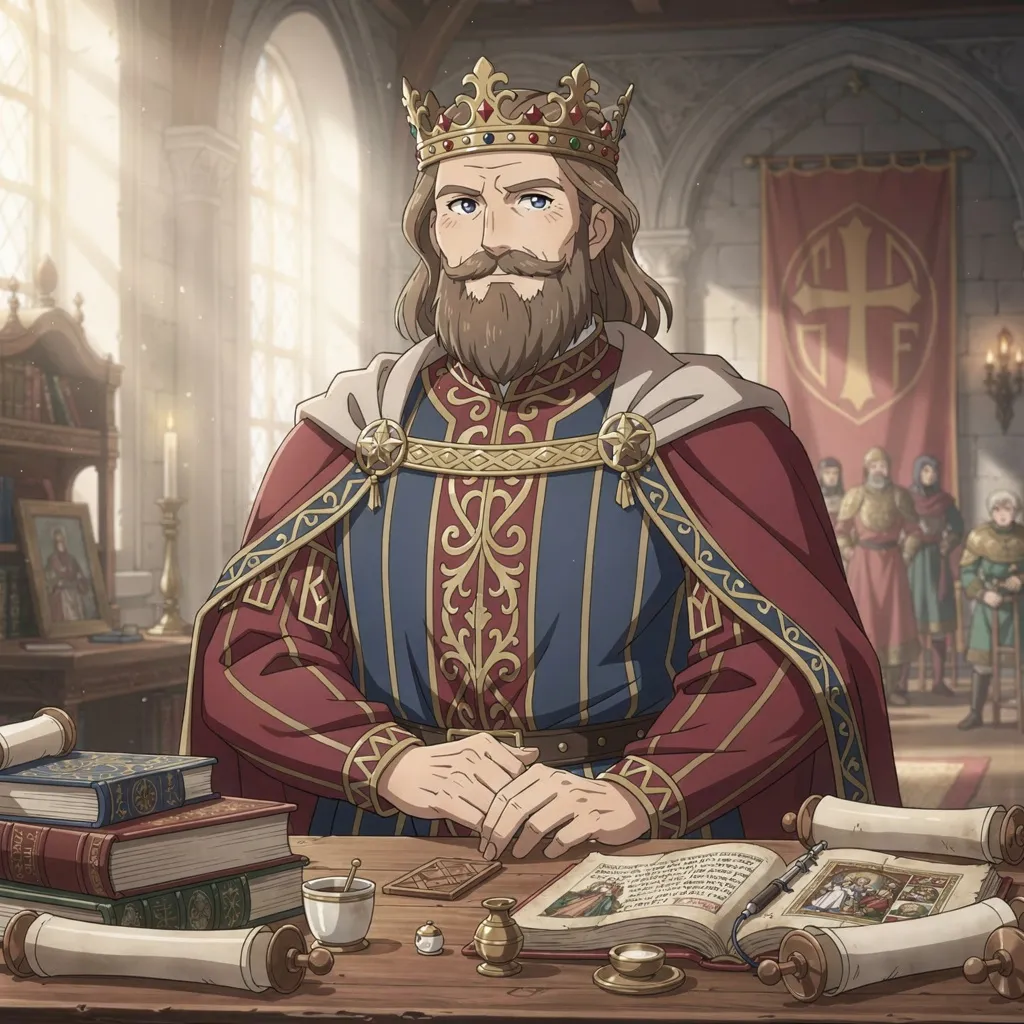
A great king who united much of Europe and helped learning and culture grow.
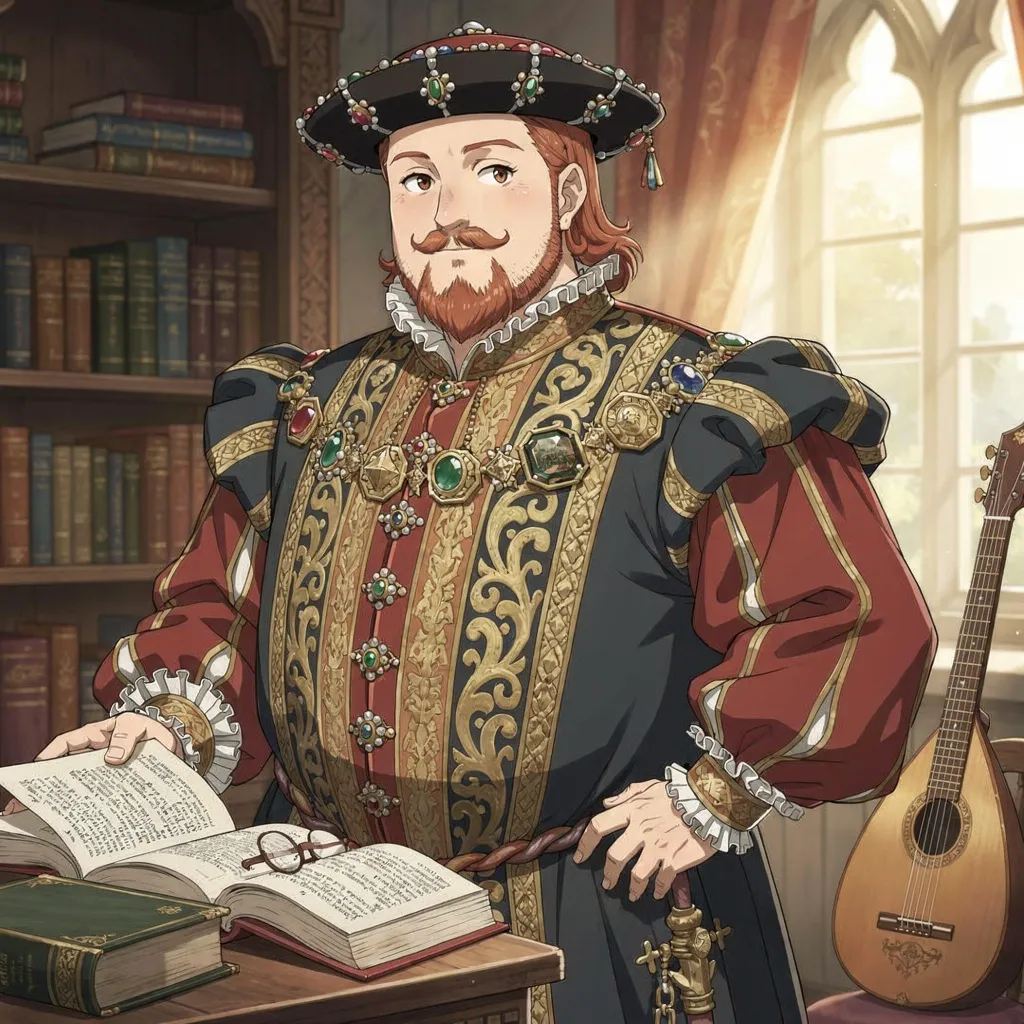
Being the King of England who loved learning, music, and made big changes to his country.
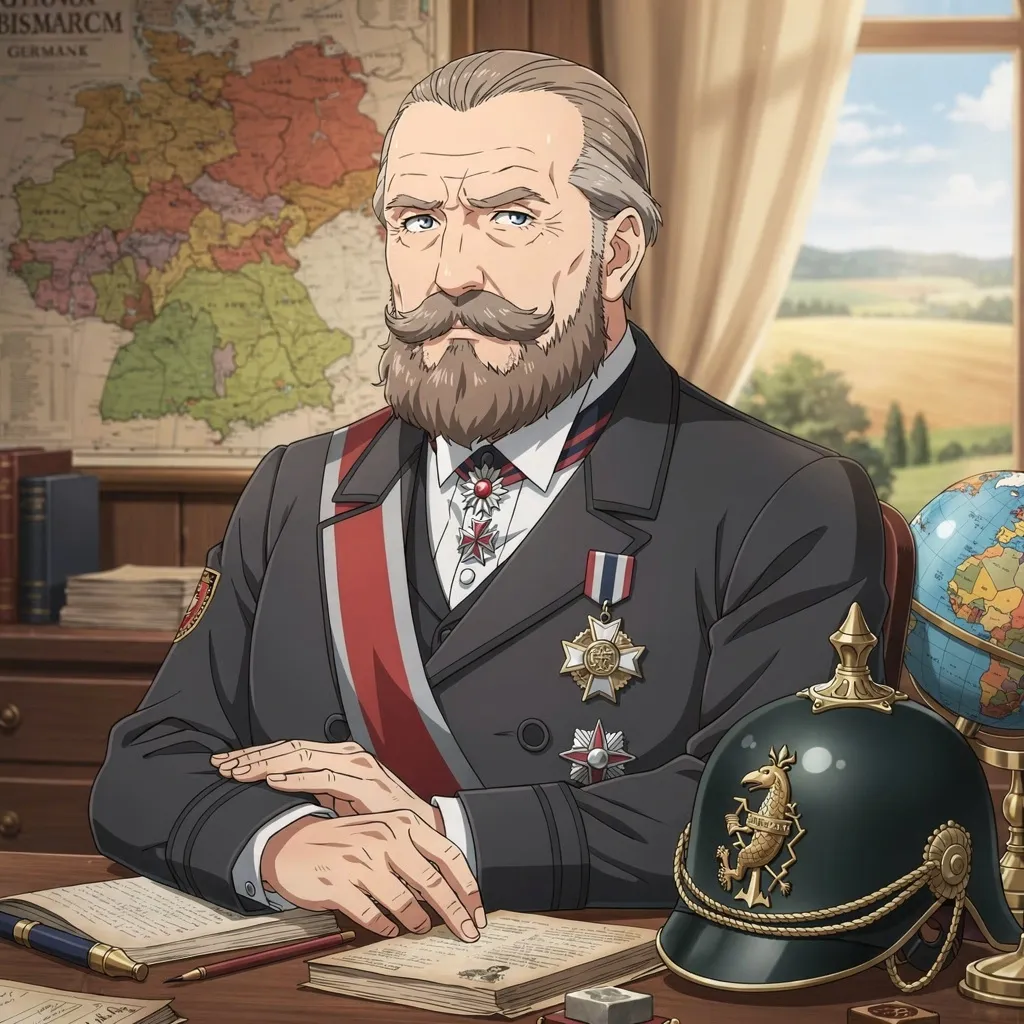
Helping unite Germany and becoming its first chancellor through diplomacy and strong political leadership

A famous composer who created powerful music that people still love today.

He was the long-reigning king of France known as the "Sun King" who helped make France a center of art and culture.
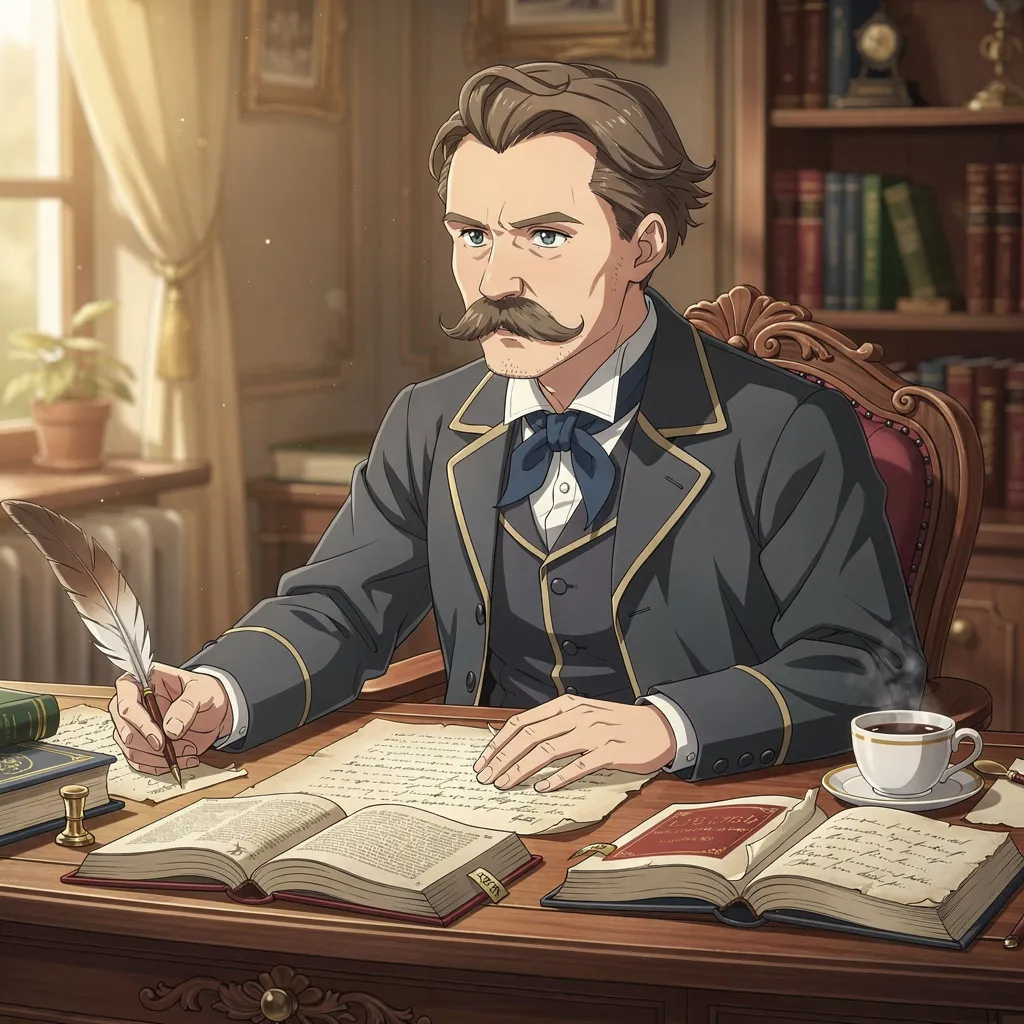
A famous philosopher and writer who asked big questions about life, creativity, and being your best self
Explore inspiring lives across science, art, history, music, and more.