
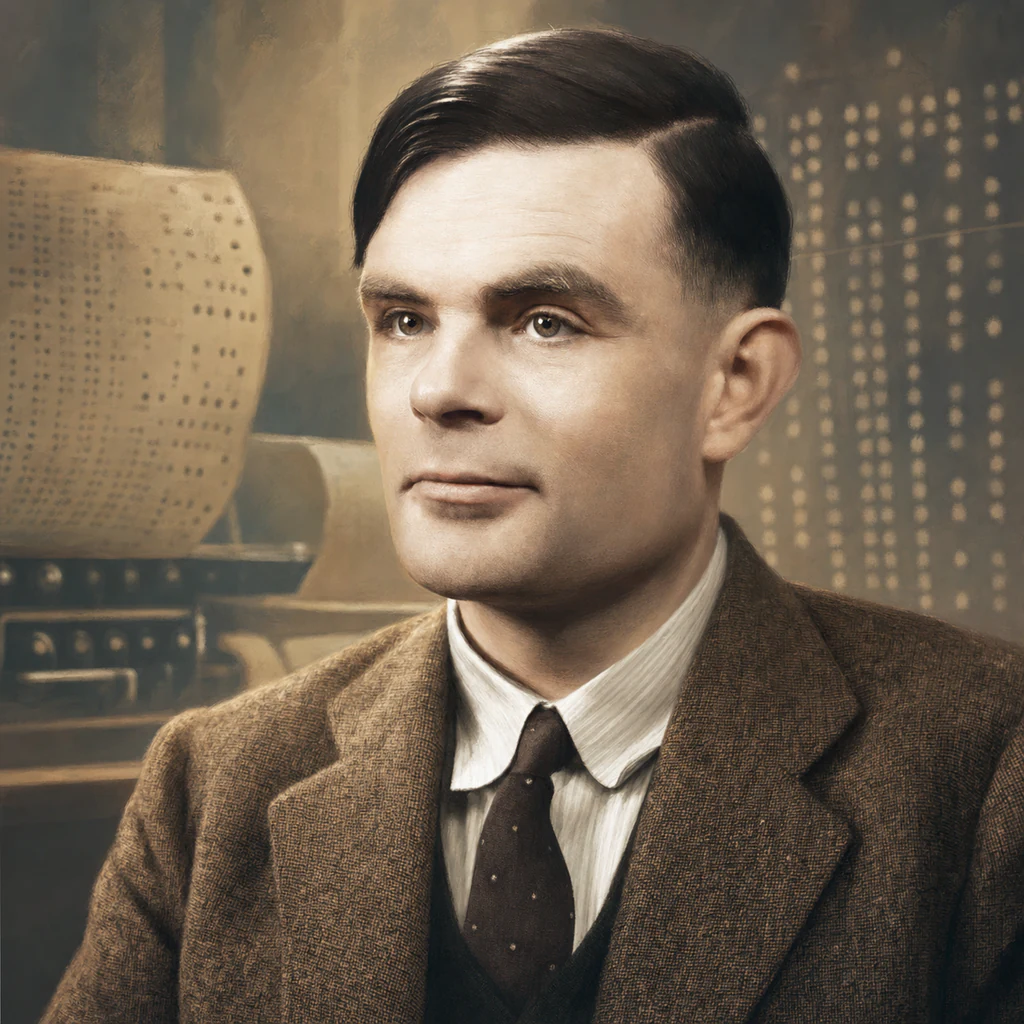
Helping create the idea of computers and breaking secret codes during World War II
Helping create the idea of computers and breaking secret codes during World War II
Alan Mathison Turing was born in London, England, on June 23, 1912. He was fascinated by numbers, science, and puzzles, but school did not always feel designed for the questions he wanted to ask. At Sherborne School he formed a close friendship with Christopher Morcom, another student who loved science. Morcom's death in 1930 deeply affected Turing and strengthened his wish to understand how minds and nature worked.
Turing entered King's College, Cambridge, in 1931 and graduated with first-class honors in mathematics. In a famous 1936 paper, he described an imaginary machine that could follow a list of simple instructions. The idea, now called a Turing machine, helped show what any general-purpose computer can and cannot calculate. He completed a doctorate at Princeton University in 1938, then returned to Britain as war approached.
During World War II, Turing joined Britain's codebreaking center at Bletchley Park. German forces used Enigma machines to scramble military messages. Polish mathematicians had already made crucial breakthroughs, and Turing worked within a large British team that built on them. He helped design the bombe, a machine that rapidly tested possible Enigma settings, and developed methods for reading naval messages. The intelligence produced at Bletchley helped the Allies, but the work stayed secret for decades. No single person "broke Enigma" alone.
After the war, Turing designed an early electronic computer plan at the National Physical Laboratory. At the University of Manchester he worked on one of the first stored-program computers. In 1950 he proposed an experiment, later called the Turing test, for discussing whether a machine could imitate human conversation. He also used mathematics to study patterns in living things, such as spots and stripes.
In 1952, Turing was prosecuted because he was gay; consensual relationships between men were then illegal in Britain. He accepted hormone treatment instead of prison and lost his security clearance. He died in 1954 at age 41. Britain later recognized the injustice: Queen Elizabeth II granted him a posthumous pardon in 2013, and a 2017 law pardoned thousands of others convicted under similar abolished laws.
Turing's ideas underpin computer science, artificial intelligence, and mathematical biology. His story also shows why scientific achievement should be remembered alongside the harm caused when laws deny people equal dignity. The A.M. Turing Award, established in 1966, is often described as computing's highest professional honor.
Turing was an excellent long-distance runner and sometimes ran the roughly 40 miles between Bletchley Park and London meetings.
The imaginary Turing machine was a thought experiment, not a single physical machine he built.
He was elected a Fellow of King's College, Cambridge, when he was only 22.
Turing's 1952 mathematics paper explained how chemical reactions might create natural patterns such as animal markings.
The United Kingdom's polymer £50 note, first issued in 2021, carries Turing's portrait.
3 min read · Independent-reader guide
Think of an answer, then open each card to check.
Helping create the idea of computers and breaking secret codes during World War II
1912-1954
British
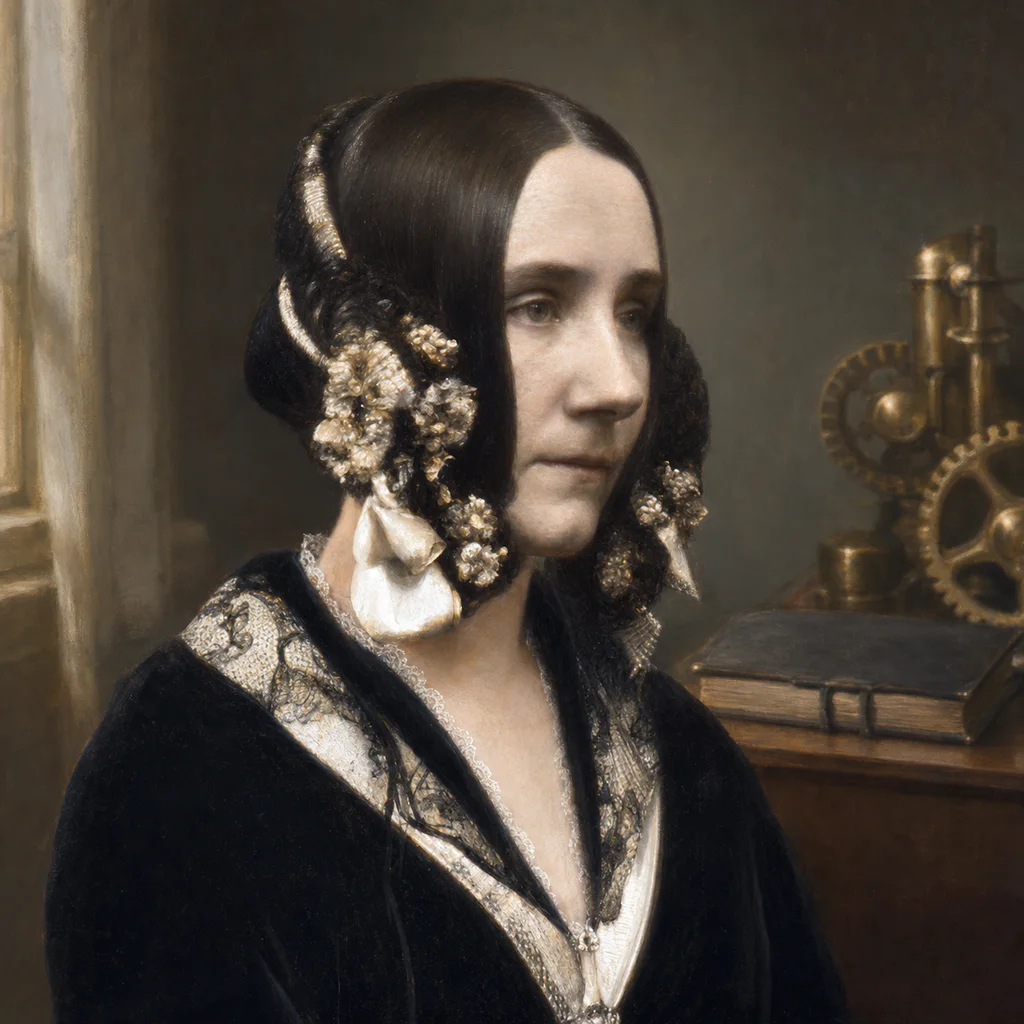
Being the world’s first computer programmer
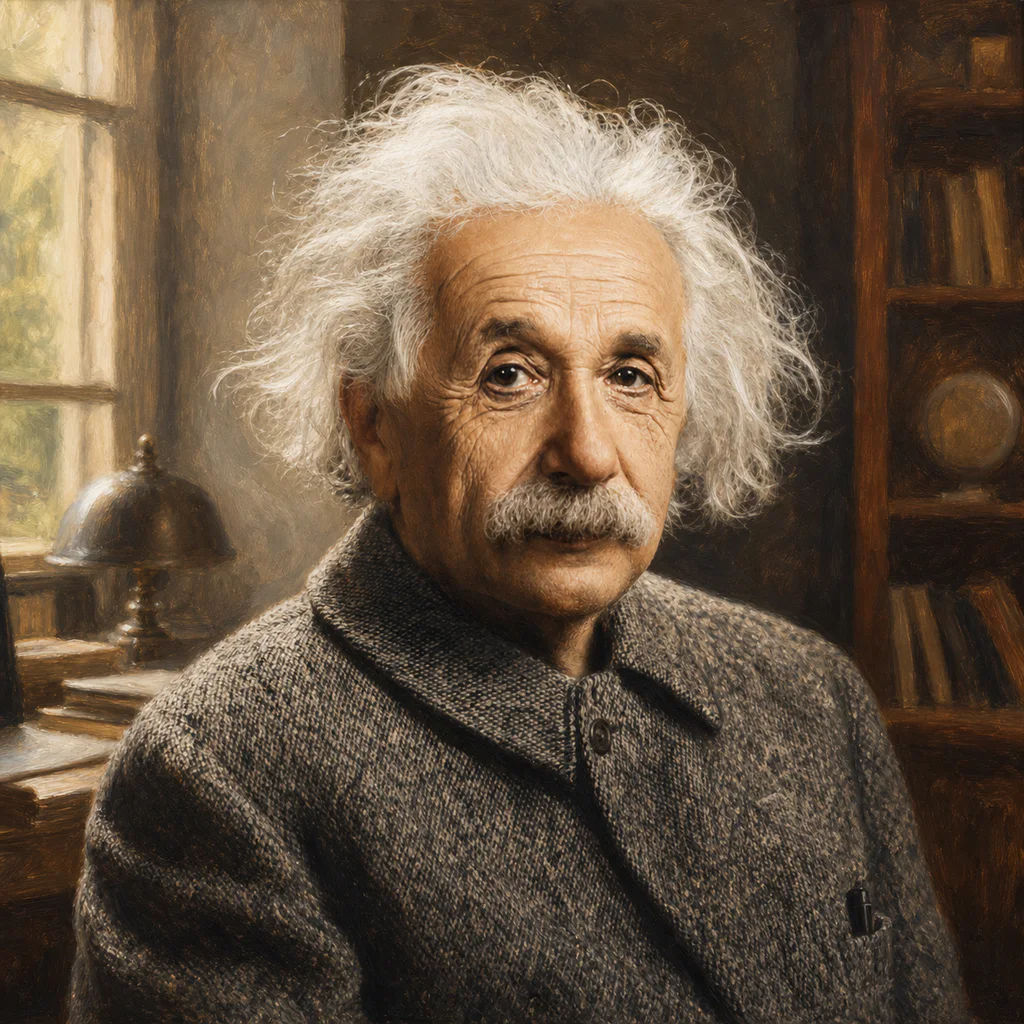
He was a brilliant scientist who helped us understand space, time, and light.
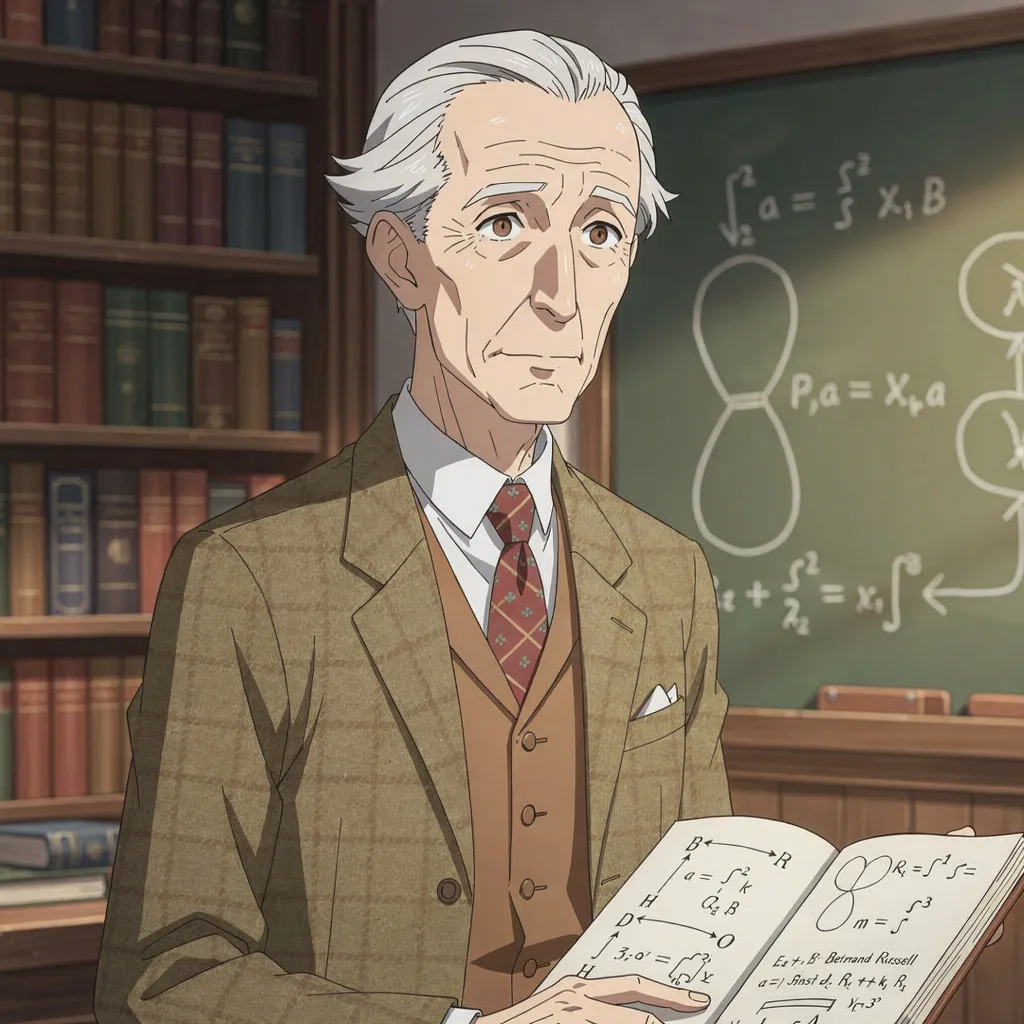
A British thinker who helped make math, logic, and philosophy easier to understand and wrote many famous books.
Helping create algebra and inspiring the word “algorithm.”
Being a computer pioneer who helped create early programming languages and made computers easier to use.
Helping people think carefully about language, logic, and how words get their meaning
Explore inspiring lives across science, art, history, music, and more.