

Helping people think carefully about language, logic, and how words get their meaning
Helping people think carefully about language, logic, and how words get their meaning
Ludwig Wittgenstein was born in Vienna, Austria, in 1889. He grew up in a large family that loved music, art, and learning. As a child, Ludwig was very curious and liked to ask deep questions about how the world works.
He was interested in machines and science at first. Later, he discovered philosophy, which is the study of big questions like “What is truth?” and “How do we know what words mean?” These questions excited him so much that he decided to study them for the rest of his life.
Ludwig studied in several countries, including Germany and England. He spent time at the University of Cambridge, where he worked with other great thinkers. Even though his ideas were difficult, he tried hard to be honest and clear in his thinking.
He also worked as a teacher for children in small villages. Ludwig believed learning should help people think for themselves. He cared deeply about doing what he thought was right and helping others understand ideas clearly.
Wittgenstein is famous for his thoughts about language. He believed that many problems happen because people misunderstand words. He said that if we look closely at how words are used in everyday life, many confusing questions become simpler.
He wrote important books like Tractatus Logico-Philosophicus and Philosophical Investigations. These books changed how people study philosophy, especially the way we think about language and meaning.
Ludwig was known for being serious and thoughtful. He did not care much about being famous or rich. Instead, he wanted to live simply and focus on thinking carefully and honestly.
Friends and students remembered him as someone who challenged them to think harder. He believed that clear thinking could make life better and more truthful.
Today, Ludwig Wittgenstein is remembered as one of the most important philosophers of the 20th century. His ideas are still taught in schools and universities around the world.
He showed that asking careful questions and paying attention to everyday language can help us understand ourselves and others better. His work inspires people to be curious, patient, and thoughtful thinkers.
He once gave away a large fortune because he felt he did not need it.
He loved simple living and sometimes worked as a schoolteacher in small villages.
Wittgenstein thought philosophy was like solving puzzles with words.
He believed that how we use words in daily life is more important than complicated definitions.
Even today, people still debate and discuss his ideas in classrooms around the world.
3 min read · Independent-reader guide
Open a word for a short explanation.
The study of big questions about knowledge, values, and existence.
Think of an answer, then open each card to check.
Helping people think carefully about language, logic, and how words get their meaning
1889-1951
Austrian-British
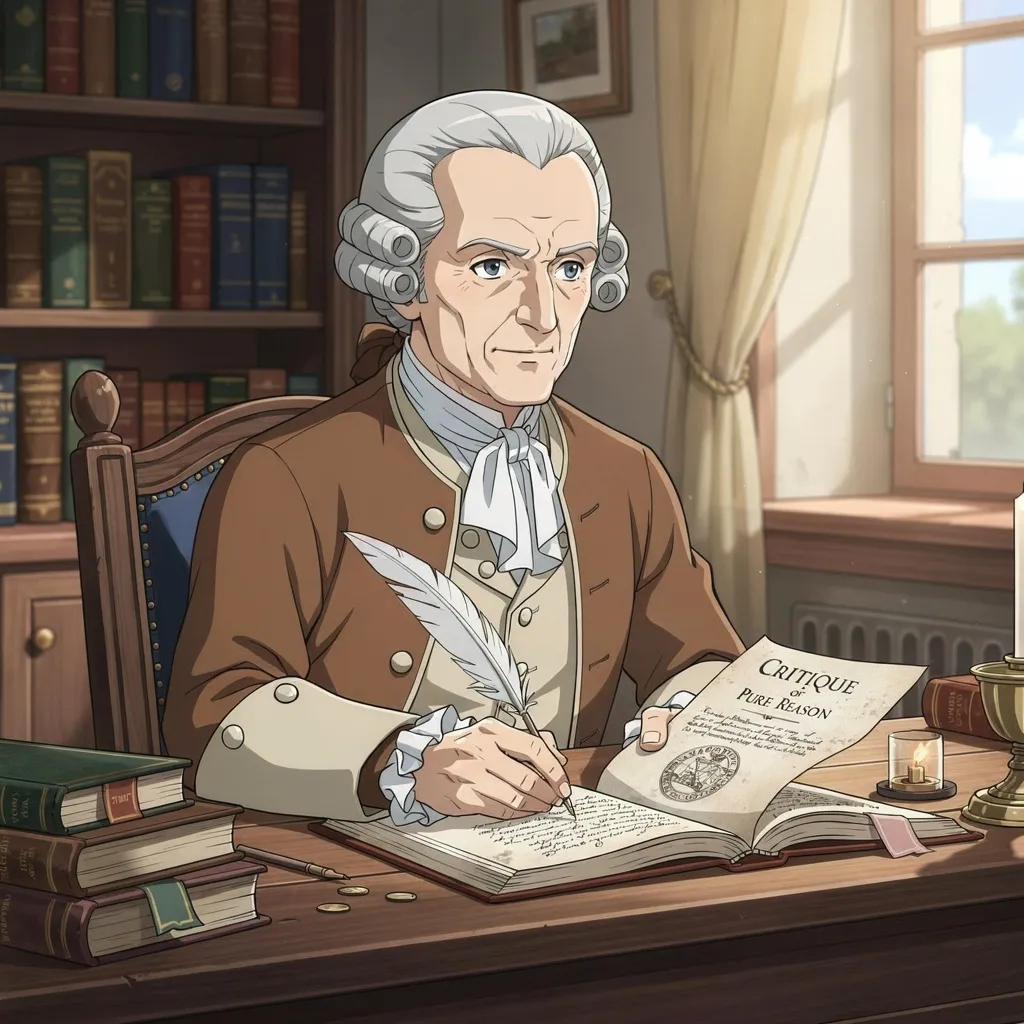
Helping people think carefully about right and wrong, knowledge, and how we understand the world
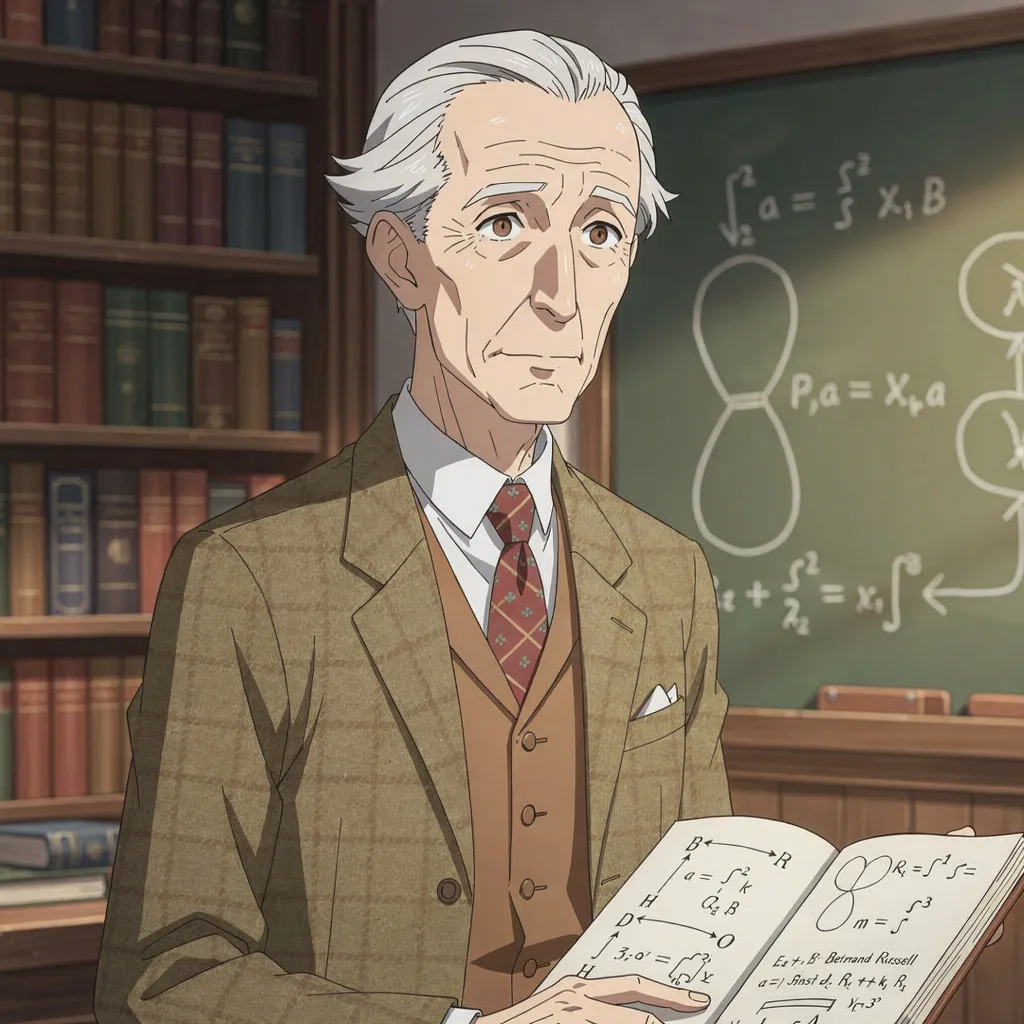
A British thinker who helped make math, logic, and philosophy easier to understand and wrote many famous books.

A famous philosopher who shared big ideas about thinking, history, and how ideas grow and change.
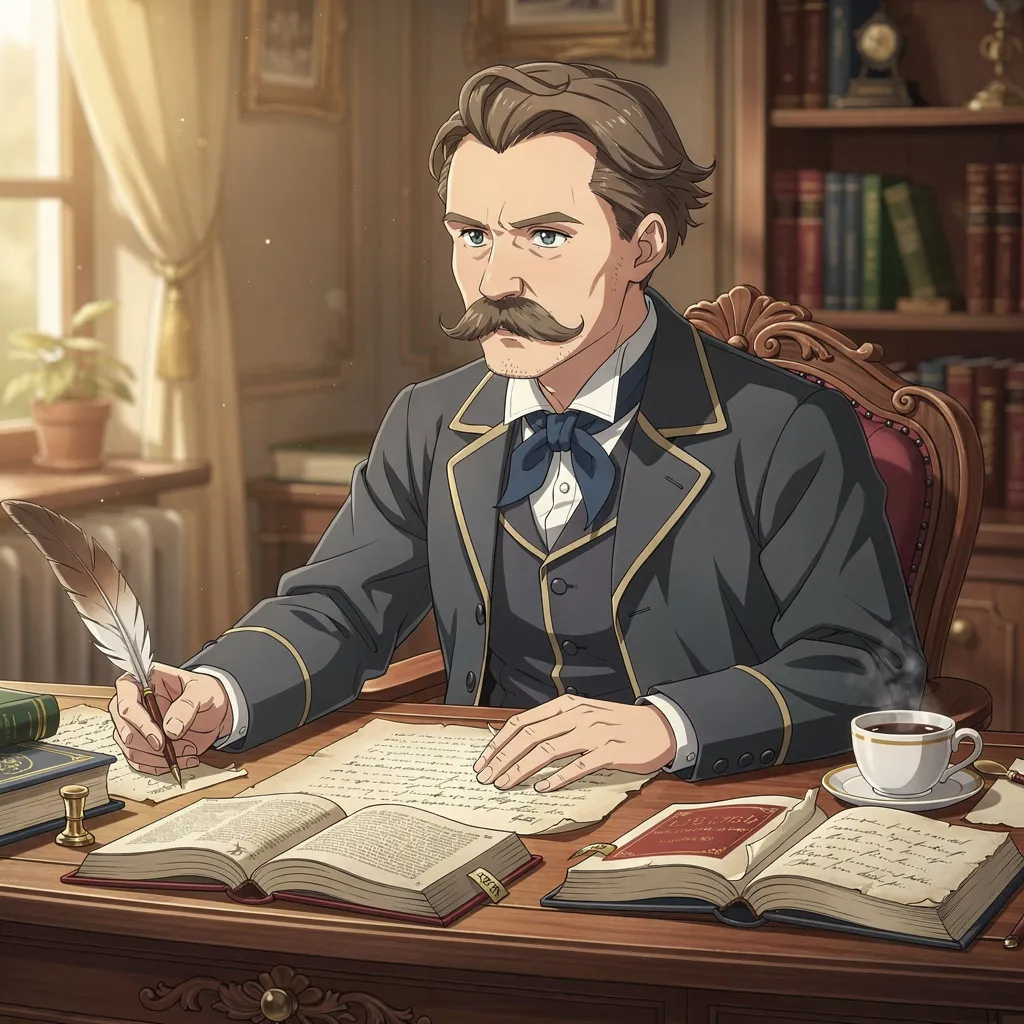
A famous philosopher and writer who asked big questions about life, creativity, and being your best self

Helping people understand ideas about learning, freedom, and how governments should care for citizens
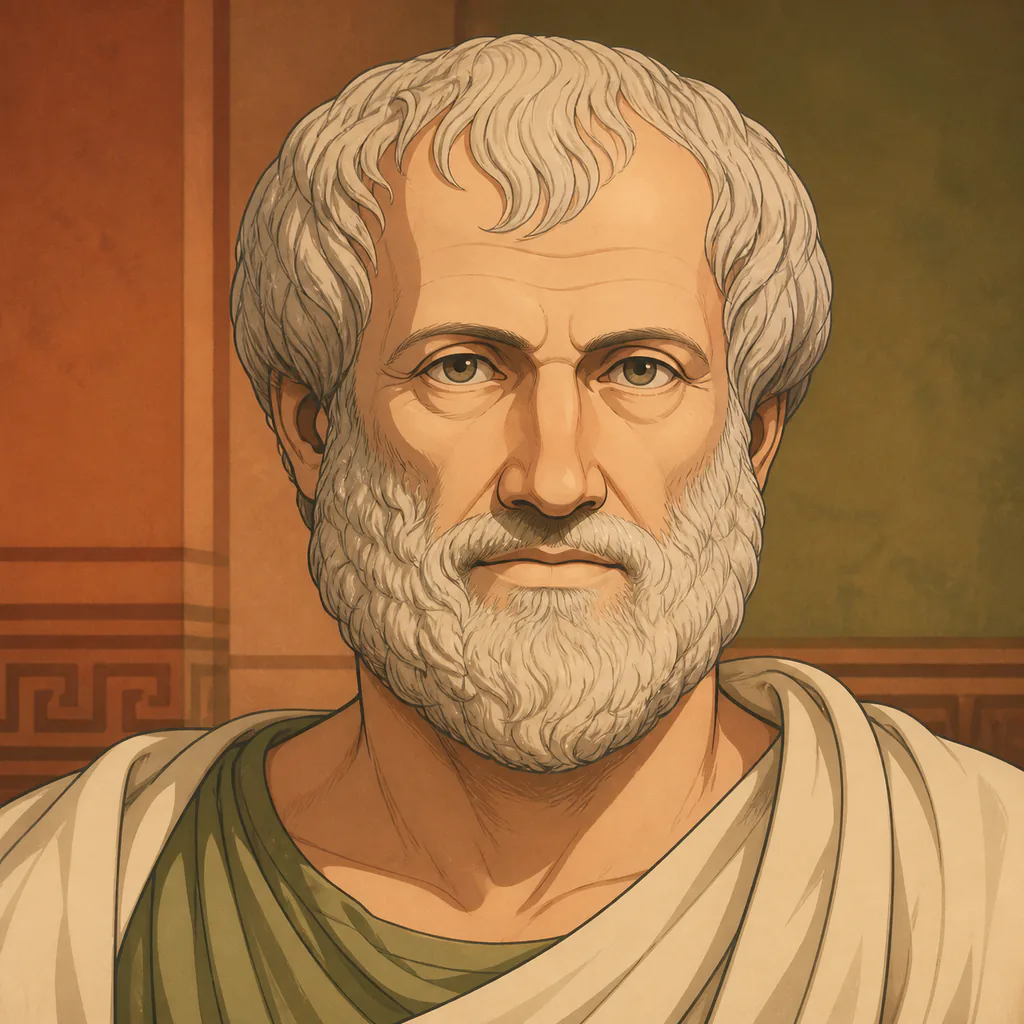
Being one of the greatest thinkers in history and teaching people how to learn through careful thinking and observation.
Explore inspiring lives across science, art, history, music, and more.