
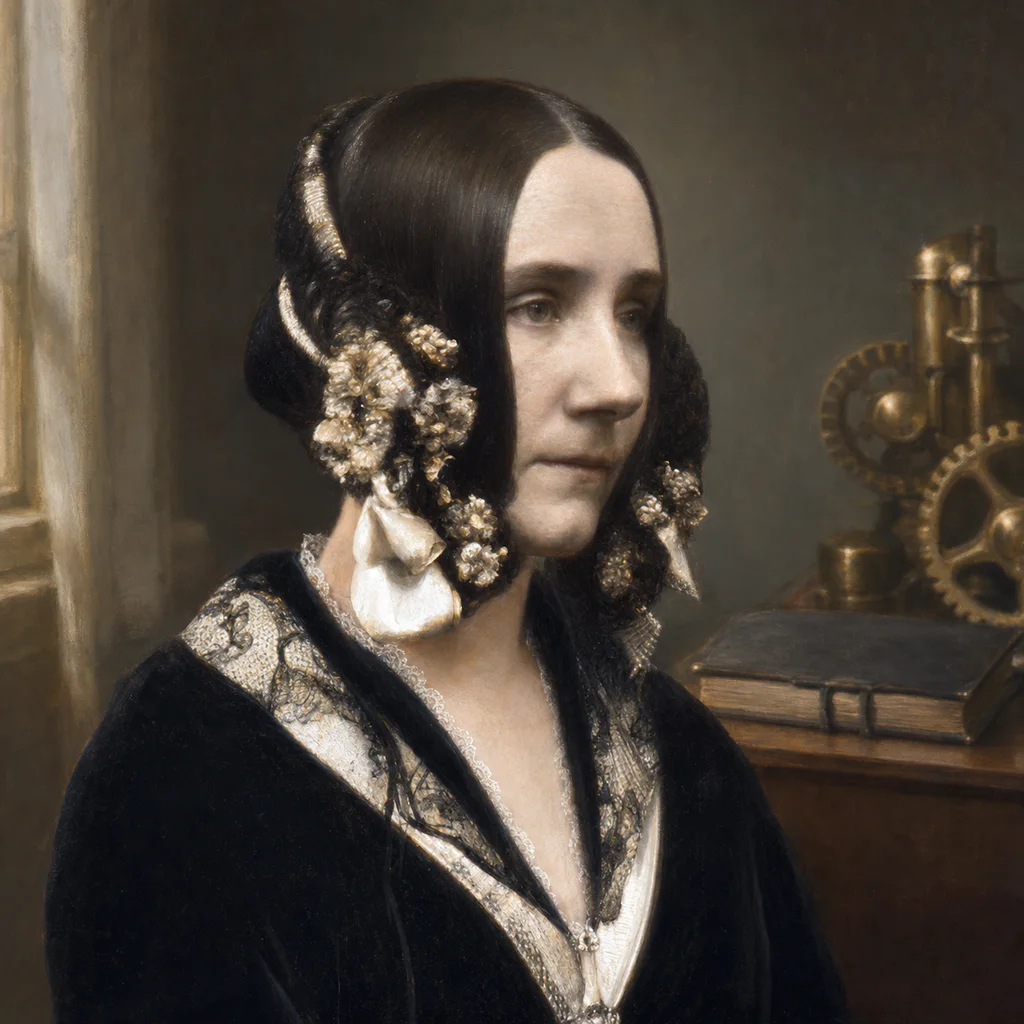
Being the world’s first computer programmer
Being the world’s first computer programmer
Ada Lovelace was born Augusta Ada Byron in London in 1815. Her father was the poet Lord Byron, but her parents separated soon after she was born. Ada's mother arranged for her to study mathematics and science with private tutors. Advanced mathematical education was unusual for a girl in Britain at that time.
Ada was also interested in poetry, music, and machines. As a teenager, she studied the flight of birds and sketched plans for a flying device. She later described her way of joining imagination with careful analysis as "poetical science."
In 1833, when Ada was seventeen, she met mathematician and inventor Charles Babbage. He showed her part of his Difference Engine, a mechanical calculator. Ada quickly became interested in Babbage's more ambitious design, the Analytical Engine.
The Analytical Engine was never completed, but its design included important ideas found in later computers. It would use punched cards for instructions, store numbers, and carry out a sequence of operations. Babbage designed the machine; Lovelace became one of its most insightful interpreters and supporters.
In 1843, Lovelace translated an article about the Analytical Engine from French into English. She added seven notes of her own, labeled A through G. Her notes were much longer than the original article and explained both how the engine might work and why it mattered.
Note G included a table of operations for calculating Bernoulli numbers. It is often described as the first published computer program because it gave a step-by-step method intended for a general-purpose computing machine. Historians discuss how to apply the modern word "programmer" to work done before a working computer existed, so it is most accurate to explain what she published rather than treat the nickname as the whole story.
Lovelace's most forward-looking idea was that the Analytical Engine could work with symbols, not only quantities. If information such as musical notes could be represented by numbers and rules, she reasoned, a machine might someday create complex music or process other kinds of information.
Ada Lovelace died in 1852 at age 36. Her notes attracted much wider attention after electronic computers appeared in the twentieth century. The programming language Ada was later named in her honor. Today her work is remembered for connecting mathematics, machines, and human imagination at the beginning of computing history.
Lovelace first saw part of Babbage's Difference Engine when she was seventeen.
Her 1843 notes were much longer than the article she translated.
Note G contained a table for calculating Bernoulli numbers on the proposed Analytical Engine.
She imagined that a computing machine might work with musical notes and other symbols, not only numbers.
The Ada programming language was named in her honor.
3 min read · Independent-reader guide
Think of an answer, then open each card to check.
Being the world’s first computer programmer
1815-1852
British
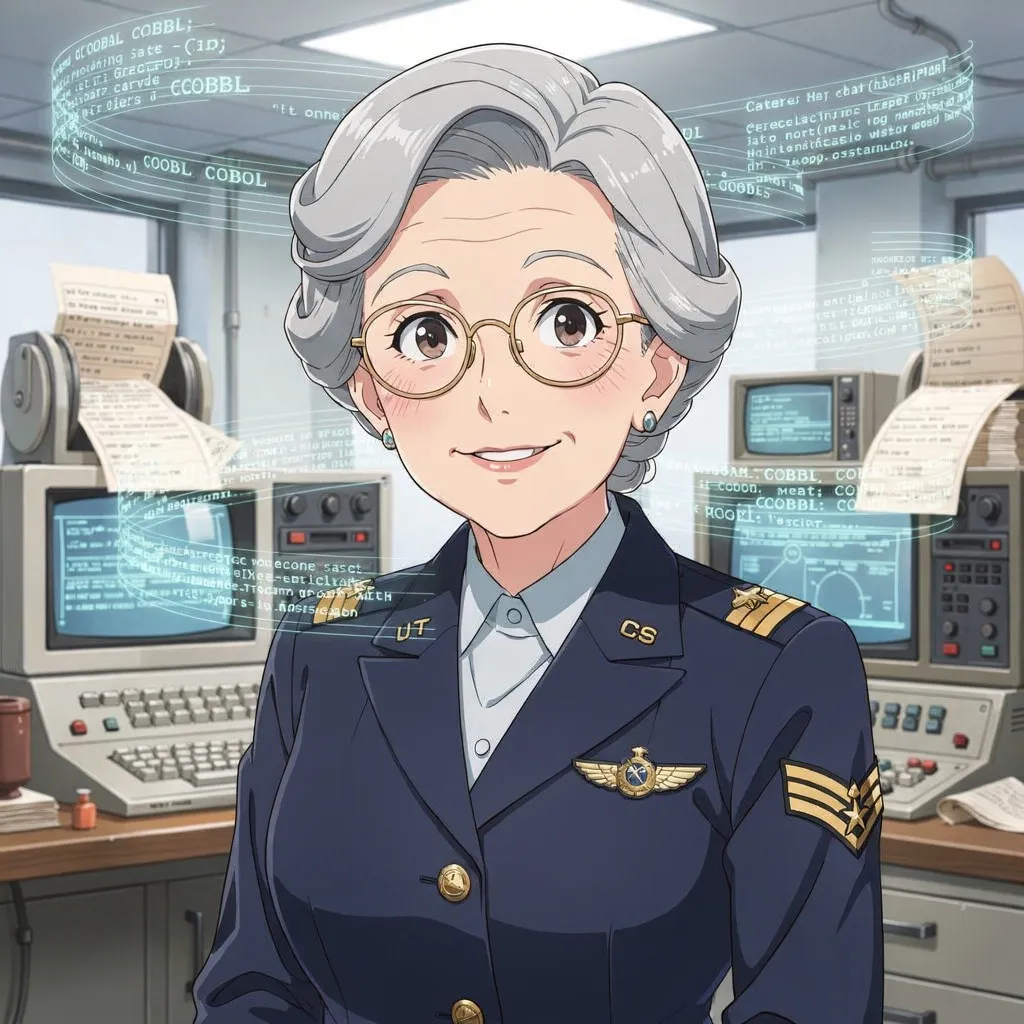
Being a computer pioneer who helped create early programming languages and made computers easier to use.
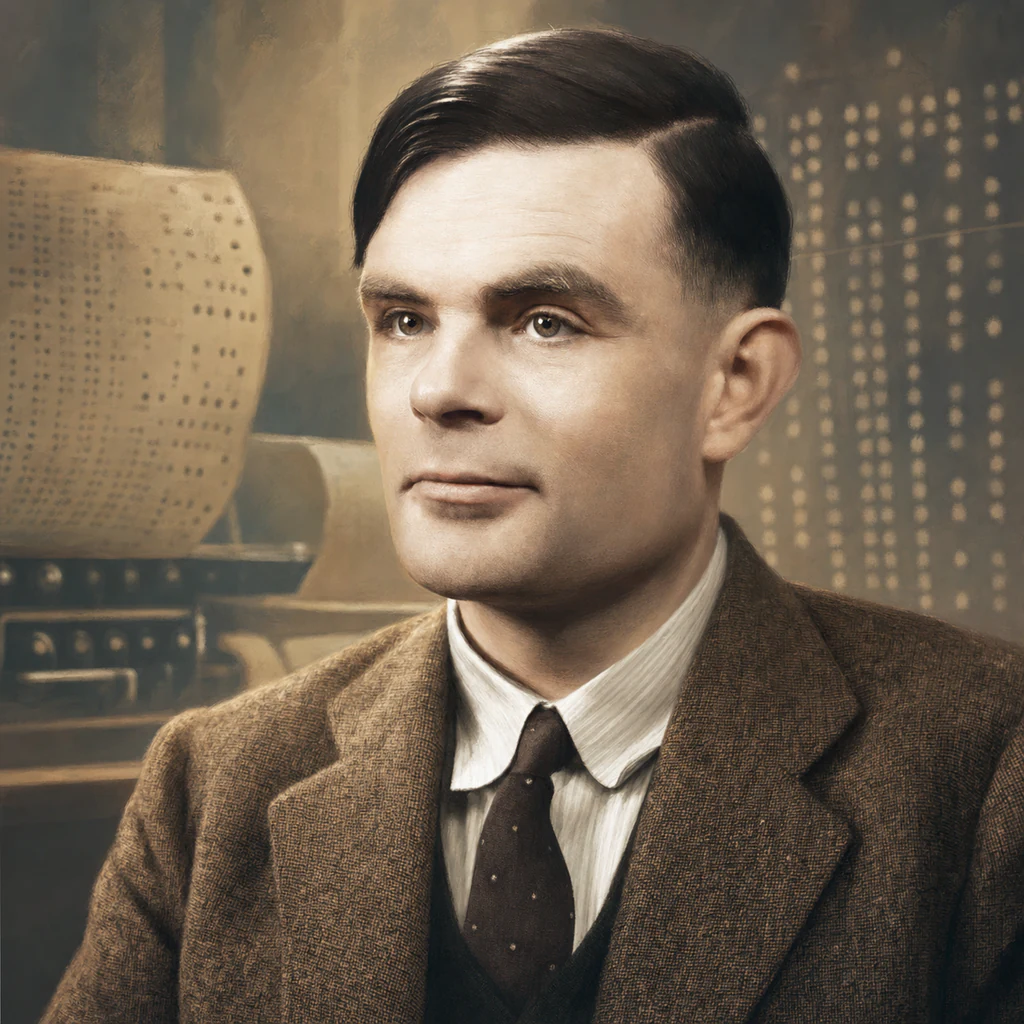
Helping create the idea of computers and breaking secret codes during World War II
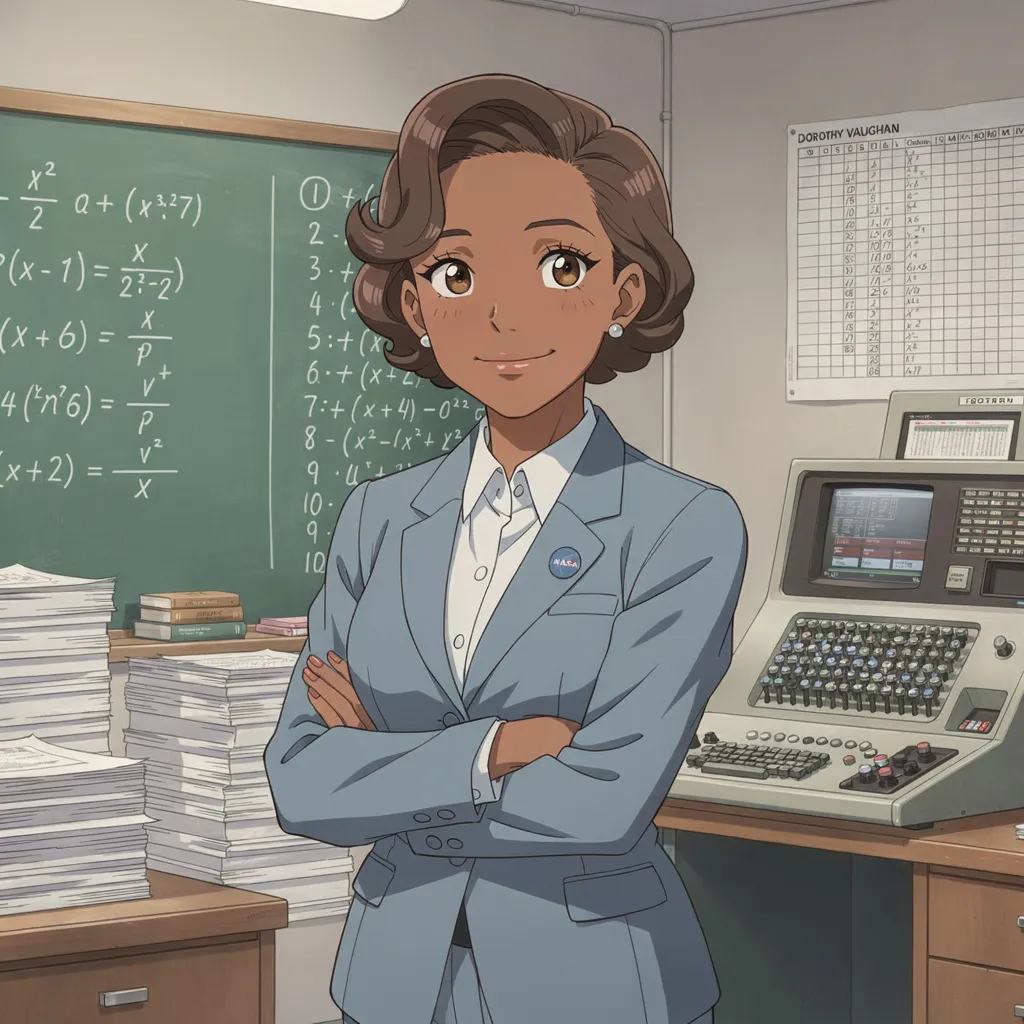
Being a brilliant mathematician who helped NASA succeed and became the first African American supervisor at NACA, NASA’s predecessor.

Helping create algebra and inspiring the word “algorithm.”

Writing the famous children's book "Alice's Adventures in Wonderland"

Inventing the World Wide Web so people everywhere can share information online
Explore inspiring lives across science, art, history, music, and more.