
Biography for young readers
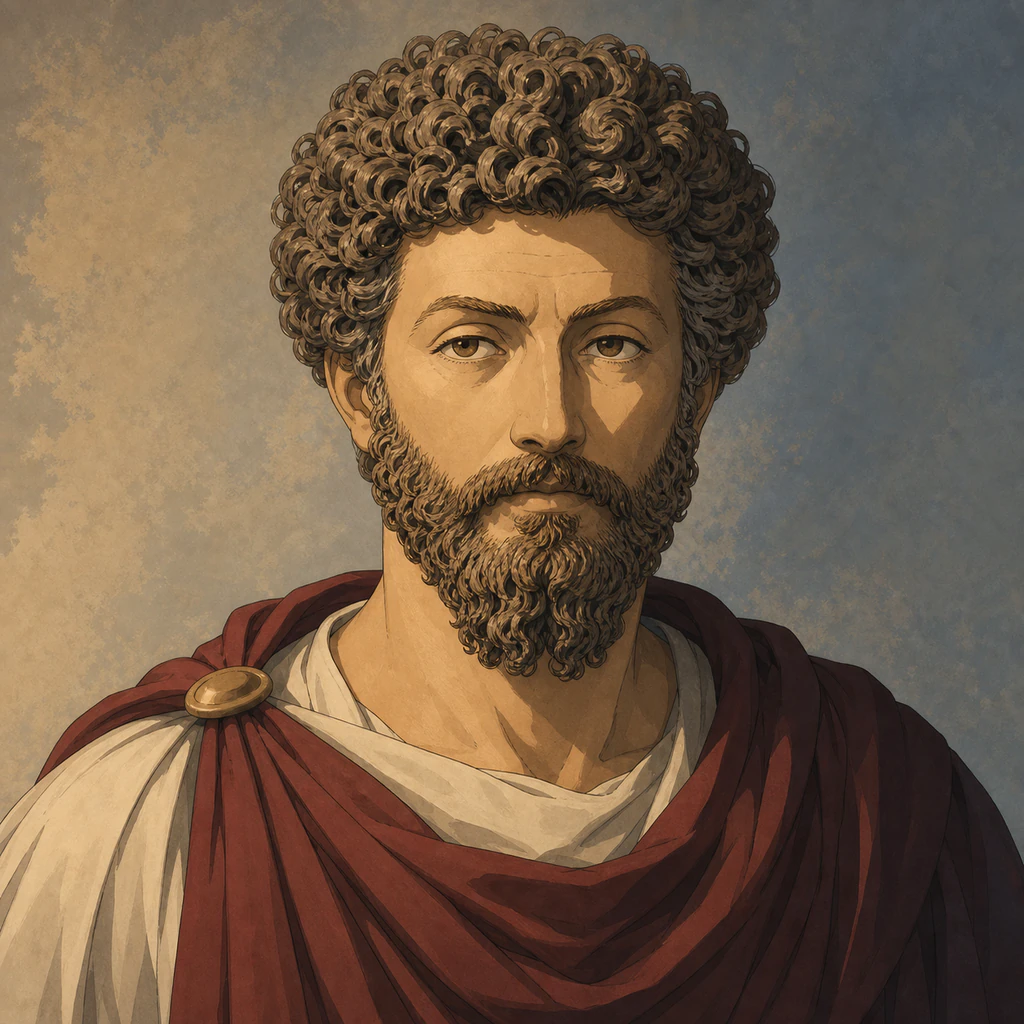
Marcus Aurelius
Being a Roman emperor who wrote wise thoughts about kindness, self-control, and doing the right thing.
- Lived
- 121–180
- From
- Roman
- Reading time
- About 4 min
- Reading guide
- Independent-reader guide
Watch Marcus Aurelius's story unfold
Why this story matters
A life worth remembering
Being a Roman emperor who wrote wise thoughts about kindness, self-control, and doing the right thing.
Think about it
What did you notice?
- Which moment changed the direction of this person's life?
- Which achievement or idea do you think mattered most?
- What is one question you would ask them?
Prefer to read? Open the complete biography transcript
A Student Chosen for the Throne
Long before Marcus Aurelius became a Roman emperor, he was a serious student surrounded by an unusual amount of responsibility. He was born Marcus Annius Verus in Rome on April 26, 121. His father died while Marcus was young, and his grandfather helped raise him. Tutors taught him Greek, Latin, law, public speaking, and philosophy. Marcus especially valued teachers who showed him how ideas could guide everyday choices.
In 138, Emperor Hadrian arranged for Antoninus Pius to adopt Marcus and another young heir, the future Lucius Verus. Adoption was part of Roman imperial succession, so the decision placed Marcus on a path he had not chosen for himself. He learned government beside Antoninus, served as consul, and married Antoninus's daughter Faustina in 145.
Sharing the Empire Through Crisis
When Antoninus died in March 161, Marcus became emperor and Lucius Verus became co-emperor. Their shared rule soon faced war with the Parthian Empire in the east. Lucius traveled east while experienced generals directed much of the fighting. Returning troops were linked to a devastating epidemic now called the Antonine Plague, although historians still debate exactly which disease caused it.
New conflicts then broke out along the Danube frontier as Germanic and Sarmatian groups pressed into Roman territory. Marcus spent much of his later reign with the army and helped direct long campaigns. These events matter when judging him: his rule was not simply a peaceful lesson in wisdom. He led an empire built and defended through military power, and ordinary people endured disease, taxes, displacement, and war.
A Campaign Notebook Called Meditations
During those difficult years, Marcus wrote private notes in Greek. The pages later became known as Meditations, but he did not arrange them as a public guidebook. He used them to repeat Stoic exercises: examine a first impression, focus on one's own choices, act justly, and remember that every person belongs to a wider human community. The repeated reminders show practice and struggle, not a ruler claiming to be perfect.
In 175, the general Avidius Cassius declared himself emperor after hearing a false report that Marcus had died. Cassius was killed before Marcus reached him, and the emperor then toured eastern provinces. Serious limits remained in his rule. Christians were killed at Lyon in 177, for example. Scholars debate Marcus's personal responsibility, and surviving evidence does not show that he ordered an empire-wide persecution.
A Complicated Philosopher-Emperor
Marcus made his son Commodus co-emperor in 177. He returned to the Danube wars the next year and died on March 17, 180, while still near the frontier; ancient evidence leaves his exact place and cause of death uncertain. Commodus succeeded him. That choice later became part of the debate over Marcus's judgment because the son's rule developed very differently from the father's.
Marcus's notes survived, as did a remarkable bronze equestrian statue now kept by Rome's Capitoline Museums. Both helped create the image of a “philosopher-emperor.” His wider contribution is more challenging and useful than that nickname alone. Meditations gives readers rare evidence of a powerful ancient ruler questioning his own reactions and duties. Its ideas about self-control, justice, and shared humanity remain influential, while the wars and inequalities of Marcus's empire remind us to compare admirable words with the real effects of power.
Did you know?
Fun facts about Marcus Aurelius
-
Marcus Aurelius was born Marcus Annius Verus and gained new names as adoption moved him toward the Roman throne.
-
He first studied rhetoric with the famous teacher Fronto before making philosophy central to his life.
-
Marcus shared imperial power first with Lucius Verus and later with his son Commodus.
-
He wrote the private notes now called Meditations in Greek, probably during years of military campaigning.
-
The Capitoline Museums preserve the only ancient larger-than-life bronze equestrian statue to survive substantially intact.
Learn & remember
Make the story yours
4 min read · Independent-reader guide
Three things to remember
- Known for: Being a Roman emperor who wrote wise thoughts about kindness, self-control, and doing the right thing.
- Lived: 121–180
- From: Roman
Words to know
Open a word for a short explanation.
empire
A group of lands or peoples ruled by one government or leader.
evidence
Information used to support or test an idea.
philosophy
The study of big questions about knowledge, values, and existence.
Quick check
What do you remember?
Think of an answer, then open each card to check.
What is Marcus Aurelius best known for?
Being a Roman emperor who wrote wise thoughts about kindness, self-control, and doing the right thing.
When did Marcus Aurelius live?
121–180
What place or nationality is connected to this story?
Roman
Biography
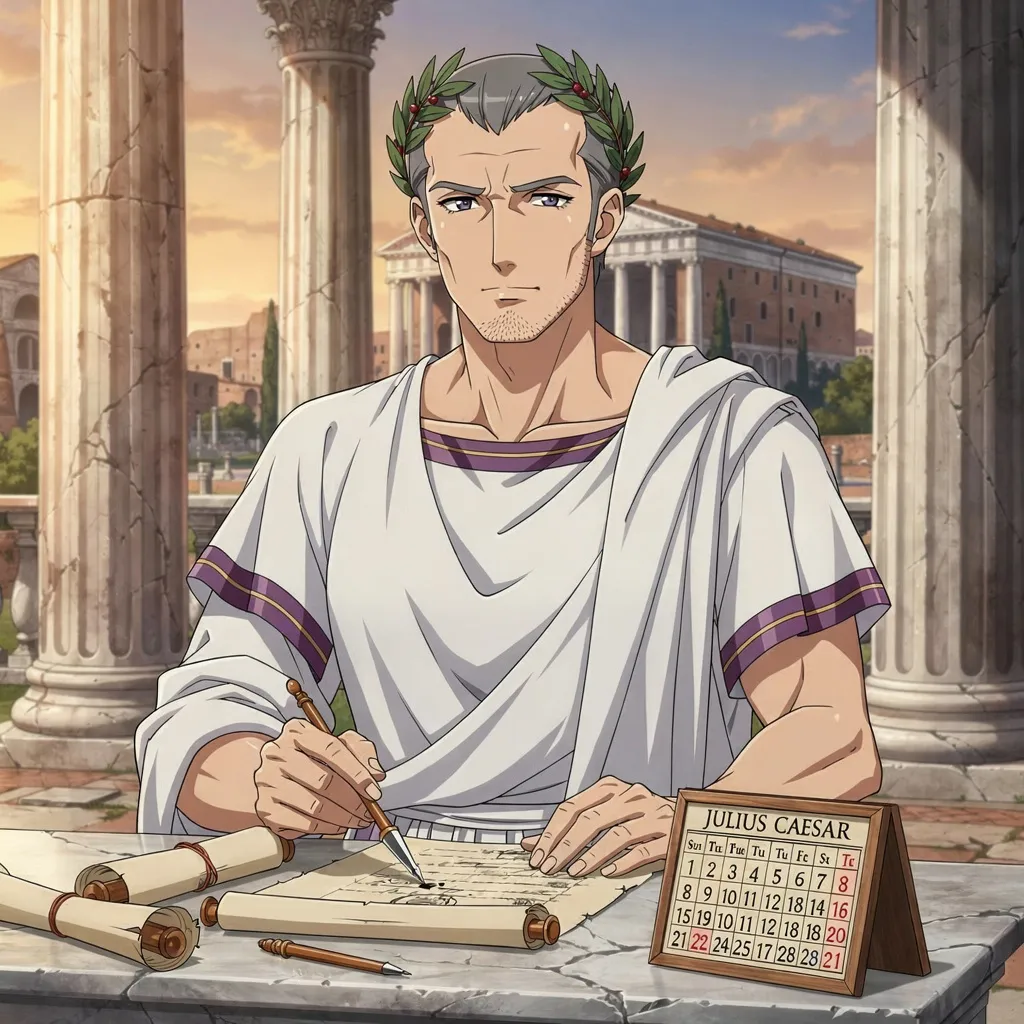
Julius Caesar
A famous Roman leader who helped shape the Roman Republic and improve the calendar we use today.
Biography
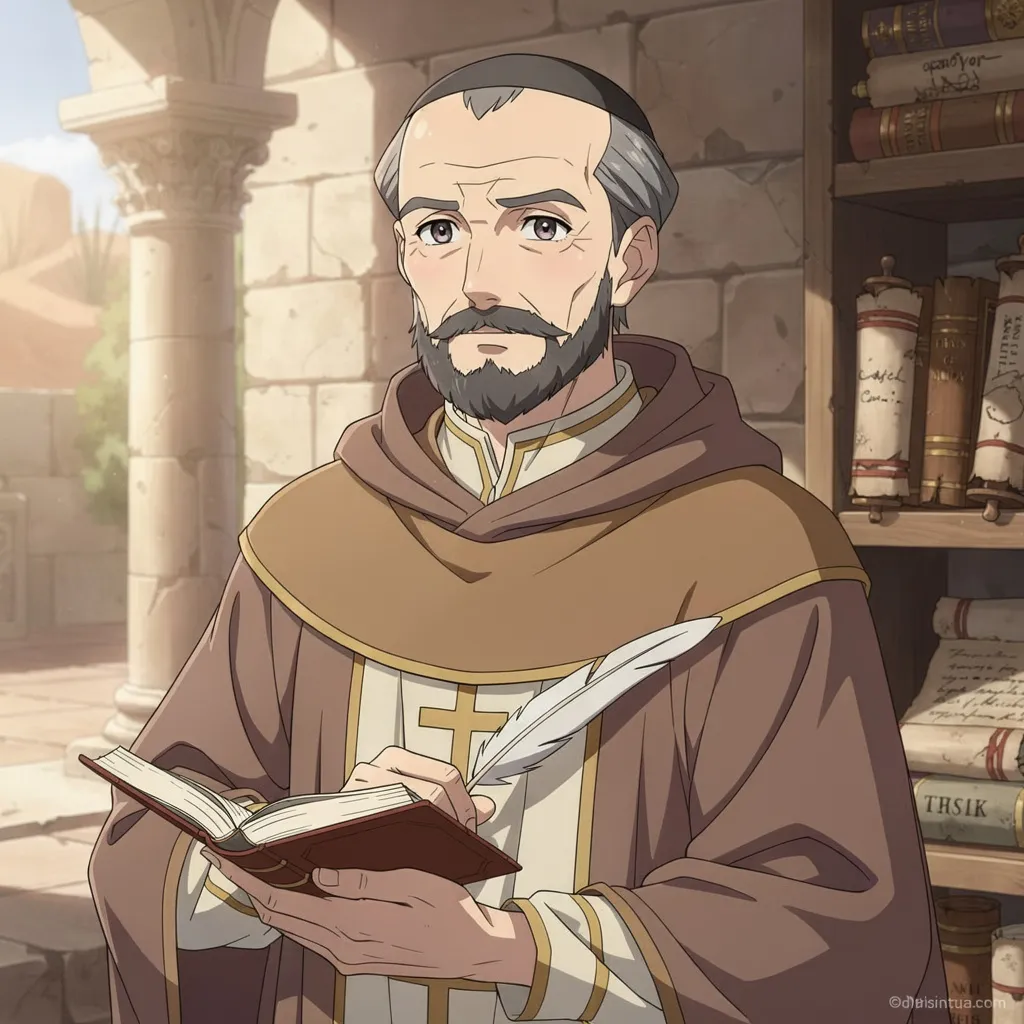
Saint Augustine
A famous Christian thinker and writer who helped shape Christian ideas and learning.
Biography
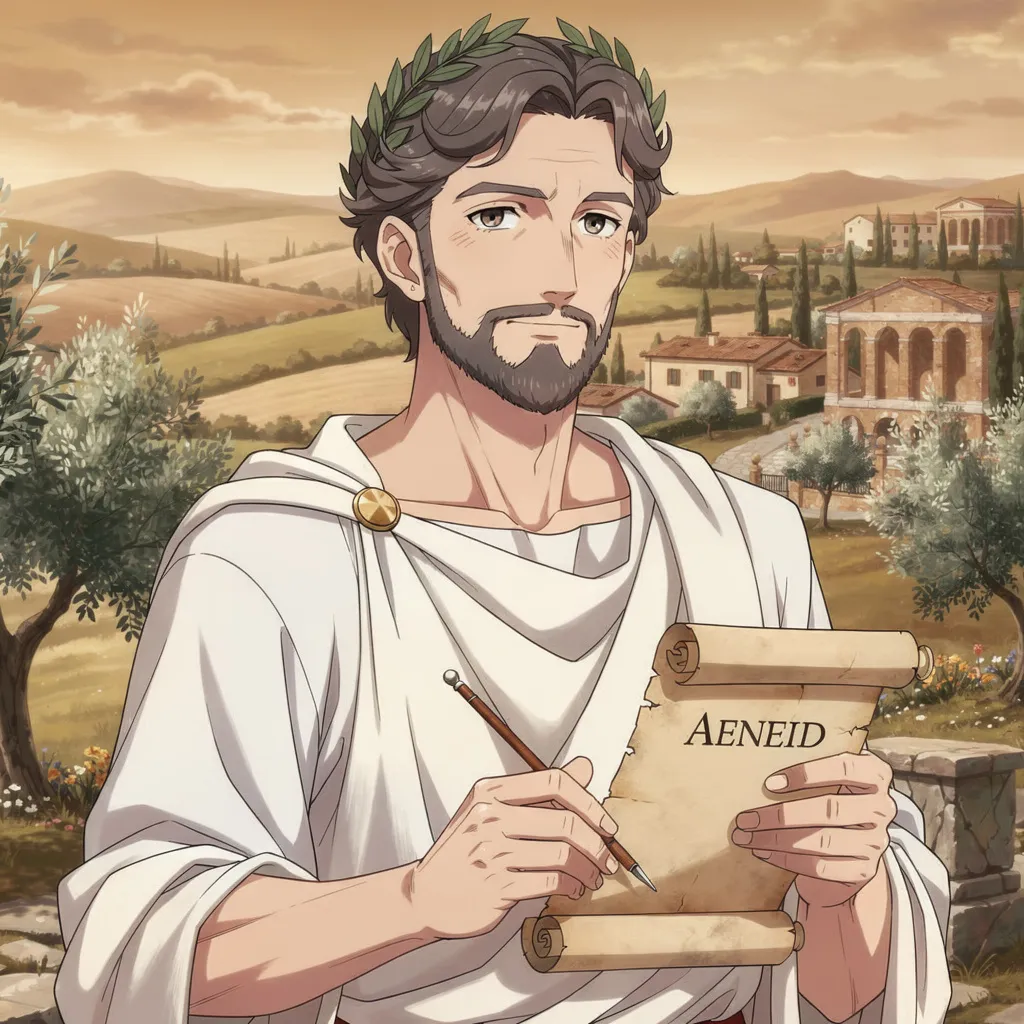
Virgil
A famous Roman poet who wrote the epic poem called the Aeneid
Biography
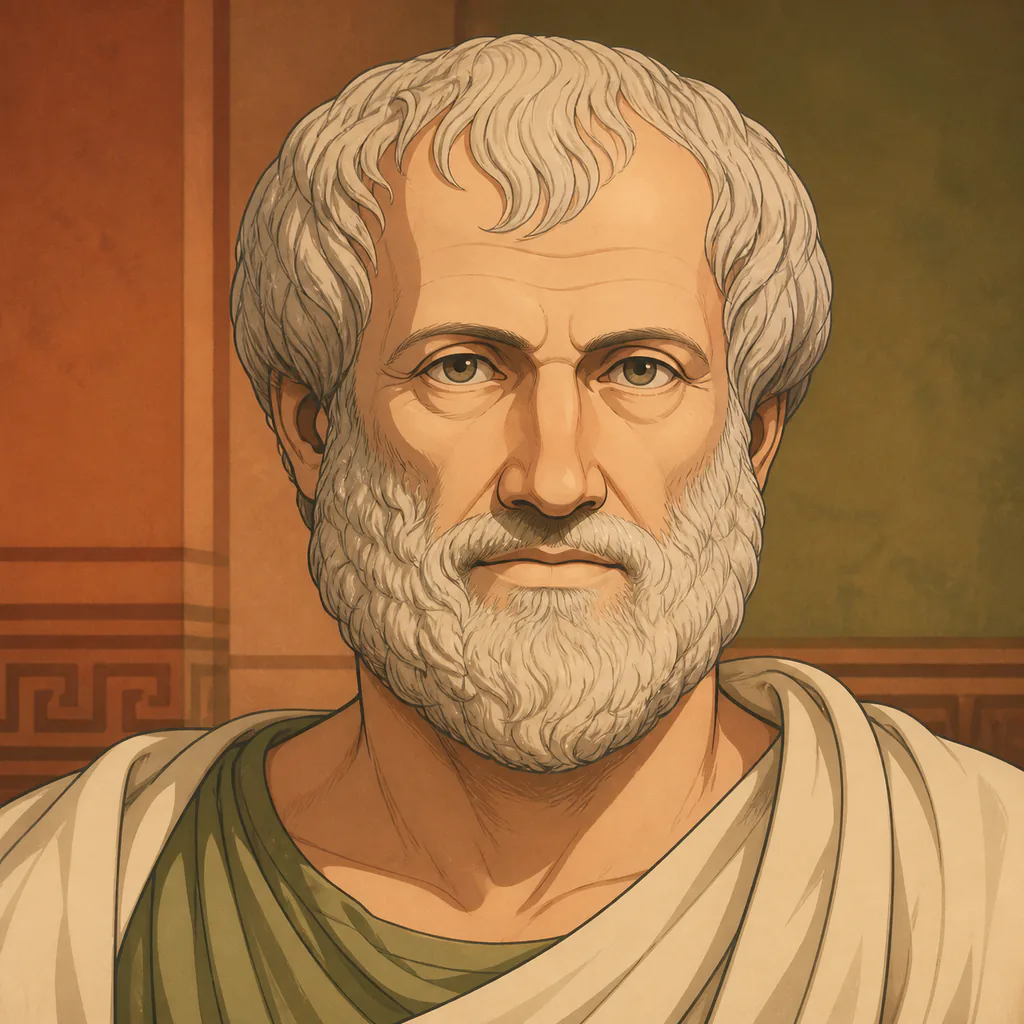
Aristotle
Being one of the greatest thinkers in history and teaching people how to learn through careful thinking and observation.
Biography
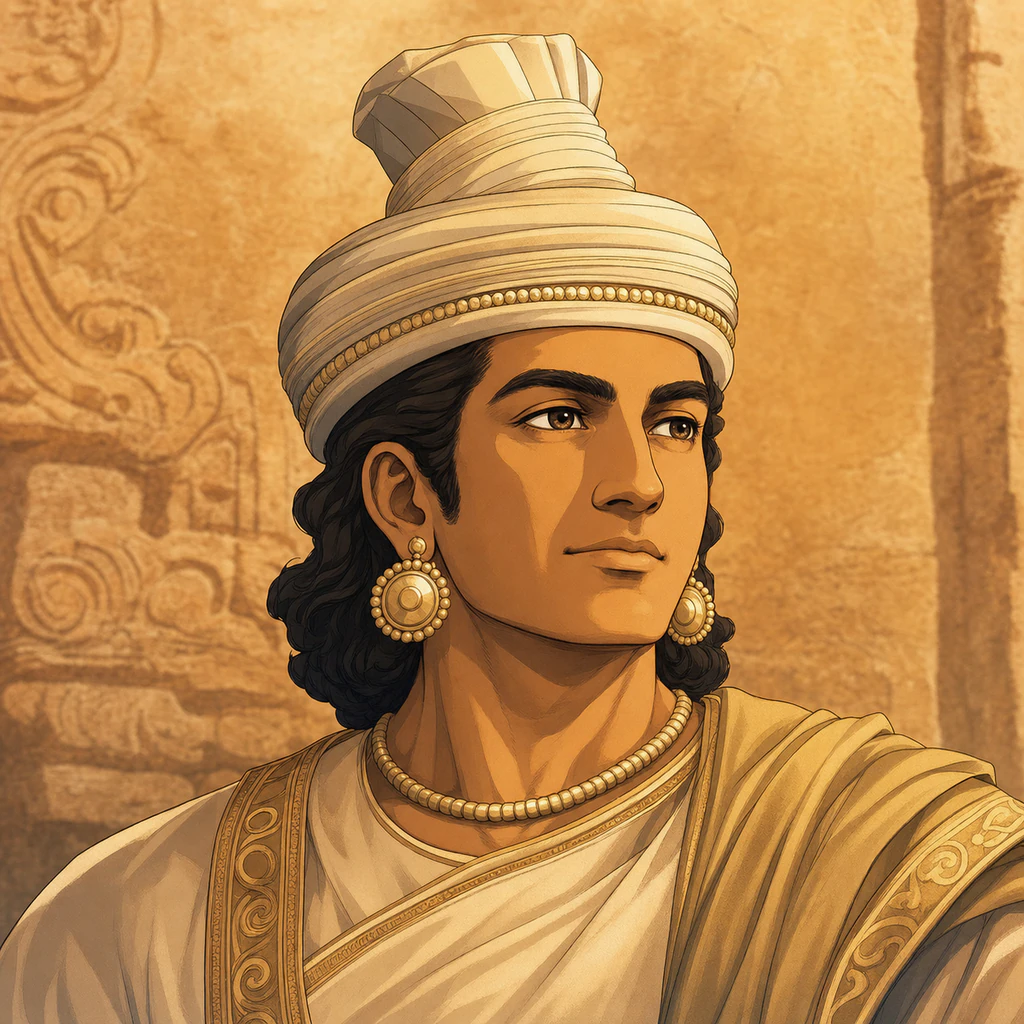
Ashoka the Great
An Indian emperor who chose peace, kindness, and learning to guide his empire.

Biography
Immanuel Kant
Helping people think carefully about right and wrong, knowledge, and how we understand the world
One story at a time
Who will you discover next?
Explore inspiring lives across science, art, history, music, and more.