
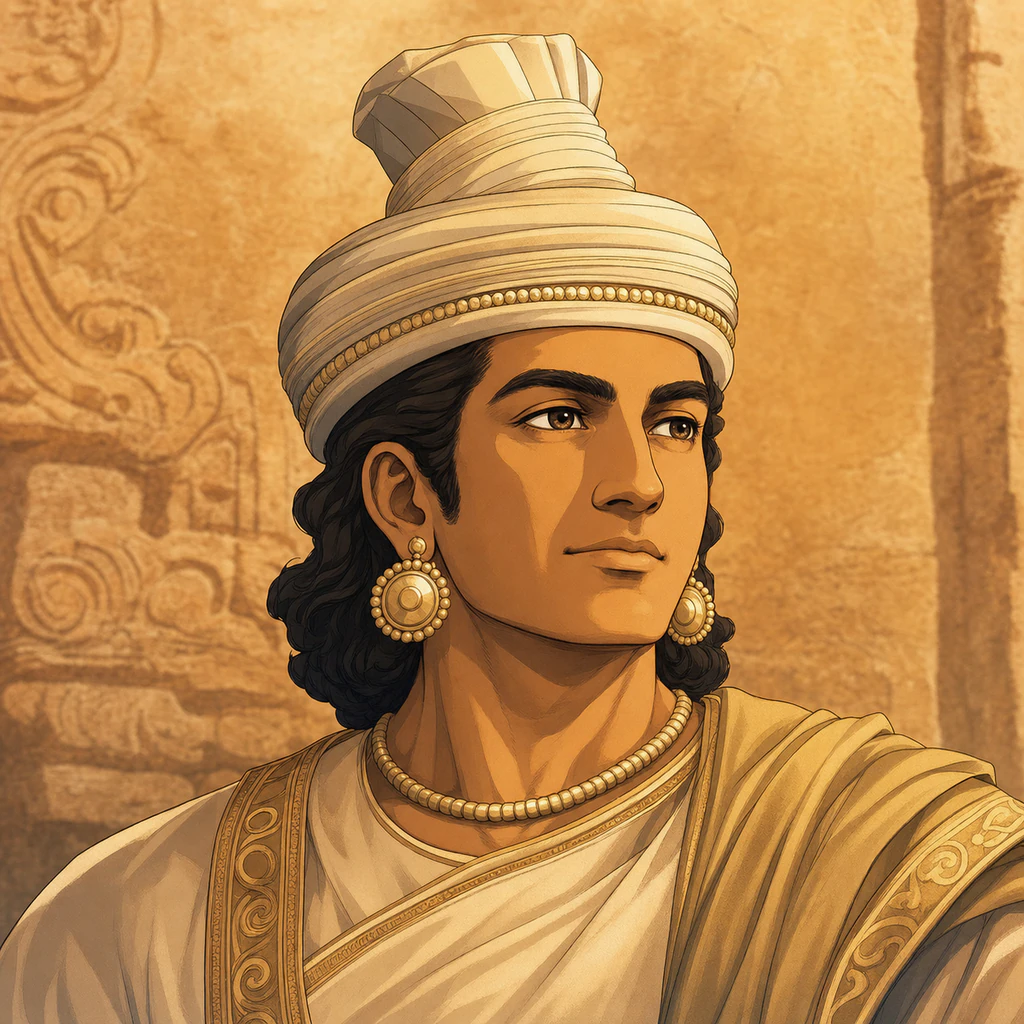
Biography for young readers
Ashoka the Great
An Indian emperor who chose peace, kindness, and learning to guide his empire.
- Lived
- c. 304 BCE - 232 BCE
- From
- Indian
- Reading time
- About 4 min
- Reading guide
- Advanced vocabulary
Watch Ashoka the Great's story unfold
Why this story matters
A life worth remembering
An Indian emperor who chose peace, kindness, and learning to guide his empire.
Think about it
What did you notice?
- Which moment changed the direction of this person's life?
- Which achievement or idea do you think mattered most?
- What is one question you would ask them?
Prefer to read? Open the complete biography transcript
A Prince in the Mauryan Empire
More than 2,200 years ago, one emperor turned regret about a terrible war into messages carved across much of South Asia. Historians often place Ashoka's birth around 304 BCE in the Mauryan royal family. His grandfather Chandragupta had founded the empire, and his father Bindusara ruled after him from Pataliputra, a great city near modern Patna.
Reliable details about Ashoka's childhood are scarce. Many colorful stories about the young prince were written centuries later, so historians compare those traditions with archaeology and Ashoka's own inscriptions. What the evidence does show is that he became the third Mauryan emperor around 268 BCE and governed a huge, multilingual realm.
The Conquest That Changed His Rule
About eight years after his coronation, around 260 BCE, Ashoka conquered Kalinga on India's eastern coast. In Major Rock Edict XIII, he recorded that enormous numbers of people were killed, died later, or were forced from their homes. The words are a ruler's official account, not a complete history of what Kalinga's people experienced, but they preserve his unusual public expression of sorrow.
Ashoka announced that he now valued “conquest by dhamma” more than conquest by weapons. The change was not as simple as a cruel king becoming peaceful overnight: evidence suggests that he was already interested in Buddhism, while the Kalinga disaster deepened his commitment. His army and government remained, yet his later inscriptions repeatedly urged restraint, patience, and concern for others.
Messages Made for a Vast Realm
Ashoka had proclamations cut into rocks, cave walls, and tall polished pillars where travelers and local communities could encounter them. Versions appeared in different languages and scripts across lands that are now India, Pakistan, Nepal, Afghanistan, and Bangladesh. They used titles such as “Beloved of the Gods” and “King Piyadasi”; a few inscriptions also connect those titles with the name Ashoka.
His dhamma was an everyday guide for living together, not simply an order that everyone become Buddhist. The edicts promoted truthfulness, generosity, respect for parents and teachers, care for living beings, and tolerance among religious communities. They also describe officials assigned to public welfare, medical treatment for people and animals, useful herbs, roadside trees, and wells. Ashoka supported Buddhist communities and pilgrimage places while also calling for respect toward other traditions.
Stone Monuments and a Living Legacy
At Sanchi, Ashoka is credited with establishing an early brick stupa and a stone pillar; later rulers enlarged and decorated the site. Lion-topped pillars and other carefully carved monuments joined his written messages to memorable works of public art. No portrait made during his lifetime is known for certain. A relief created centuries later at Kanaganahalli is identified by an inscription naming King Ashoka, but it is a historical remembrance rather than a photograph-like record of his face.
Ashoka died around 232 BCE, and the Mauryan Empire eventually broke apart. His words endured in stone, allowing later readers to study both his ideals and the limits of an emperor describing his own rule. The lion capital at Sarnath inspired India's state emblem, and its wheel appears on the national flag. Ashoka's wider contribution is not a perfect tale of peace; it is evidence that even a powerful ruler could publicly face the harm of war and argue that leadership should protect people, welcome differences, and answer force with moral responsibility.
Did you know?
Fun facts about Ashoka the Great
-
Ashoka's edicts were written in several languages and scripts so messages could travel across a multilingual empire.
-
Some inscriptions call him “Beloved of the Gods” or “King Piyadasi,” while a smaller group also uses the name Ashoka.
-
Ashoka's edicts describe medical care for both people and animals, along with medicinal herbs, wells, and roadside trees.
-
UNESCO traces the beginnings of the Buddhist sanctuary at Sanchi to Ashoka in the third century BCE.
-
A later relief at Kanaganahalli includes an inscription naming King Ashoka, making it a rare identified ancient portrayal.
-
The wheel on India's national flag is based on the wheel shown on the Lion Capital of Ashoka at Sarnath.
Learn & remember
Make the story yours
4 min read · Advanced vocabulary
Three things to remember
- Known for: An Indian emperor who chose peace, kindness, and learning to guide his empire.
- Lived: c. 304 BCE - 232 BCE
- From: Indian
Words to know
Open a word for a short explanation.
empire
A group of lands or peoples ruled by one government or leader.
evidence
Information used to support or test an idea.
Quick check
What do you remember?
Think of an answer, then open each card to check.
What is Ashoka the Great best known for?
An Indian emperor who chose peace, kindness, and learning to guide his empire.
When did Ashoka the Great live?
c. 304 BCE - 232 BCE
What place or nationality is connected to this story?
Indian
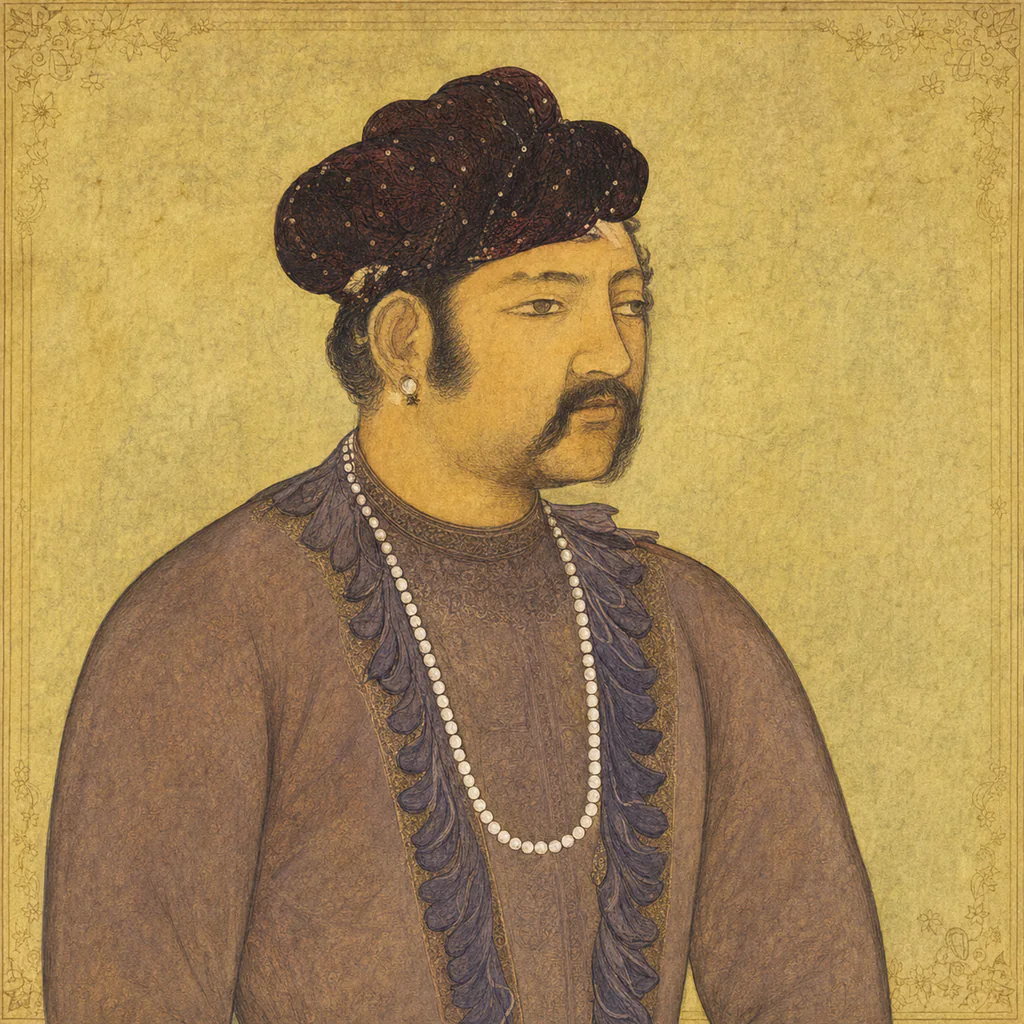
Biography
Akbar the Great
A powerful and wise emperor who helped unite much of South Asia and encouraged fairness, learning, and cooperation.
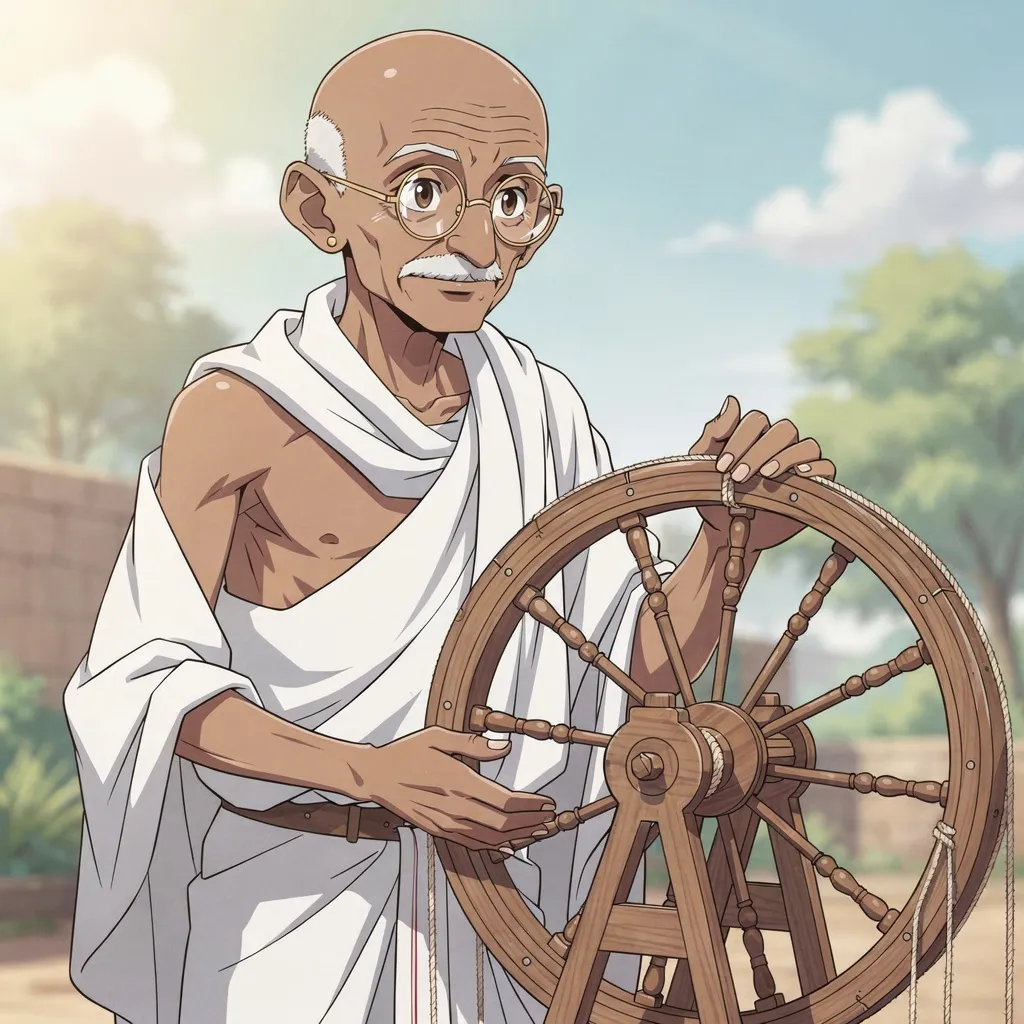
Biography
Mahatma Gandhi
Leading India to independence using peaceful protest and nonviolence
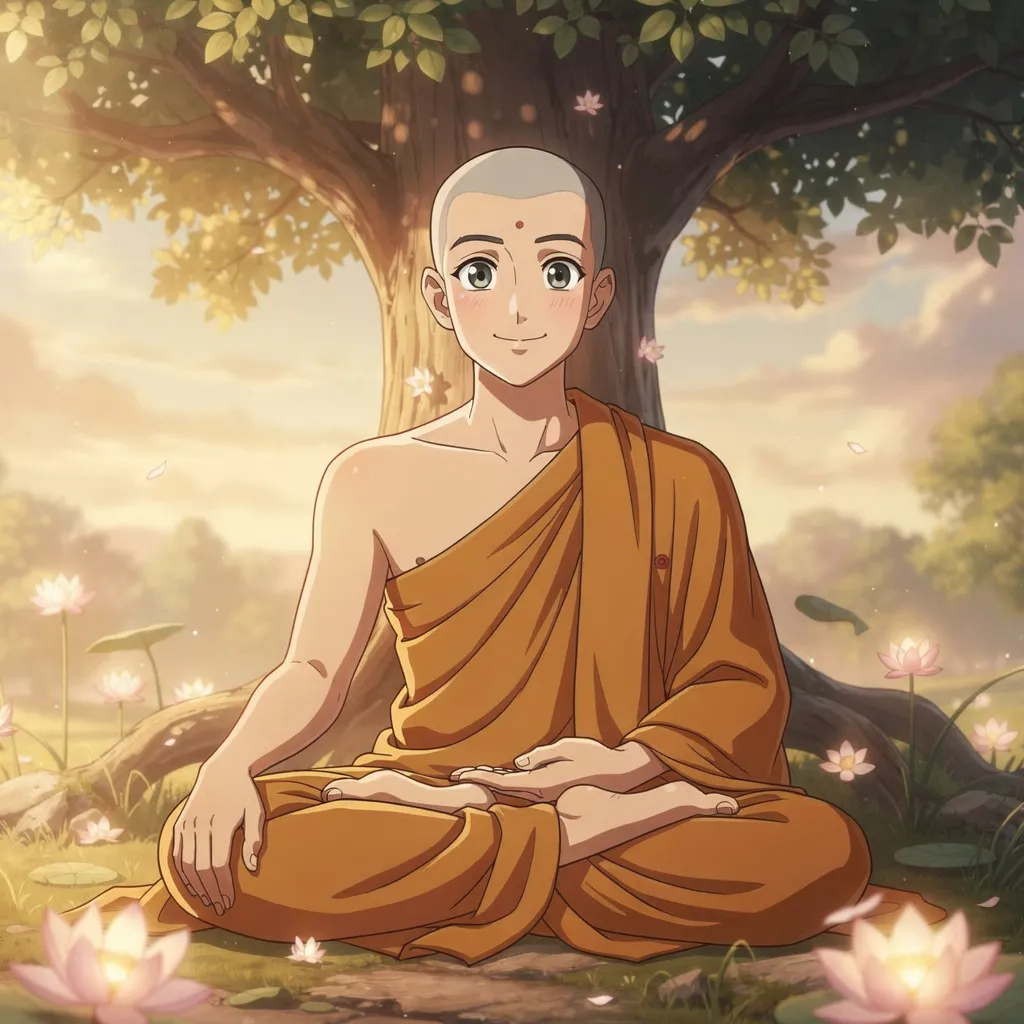
Biography
Siddhartha Gautama (The Buddha)
He was a wise teacher who founded Buddhism and shared lessons about kindness, understanding, and peace.
Biography
Marcus Aurelius
Being a Roman emperor who wrote wise thoughts about kindness, self-control, and doing the right thing.
Biography
Meiji Emperor
Leading Japan during a time of big change that helped modernize the country
Biography
Alexander the Great
Building one of the largest empires in ancient history and spreading Greek culture across many lands
One story at a time
Who will you discover next?
Explore inspiring lives across science, art, history, music, and more.