
Being a famous artist who turned everyday objects into colorful pop art.
Being a famous artist who turned everyday objects into colorful pop art.
Andy Warhol was born in 1928 in Pittsburgh, Pennsylvania. His parents came from a small country in Europe called Slovakia, and they worked very hard to support their family.
As a child, Andy was often sick and had to stay in bed for long periods of time. During those quiet days, he learned to draw, listen to the radio, and dream big. Drawing became his favorite activity.
Andy was very good at art in school, and his teachers noticed his talent. After high school, he went to college to study art and design.
When he finished school, Andy moved to New York City. This big city was full of artists, musicians, and exciting ideas, and Andy felt inspired right away.
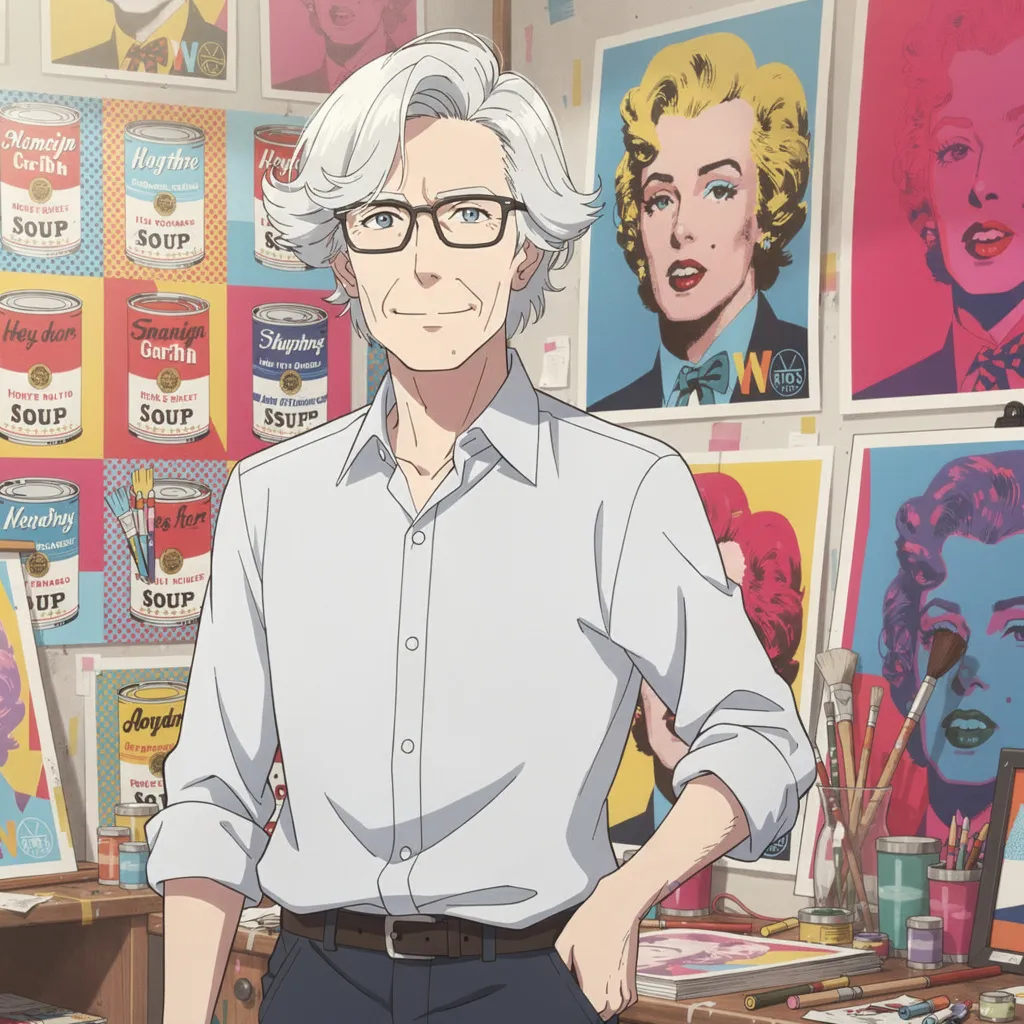
Andy Warhol became famous for a style called "pop art." Pop art uses images from everyday life, like soup cans, comic strips, and famous people.
One of his most famous artworks shows colorful cans of soup. Andy wanted to show that ordinary things could be art too. This idea was new and surprising, and many people loved it.
Andy worked in a studio he called "The Factory." It was a fun and busy place where artists and friends gathered to create art together.
He used special printing techniques to make many versions of the same picture. This helped him create bright, bold art that was easy to recognize, including his famous portraits of Marilyn Monroe.
Andy Warhol changed how people think about art. He showed that art could be playful, colorful, and connected to everyday life.
Today, his artwork is displayed in museums all around the world. Many artists are still inspired by his ideas and creative style.
Andy Warhol’s story teaches us that being different and creative can help change the world.
Andy loved drawing pictures of cats when he was young.
He once said that everyone could be famous for 15 minutes.
Andy often wore a silver wig that became his signature look.
His artwork includes bright portraits of movie stars like Marilyn Monroe.
2 min read · Independent-reader guide
Think of an answer, then open each card to check.
Being a famous artist who turned everyday objects into colorful pop art.
1928-1987
American

An American artist famous for his bright, bold drawings of dancing figures and symbols that shared messages of joy and kindness.
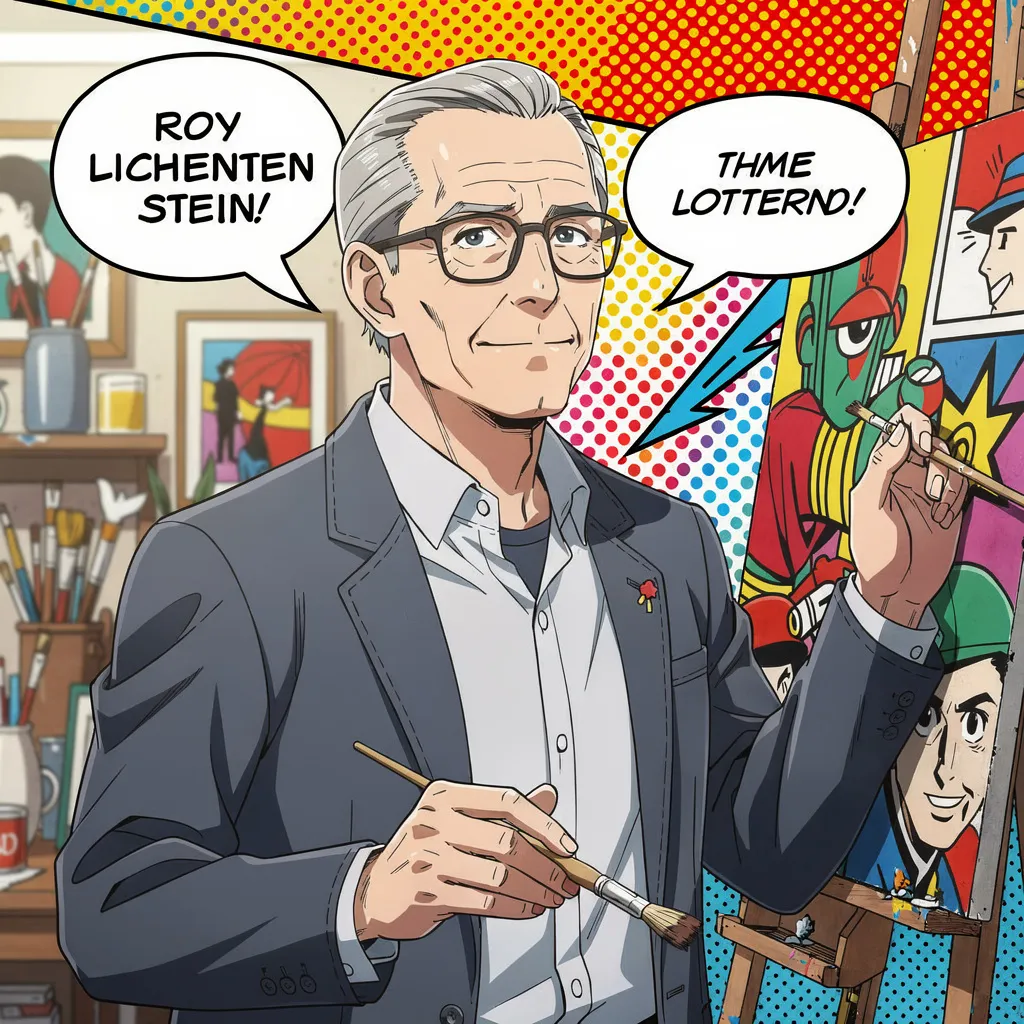
He was a famous pop artist known for turning comic book styles into colorful fine art.

Creating giant, shiny sculptures inspired by everyday objects like balloons and toys.

A famous street artist known for creative graffiti art with strong messages.
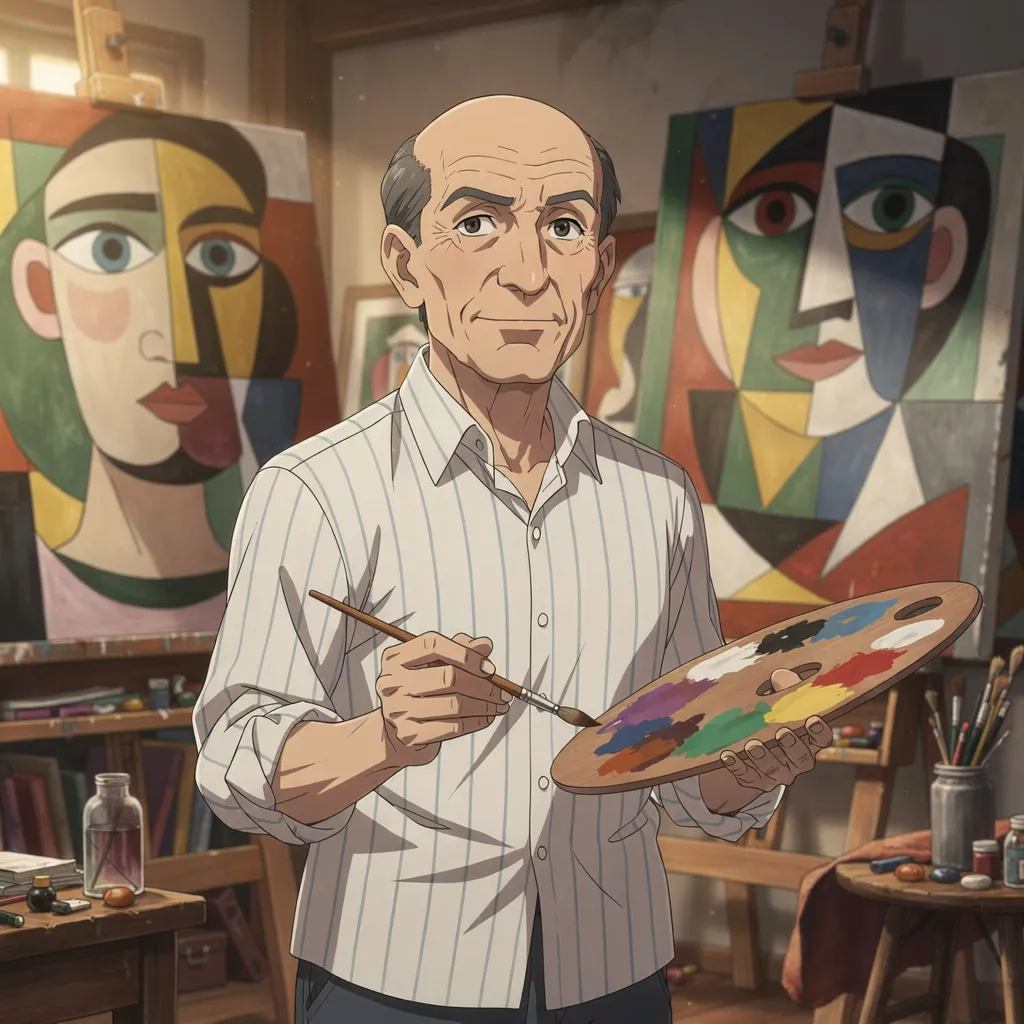
A famous artist who helped create Cubism and changed how people see art.

A creative American artist who mixed street art and fine art to share powerful ideas through painting.
Explore inspiring lives across science, art, history, music, and more.