
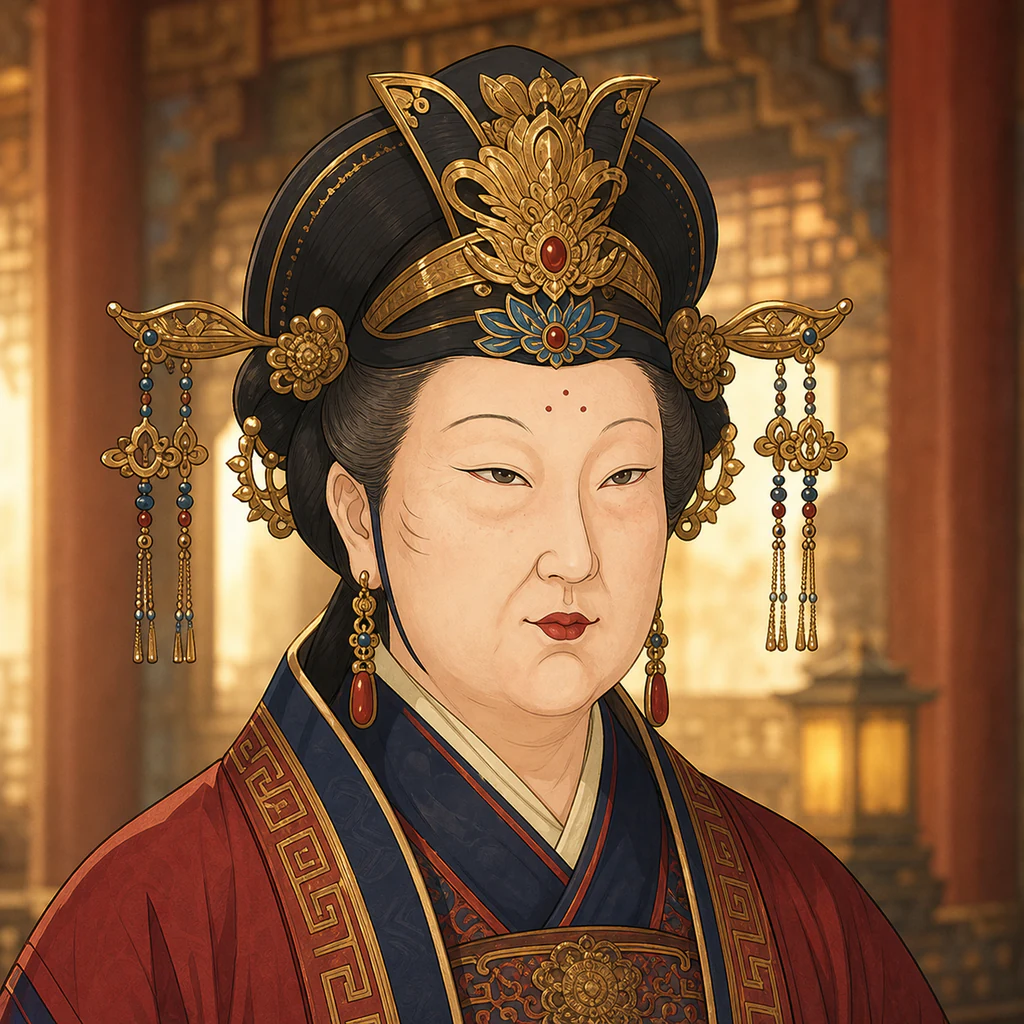
Biography for young readers
Wu Zetian
Being the only woman to rule China as emperor in her own name
- Lived
- 624–705
- From
- Chinese
- Reading time
- About 3 min
- Reading guide
- Advanced vocabulary
Watch Wu Zetian's story unfold
Why this story matters
A life worth remembering
Being the only woman to rule China as emperor in her own name
Think about it
What did you notice?
- Which moment changed the direction of this person's life?
- Which achievement or idea do you think mattered most?
- What is one question you would ask them?
Prefer to read? Open the complete biography transcript
A Teenager Enters the Tang Court
A child born in 624 would eventually do something no other woman in China’s imperial history is known to have done: rule the country in her own name as emperor. Wu came from a prosperous family connected to the new Tang dynasty, although historians still debate her exact birthplace. As a teenager, she entered Emperor Taizong’s palace as a junior consort, a court position with an official rank and duties.
When Taizong died in 649, palace custom sent consorts who had not borne children to a Buddhist convent. Wu later returned to court during the reign of Taizong’s son, Emperor Gaozong, and began a remarkable rise through the palace hierarchy.
From Consort to Empress
In 655, Gaozong made Wu his empress. As his health weakened, she took a growing part in government: she reviewed reports, worked with officials, and helped make state decisions. After Gaozong died in 683, Wu governed as empress dowager while first one son and then another held the emperor’s title.
Her climb was not a gentle one. Wu removed political opponents, and her government used informers, harsh punishments, and purges against suspected enemies. Later histories also repeat dramatic accusations about deaths inside her family and court. Some details remain disputed, so careful historians separate well-documented political violence from stories recorded later by writers who strongly opposed the idea of a woman ruling.
Taking the Title of Emperor
In 690, Wu took the title huangdi, or emperor, and founded her own Zhou dynasty. She ruled from Luoyang until 705 and remains the only woman in Chinese history to have formally held China’s highest imperial title. The examination system for choosing officials already existed, but her government widened its use and recruited talented men from beyond the most powerful old families.
Wu also changed ceremonies so that mothers and female ancestors received greater honor. She strongly supported Buddhism, and her patronage was connected with the great Tang-era carvings at the Longmen Grottoes near Luoyang. She even adopted the personal name Zhao, written with a newly created character containing signs for the sun and moon above the sky. Reform, cultural patronage, and severe control all existed side by side in her rule.
A Complicated and Lasting Legacy
In early 705, a palace coup forced the elderly emperor to step down, and her son Zhongzong restored the Tang dynasty. Wu died later that year at about 81 and was buried beside Gaozong at the Qianling Mausoleum. A large stone tablet near the tomb was left without a written list of achievements, an unusual monument for a ruler whose life inspired so many arguments.
For centuries, accounts often treated Wu as either a terrifying usurper or an extraordinary hero. The fuller picture is more complicated: she broke a barrier no other woman in imperial China crossed, recruited capable officials, encouraged major religious art, and also ruled through fear and punishment. Studying both the achievements and the harm helps readers understand her wider contribution without turning a real person into a simple villain or legend.
Did you know?
Fun facts about Wu Zetian
-
Wu Zetian is the only woman in Chinese history known to have formally ruled the country with the title of emperor.
-
Her personal name Zhao used a specially created character that placed the signs for the sun and moon above the sky.
-
Wu’s government widened the use of examinations to recruit officials beyond the most powerful aristocratic families.
-
She changed mourning and ancestor-honoring customs to give mothers and female ancestors greater recognition.
-
Wu was connected with major Buddhist patronage at the Longmen Grottoes near her capital, Luoyang.
Learn & remember
Make the story yours
3 min read · Advanced vocabulary
Three things to remember
- Known for: Being the only woman to rule China as emperor in her own name
- Lived: 624–705
- From: Chinese
Quick check
What do you remember?
Think of an answer, then open each card to check.
What is Wu Zetian best known for?
Being the only woman to rule China as emperor in her own name
When did Wu Zetian live?
624–705
What place or nationality is connected to this story?
Chinese
Biography
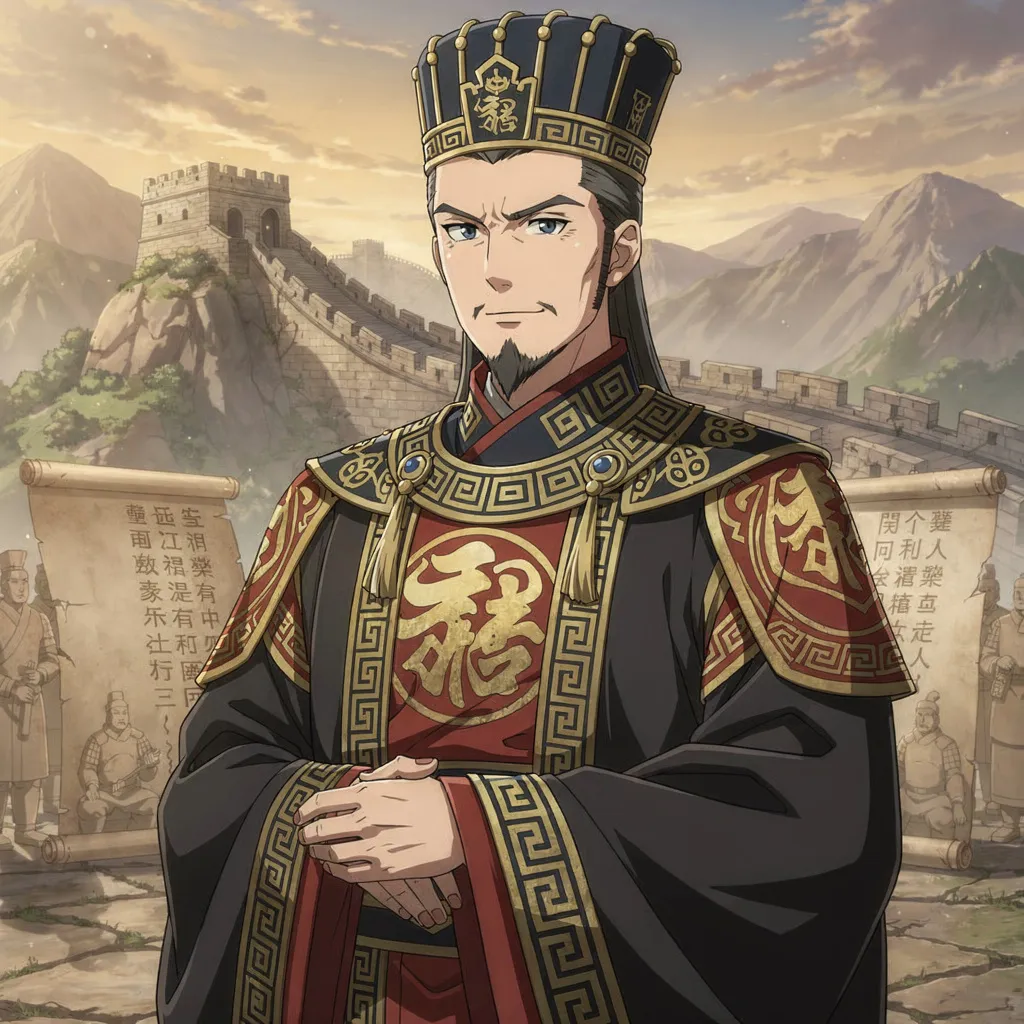
Qin Shi Huang
Being the first emperor to unite China and create a strong, organized empire.
Biography
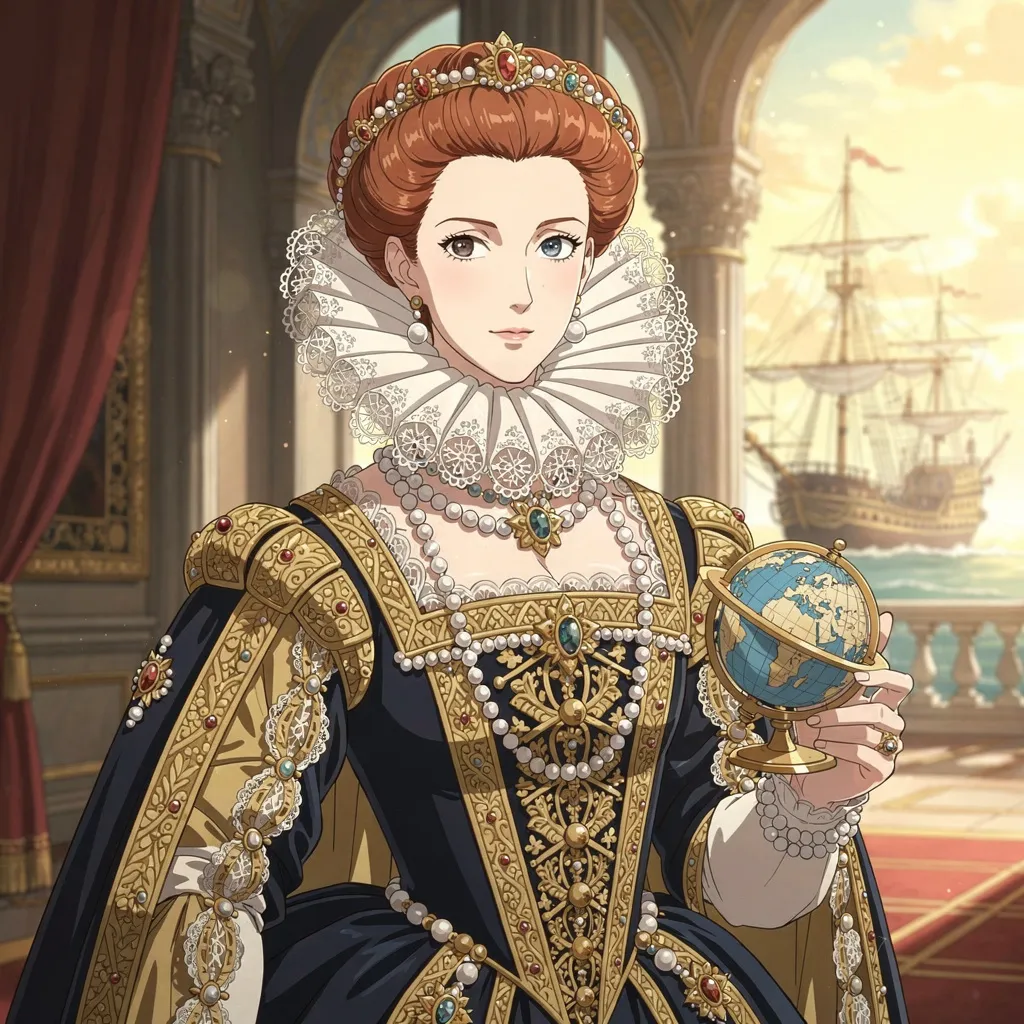
Queen Elizabeth I
Being a powerful Queen of England who led the country during a time called the Golden Age.
Biography
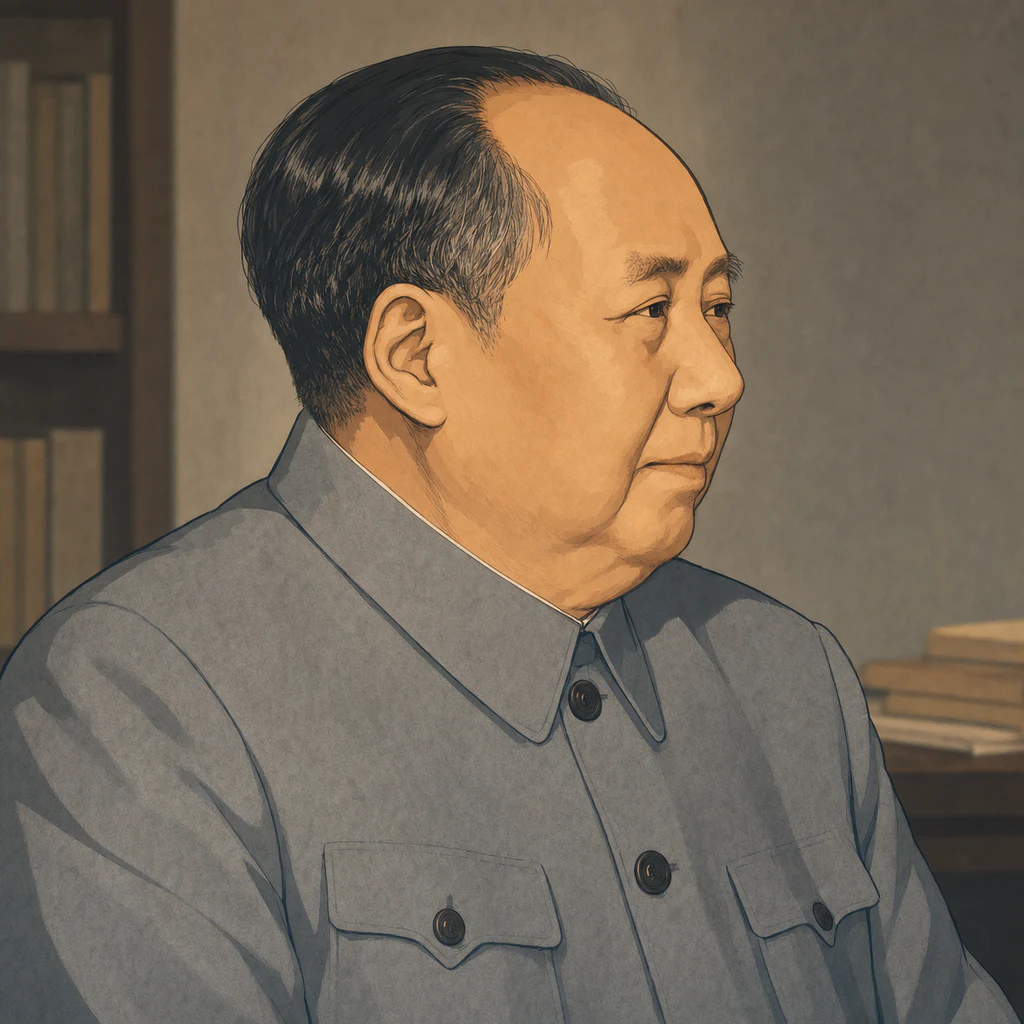
Mao Zedong
Helping to found the People’s Republic of China and leading the country for many years
Biography
Cleopatra VII
Being the last active pharaoh of ancient Egypt and a smart, powerful leader
Biography
Zhang Ziyi
A famous Chinese actress known for her powerful roles in martial arts and drama films
Biography
Queen Elizabeth II
She was the longest-reigning monarch in British history and a symbol of service and duty.
One story at a time
Who will you discover next?
Explore inspiring lives across science, art, history, music, and more.