
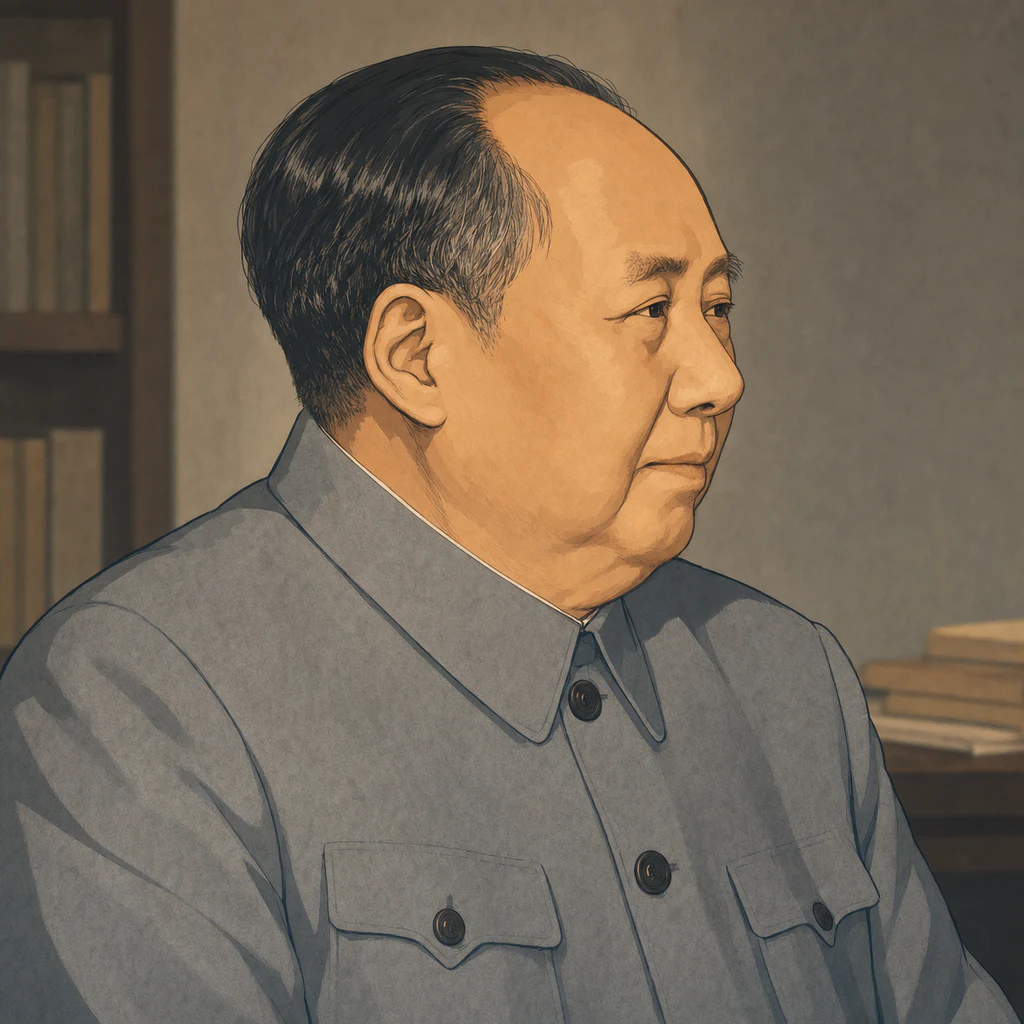
Biography for young readers
Mao Zedong
Helping to found the People’s Republic of China and leading the country for many years
- Lived
- 1893–1976
- From
- Chinese
- Reading time
- About 3 min
- Reading guide
- Independent-reader guide
Watch Mao Zedong's story unfold
Why this story matters
A life worth remembering
Helping to found the People’s Republic of China and leading the country for many years
Think about it
What did you notice?
- Which moment changed the direction of this person's life?
- Which achievement or idea do you think mattered most?
- What is one question you would ask them?
Prefer to read? Open the complete biography transcript
From a Hunan Village to New Ideas
Mao Zedong was born on December 26, 1893, in Shaoshan, a village in China's Hunan Province. His family farmed the land, and as a boy he worked in the fields as well as attending school. China was changing rapidly: the last imperial dynasty fell in 1911, and competing groups struggled over how the country should be governed.
Mao trained as a teacher at Hunan First Normal School and graduated in 1918. That autumn he moved to Beijing and worked at the Peking University Library. There he encountered Marxist ideas about class and revolution. Back in Hunan, he organized students and workers. In July 1921, he attended the first congress of the Chinese Communist Party, or CCP, as one of its early members.
Revolution, Retreat, and Victory
The CCP first cooperated with the Nationalist Party, then the partnership broke apart violently in 1927. Mao argued that China's enormous peasant population could become the revolution's main force. Communist fighters built rural bases, while Nationalist armies tried to destroy them. During the difficult 1934–1935 retreat known as the Long March, Mao rose to the CCP's top leadership.
After Japan expanded its war in China in 1937, Communists and Nationalists formed another uneasy alliance. Their civil war resumed after Japan's 1945 defeat. Communist forces won control of the mainland, and Nationalist leaders withdrew to Taiwan. On October 1, 1949, Mao announced the People's Republic of China in Beijing and became its most powerful leader.
Campaigns That Remade—and Hurt—China
The new one-party state redistributed land, expanded its control across the country, and pursued education, public health, industrial growth, and new legal rights for women. It also crushed political opposition, and campaigns against supposed enemies brought imprisonment, violence, and executions.
In 1958, Mao launched the Great Leap Forward, hoping to transform farming and industry at extraordinary speed. Rural families were grouped into large communes, production goals became unrealistic, and officials often reported harvests that did not exist. Government policies and pressure were central to the huge famine that followed. Exact estimates differ, but historians agree that tens of millions of people died.
In 1966, Mao launched the Cultural Revolution and encouraged young Red Guards to attack people and traditions labeled disloyal or outdated. Teachers, officials, and families were persecuted; schools and workplaces were disrupted; cultural objects were destroyed; and many people were beaten, imprisoned, sent away for forced labor, or killed. The upheaval continued until 1976.
A Diplomatic Opening and a Difficult Legacy
Mao met U.S. President Richard Nixon in Beijing on February 21, 1972, during a visit that began a new stage in relations between the two countries. Mao's health was declining, and he died on September 9, 1976, at age 82.
Mao's legacy remains deeply contested. He helped lead a revolution that founded the People's Republic and reshaped China's place in the world. Yet he also built an authoritarian system and drove campaigns that caused vast suffering. Understanding modern China requires looking at both the changes made under his leadership and the human cost of unchecked power. His life is a reminder that enormous plans must be judged not only by their goals, but by what happens to ordinary people.
Did you know?
Fun facts about Mao Zedong
-
Mao Zedong graduated from Hunan First Normal School in 1918.
-
He worked at the Peking University Library before becoming a national political leader.
-
Mao attended the Chinese Communist Party's first congress in 1921.
-
He announced the founding of the People's Republic of China on October 1, 1949.
-
Mao met U.S. President Richard Nixon in Beijing on February 21, 1972.
Learn & remember
Make the story yours
3 min read · Independent-reader guide
Three things to remember
- Known for: Helping to found the People’s Republic of China and leading the country for many years
- Lived: 1893–1976
- From: Chinese
Words to know
Open a word for a short explanation.
revolution
A major and often rapid change in government or society.
Quick check
What do you remember?
Think of an answer, then open each card to check.
What is Mao Zedong best known for?
Helping to found the People’s Republic of China and leading the country for many years
When did Mao Zedong live?
1893–1976
What place or nationality is connected to this story?
Chinese
Biography
Deng Xiaoping
Helping modernize China through practical ideas and economic reforms
Biography
Sun Yat-sen
Helping to start the Republic of China and being called the Father of Modern China
Biography
Vladimir Lenin
Helping to lead major changes in Russia and becoming the first leader of the Soviet Union
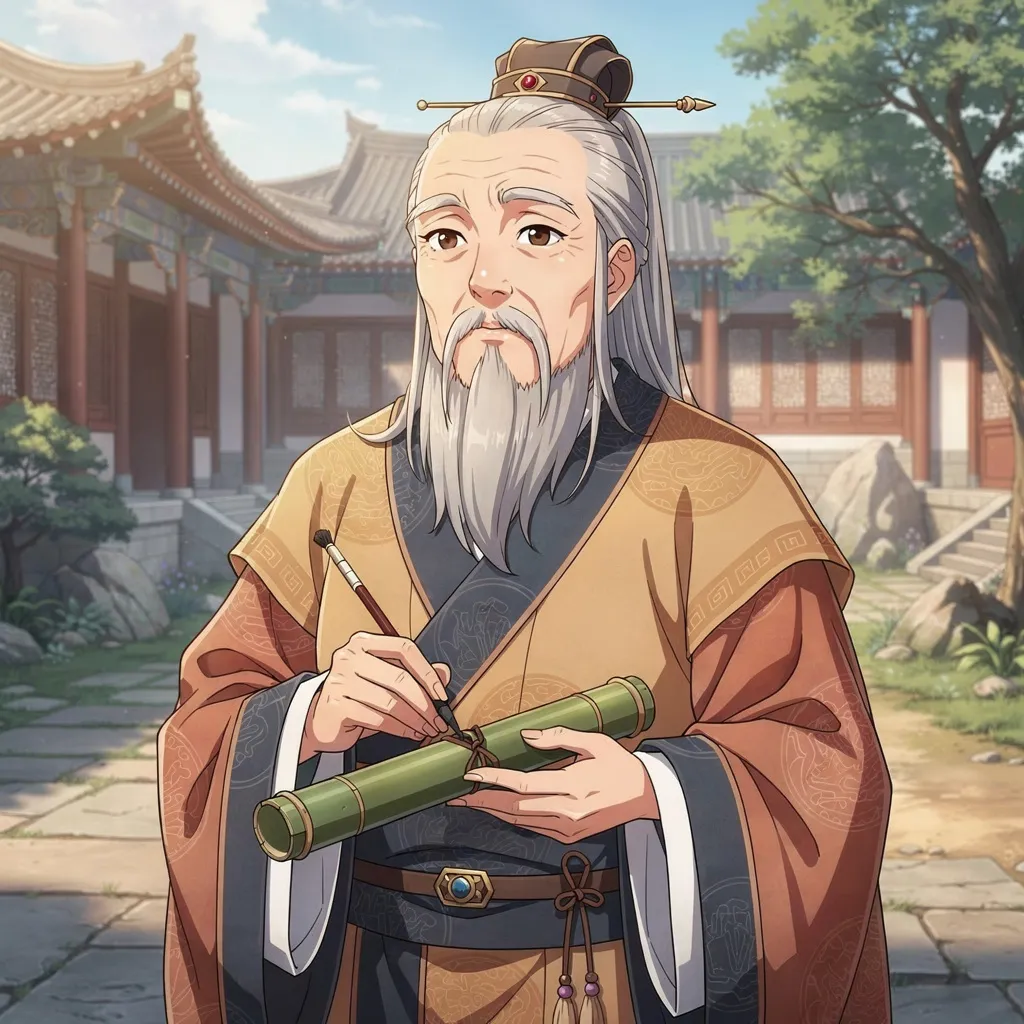
Biography
Confucius
A famous Chinese teacher and philosopher who shared ideas about kindness, respect, and good behavior
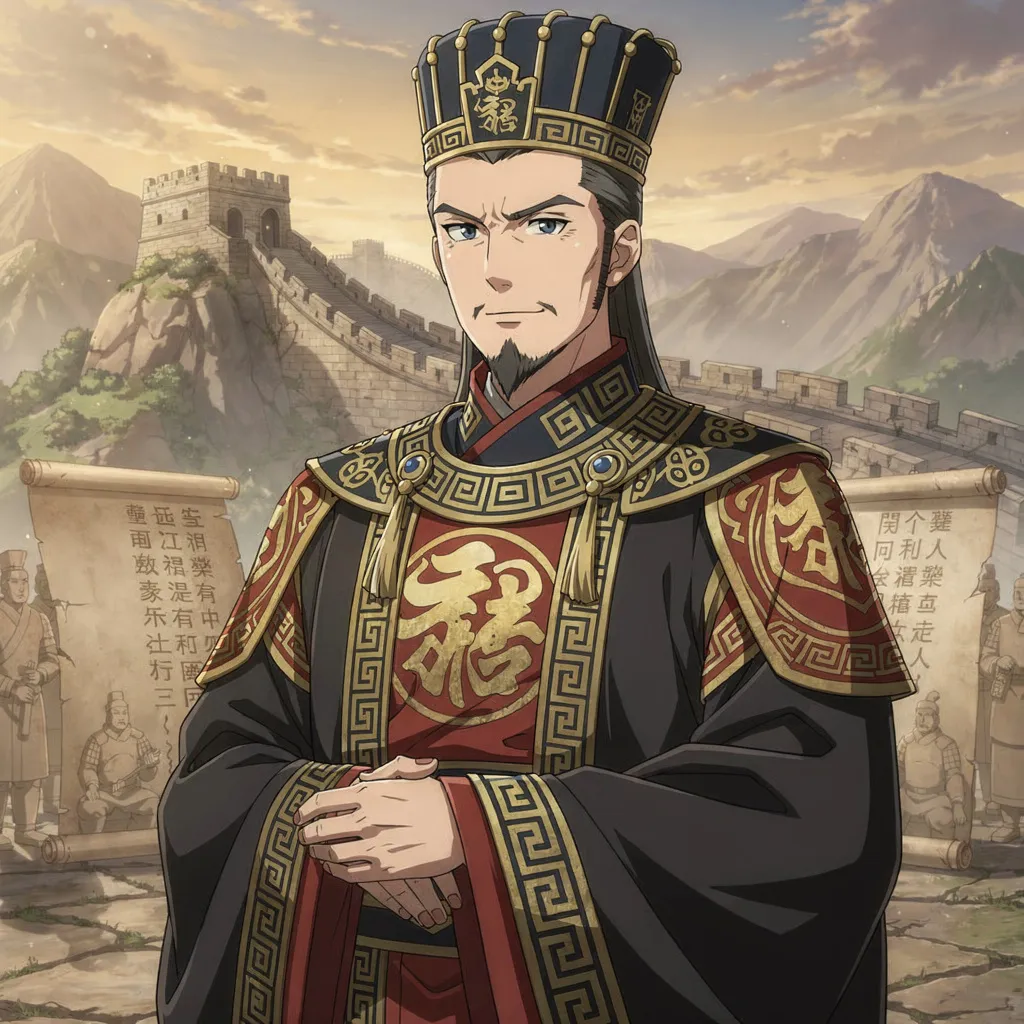
Biography
Qin Shi Huang
Being the first emperor to unite China and create a strong, organized empire.
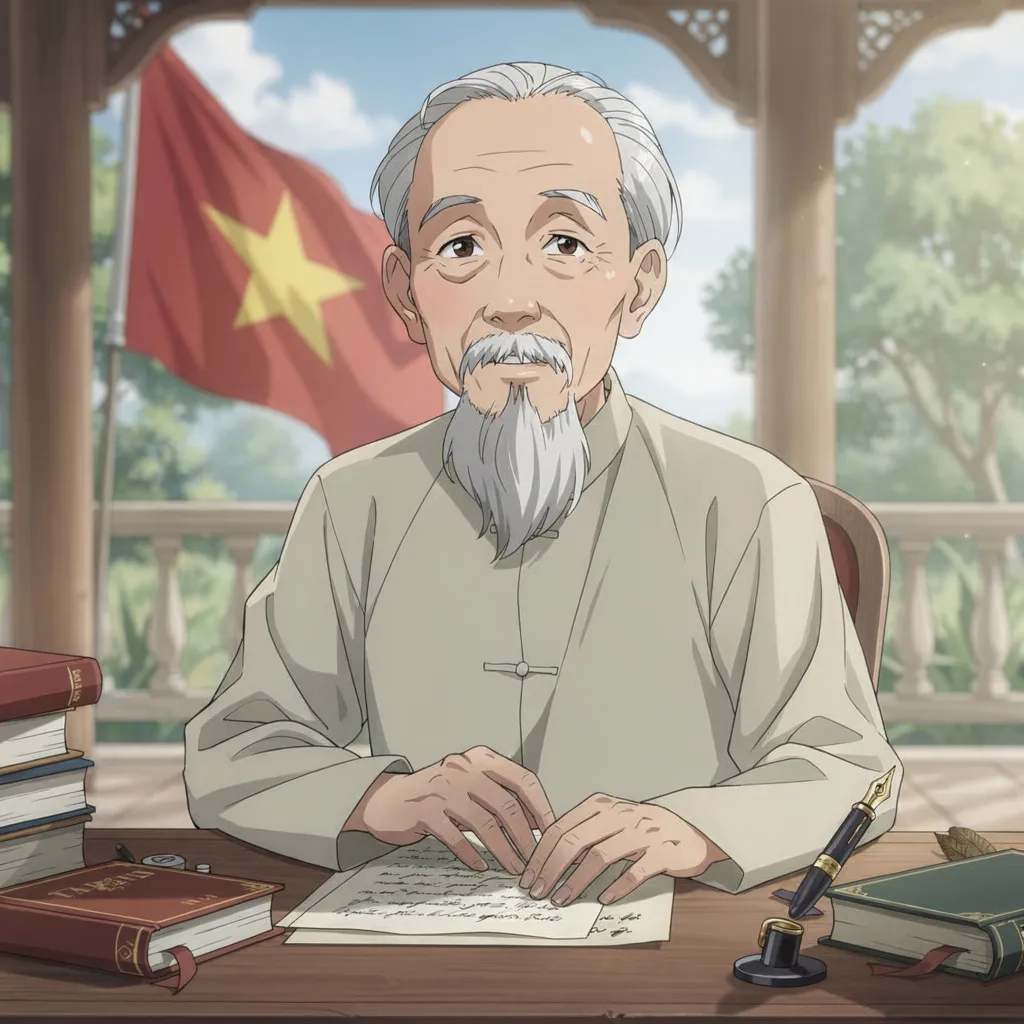
Biography
Ho Chi Minh
Leading Vietnam’s journey toward independence and becoming its first president
One story at a time
Who will you discover next?
Explore inspiring lives across science, art, history, music, and more.