
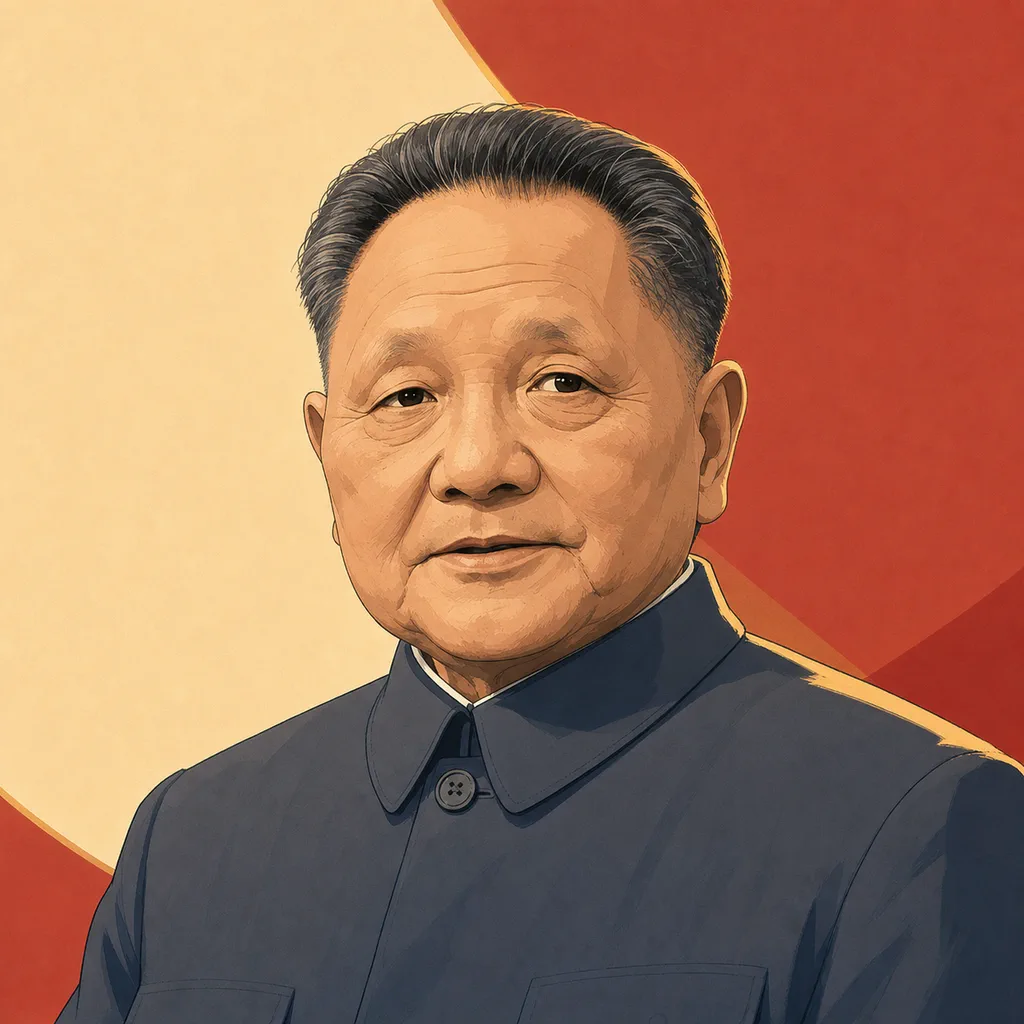
Biography for young readers
Deng Xiaoping
Helping modernize China through practical ideas and economic reforms
- Lived
- 1904-1997
- From
- Chinese
- Reading time
- About 3 min
- Reading guide
- Independent-reader guide
Watch Deng Xiaoping's story unfold
Why this story matters
A life worth remembering
Helping modernize China through practical ideas and economic reforms
Think about it
What did you notice?
- Which moment changed the direction of this person's life?
- Which achievement or idea do you think mattered most?
- What is one question you would ask them?
Prefer to read? Open the complete biography transcript
From Sichuan to Europe
Deng Xiaoping was born Deng Xiansheng on August 22, 1904, in Guang’an county in Sichuan, China. At 16, he joined a work-study program in France. Life there was not easy: he studied only briefly and then worked in factories and other jobs. While in Europe, he joined a Chinese communist youth group and, in 1924, the Chinese Communist Party. He later studied in Moscow before returning to China in 1927.
Deng spent the next two decades in the Communist movement. He took part in the Long March of 1934–1935, served as a political leader during China’s war against Japan, and worked with Communist forces in the civil war that followed. Those experiences placed him among the party leaders who helped establish the People’s Republic of China in 1949.
Rising, Falling, and Returning
During the 1950s and early 1960s, Deng held important party and government jobs. He supported policies that brought rapid political change, including campaigns that punished people labeled as critics of the Communist Party. In 1966, Mao Zedong’s Cultural Revolution turned against officials considered insufficiently revolutionary. Deng lost his positions, was sent to work in a rural factory, and his family was persecuted.
He returned to national work in 1973, was removed again in 1976, and regained his posts in 1977. After Mao’s death, Deng became China’s most influential leader by the end of 1978, even though he never served as the country’s president or the Communist Party’s chairman. His unusual rise showed that a person’s formal title does not always reveal where political power lies.
Reforming China and Opening New Doors
Deng and other leaders shifted attention toward the “Four Modernizations” of agriculture, industry, national defense, and science and technology. Rural families gained more control over what they produced, private businesses were permitted to grow, and special economic zones tested new rules for trade and investment. The changes were gradual experiments rather than one single plan.
In January 1979, Deng became the first senior leader of the People’s Republic of China to visit the United States. The trip helped expand exchanges in science, education, and culture. Over the following decades, reform and opening helped drive extraordinary economic growth and lifted hundreds of millions of people from extreme poverty. The transformation also brought difficult effects, including wider inequality and uneven opportunities.
Political Limits and a Complicated Legacy
Deng favored economic experimentation but kept firm limits on political opposition. In 1989, student-led demonstrations grew in Beijing and other cities. Senior leaders, including Deng, backed the use of military force in Beijing on June 3–4. Many civilians and soldiers died, although the exact number remains disputed. The crackdown is essential to understanding his record.
Deng left his last official leadership posts in 1989 and 1990, but his 1992 tour of southern China helped restart reforms that had slowed. He died in Beijing on February 19, 1997, at age 92. Deng’s wider contribution was to redirect China toward markets, international exchange, and rapid development. His life also shows that economic change and political freedom do not always advance together. Remembering both the enormous growth and the human cost of repression gives a fuller picture of his complicated influence.
Did you know?
Fun facts about Deng Xiaoping
-
Deng Xiaoping traveled to France at age 16 through a work-study program.
-
He took part in the Long March in 1934–1935.
-
Deng became China’s most influential leader without serving as president or Communist Party chairman.
-
During his 1979 U.S. visit, he was photographed wearing a cowboy hat at a Texas rodeo.
-
His 1992 tour of southern China helped renew the country’s economic reforms.
Learn & remember
Make the story yours
3 min read · Independent-reader guide
Three things to remember
- Known for: Helping modernize China through practical ideas and economic reforms
- Lived: 1904-1997
- From: Chinese
Words to know
Open a word for a short explanation.
revolution
A major and often rapid change in government or society.
Quick check
What do you remember?
Think of an answer, then open each card to check.
What is Deng Xiaoping best known for?
Helping modernize China through practical ideas and economic reforms
When did Deng Xiaoping live?
1904-1997
What place or nationality is connected to this story?
Chinese
Biography
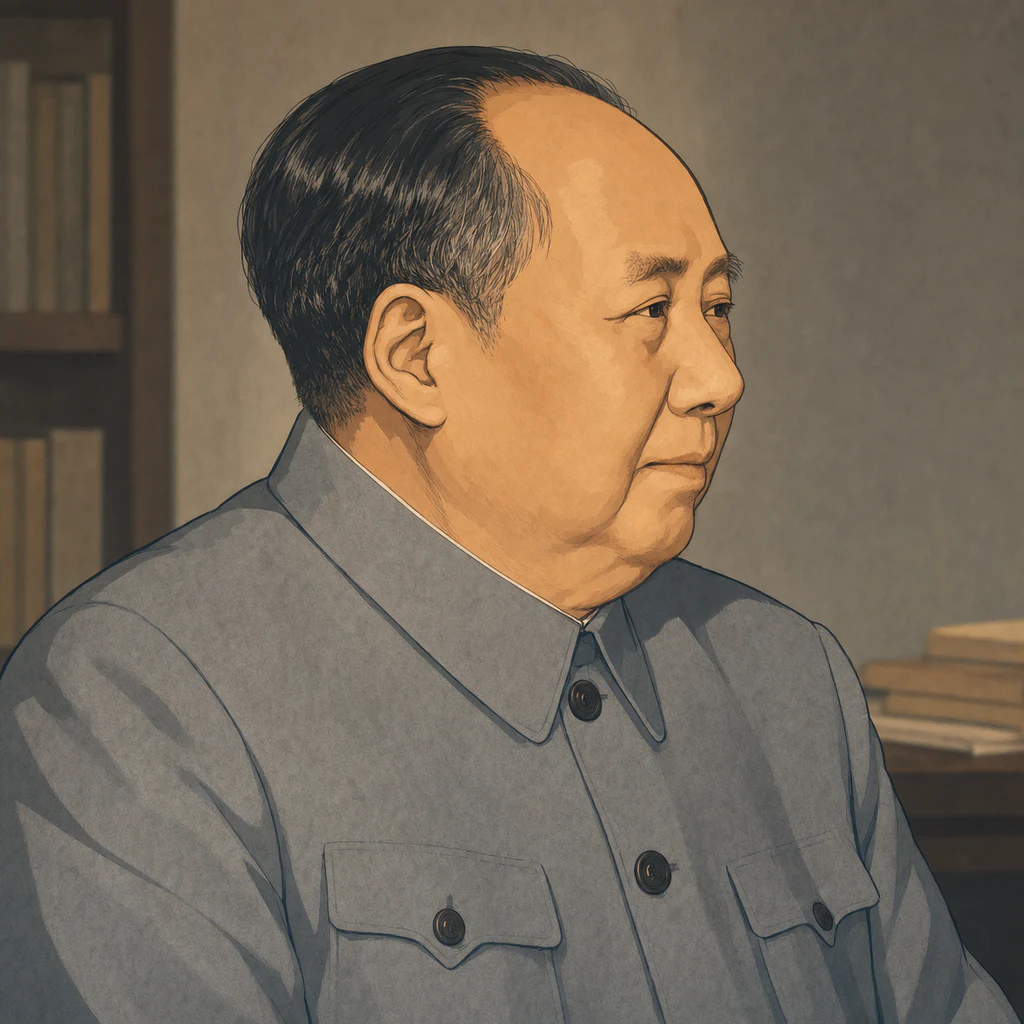
Mao Zedong
Helping to found the People’s Republic of China and leading the country for many years
Biography
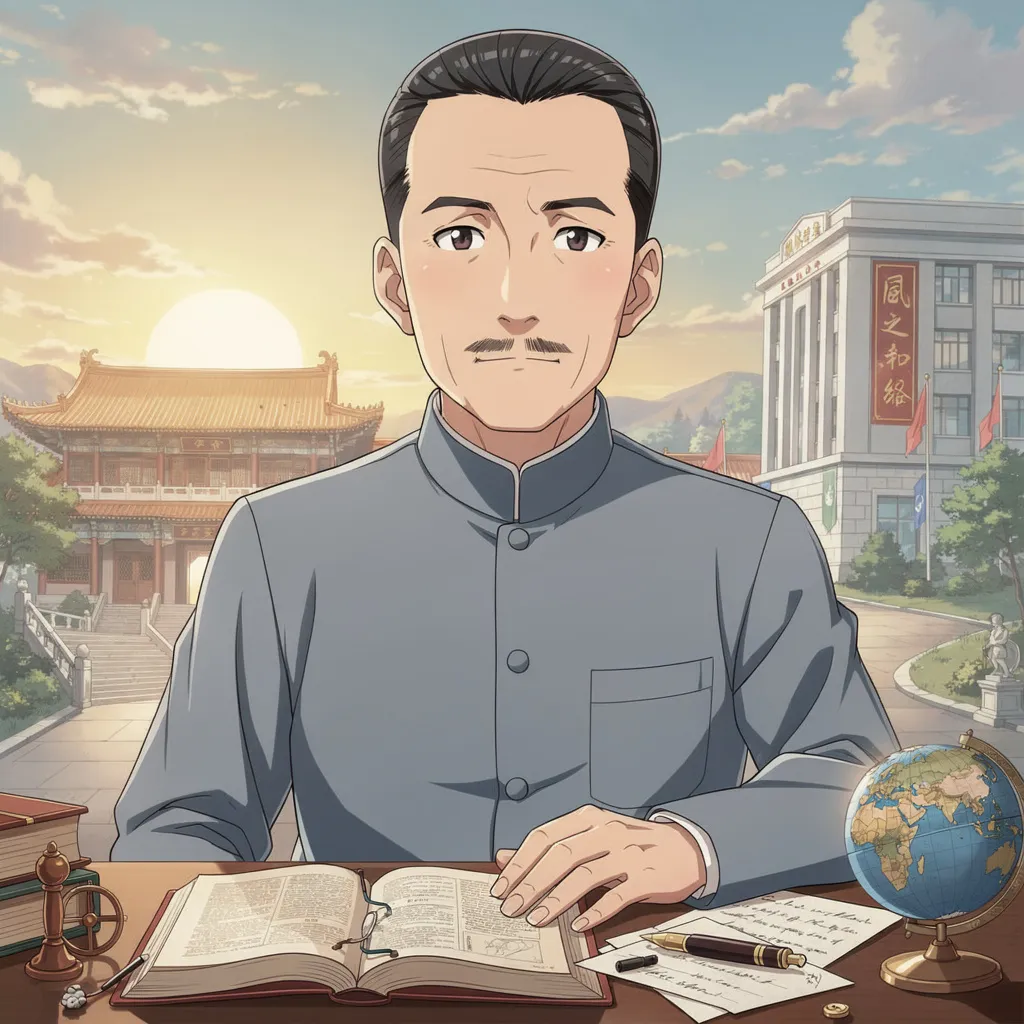
Sun Yat-sen
Helping to start the Republic of China and being called the Father of Modern China

Biography
Richard Nixon
Being the 37th President of the United States and helping improve relationships between countries

Biography
Peter the Great
Modernizing Russia and helping it grow into a strong European nation
Biography
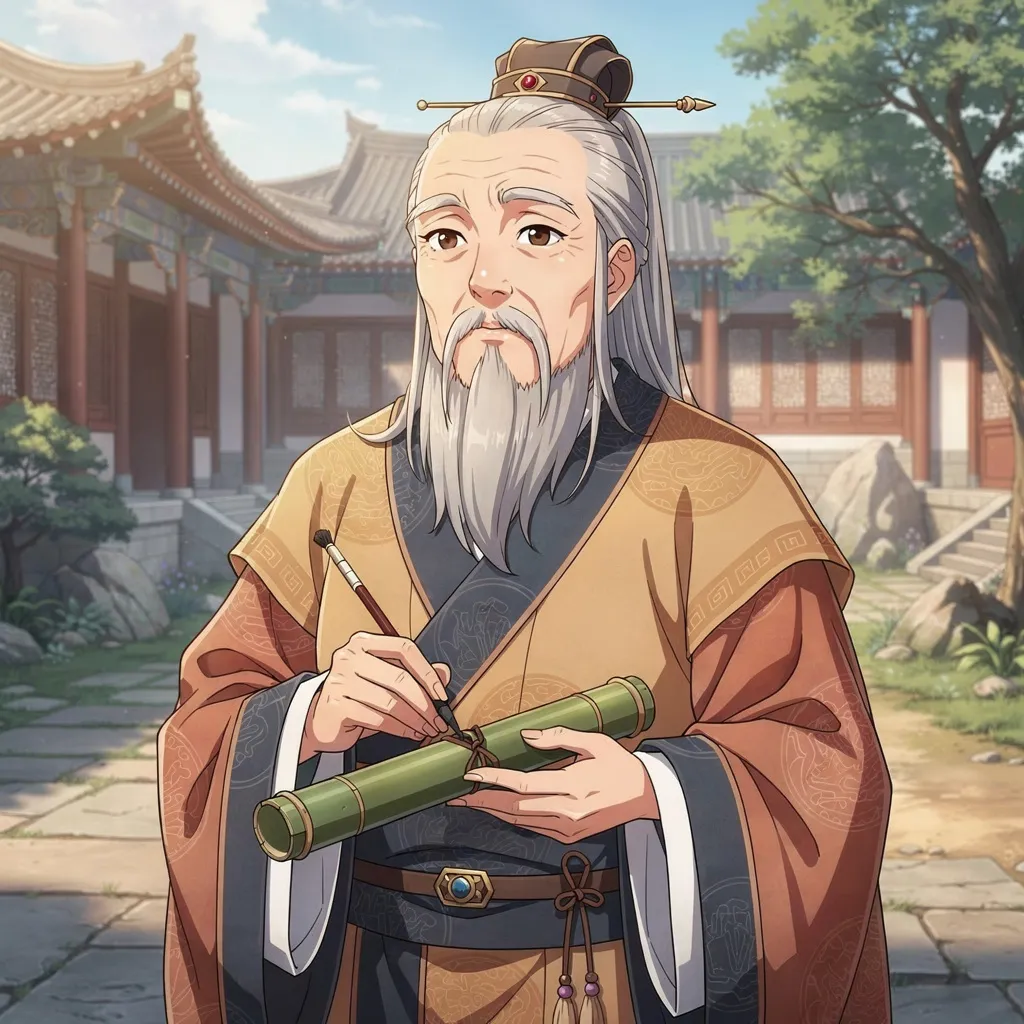
Confucius
A famous Chinese teacher and philosopher who shared ideas about kindness, respect, and good behavior
Biography
Meiji Emperor
Leading Japan during a time of big change that helped modernize the country
One story at a time
Who will you discover next?
Explore inspiring lives across science, art, history, music, and more.