
Biography for young readers
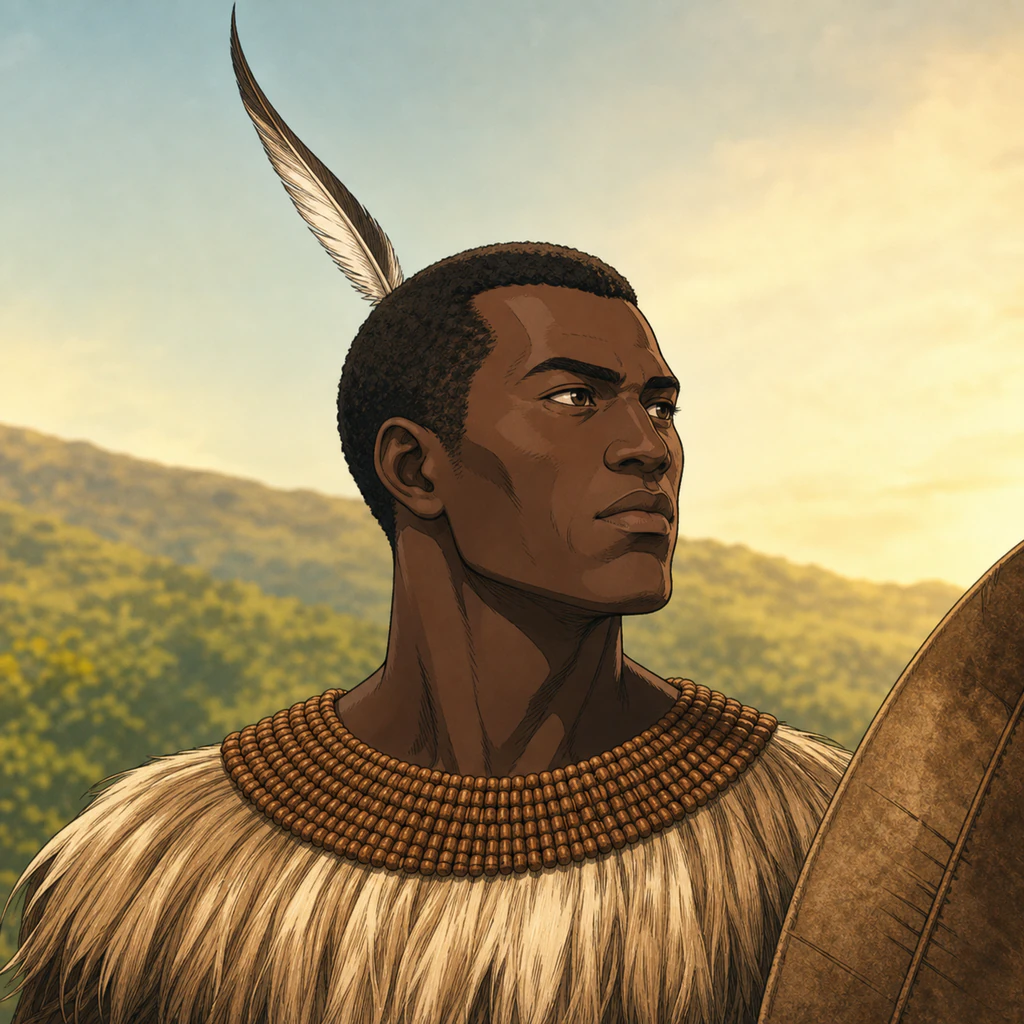
Shaka Zulu
Being a powerful Zulu leader who helped unite many people into a strong kingdom in southern Africa
- Lived
- 1787-1828
- From
- Zulu (Southern Africa)
- Reading time
- About 4 min
- Reading guide
- Advanced vocabulary
Watch Shaka Zulu's story unfold
Why this story matters
A life worth remembering
Being a powerful Zulu leader who helped unite many people into a strong kingdom in southern Africa
Think about it
What did you notice?
- Which moment changed the direction of this person's life?
- Which achievement or idea do you think mattered most?
- What is one question you would ask them?
Prefer to read? Open the complete biography transcript
A Childhood Known Through Oral History
Shaka kaSenzangakhona was born around 1787 in the region that is now KwaZulu-Natal, South Africa. His father, Senzangakhona, led the small amaZulu chiefdom, and his mother, Nandi, came from the eLangeni royal family. Most accounts of Shaka’s childhood were recorded long after it happened, so historians compare oral traditions instead of treating every dramatic story as certain. What the evidence does show is that Shaka grew up largely among his mother’s relatives and later joined the amaMthethwa forces led by Dingiswayo.
From about 1806 to 1816, Shaka served within Dingiswayo’s expanding network of chiefdoms. When Senzangakhona died around 1816, Shaka took leadership of the amaZulu. At first he still recognized Dingiswayo as the stronger regional ruler, but that balance soon changed.
Building the Zulu Kingdom
After Dingiswayo was killed, Shaka brought many amaMthethwa followers under his authority and fought the powerful amaNdwandwe led by Zwide. Through battles, alliances, tribute, and the incorporation of neighboring communities, the amaZulu chiefdom became the center of a much larger kingdom. Some groups joined by agreement, while others were defeated or forced to move.
Shaka strengthened the amabutho, age-based regiments that already existed in the region. He made their training and service more centralized, emphasized large shields and close-range spears, and used coordinated formations. Older books sometimes credit him with inventing every part of this system, but modern historians explain that he reorganized and expanded earlier practices. His government tied military service, cattle, royal settlements, and political authority more closely to the king.
Power, Conflict, and Contested Stories
The kingdom’s growth created a strong new state and a shared Zulu political identity, but its campaigns also brought deaths, lost homes, and forced migration. For many years, textbooks blamed nearly all the wider upheaval called the Mfecane on Shaka alone. Historians now describe a more complicated period shaped by African rivalries, drought and competition for resources, expanding trade, slave raiding, and pressure from European colonies as well as Zulu warfare.
British traders reached Port Natal in 1824 and met Shaka. One visitor, James King, is credited with a drawing from that year that is often used as Shaka’s likeness, although it is still an artist’s record rather than a photograph. After Nandi died in 1827, later accounts described harsh punishments during mourning, but the most sensational details and numbers are difficult to verify. In September 1828, Shaka was assassinated at kwaDukuza by his half-brothers Dingane and Mhlangana with the help of Mbopha, a member of his household.
A Legacy Larger Than Legend
Dingane became king, yet the Zulu kingdom and royal line continued long after Shaka’s twelve-year reign. Praise poems, oral histories, novels, plays, and films kept reshaping his image. Some people remember a brilliant unifier and state-builder; others emphasize conquest, fear, and strict control. Both views point to parts of the historical record, while legends can hide how many different communities helped make the kingdom.
Shaka’s wider contribution was the consolidation of a durable southern African state whose language, institutions, and identity remain important. Studying him also teaches a valuable history skill: compare sources, notice who recorded them, and leave room for uncertainty. His life matters not because every famous story is true, but because the kingdom he helped build changed the region and outlasted him.
Did you know?
Fun facts about Shaka Zulu
-
Shaka ruled the Zulu kingdom for about twelve years, from around 1816 until 1828.
-
Oral histories and praise poems are essential sources for Shaka’s life because many written accounts came later.
-
The amabutho age-regiment system existed before Shaka, but he greatly expanded and centralized it.
-
British traders reached Port Natal and met Shaka in 1824.
-
A well-known 1824 drawing attributed to James King shows Shaka with a long shield, spear, and tall feather.
-
The Zulu kingdom and its royal line continued after Shaka’s assassination.
Learn & remember
Make the story yours
4 min read · Advanced vocabulary
Three things to remember
- Known for: Being a powerful Zulu leader who helped unite many people into a strong kingdom in southern Africa
- Lived: 1787-1828
- From: Zulu (Southern Africa)
Words to know
Open a word for a short explanation.
evidence
Information used to support or test an idea.
Quick check
What do you remember?
Think of an answer, then open each card to check.
What is Shaka Zulu best known for?
Being a powerful Zulu leader who helped unite many people into a strong kingdom in southern Africa
When did Shaka Zulu live?
1787-1828
What place or nationality is connected to this story?
Zulu (Southern Africa)
Biography
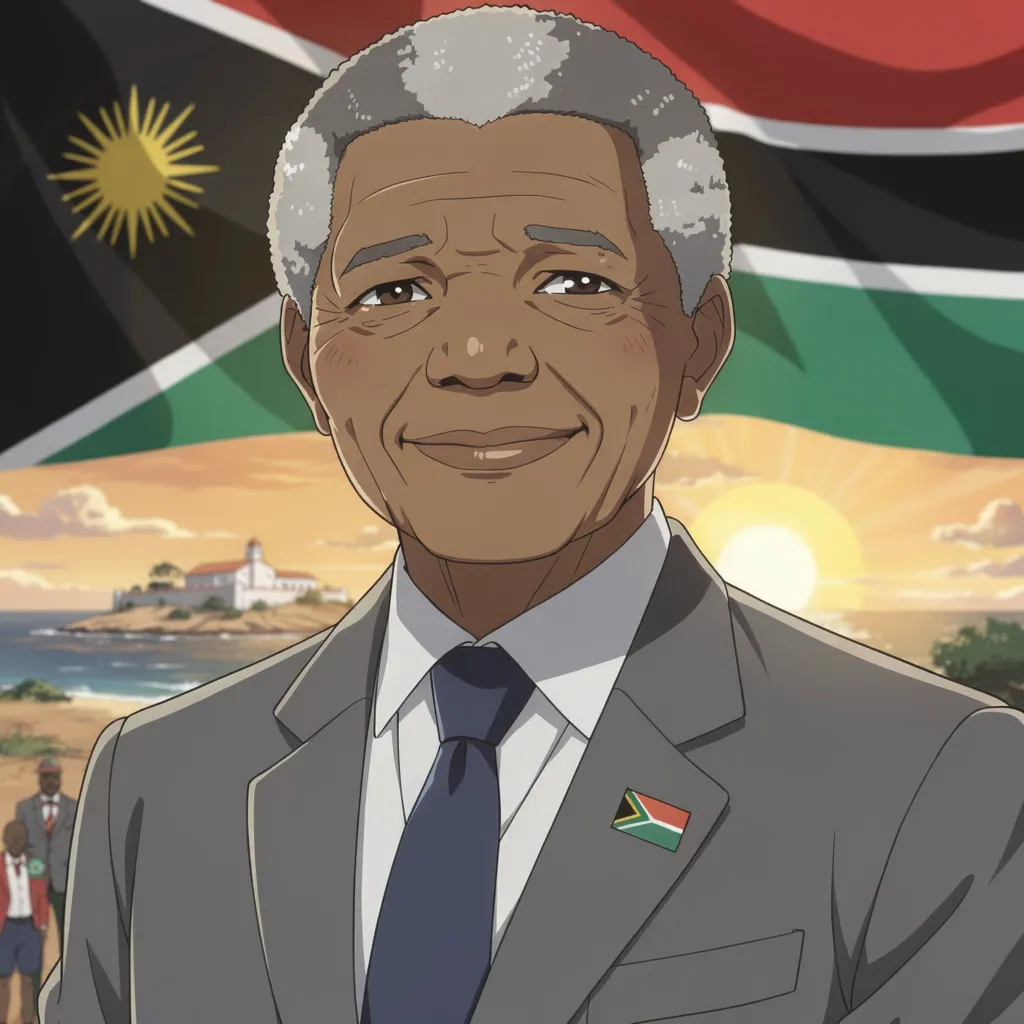
Nelson Mandela
Helping end apartheid and becoming South Africa’s first Black president
Biography
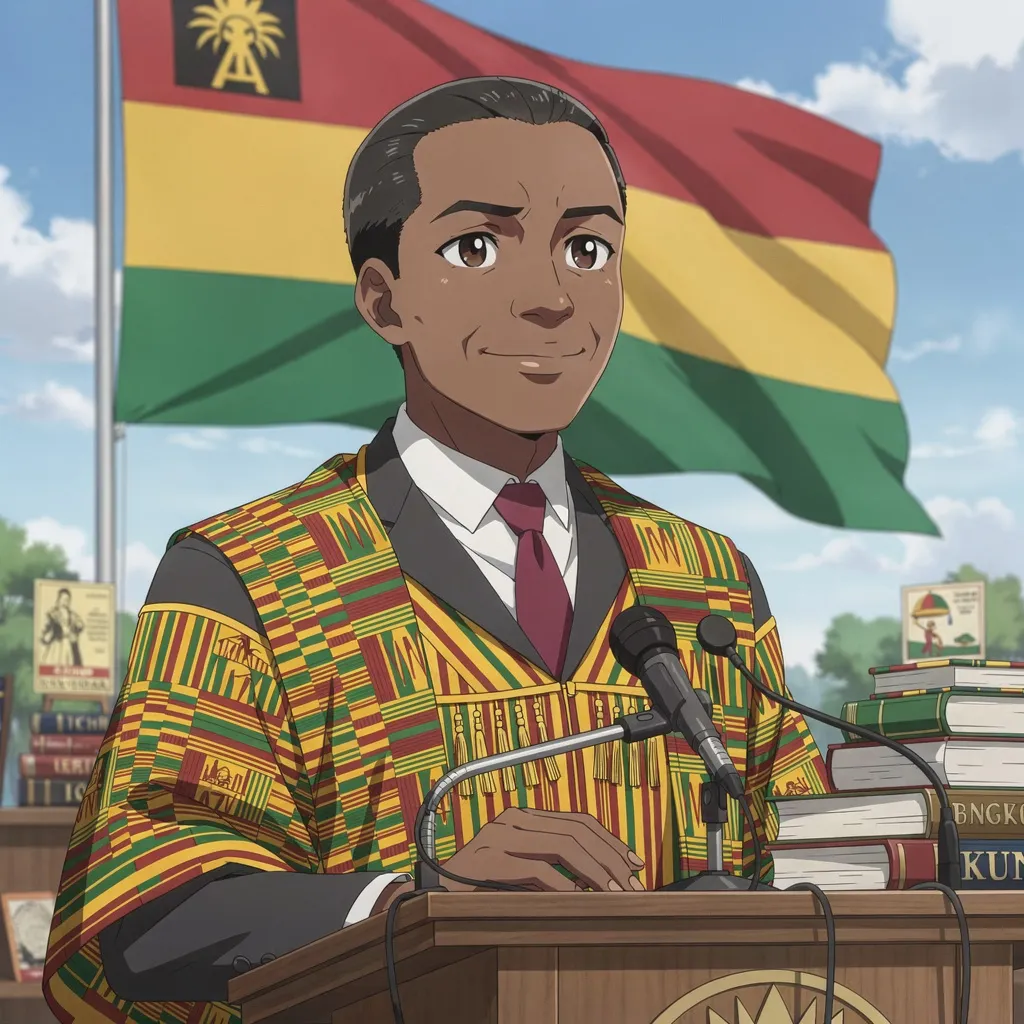
Kwame Nkrumah
Leading Ghana to independence and becoming its first prime minister and president
Biography
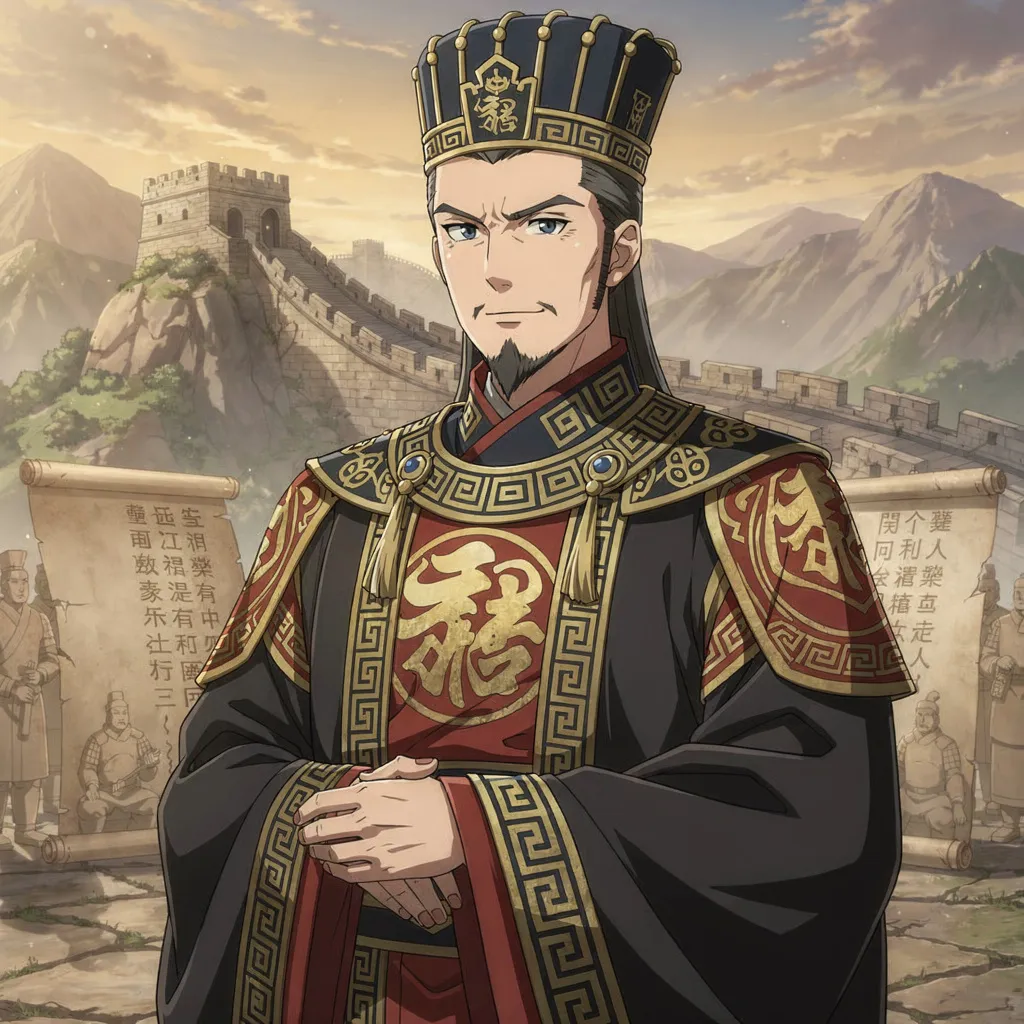
Qin Shi Huang
Being the first emperor to unite China and create a strong, organized empire.
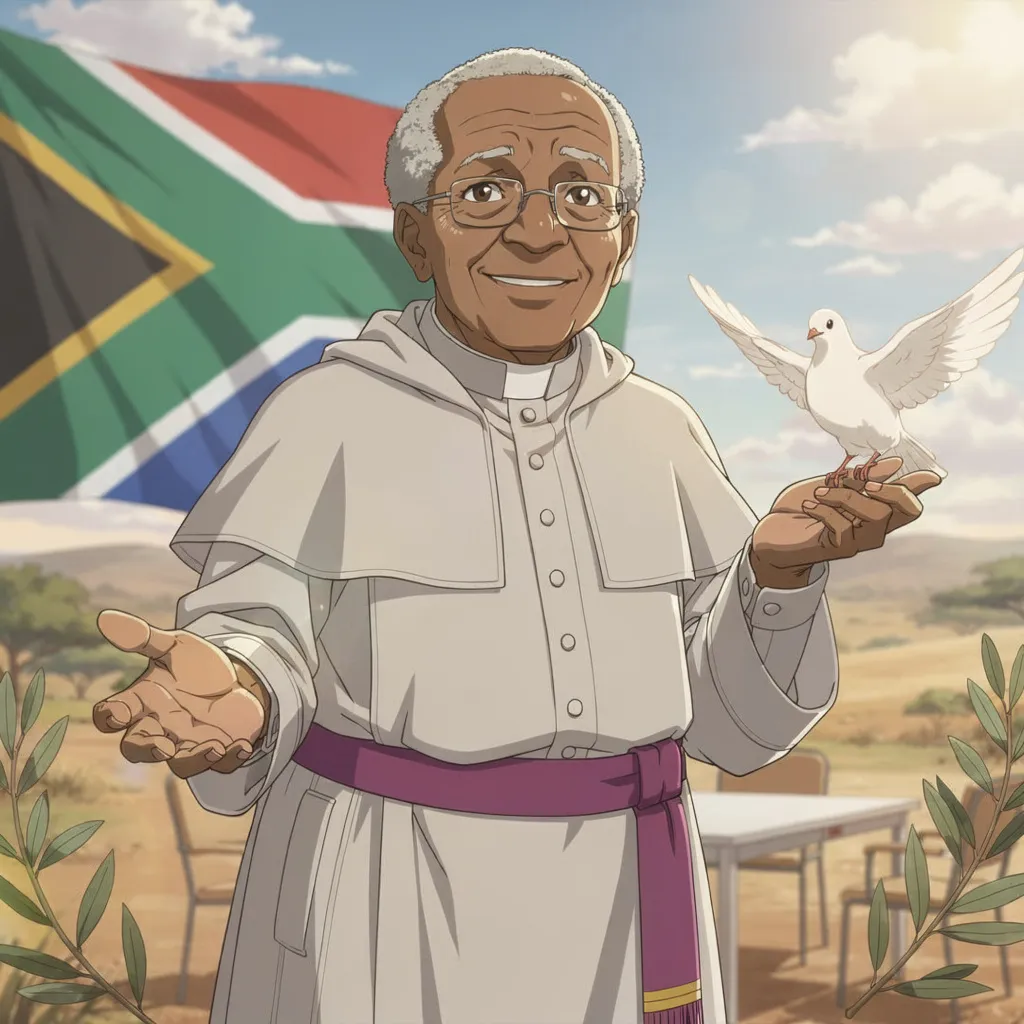
Biography
Desmond Tutu
Helping bring peace and fairness to South Africa through kindness, courage, and forgiveness
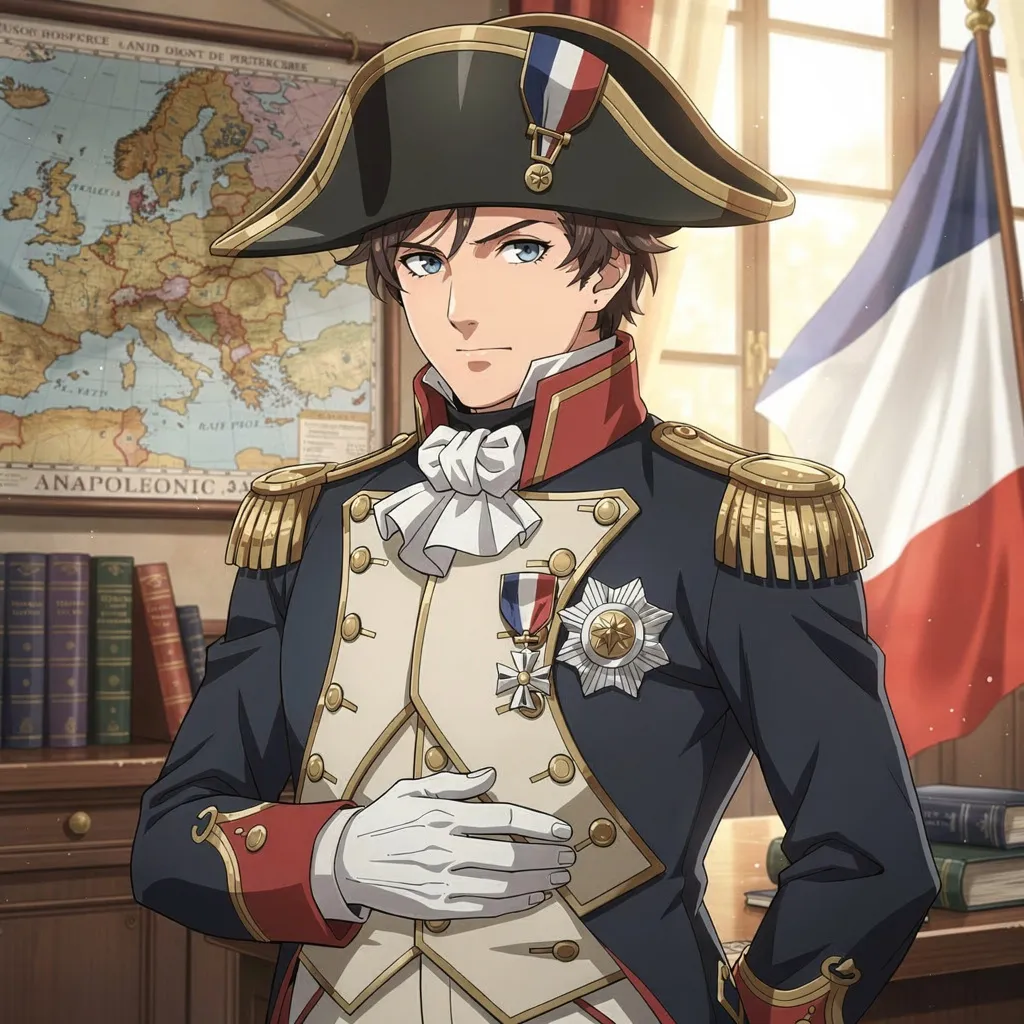
Biography
Napoleon Bonaparte
A famous French leader who became emperor and changed Europe with new laws and ideas
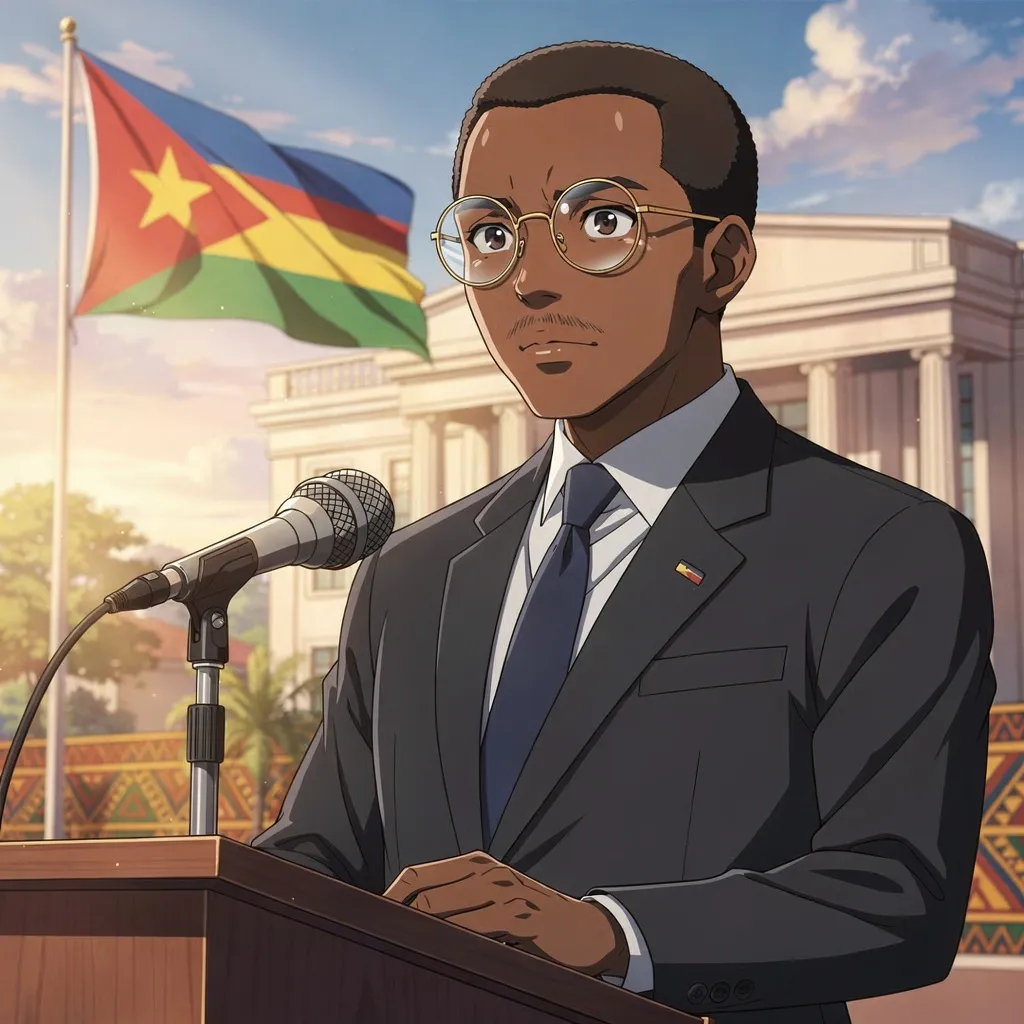
Biography
Patrice Lumumba
Being the first Prime Minister of the Democratic Republic of the Congo and a strong voice for freedom and unity.
One story at a time
Who will you discover next?
Explore inspiring lives across science, art, history, music, and more.