
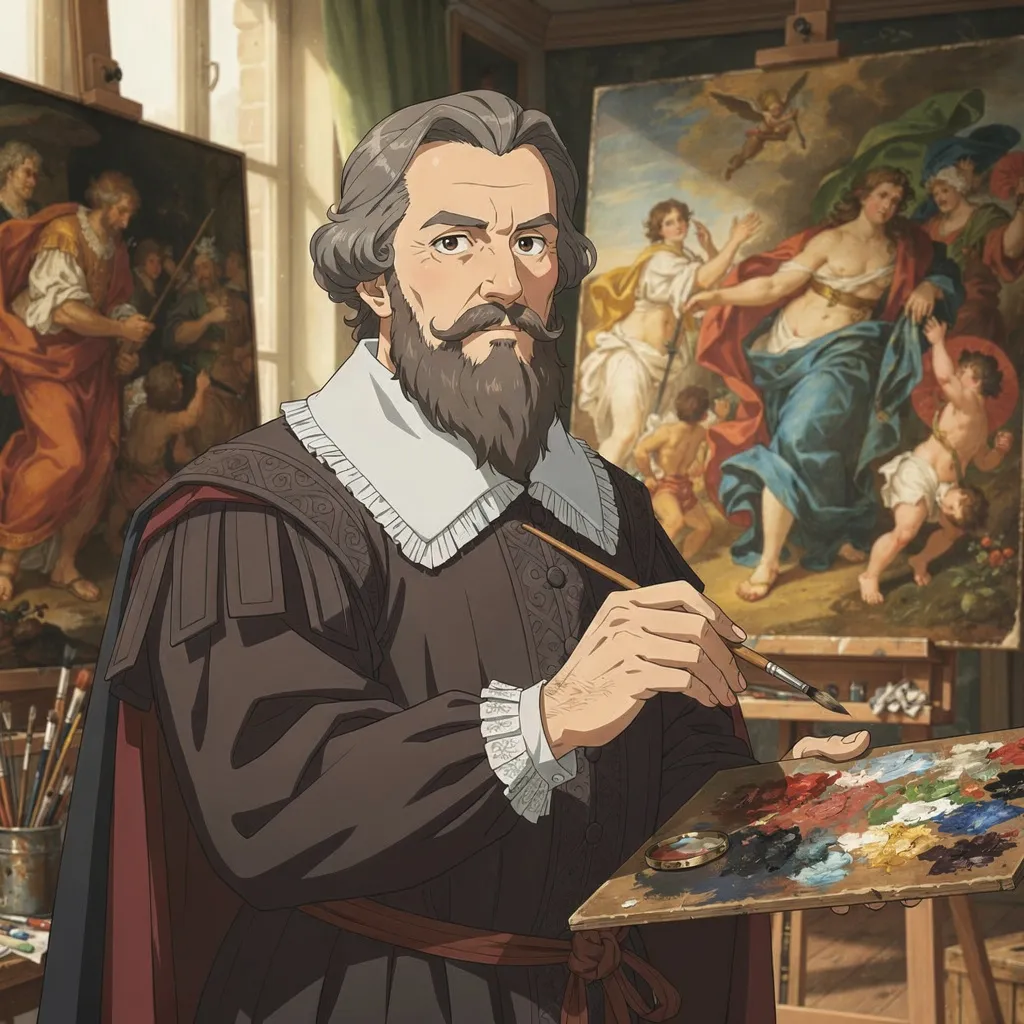
A famous painter known for colorful, lively artworks full of movement and emotion.
A famous painter known for colorful, lively artworks full of movement and emotion.
Peter Paul Rubens was born in 1577 in a city called Siegen, which is in present-day Germany. When he was a child, his family lived in several cities before settling in Antwerp, a busy trading city that loved art and culture. From a young age, Peter enjoyed drawing and learning about history and stories.
As a boy, he studied with several artists and worked very hard to improve his skills. He learned how to paint people, animals, and places with great detail. Peter also learned to speak several languages, which later helped him travel and meet important people.
When Rubens was in his early twenties, he traveled to Italy to study art. Italy was full of beautiful paintings and buildings, and he learned a lot by studying the work of famous artists such as Michelangelo, Leonardo da Vinci, and Titian.
During his travels, Rubens practiced painting every day. He learned how to use bright colors and strong shapes to make his pictures feel alive. These lessons helped him create his own exciting style.
Rubens became one of the most famous painters of his time. His art style is called Baroque, which means his paintings were full of action, energy, and emotion. People in his paintings often look like they are moving or telling a story.
He painted many large works, including portraits, scenes from history, and pictures based on myths. Kings, queens, and churches all wanted Rubens to paint for them. He even ran a large art studio where students helped him create big projects.
Rubens was not only a painter but also a diplomat. This means he helped different countries talk to each other peacefully. Because he was friendly and spoke many languages, leaders trusted him.
He showed that art and learning can help bring people together. Rubens believed creativity and education were very important parts of life.
Peter Paul Rubens passed away in 1640, but his art is still loved today. His paintings can be seen in museums all over the world. He is remembered as a master of color and action, and his work continues to inspire artists and art lovers everywhere.
Rubens could speak several languages, which helped him travel and work across Europe.
He often painted very large pictures that covered entire walls.
Rubens included many animals in his paintings, showing his love of nature.
He trained many young artists who later became famous painters too.
3 min read · Independent-reader guide
Think of an answer, then open each card to check.
A famous painter known for colorful, lively artworks full of movement and emotion.
1577–1640
Flemish (from present-day Belgium)
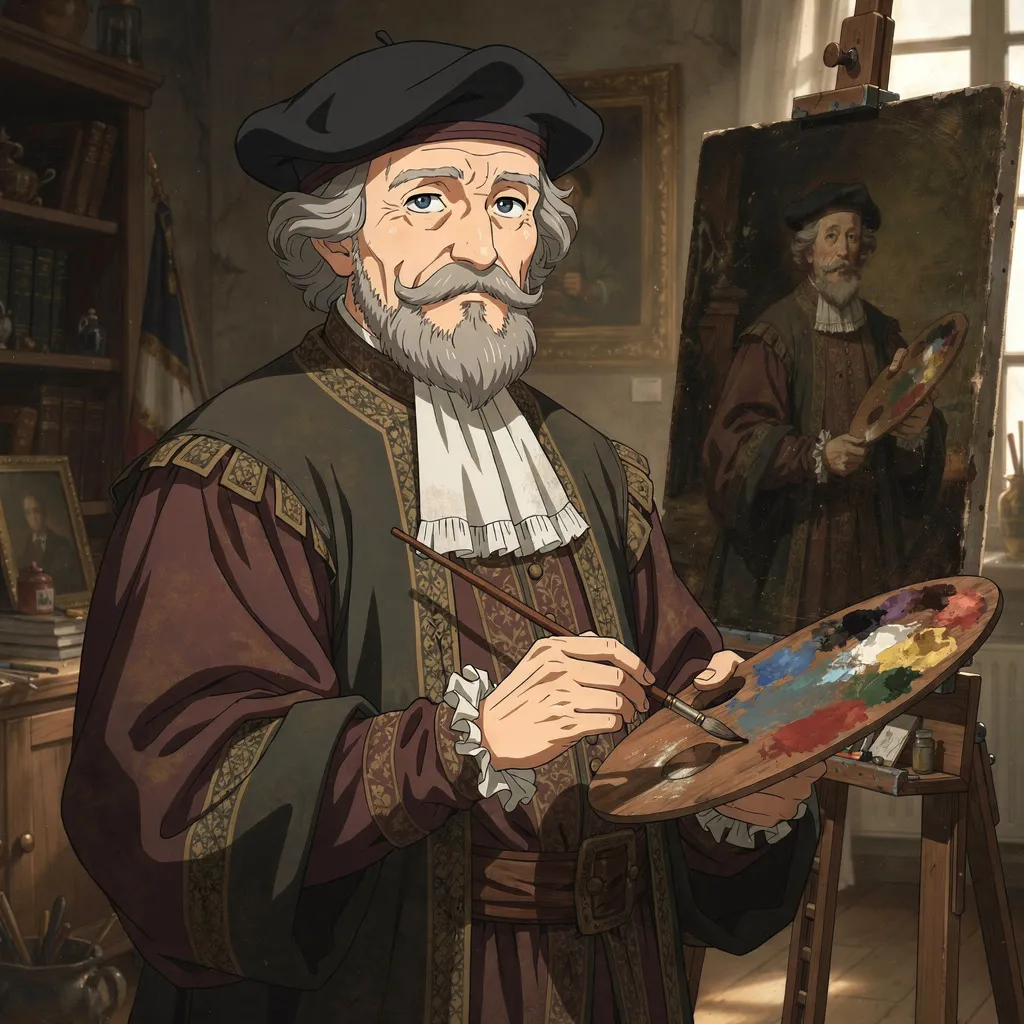
Being one of the greatest painters in history, famous for his detailed portraits and use of light and shadow
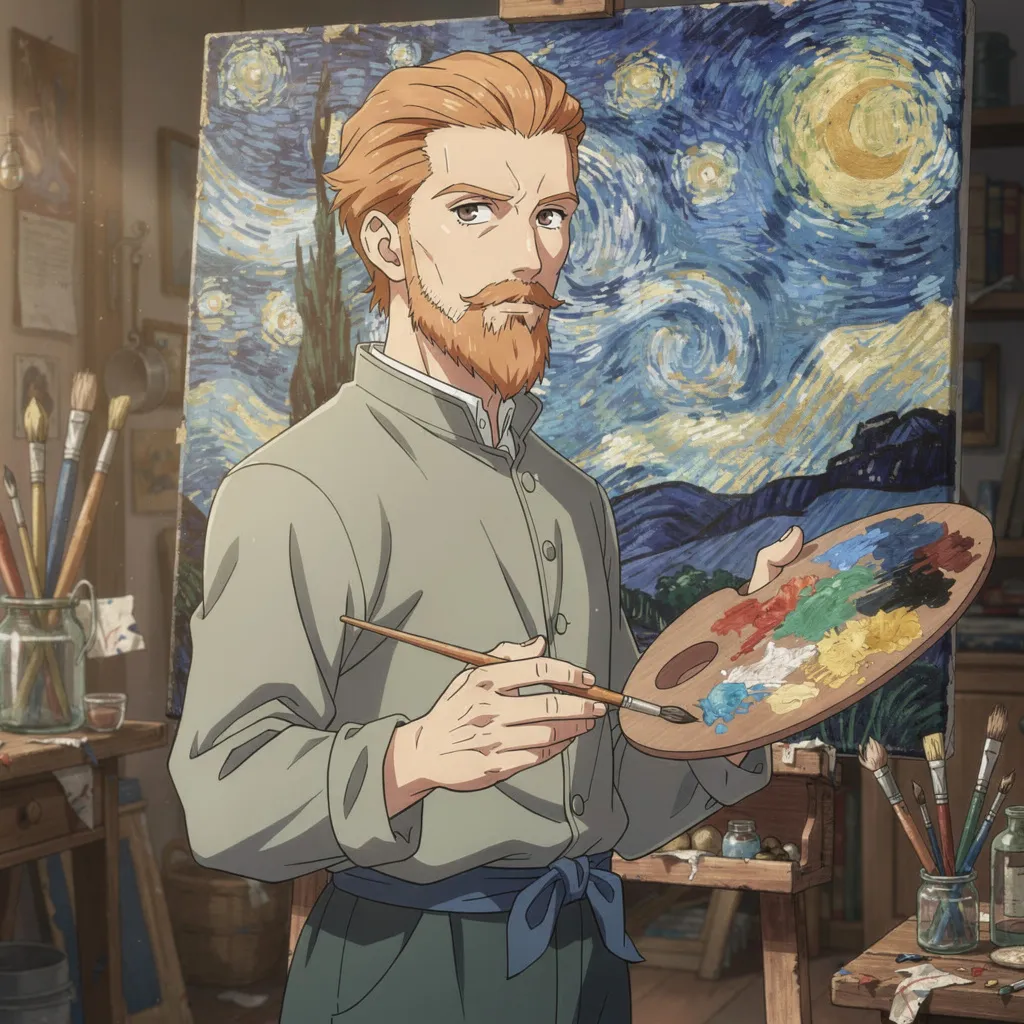
A famous painter who used bright colors and bold brushstrokes, including the painting The Starry Night.
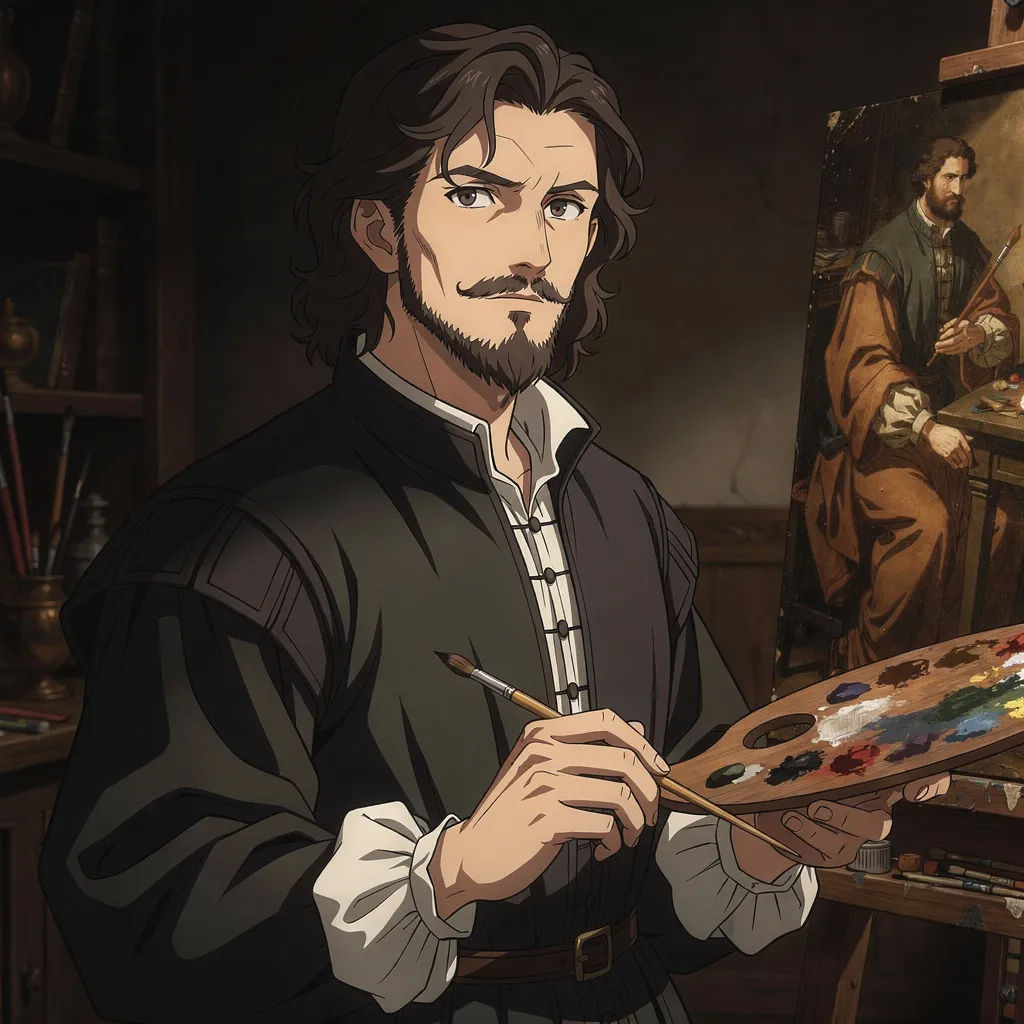
Being a famous painter who used dramatic light and shadow to make his art look very real
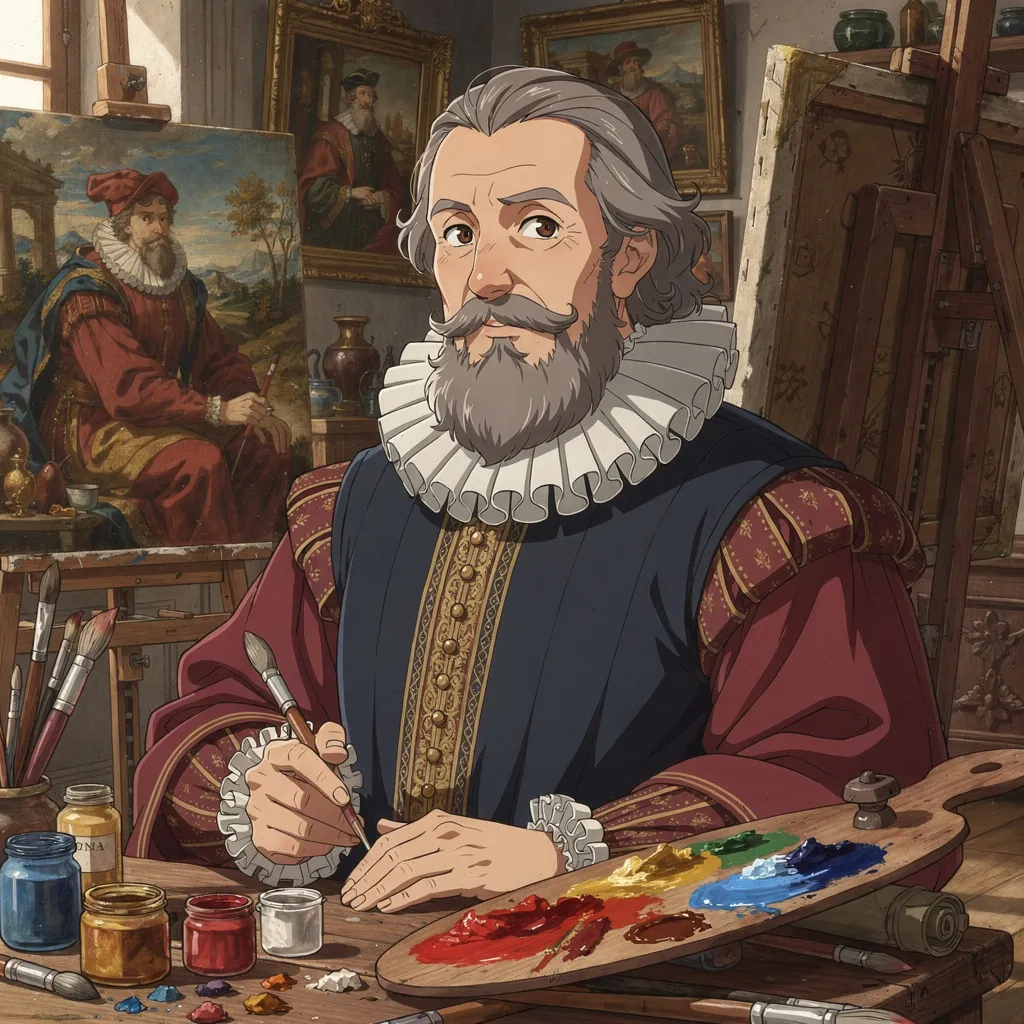
A famous Renaissance painter known for his rich colors and powerful paintings
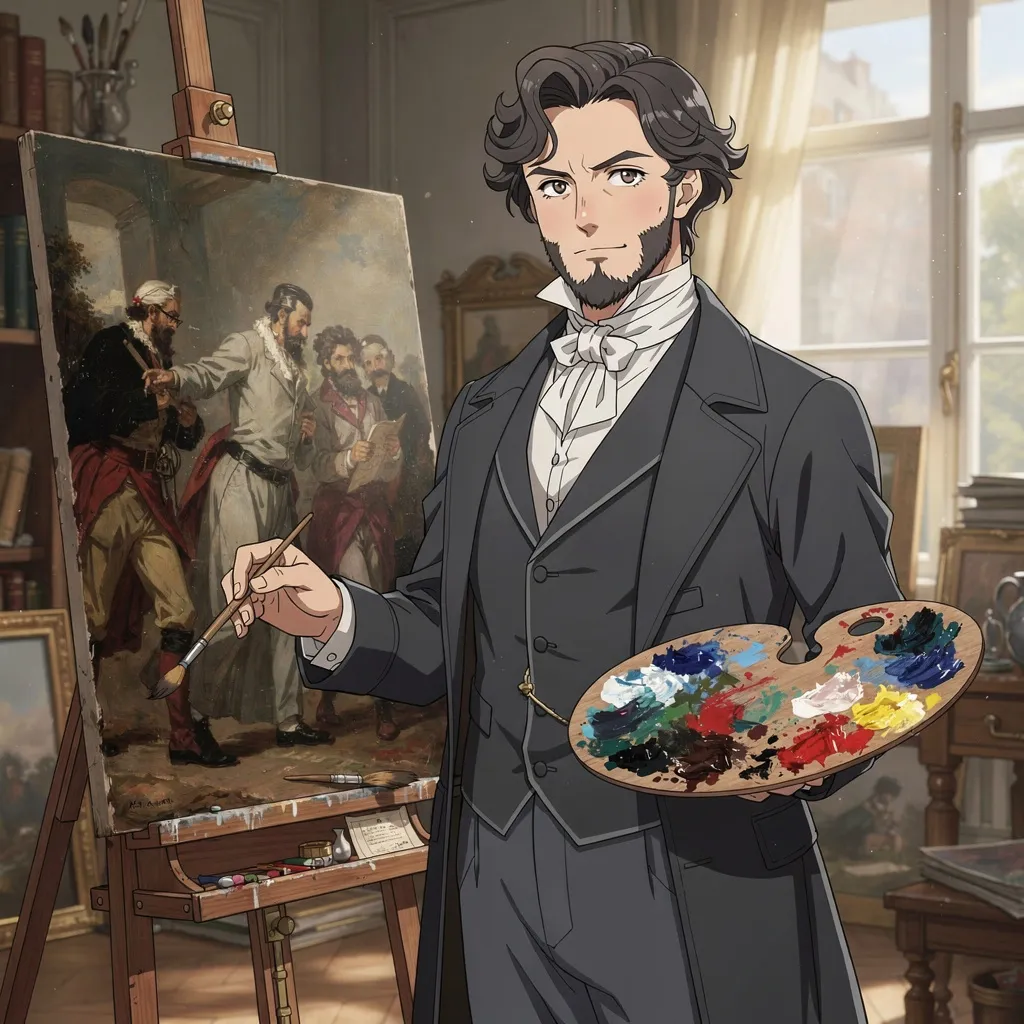
A famous French painter who helped lead the Romantic art movement with bold colors and exciting scenes

A Post-Impressionist painter known for colorful paintings and for helping shape modern art
Explore inspiring lives across science, art, history, music, and more.