
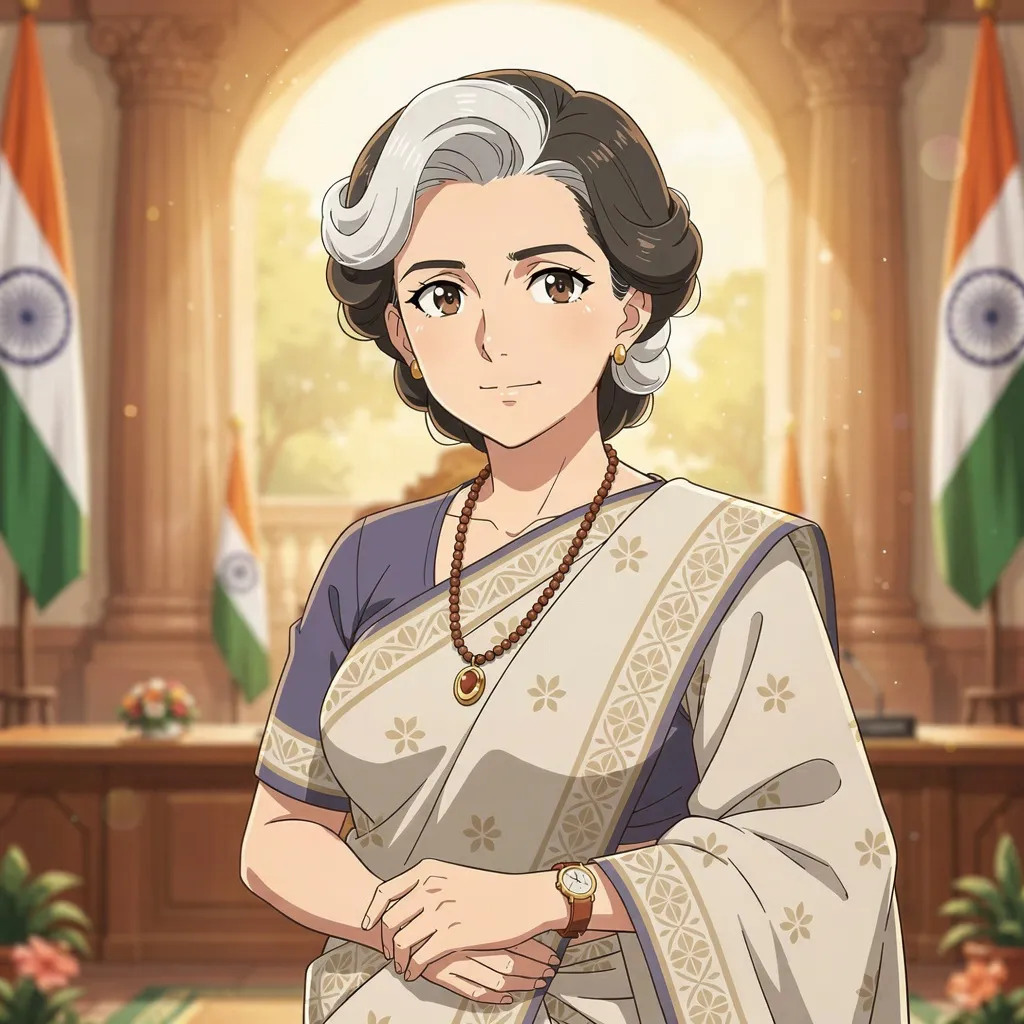
Being the first woman Prime Minister of India and a strong leader who helped shape her country.
Being the first woman Prime Minister of India and a strong leader who helped shape her country.
Indira Gandhi was born on November 19, 1917, in Allahabad, India. She grew up in a family that cared deeply about helping their country. Her father, Jawaharlal Nehru, later became India’s first Prime Minister.
As a child, Indira loved reading and learning new things. She was curious about the world and enjoyed spending time with people who talked about ideas, history, and helping others. These early experiences helped shape her future dreams.
Indira studied in India and also went to school in other countries, including Switzerland and England. She learned about different cultures and ways of thinking. This helped her become open-minded and confident.
Even when she was young, Indira showed strong leadership skills. She liked organizing groups and working as a team to solve problems. She believed that education was very important for building a better future.
In 1966, Indira Gandhi became the Prime Minister of India. This was a very special moment because she was the first woman to lead the country. Many people around the world looked up to her for breaking barriers.
As Prime Minister, she worked hard to make India stronger and more independent. She supported science, education, and farming. She wanted people in villages and cities to have better lives.
Indira Gandhi helped improve food production in India, so fewer people went hungry. She also supported space and science programs, which helped India grow in knowledge and technology.
She was known for being brave and confident. Even during difficult times, she stayed focused on what she believed was best for her country.
Indira Gandhi is remembered as a powerful and important leader in world history. She showed that women can lead nations and make a difference.
Today, many people remember her as an example of courage, dedication, and strong leadership. Her life continues to inspire young people, especially girls, to believe in themselves and aim high.
Indira Gandhi loved nature and often spent time in gardens.
She was the first and, so far, the only woman Prime Minister of India.
Indira enjoyed reading books and learning new languages.
Many people around the world recognized her as one of the most powerful women of her time.
2 min read · Developing-reader friendly
Think of an answer, then open each card to check.
Being the first woman Prime Minister of India and a strong leader who helped shape her country.
1917-1984
Indian
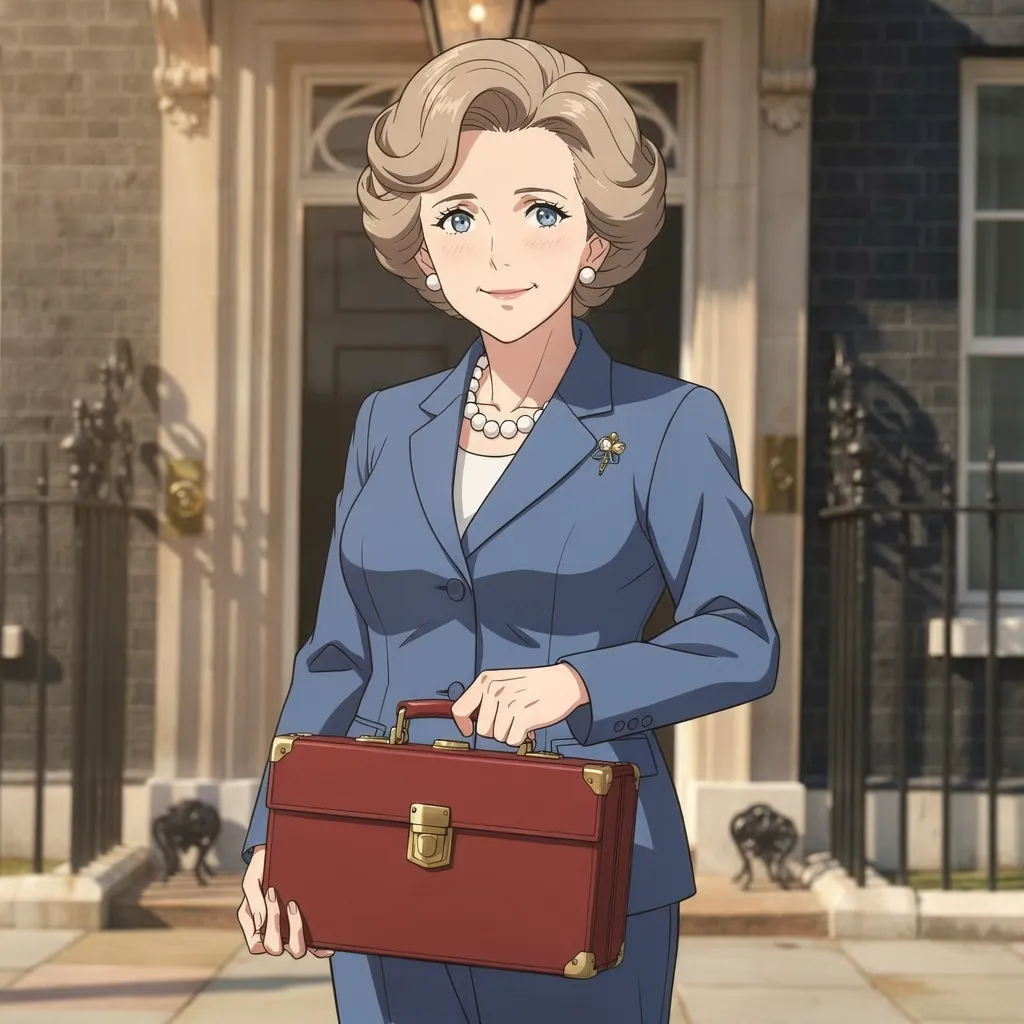
Being the first woman to become Prime Minister of the United Kingdom
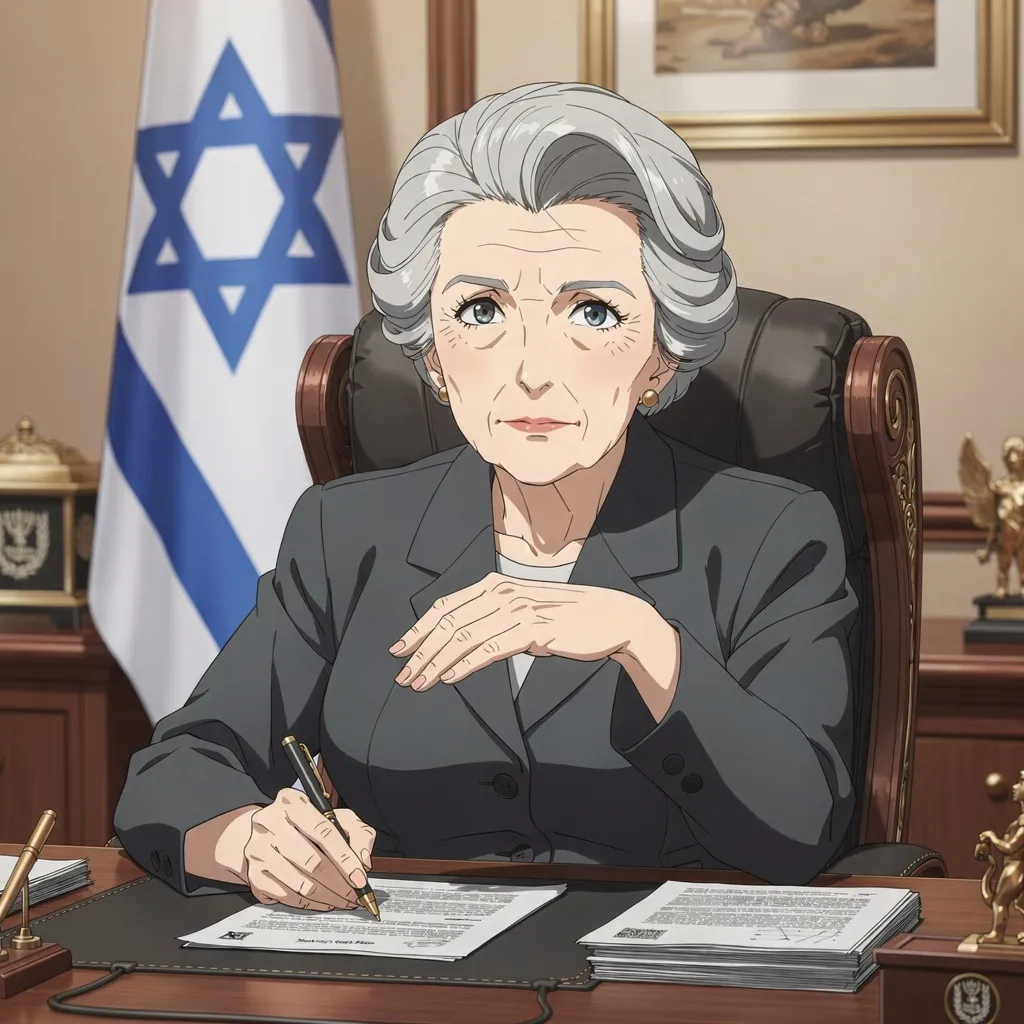
Being one of the first women in the world to serve as a country’s prime minister (the third woman to do so)
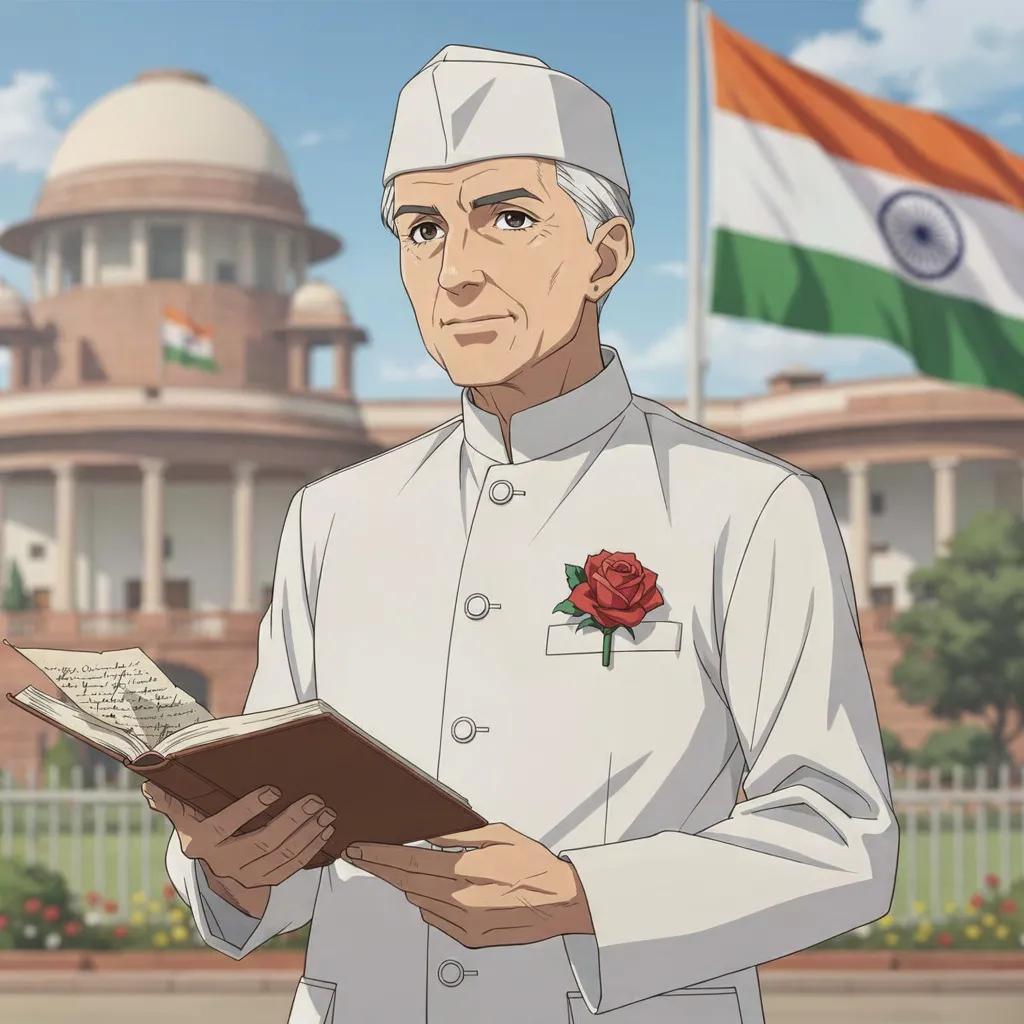
He was the first Prime Minister of India and a leader who helped India become an independent nation.
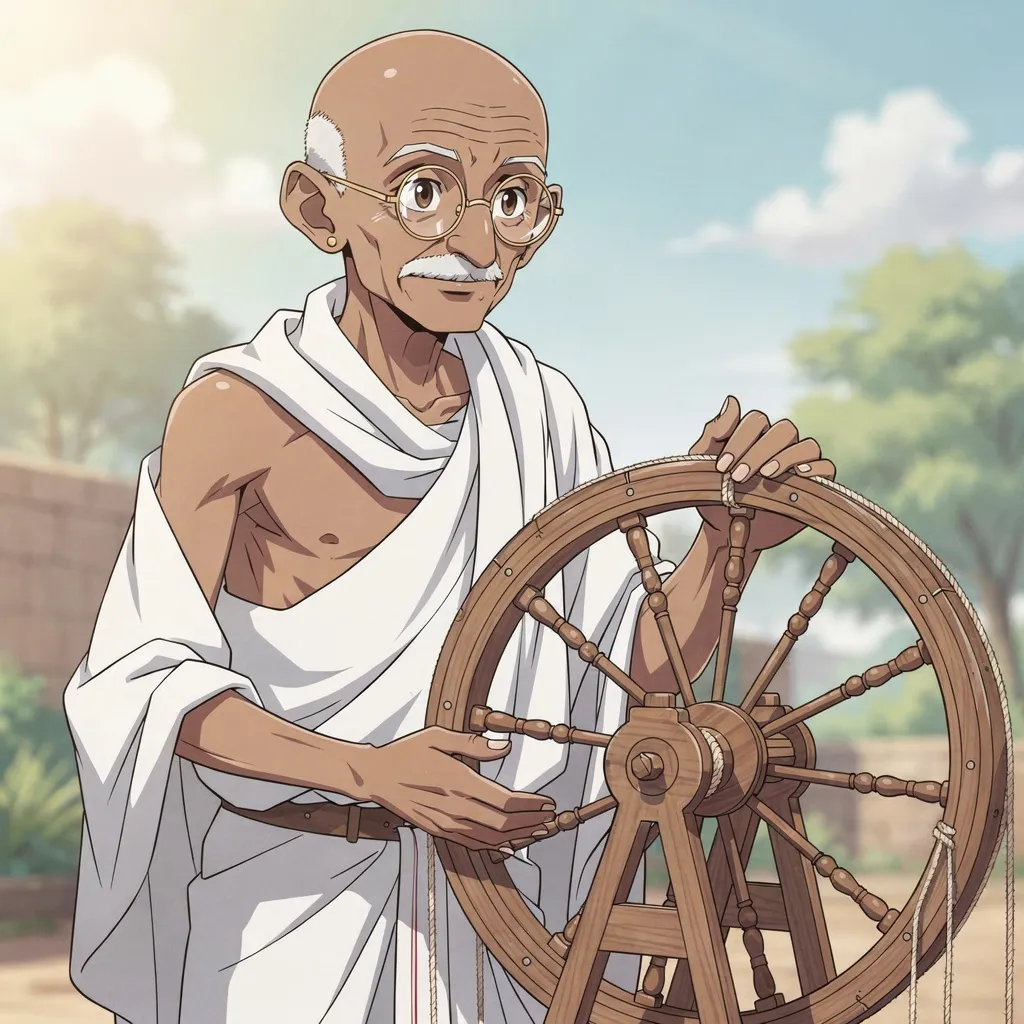
Leading India to independence using peaceful protest and nonviolence

Being the first woman to serve as Chancellor of Germany and leading her country for many years.
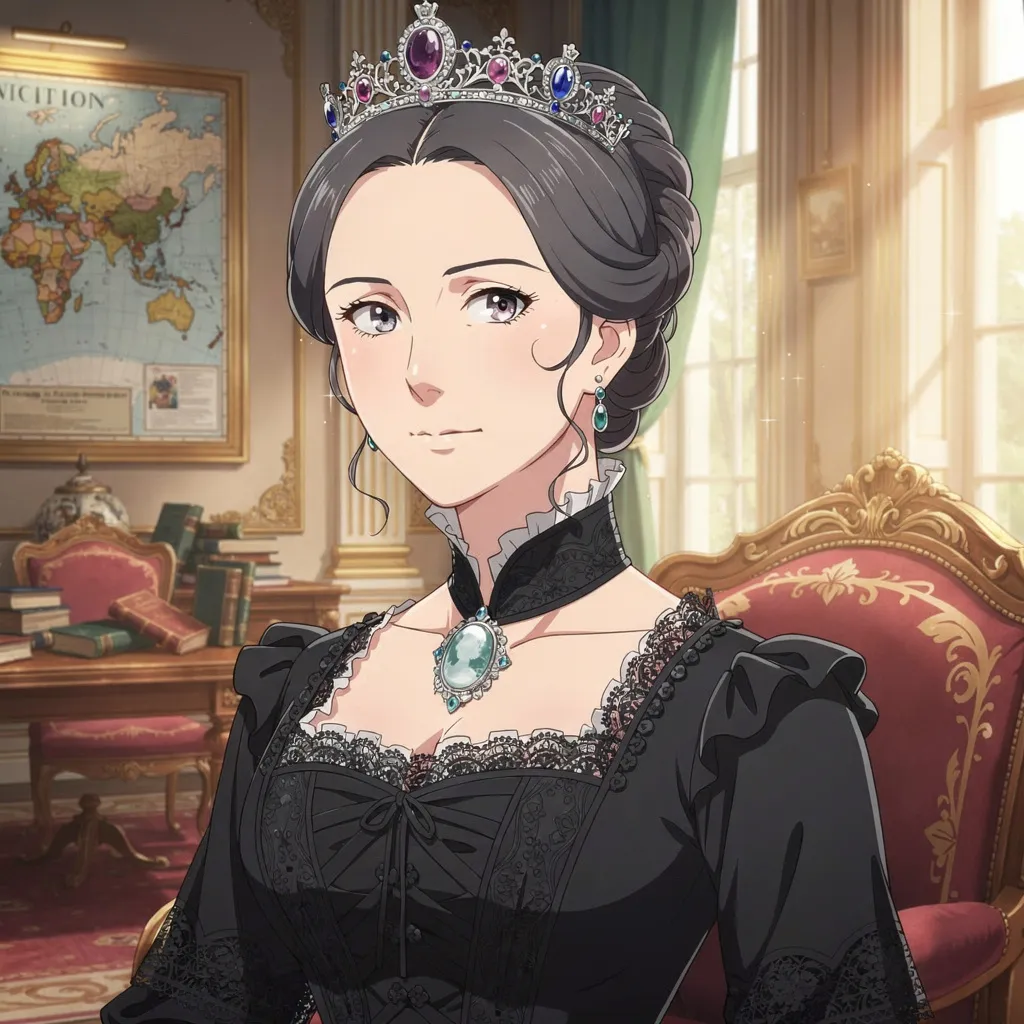
Being the long-reigning queen who helped shape modern Britain during the Victorian Era
Explore inspiring lives across science, art, history, music, and more.