
01
Early Life
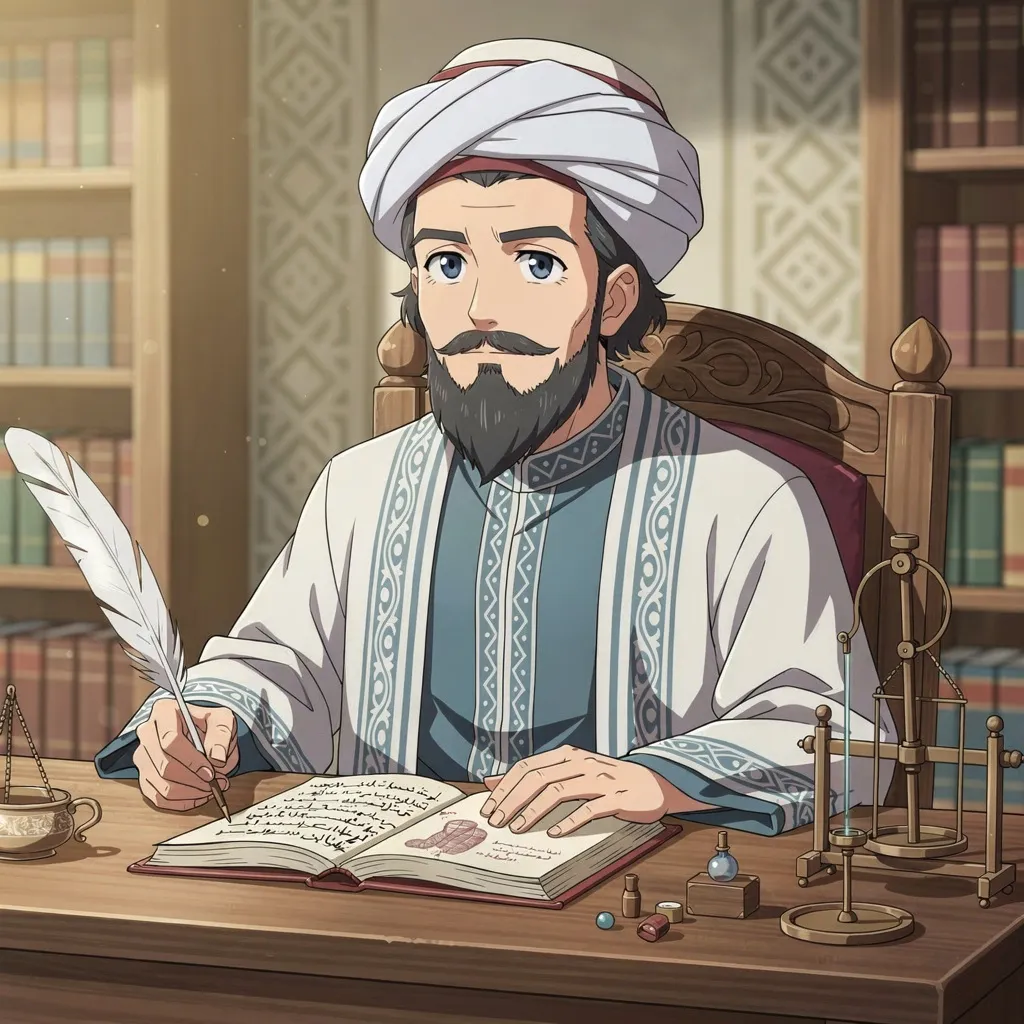
Ibn Sina, also known as Avicenna, was born in the year 980 in a village called Afshana, near Bukhara, in Central Asia (in what is now Uzbekistan).
A brilliant doctor and thinker who wrote famous books about medicine and science.
A brilliant doctor and thinker who wrote famous books about medicine and science.
Ibn Sina, also known as Avicenna, was born in the year 980 in a village called Afshana, near Bukhara, in Central Asia (in what is now Uzbekistan). From a very young age, he showed an amazing love for learning. He read books quickly and remembered what he learned.
By the time he was 10 years old, Ibn Sina had already memorized the Qur’an. He enjoyed studying math, science, medicine, and philosophy. His teachers soon noticed that he asked deep questions and loved to solve hard problems.
When Ibn Sina was a teenager, he began studying medicine. He learned so well that he started treating sick people before he turned 18. Many people were surprised by how calm and smart he was.
One day, he helped cure a ruler who was very ill. As a reward, Ibn Sina was allowed to use the ruler’s huge library. This gave him access to many rare books, which helped him learn even more.
Ibn Sina wrote hundreds of works during his life, including books and essays on many subjects. His most famous book is called The Canon of Medicine. This book explained how the human body works and how to treat illnesses.
For hundreds of years, doctors in Europe and Asia used The Canon of Medicine to learn how to help patients. It became one of the most important medical books in history.
He also wrote about science, math, astronomy, and philosophy. Ibn Sina believed that learning was a lifelong journey and that knowledge could help people live better lives.
Even though Ibn Sina was very smart, his life was not always easy. He moved from place to place and worked long hours. Sometimes he studied late into the night by candlelight.
Still, he never gave up. He believed that helping others through knowledge was worth the effort.
Ibn Sina passed away in 1037, but his ideas are still remembered today. Many hospitals, schools, and books honor his work. He is often remembered as one of the most important doctors of the medieval world.
His life shows us that curiosity, kindness, and hard work can change the world.
Ibn Sina memorized the Qur’an by age 10.
He became a doctor before he turned 18.
He wrote hundreds of works during his lifetime.
His medical book was used for over 600 years.
He loved learning so much that he studied late into the night.
3 min read · Developing-reader friendly
Open a word for a short explanation.
The scientific study of space, stars, planets, and the universe.
The study of big questions about knowledge, values, and existence.
Think of an answer, then open each card to check.
A brilliant doctor and thinker who wrote famous books about medicine and science.
980–1037
Persian
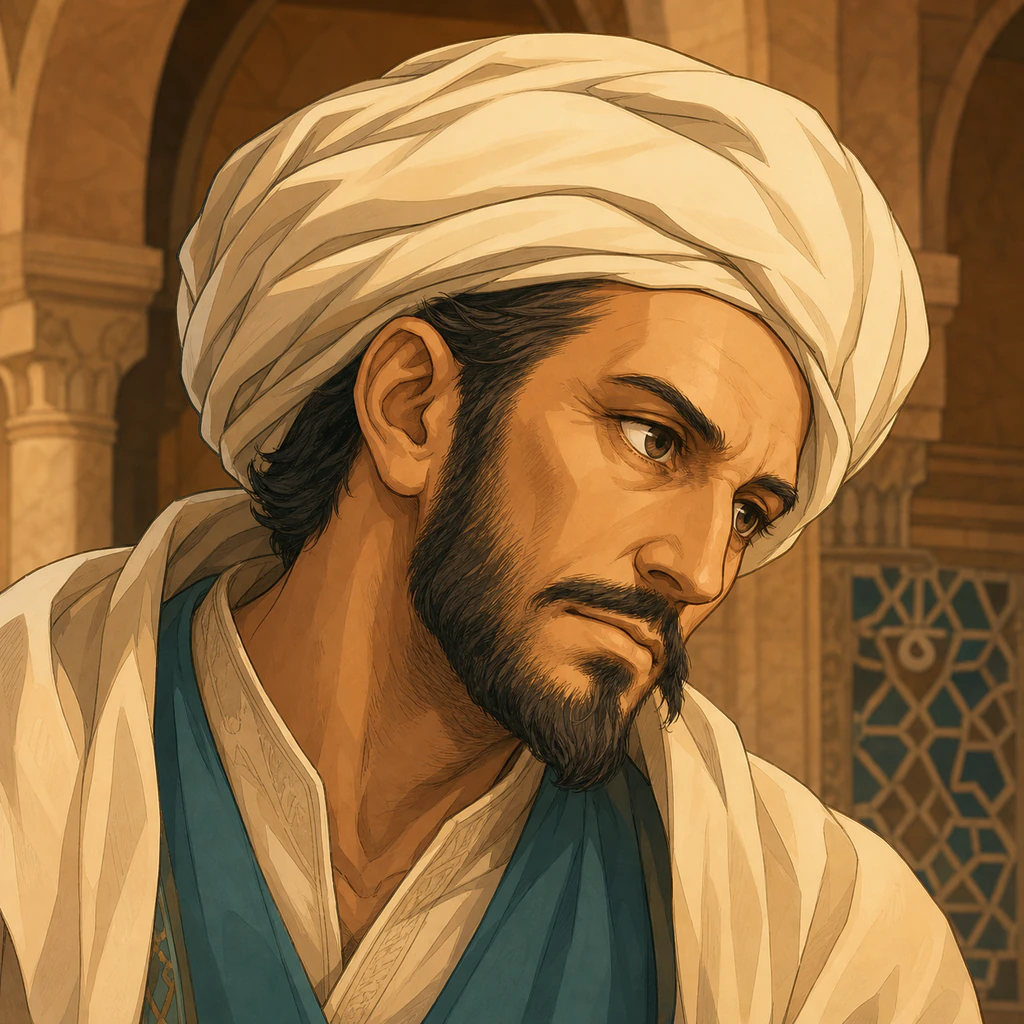
A famous philosopher and doctor who helped people understand science and the ideas of ancient Greece

A famous Jewish scholar who wrote important books about law, philosophy, and medicine.

One of the greatest travelers in history who journeyed across much of the known world.
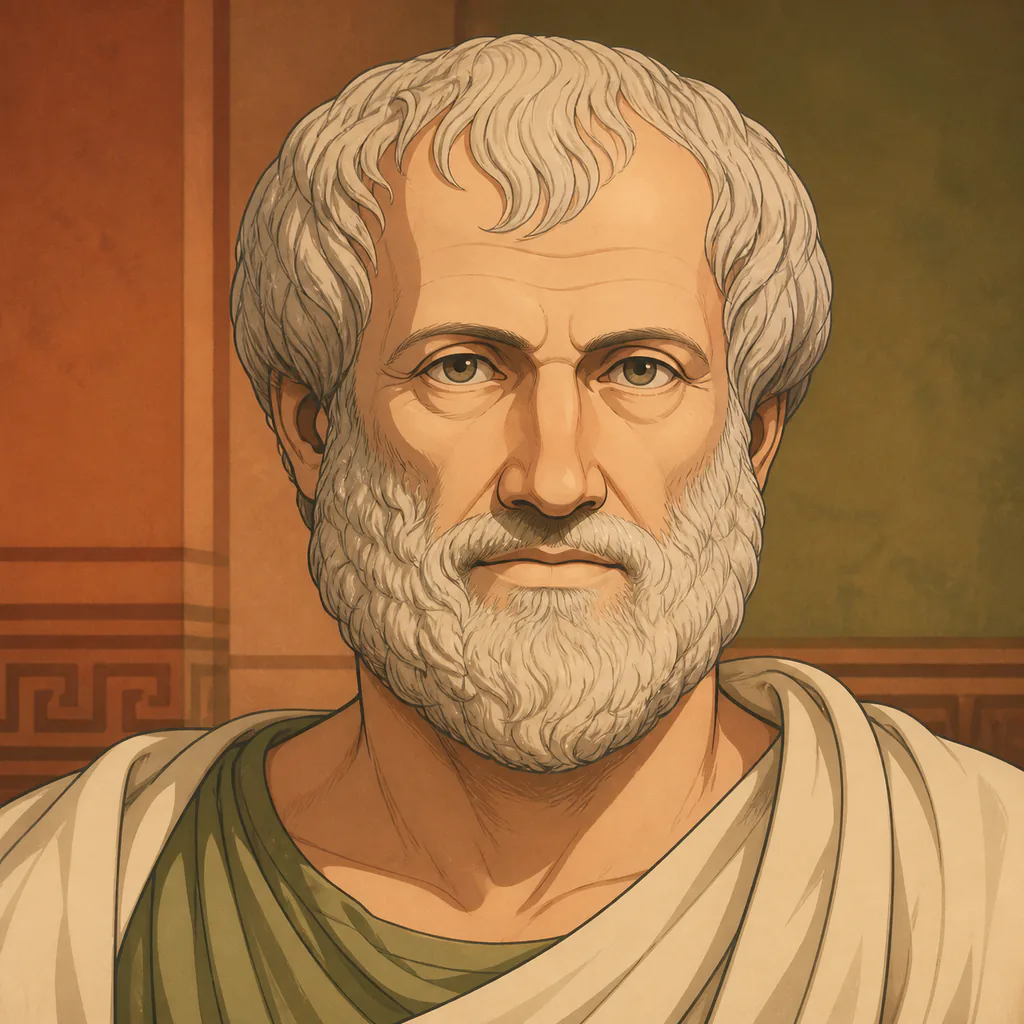
Being one of the greatest thinkers in history and teaching people how to learn through careful thinking and observation.
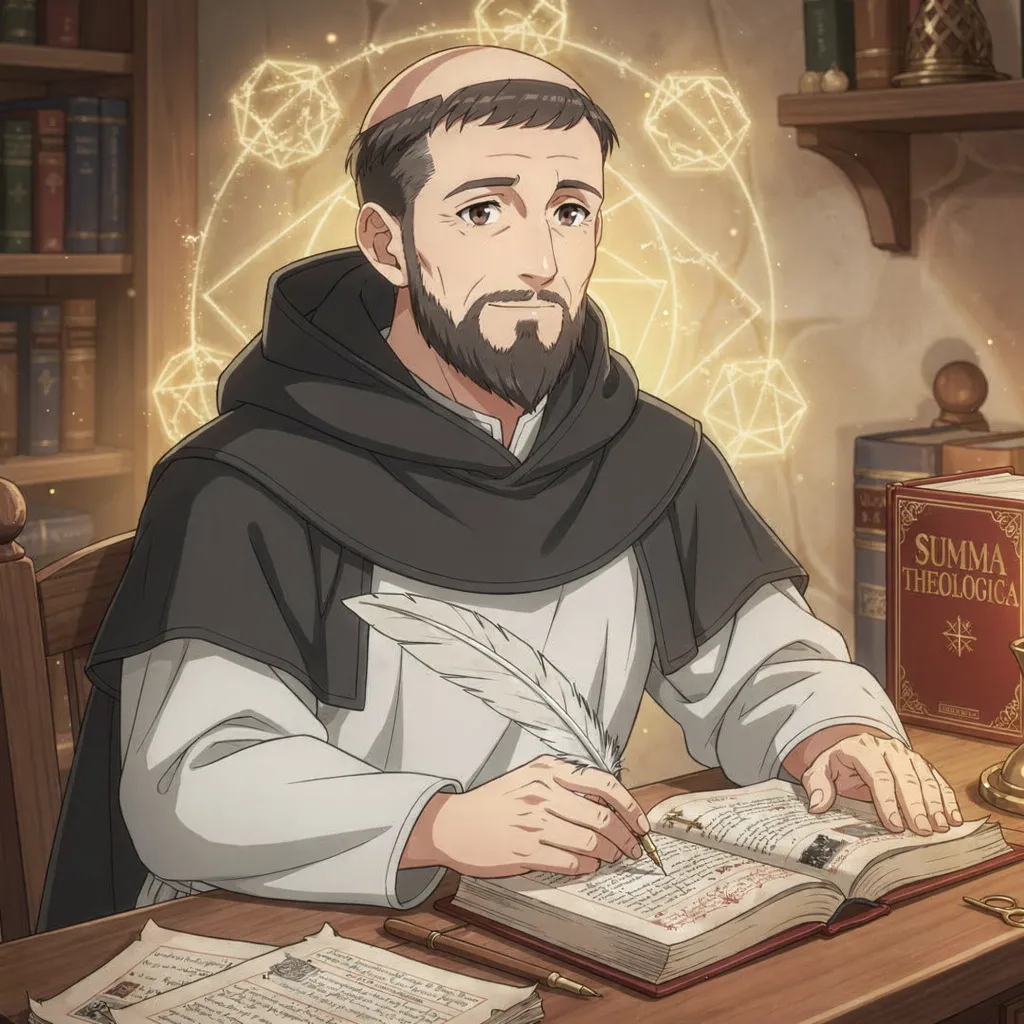
A famous thinker who helped explain big ideas about faith and reason.

A famous Chinese teacher and philosopher who shared ideas about kindness, respect, and good behavior
Explore inspiring lives across science, art, history, music, and more.