
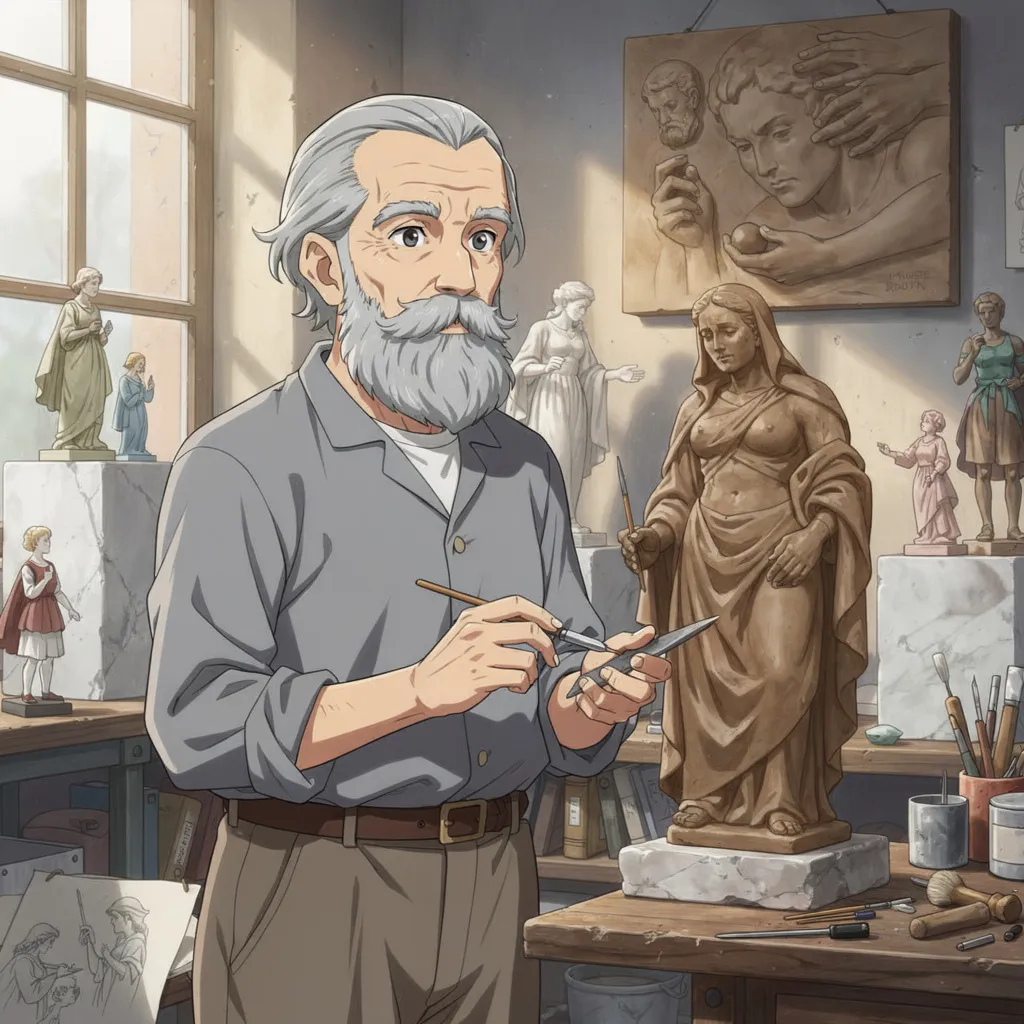
A famous sculptor who helped make modern sculpture popular and expressive.
A famous sculptor who helped make modern sculpture popular and expressive.
Auguste Rodin was born in Paris, France, in 1840. As a child, he loved to draw and shape little figures out of clay. Even though he was very creative, school was not always easy for him. Rodin applied to a famous art school but was not accepted. Instead of giving up, he kept practicing on his own, learning how to carve stone and mold clay in professional workshops.
For many years, Rodin worked quietly and did not get much attention. He studied real people carefully, watching how they stood and moved. This helped him make sculptures that looked alive and full of emotion. Rodin believed that art should show real life, not just perfect poses. He liked to show muscles, wrinkles, and strong feelings like joy, thinking, or sadness.
Rodin became famous for his expressive work as a sculptor. Some of his most well-known pieces include The Thinker and The Kiss. One of his biggest projects was called The Gates of Hell, which he worked on for many years. From this project, he created many smaller sculptures that became famous on their own.
Auguste Rodin is often called the “father of modern sculpture.” He showed that sculptures could express deep thoughts and feelings, just like paintings or stories. His ideas changed how artists thought about the human form. Before he died in 1917, Rodin gave many of his artworks to the French people. Today, his work is displayed in museums around the world.
Rodin’s life teaches us not to give up, even when things are difficult. He showed that with patience and a love for what you do, you can create something that people will admire for a long time. His dedication to showing the truth in his art continues to inspire artists today.
Rodin’s famous sculpture The Thinker was originally meant to be part of a larger artwork.
He often worked with clay first before carving in stone or casting in bronze.
Rodin believed sculptures did not need to be perfectly smooth to be beautiful.
Many of his sculptures are so realistic that they look like they might move!
2 min read · Independent-reader guide
Think of an answer, then open each card to check.
A famous sculptor who helped make modern sculpture popular and expressive.
1840-1917
French
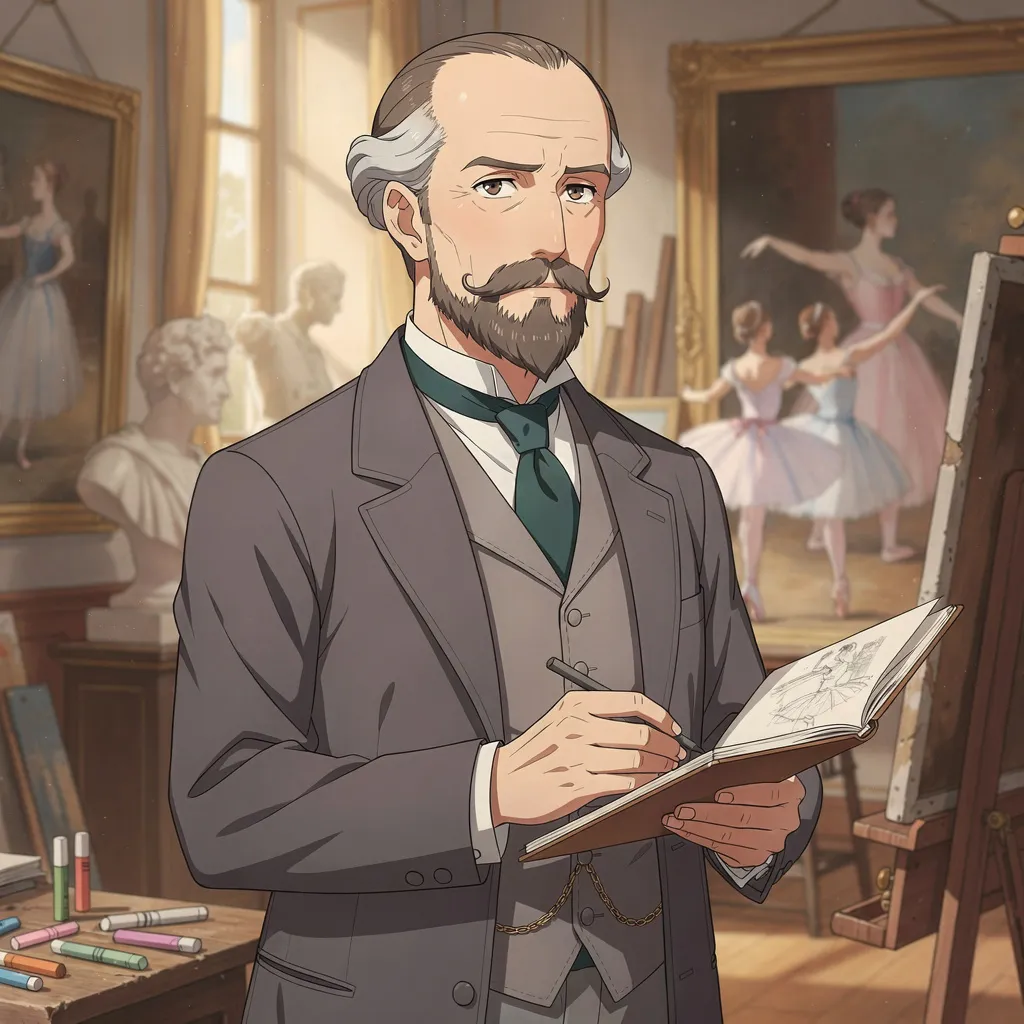
A famous artist known for his beautiful paintings and sculptures of dancers

A famous painter who helped create Impressionism and loved painting people and happy moments
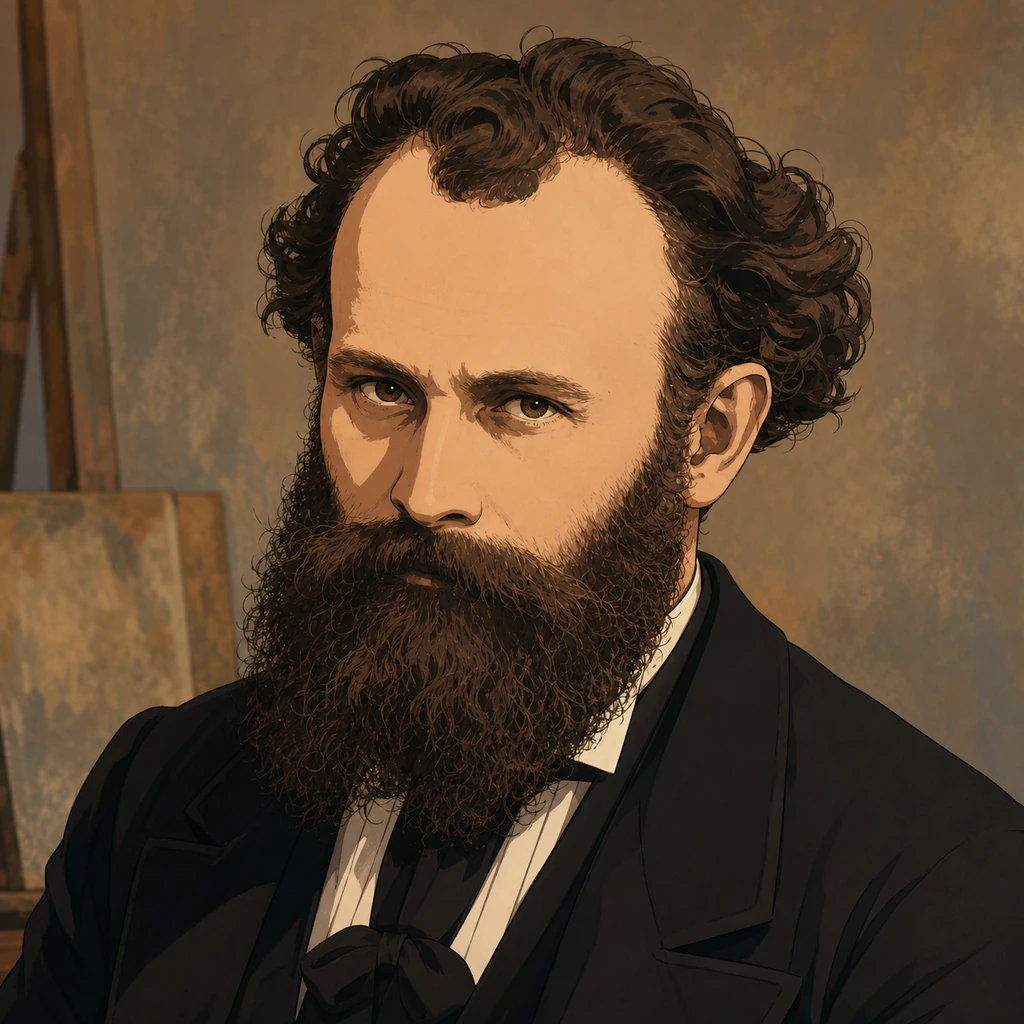
A French painter who helped change art by leading the way toward modern painting.
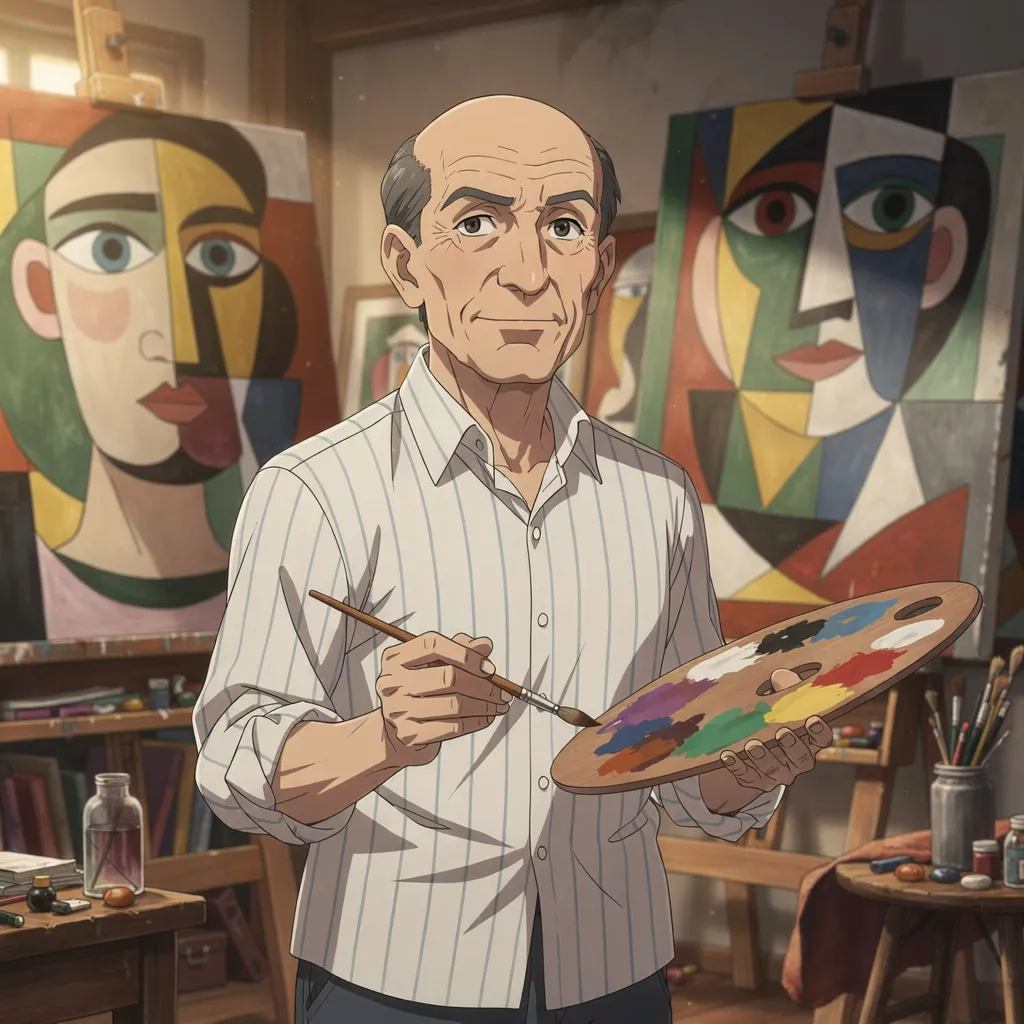
A famous artist who helped create Cubism and changed how people see art.
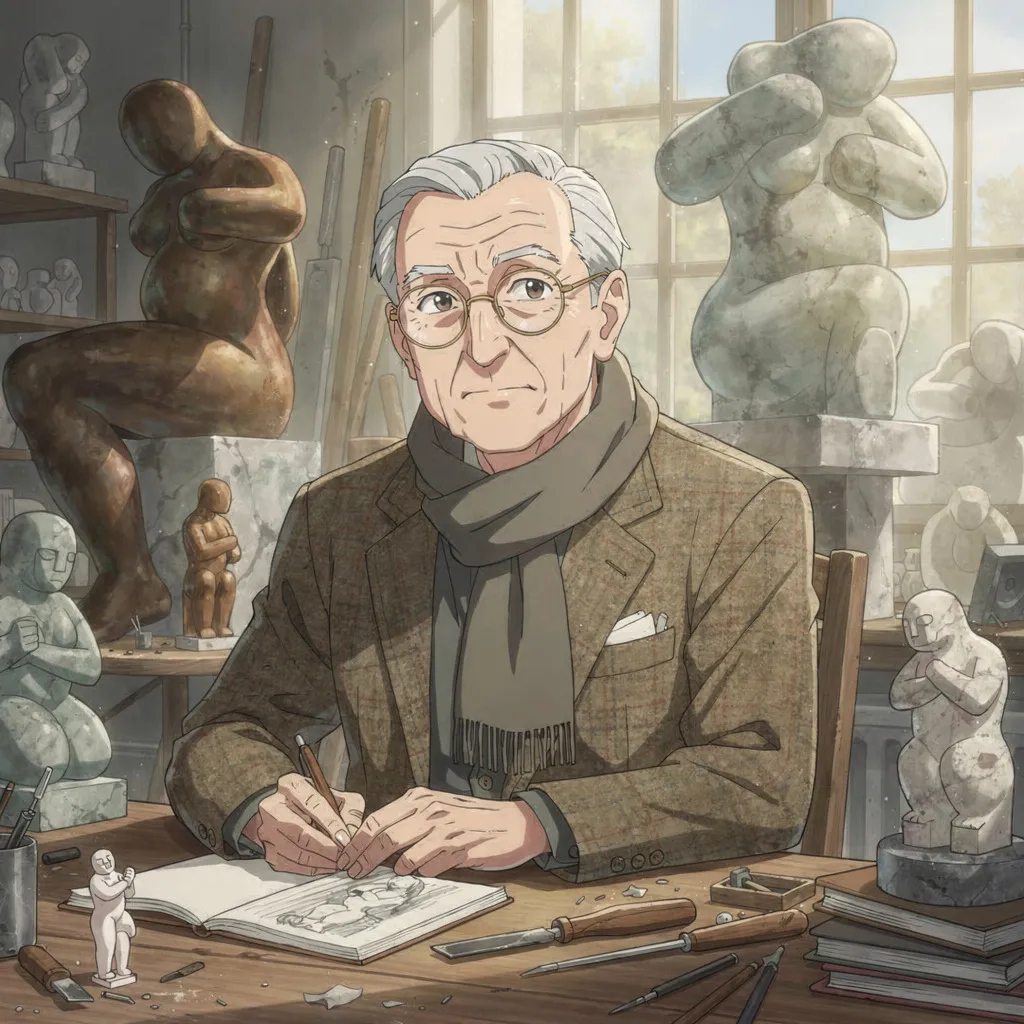
A famous sculptor known for large, smooth sculptures inspired by nature and the human body.
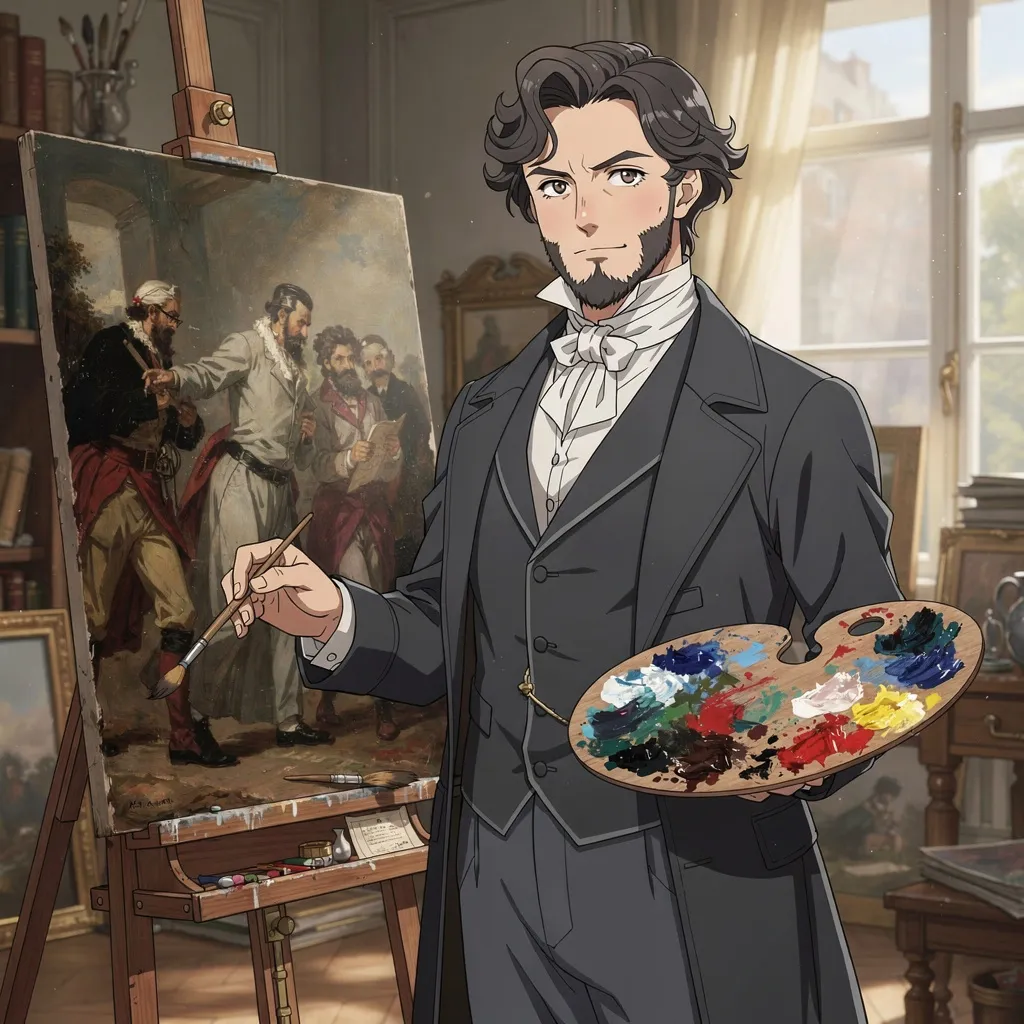
A famous French painter who helped lead the Romantic art movement with bold colors and exciting scenes
Explore inspiring lives across science, art, history, music, and more.