
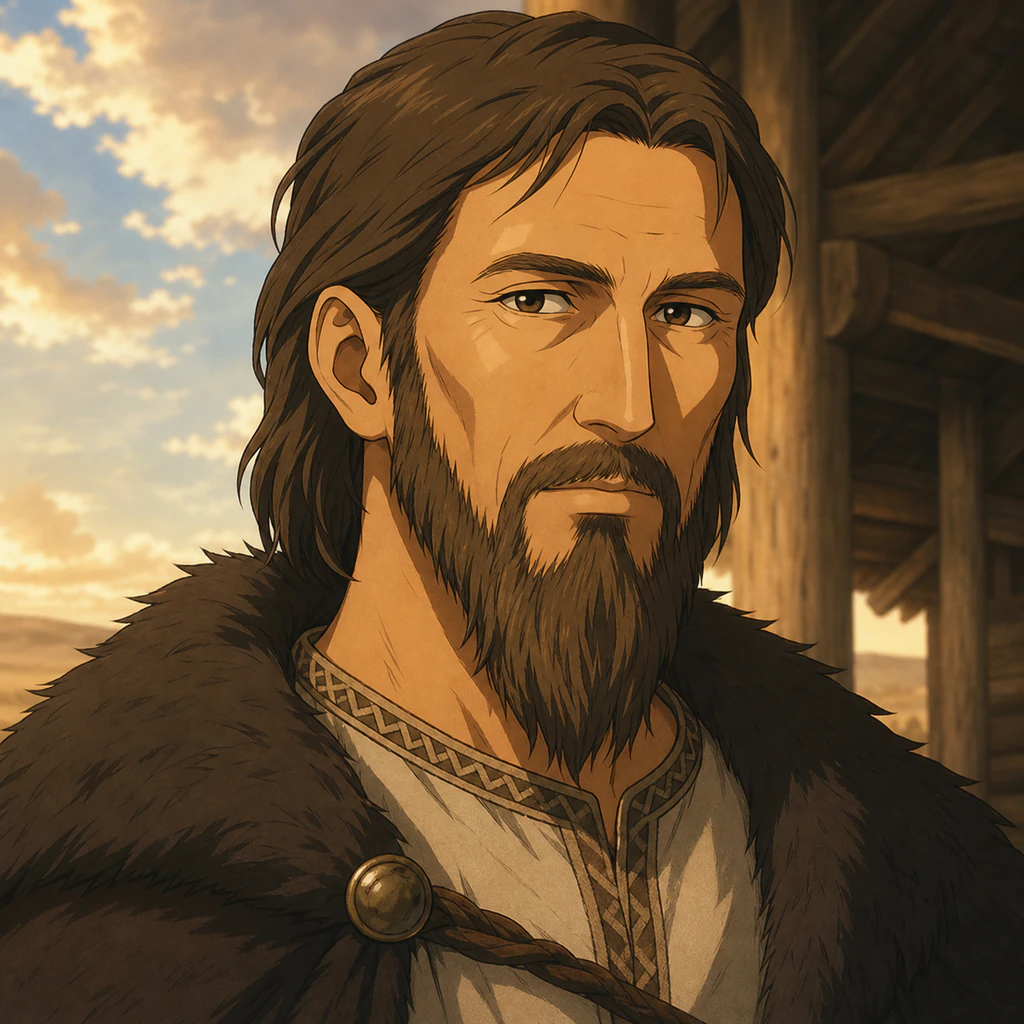
Biography for young readers
Attila the Hun
Being a powerful leader of the Huns and one of the most famous rulers in early European history
- Lived
- c. 406–453
- From
- Hun (Hunnic Empire)
- Reading time
- About 4 min
- Reading guide
- Independent-reader guide
Watch Attila the Hun's story unfold
Why this story matters
A life worth remembering
Being a powerful leader of the Huns and one of the most famous rulers in early European history
Think about it
What did you notice?
- Which moment changed the direction of this person's life?
- Which achievement or idea do you think mattered most?
- What is one question you would ask them?
Prefer to read? Open the complete biography transcript
A Leader Emerging from an Uncertain Past
No one can point to Attila's exact birthplace or birthday with certainty. The Huns did not leave a surviving biography of him, so historians piece together his life mostly from Roman writers looking in from outside. By 434, after the death of his uncle Rua, Attila and his brother Bleda ruled together. Their power reached across parts of central and eastern Europe and included Huns, Germanic peoples, and other communities. This was not a country with fixed borders like a modern nation. It was a shifting coalition held together by family ties, military success, negotiation, and rewards.
The brothers made an agreement with the Eastern Roman Empire that involved trade, returned fugitives, and yearly payments in gold. Diplomacy could pause the fighting, but Hunnic forces also raided Roman territory, taking wealth and captives and leaving damaged towns behind. Around 445, Bleda died. Later writers blamed Attila, yet the surviving evidence does not securely explain how it happened. Attila then ruled alone.
Gold, Warfare, and a Wooden Cup
In 447, Attila led a major campaign south of the Danube. His forces defeated Eastern Roman armies and moved through the Balkans before another treaty greatly increased Roman payments. Gold strengthened Attila's court and helped him reward followers. For people living in the invaded regions, however, these campaigns meant fear, hunger, enslavement, displacement, and loss. A history of leadership must include the people who paid its cost.
A Roman diplomat named Priscus visited Attila's court in 448 and left the most vivid eyewitness account. He described a large wooden residence, people bringing legal disputes to the ruler, and a formal banquet. Guests received gold and silver goblets, while Attila drank from a wooden cup, ate from a wooden plate, and wore plain clothing. The carefully simple display made a political point about discipline and authority. Priscus gives rare details, but he was still a Roman official, and only fragments of his history survive.
A Coalition Meets Another Coalition
By 451, Attila had turned toward the Western Roman Empire and invaded Gaul. His army was itself a coalition that included Huns, Ostrogoths, Gepids, and other groups. Roman general Flavius Aetius answered with another mixed alliance, including Visigoths led by King Theodoric I. Their armies met at the Catalaunian Plains. Both sides suffered heavy losses, Theodoric was killed, and Attila eventually withdrew.
The battle is often told as Rome against foreign invaders, but the real alliances crossed many identities. Some peoples fighting one another in 451 had earlier cooperated, traded, or served in Roman armies. Attila remained powerful enough to campaign again the next year, so the clash did not instantly end his rule.
Italy, a Sudden Death, and a Long Shadow
In 452, Attila invaded northern Italy and destroyed Aquileia. Near Mantua, he met a Roman embassy that included Pope Leo I, then withdrew. Later art and legend credited a miracle or Leo's words alone. The exact reason is unknown; food shortages, disease, Roman diplomacy, and pressure from Eastern Roman forces may all have mattered.
Attila died suddenly in 453 after a wedding celebration. Ancient reports describe severe bleeding, but the exact cause remains uncertain. His sons divided authority, subject peoples rebelled, and the coalition rapidly broke apart. Medieval writers later called him the “Scourge of God,” while other traditions remembered a great king. No securely identified portrait from his lifetime survives. Attila's wider historical importance lies not in a simple hero-or-villain label. His career shows how diplomacy, tribute, migration, and mixed alliances connected the Hunnic and Roman worlds—and how stories written by outsiders can shape a person's reputation for centuries.
Did you know?
Fun facts about Attila the Hun
-
Attila and his brother Bleda ruled together for about a decade before Attila became the sole ruler.
-
The Roman visitor Priscus reported that Attila used a wooden cup while guests drank from gold and silver goblets.
-
Attila's armies included Huns as well as Ostrogoths, Gepids, and people from other groups.
-
Roman officials repeatedly sent embassies to Attila's court, showing that negotiation mattered alongside warfare.
-
Every familiar portrait of Attila was created long after his lifetime; no securely identified contemporary likeness survives.
Learn & remember
Make the story yours
4 min read · Independent-reader guide
Three things to remember
- Known for: Being a powerful leader of the Huns and one of the most famous rulers in early European history
- Lived: c. 406–453
- From: Hun (Hunnic Empire)
Words to know
Open a word for a short explanation.
empire
A group of lands or peoples ruled by one government or leader.
evidence
Information used to support or test an idea.
Quick check
What do you remember?
Think of an answer, then open each card to check.
What is Attila the Hun best known for?
Being a powerful leader of the Huns and one of the most famous rulers in early European history
When did Attila the Hun live?
c. 406–453
What place or nationality is connected to this story?
Hun (Hunnic Empire)
Biography
Genghis Khan
Founding the Mongol Empire and uniting many nomadic tribes into one strong nation
Biography
Julius Caesar
A famous Roman leader who helped shape the Roman Republic and improve the calendar we use today.
Biography
Alexander the Great
Building one of the largest empires in ancient history and spreading Greek culture across many lands
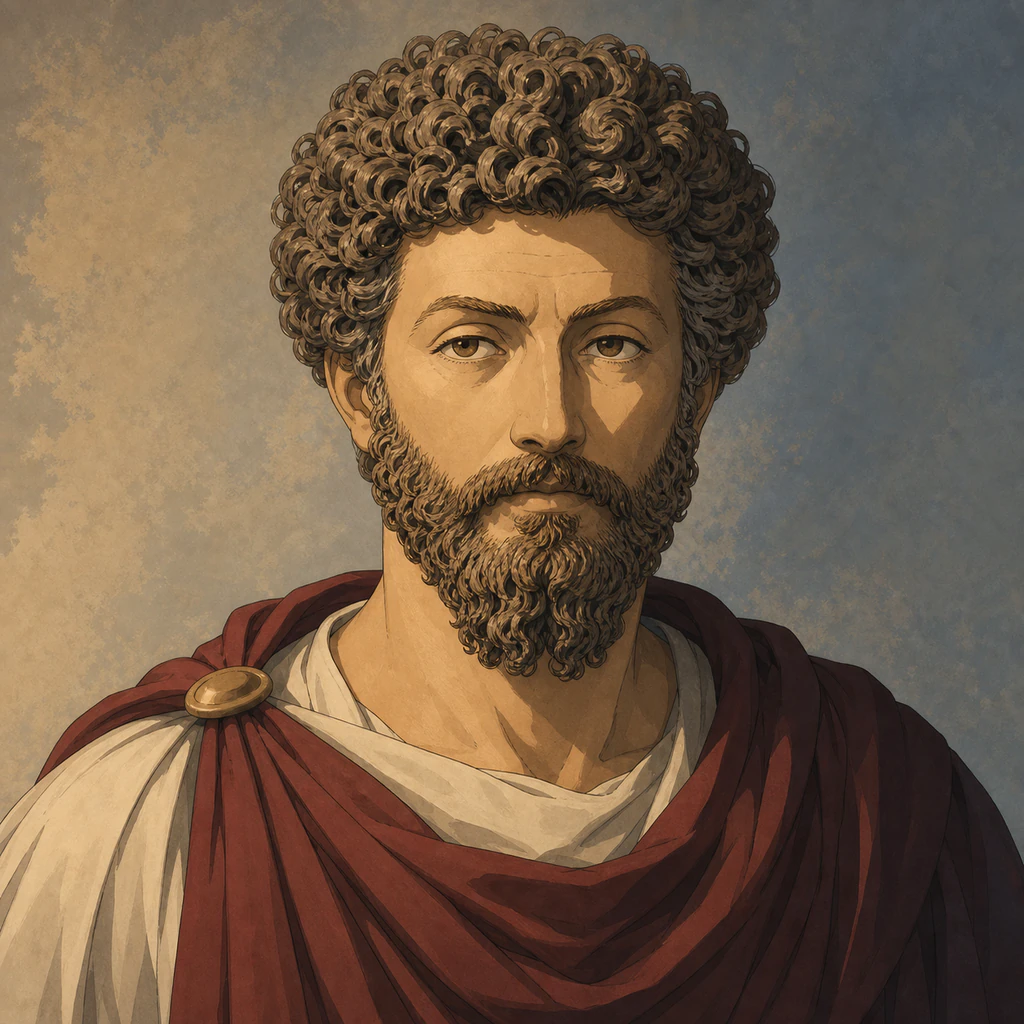
Biography
Marcus Aurelius
Being a Roman emperor who wrote wise thoughts about kindness, self-control, and doing the right thing.
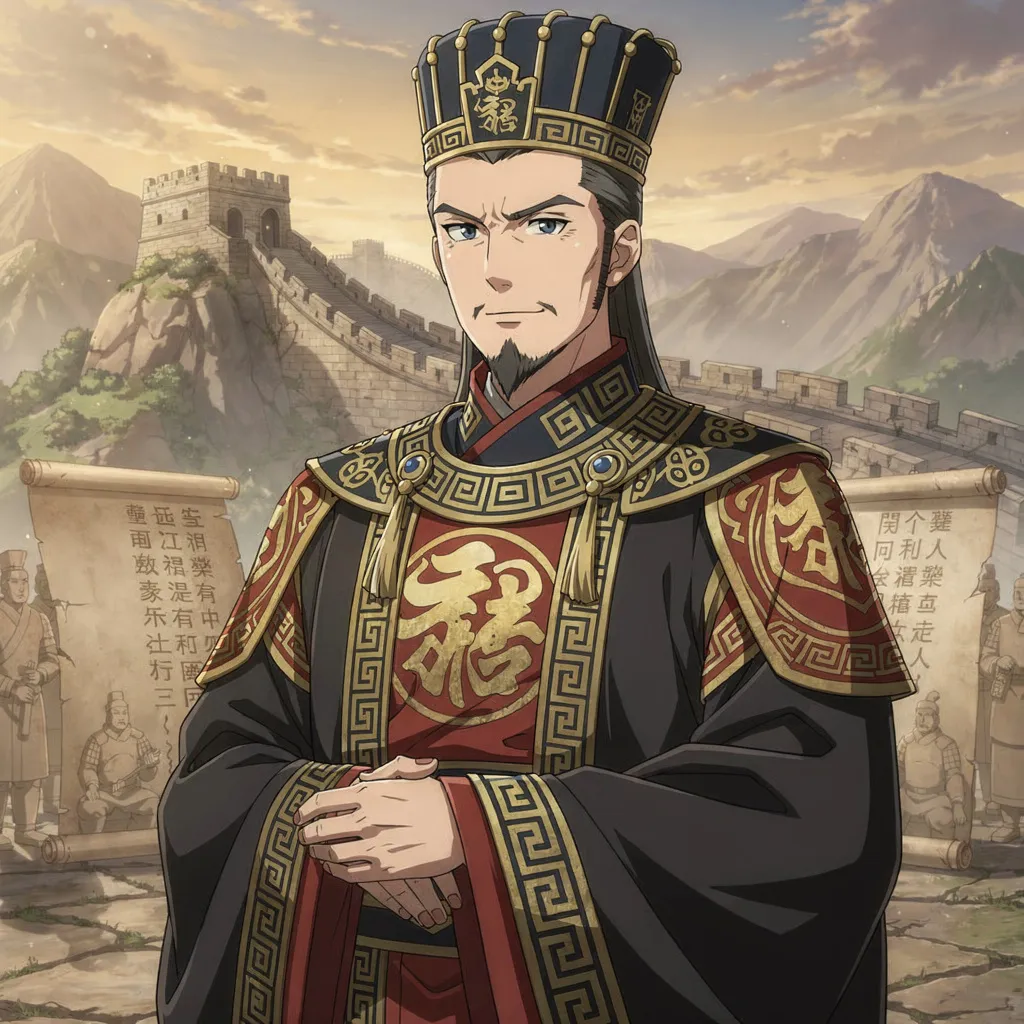
Biography
Qin Shi Huang
Being the first emperor to unite China and create a strong, organized empire.
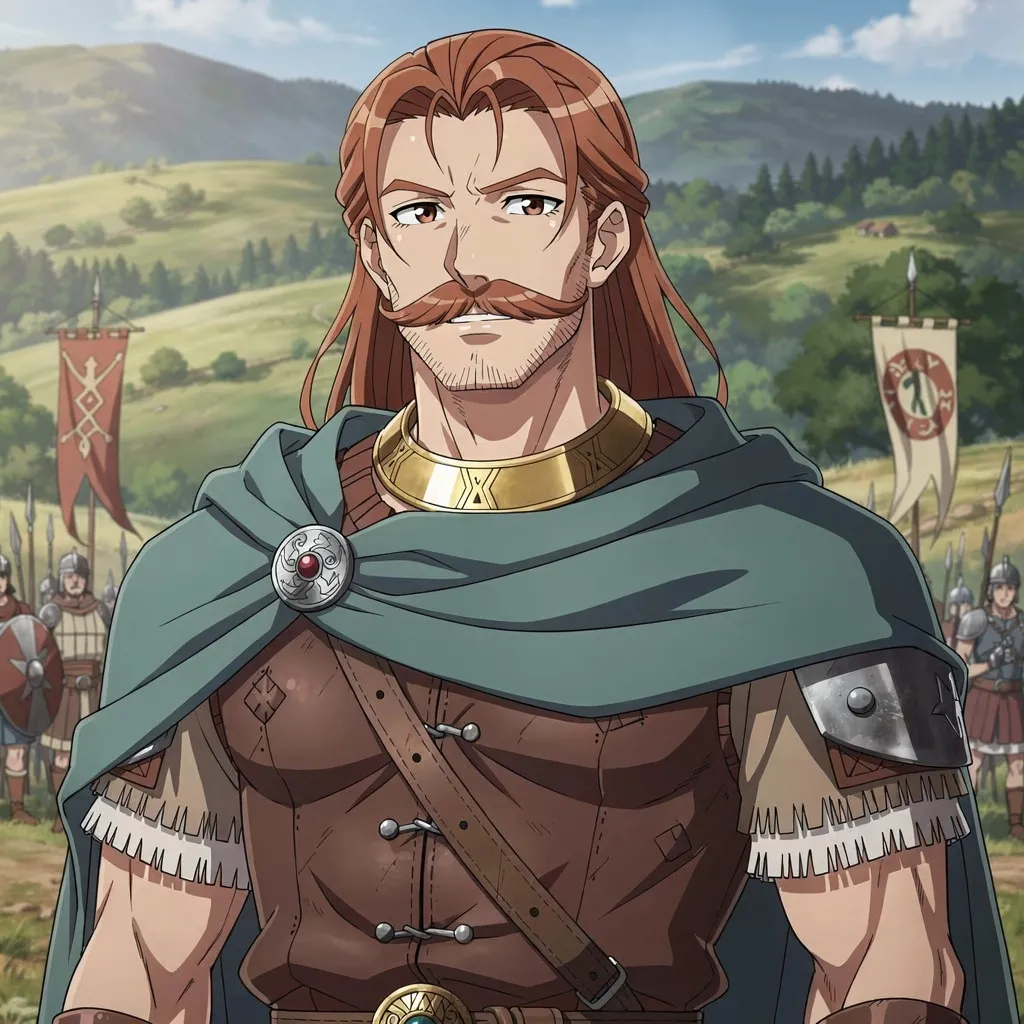
Biography
Vercingetorix
A brave Gallic leader who united many tribes of Gaul to stand up to the Roman army led by Julius Caesar.
One story at a time
Who will you discover next?
Explore inspiring lives across science, art, history, music, and more.