
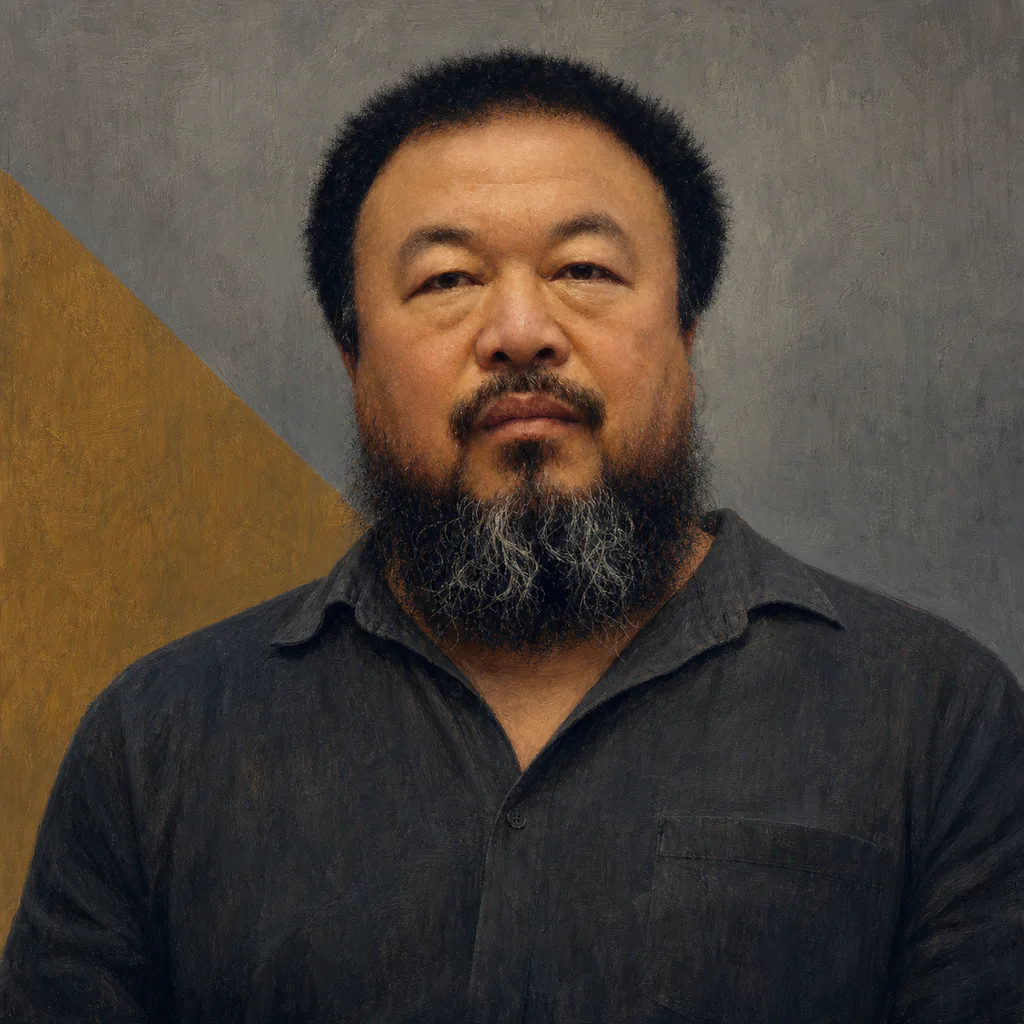
Creating powerful modern art that mixes creativity, history, and new ideas
Creating powerful modern art that mixes creativity, history, and new ideas
Ai Weiwei was born in Beijing on August 28, 1957. His father, Ai Qing, was a well-known poet who was condemned during an anti-intellectual political campaign. The family was sent away from Beijing, eventually living in harsh conditions in Xinjiang. Ai Weiwei spent much of his childhood there while his father performed forced labor. The family returned to Beijing after Mao Zedong's death and the end of the Cultural Revolution.
Ai entered the Beijing Film Academy in 1978 and helped form the Stars, an independent group that argued artists should have more freedom than state institutions allowed. In 1981 he moved to the United States. He studied briefly, took photographs, and encountered artists such as Marcel Duchamp and Andy Warhol while living mainly in New York.
Ai returned to China in 1993 when his father became ill. He made work that changed or rearranged old furniture, pottery, and building materials. These pieces ask who decides what an object is worth and how history can be preserved, broken, or remade. He also worked in architecture and advised Herzog & de Meuron on the design of Beijing's National Stadium, called the Bird's Nest, for the 2008 Olympics. He later criticized the way the Games were used politically.
After the 2008 Sichuan earthquake, Ai and volunteers gathered the names of students who died when schools collapsed. The research challenged incomplete official accounts and became part of his art. In 2010, Tate Modern displayed Sunflower Seeds: a vast field of handmade porcelain seeds produced by artisans in Jingdezhen. From a distance they looked alike; close up, each was different.
Chinese authorities detained Ai for 81 days in 2011. Officials later pursued a tax case against his studio, while human-rights organizations connected the detention to his criticism of the government. His passport was withheld until 2015. Careful reporting distinguishes the government's stated allegations from the wider political context.
After leaving China, Ai lived and worked in Europe. His documentary Human Flow (2017) examined forced migration across many countries. Later installations have used life jackets, building bricks, ancient materials, and images from war to connect individual lives with large political decisions.
Ai's work can be praised, criticized, or debated, which is part of its purpose. His career shows how sculpture, architecture, film, research, and public speech can all become tools for asking who is remembered and who has the freedom to speak.
Ai Weiwei helped found the independent Stars art group in Beijing in 1978.
He photographed everyday life in New York during the 1980s and early 1990s.
Ai advised the architects who designed Beijing's Bird's Nest stadium.
Each porcelain piece in Sunflower Seeds was handmade and painted by artisans.
His 2017 documentary Human Flow followed displaced people in many countries.
3 min read · Independent-reader guide
Open a word for a short explanation.
A major and often rapid change in government or society.
Think of an answer, then open each card to check.
Creating powerful modern art that mixes creativity, history, and new ideas
1957–present
Chinese
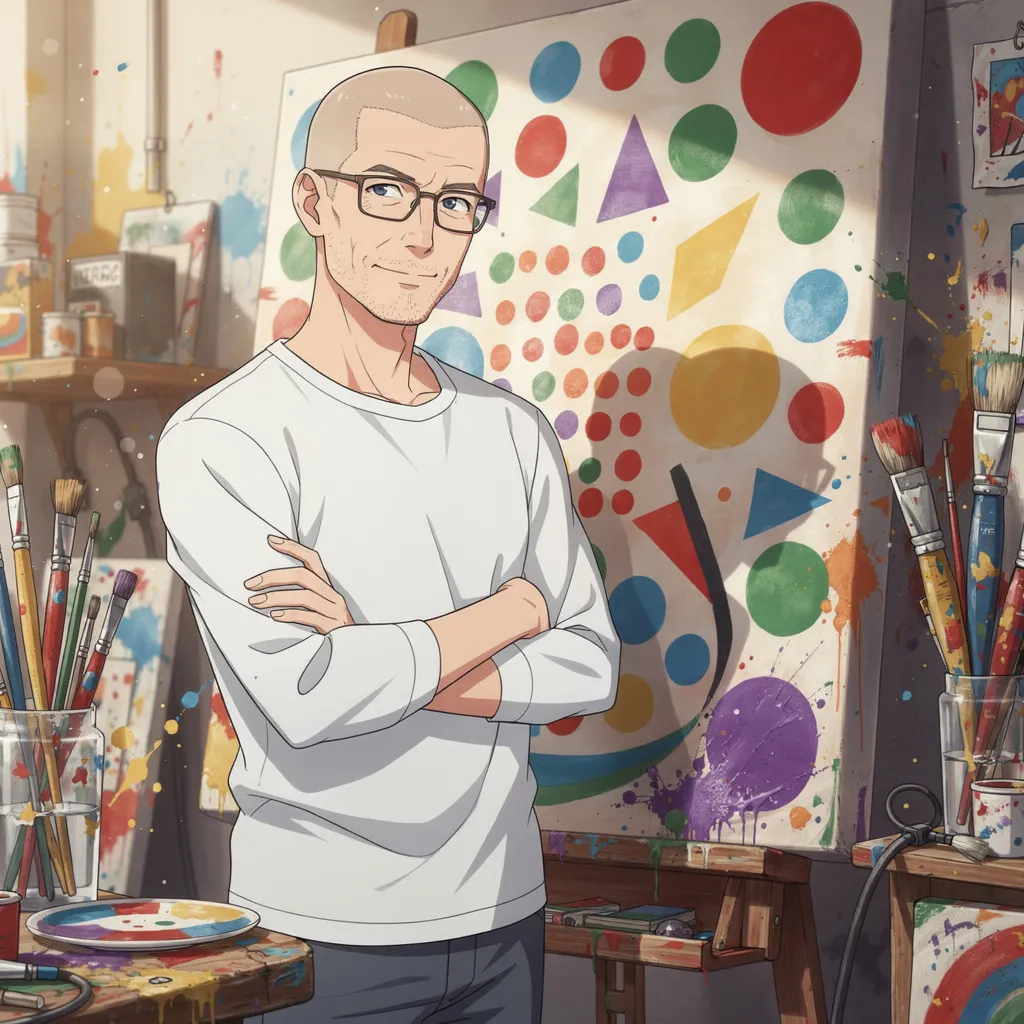
A modern artist known for bold ideas, colorful art, and thinking about big questions in creative ways
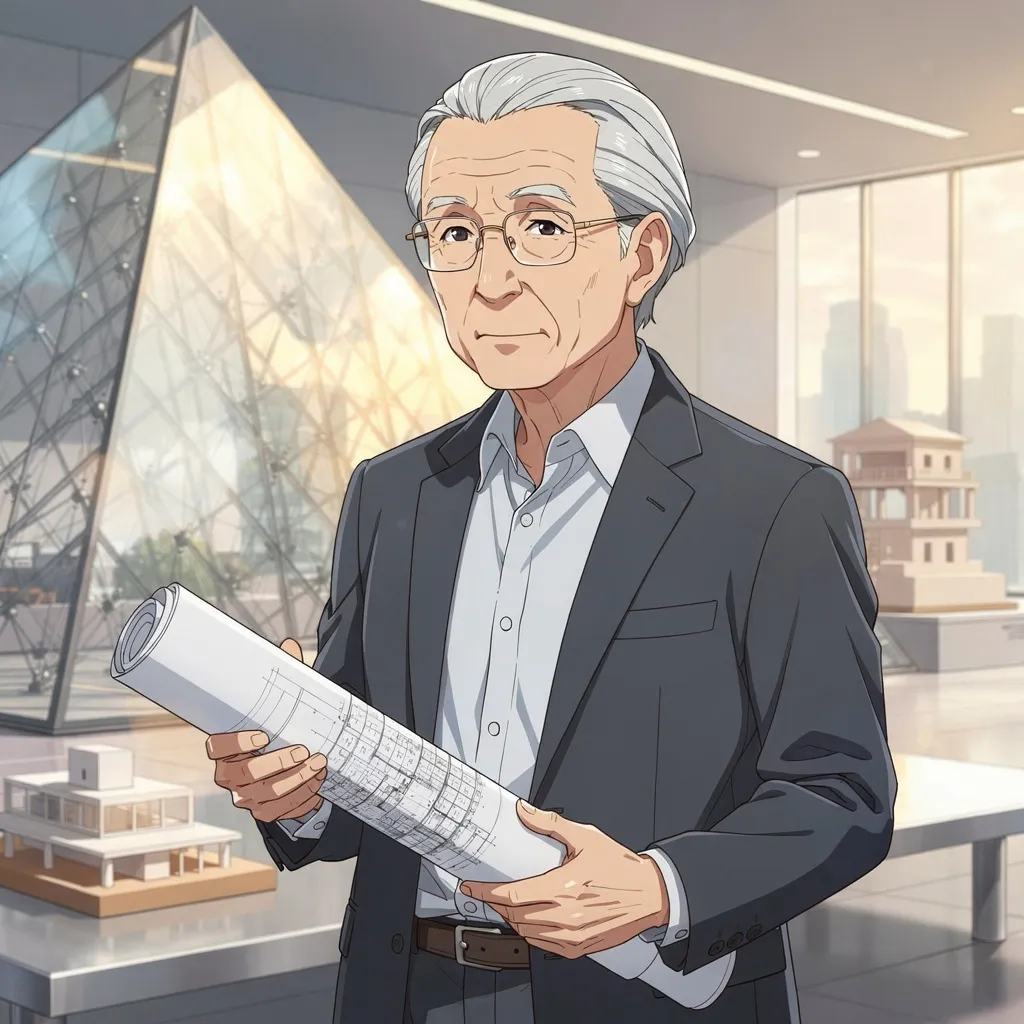
Designing beautiful modern buildings like the glass pyramid at the Louvre Museum.
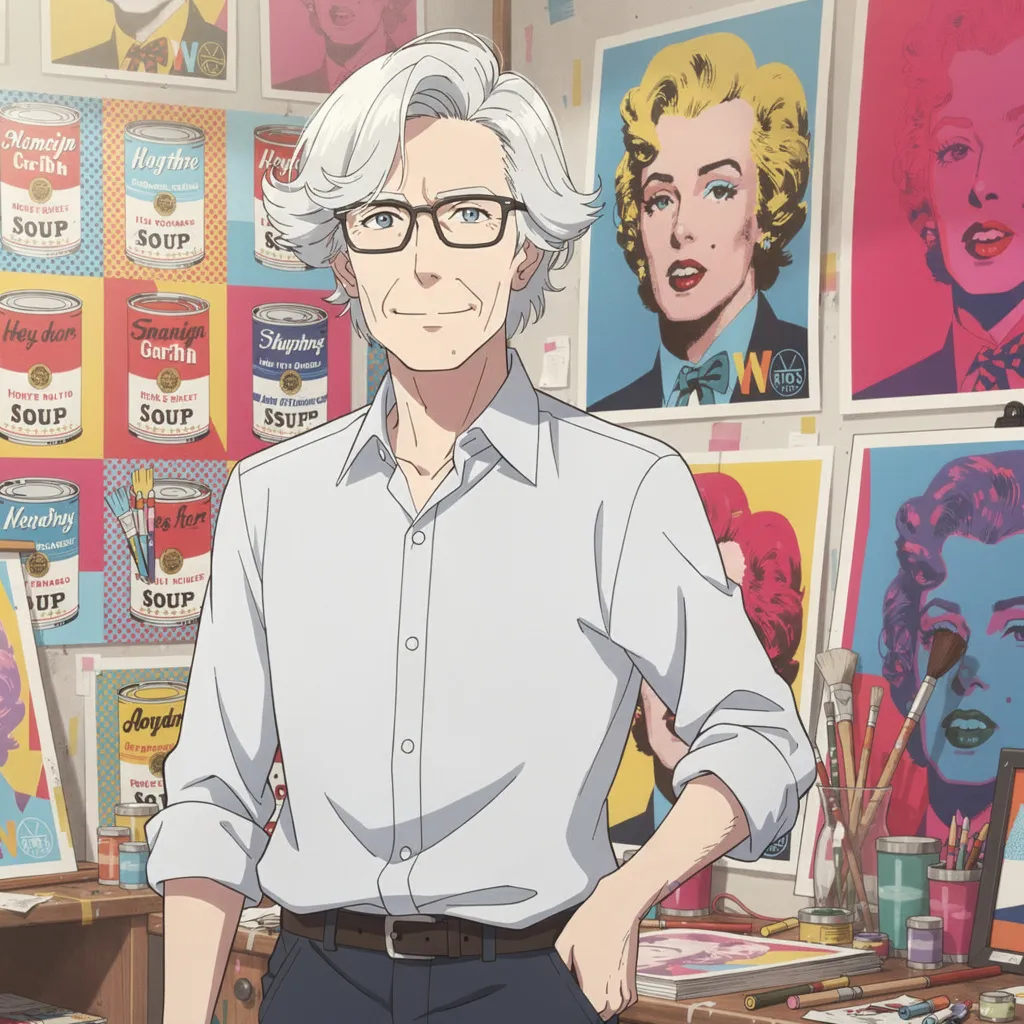
Being a famous artist who turned everyday objects into colorful pop art.
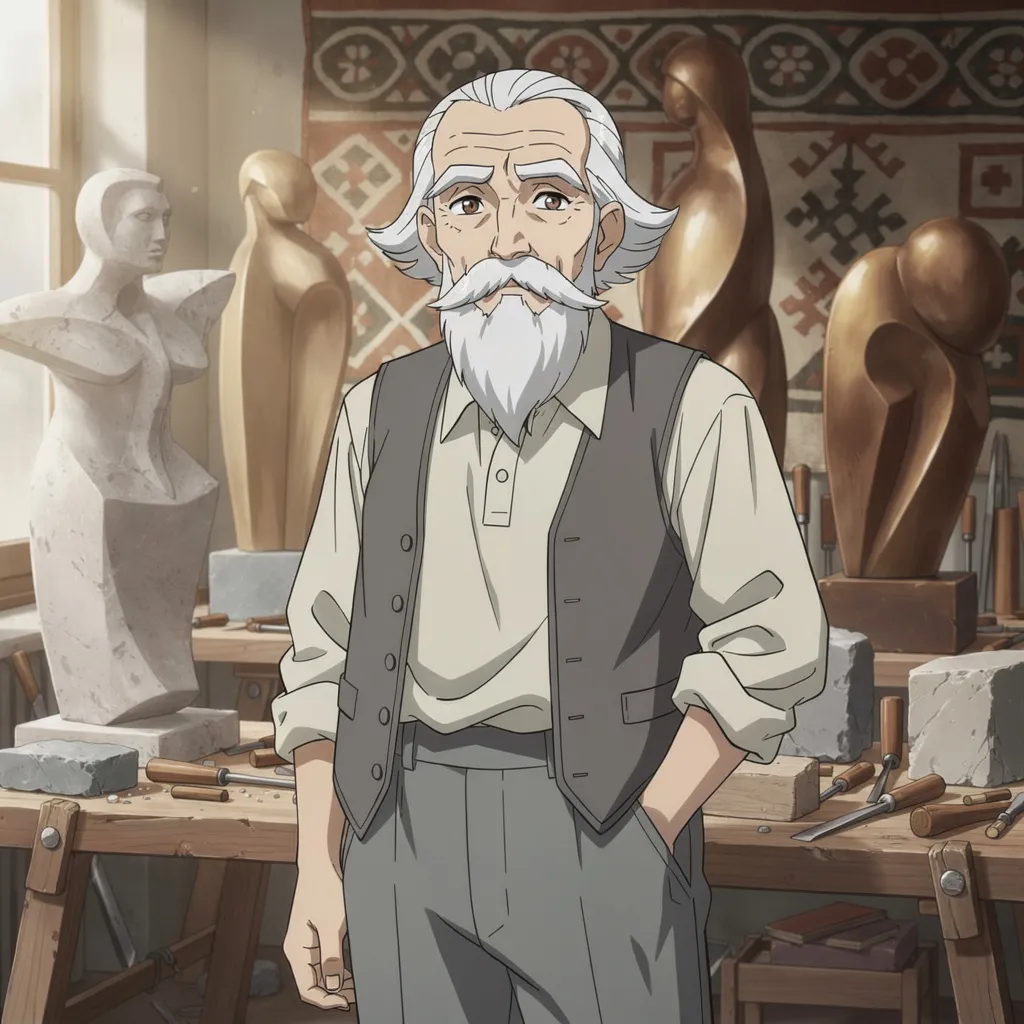
A famous sculptor who helped create modern art with simple and powerful shapes
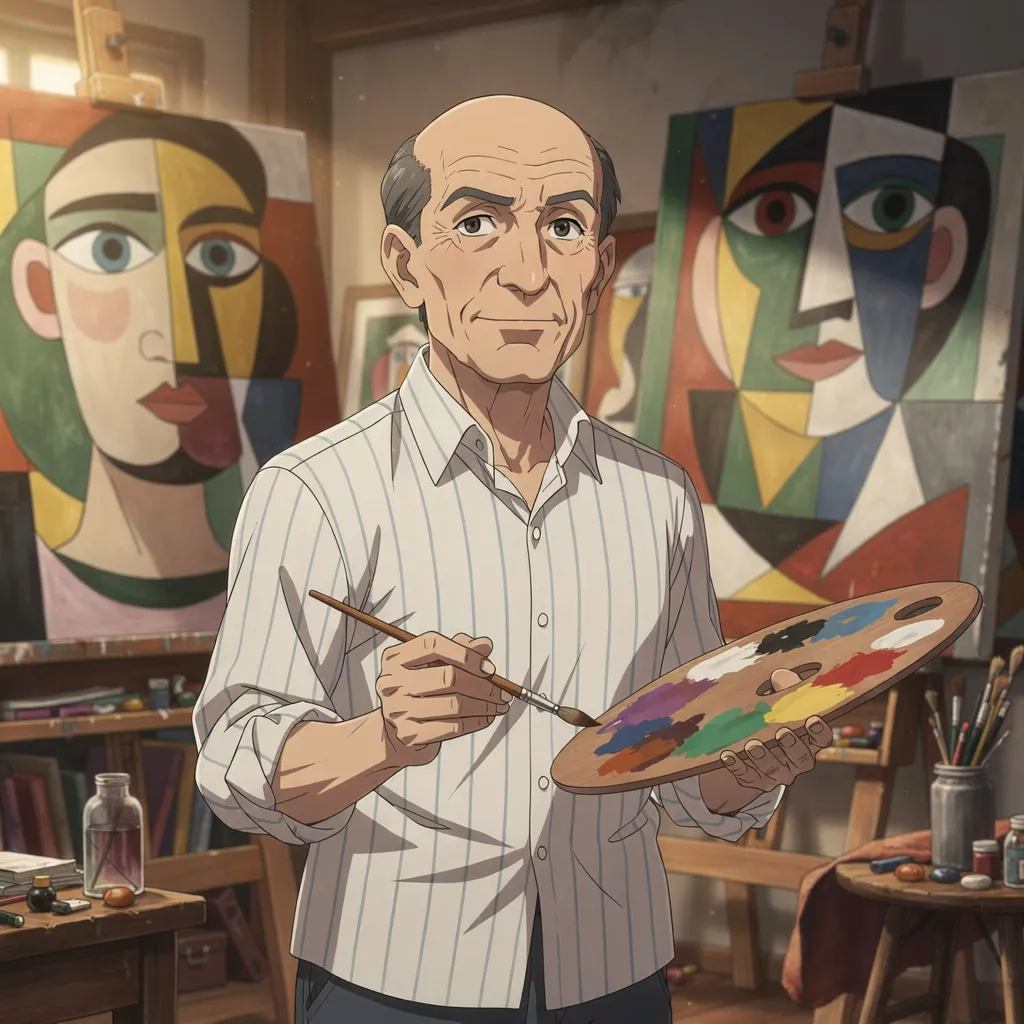
A famous artist who helped create Cubism and changed how people see art.
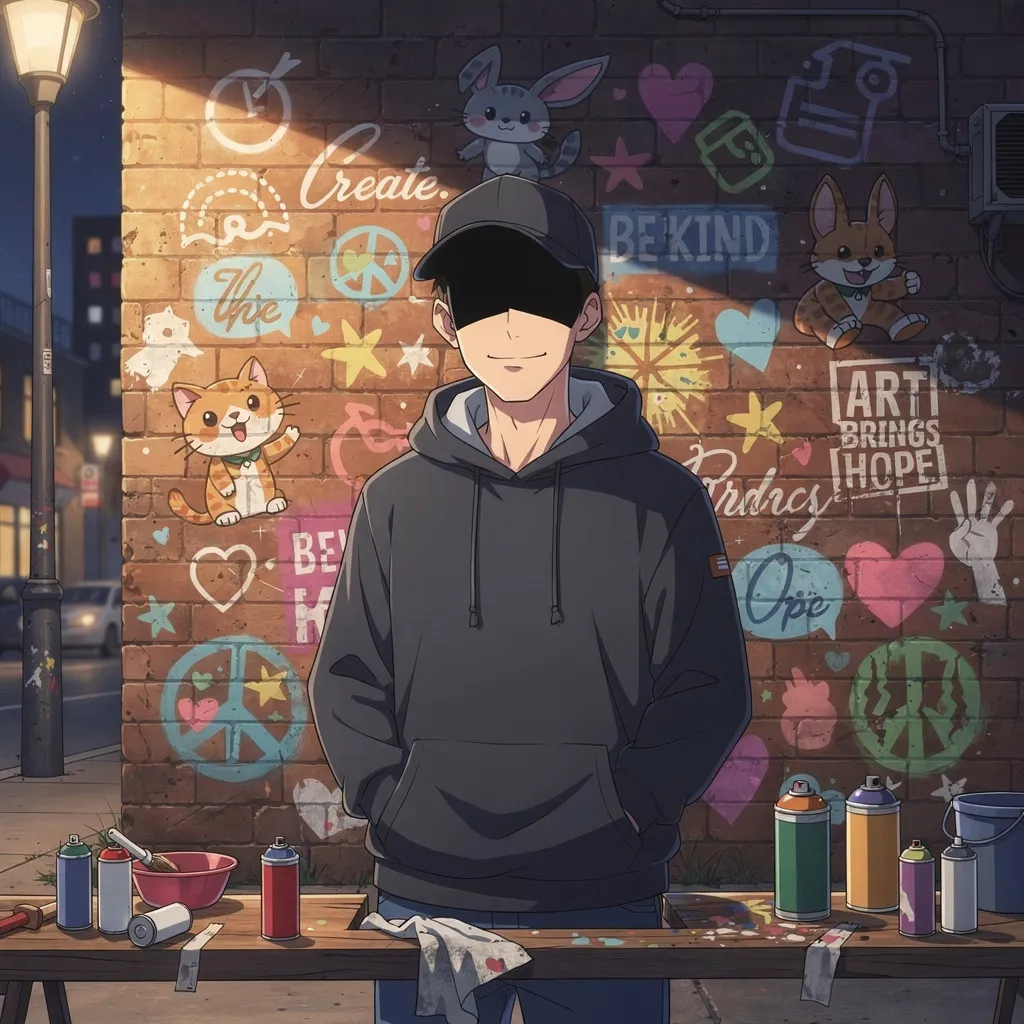
A famous street artist known for creative graffiti art with strong messages.
Explore inspiring lives across science, art, history, music, and more.