
Biography for young readers
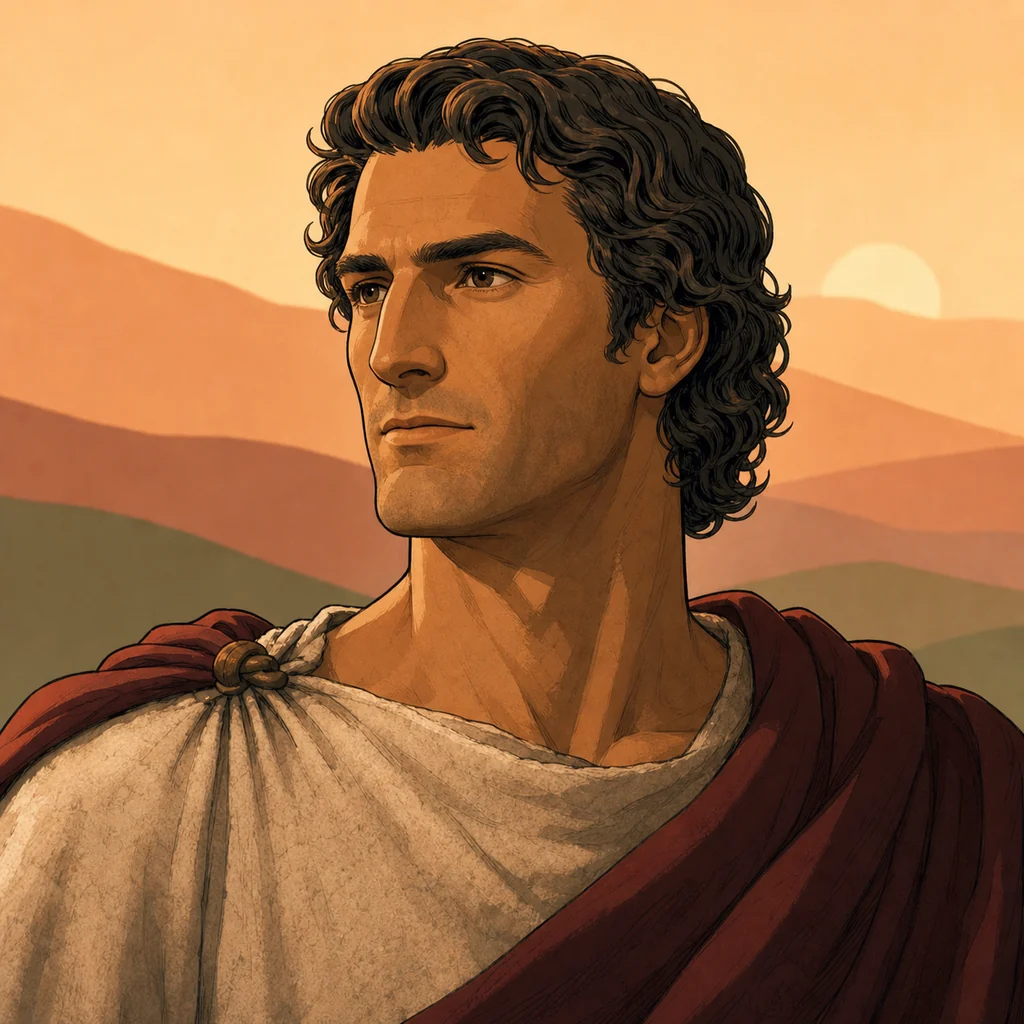
Spartacus
He is famous for leading a brave fight for freedom by enslaved people in ancient Rome.
- Lived
- c. 111 BC – 71 BC
- From
- Thracian (from the region of Thrace)
- Reading time
- About 3 min
- Reading guide
- Advanced vocabulary
Watch Spartacus's story unfold
Why this story matters
A life worth remembering
He is famous for leading a brave fight for freedom by enslaved people in ancient Rome.
Think about it
What did you notice?
- Which moment changed the direction of this person's life?
- Which achievement or idea do you think mattered most?
- What is one question you would ask them?
Prefer to read? Open the complete biography transcript
A Thracian Seen Through Roman Records
Spartacus entered history not as a Roman senator or king, but as an enslaved gladiator who helped turn an escape into one of the Roman Republic's greatest emergencies. He came from Thrace, a region north of the Aegean Sea, but his birth date, childhood, and original appearance are unknown. The fullest surviving accounts were written more than a century later by Plutarch and Appian, and they do not agree on every detail or number. Appian says Spartacus had once served with the Romans before becoming a prisoner and gladiator, while Plutarch's account likewise places him at Capua and makes him one of the escape's leaders.
Escape from the Gladiator School
By 73 BCE, Spartacus was held at a gladiator school in Capua, where people were trained to fight for spectators. Around seventy gladiators escaped; Plutarch reports seventy-eight, while Appian gives about seventy, a small difference that shows why ancient numbers need care. Plutarch says the escapees first took kitchen cleavers and roasting spits, then seized a wagon carrying gladiator weapons. They chose Spartacus, Crixus, and Oenomaus as leaders and made a base on Mount Vesuvius.
When Roman troops blocked the usual path, Plutarch says the rebels climbed down another side on ropes made from wild vines and surprised the camp below.
A War Across Italy
People escaping slavery and some free rural workers joined them, and the group grew into a large army that defeated several Roman forces in 73 and 72 BCE. Ancient writers give very different totals, from tens of thousands upward, so exact army sizes cannot be known. Spartacus tried to move through Italy, and some sources say he aimed for the Alps, but the rebels did not remain united and their plans are still debated. Their campaigns included victories and raids that harmed communities, reminding readers that this was a violent ancient war, not a simple adventure story.
In 71 BCE, Rome gave Marcus Licinius Crassus command of a much larger campaign. He trapped the rebels in southern Italy behind a long ditch and wall, though many broke through.
The Last Battle and a Careful Legacy
Spartacus fought Crassus's army in southern Italy in 71 BCE. Appian says he was wounded, kept fighting, and died surrounded by enemies, but his body was never identified. Rome captured about six thousand survivors and crucified them along the road from Capua to Rome, a brutal warning to others.
The revolt did not end Roman slavery, and surviving ancient accounts do not prove that Spartacus planned to abolish slavery everywhere; they do show that people denied freedom could organize, fight, and frighten a powerful state. Later generations turned him into many kinds of symbol, and Denis Foyatier's 1830 Louvre statue imagined him breaking chains even though no confirmed portrait exists. Spartacus's wider contribution is therefore also a lesson in reading history carefully: compare sources, separate evidence from drama, and remember how rarely the voices of enslaved people were preserved.
Did you know?
Fun facts about Spartacus
-
Plutarch counted seventy-eight gladiators in the escape, while Appian said about seventy.
-
The escapees first armed themselves with kitchen tools before seizing gladiator weapons from a wagon.
-
Ancient writers name Crixus and Oenomaus as early leaders alongside Spartacus.
-
Spartacus's body was not identified after the final battle in 71 BCE.
-
The Louvre's famous marble Spartacus was made by Denis Foyatier in 1830, nearly nineteen centuries after the revolt.
Learn & remember
Make the story yours
3 min read · Advanced vocabulary
Three things to remember
- Known for: He is famous for leading a brave fight for freedom by enslaved people in ancient Rome.
- Lived: c. 111 BC – 71 BC
- From: Thracian (from the region of Thrace)
Words to know
Open a word for a short explanation.
evidence
Information used to support or test an idea.
Quick check
What do you remember?
Think of an answer, then open each card to check.
What is Spartacus best known for?
He is famous for leading a brave fight for freedom by enslaved people in ancient Rome.
When did Spartacus live?
c. 111 BC – 71 BC
What place or nationality is connected to this story?
Thracian (from the region of Thrace)
Biography
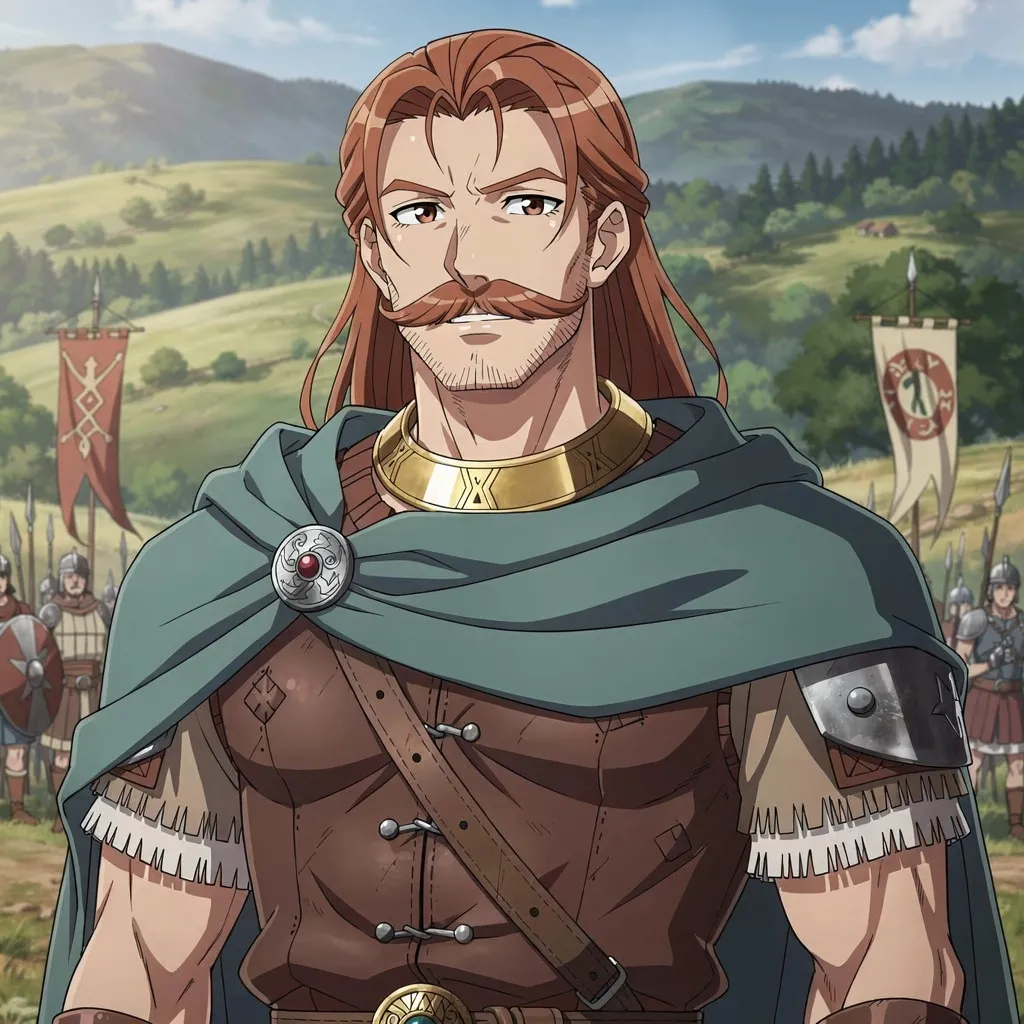
Vercingetorix
A brave Gallic leader who united many tribes of Gaul to stand up to the Roman army led by Julius Caesar.
Biography
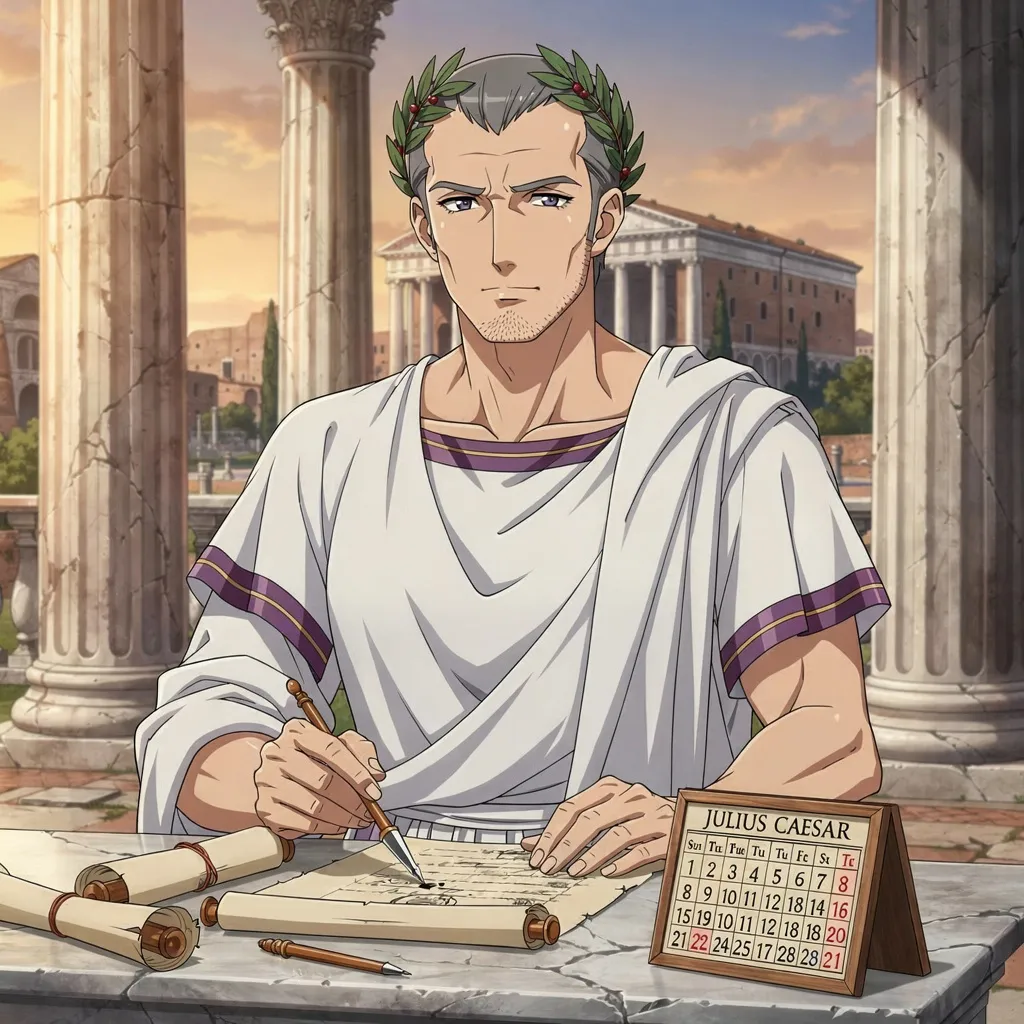
Julius Caesar
A famous Roman leader who helped shape the Roman Republic and improve the calendar we use today.
Biography
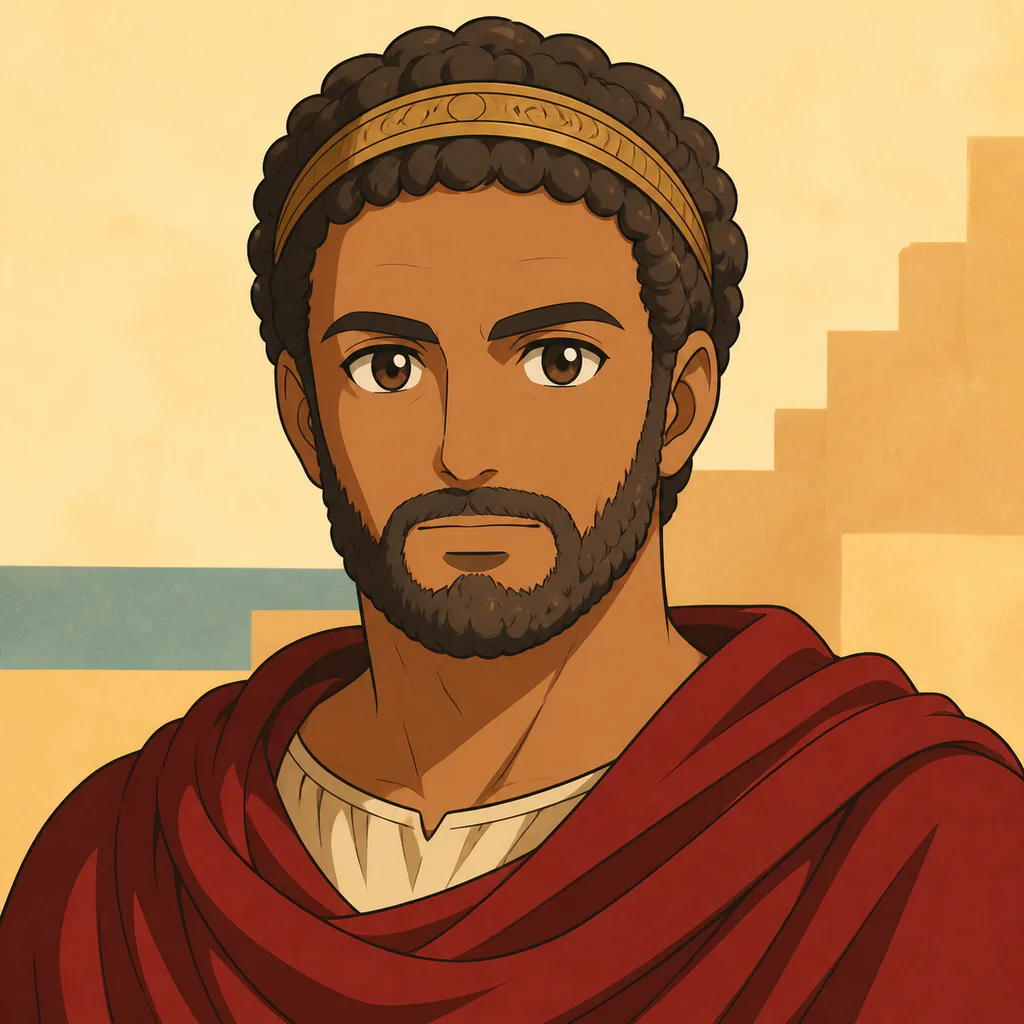
Hannibal Barca
A famous Carthaginian general who led an amazing journey across the Alps with elephants.
Biography
Roman Reigns
Being a famous WWE professional wrestler and a leader known as "The Tribal Chief."
Biography
Boudicca
Leading a brave rebellion against Roman rule in ancient Britain
One story at a time
Who will you discover next?
Explore inspiring lives across science, art, history, music, and more.