
01
Early Life
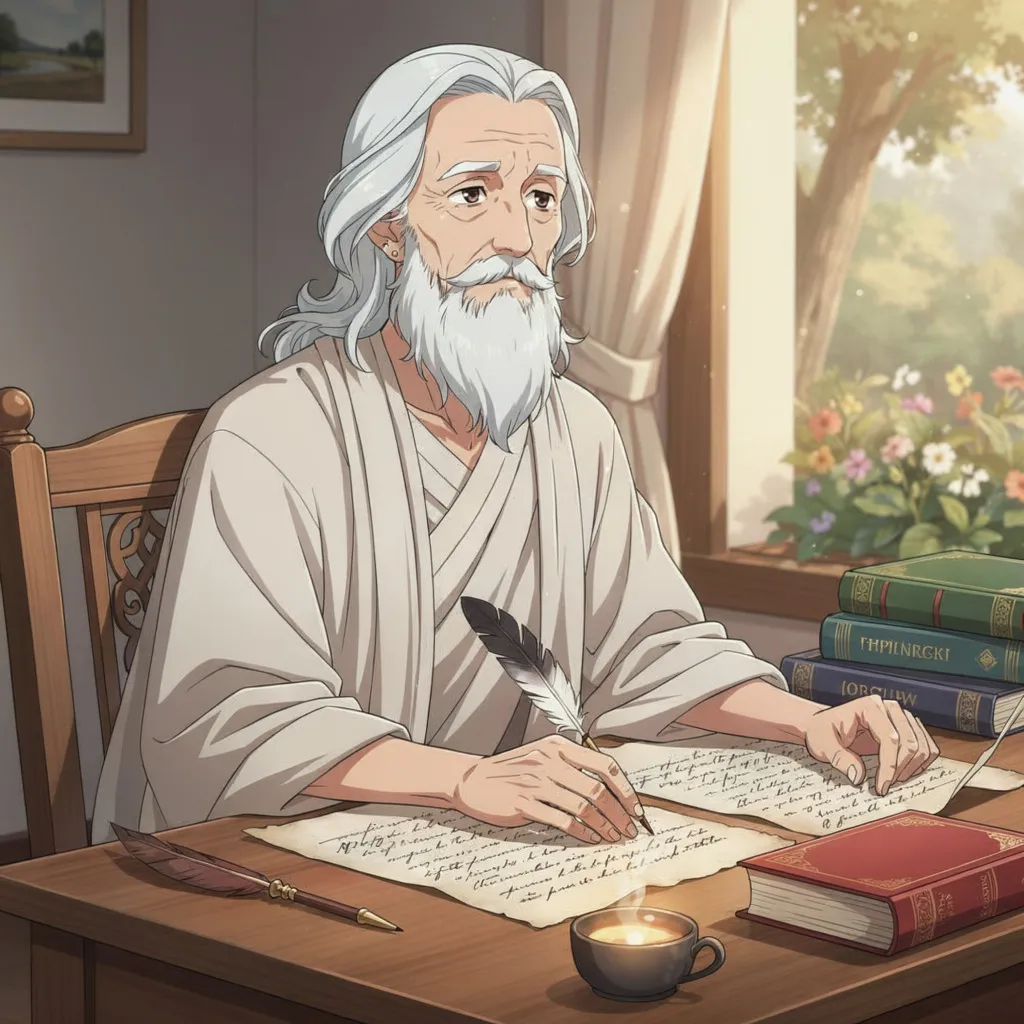
Rabindranath Tagore was born in 1861 in the city of Calcutta, which is now called Kolkata, in British-ruled India.
A famous poet, writer, artist, and teacher who won the Nobel Prize in Literature.
A famous poet, writer, artist, and teacher who won the Nobel Prize in Literature.
Rabindranath Tagore was born in 1861 in the city of Calcutta, which is now called Kolkata, in British-ruled India. He grew up in a large and creative family that loved music, art, and learning. His home was full of books, songs, and ideas.
Tagore did not enjoy regular school very much. Instead, he learned by reading, exploring nature, and listening to great thinkers at home. This helped him become curious and imaginative from a young age.
Tagore started writing poems when he was just a child. As he grew older, he wrote poems, stories, plays, songs, and later in life, painted pictures. He believed that art should help people understand each other and the world better.
He wrote mainly in Bengali, his home language, and later helped translate some of his work into English so more people around the world could enjoy it. His writing often described nature, feelings, and the beauty of everyday life.
In 1913, Rabindranath Tagore made history by becoming the first person from Asia to win the Nobel Prize in Literature. He received the award mainly for the English version of his book of poems called Gitanjali, which means "Song Offerings."
Many people around the world were touched by his gentle and thoughtful words. Leaders, writers, and students admired him for sharing messages of peace, kindness, and understanding.
Tagore believed that learning should be joyful and connected to nature. In 1901, he started a special school at Santiniketan where students learned outdoors, sang songs, and studied many cultures.
In 1921, this school grew into Visva-Bharati University, welcoming students and teachers from many countries. Tagore wanted the world to feel like one big family.
Rabindranath Tagore passed away in 1941, but his ideas and art still live on. His songs are still sung today, and two of them became national anthems for different countries. His life reminds us that creativity and kindness can bring the whole world together.
Rabindranath Tagore wrote over 2,000 songs, known today as Rabindra Sangeet.
He was also a painter and began painting seriously when he was in his 60s.
Two different countries use his songs as their national anthems.
Tagore loved nature and often wrote while sitting outdoors under trees.
He traveled to many countries to share his ideas about art, education, and peace.
2 min read · Independent-reader guide
Think of an answer, then open each card to check.
A famous poet, writer, artist, and teacher who won the Nobel Prize in Literature.
1861-1941
Indian
A famous writer who shared big ideas about life through stories and won the Nobel Prize in Literature.
A famous Nigerian writer who won the Nobel Prize in Literature.
A famous writer who created long, powerful stories and shared ideas about kindness, peace, and understanding.
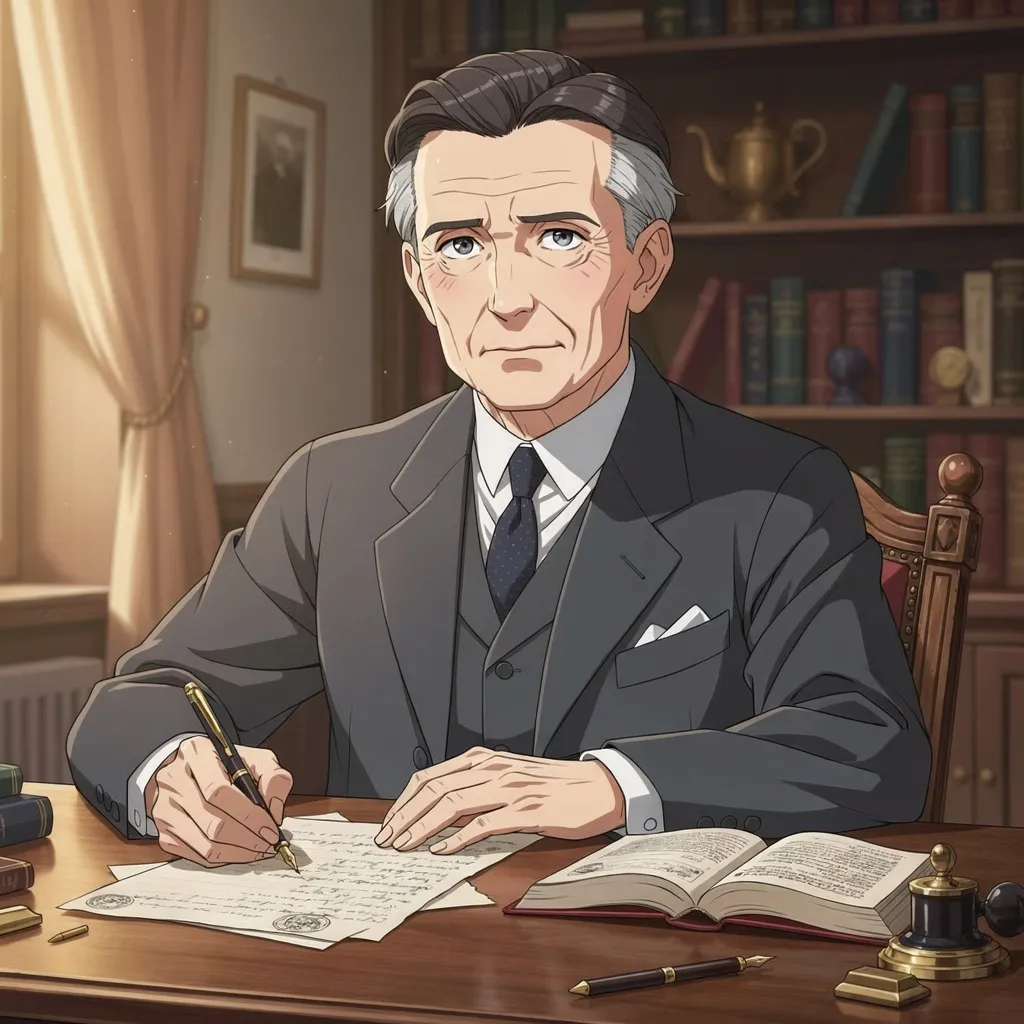
A famous writer who won the Nobel Prize for his powerful and thoughtful novels
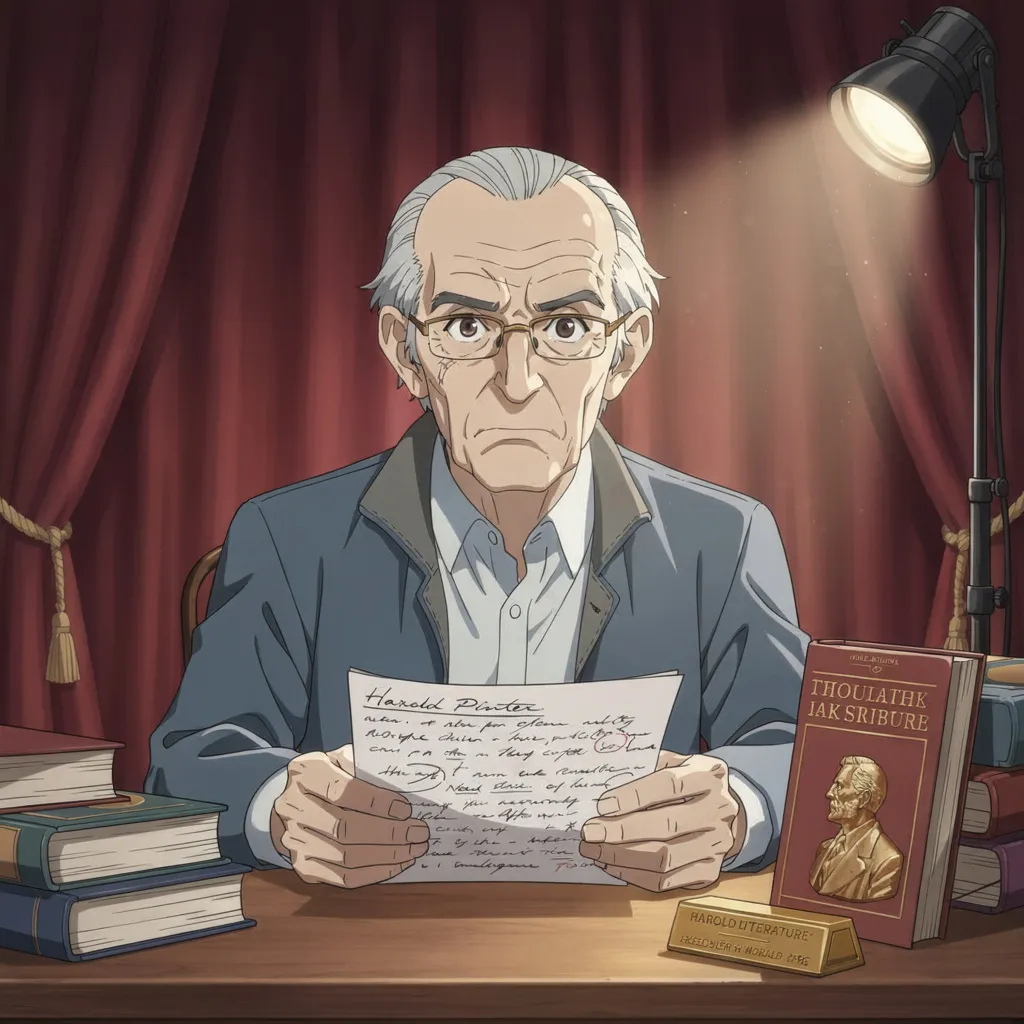
A famous playwright who won the Nobel Prize in Literature for his powerful and thoughtful plays.
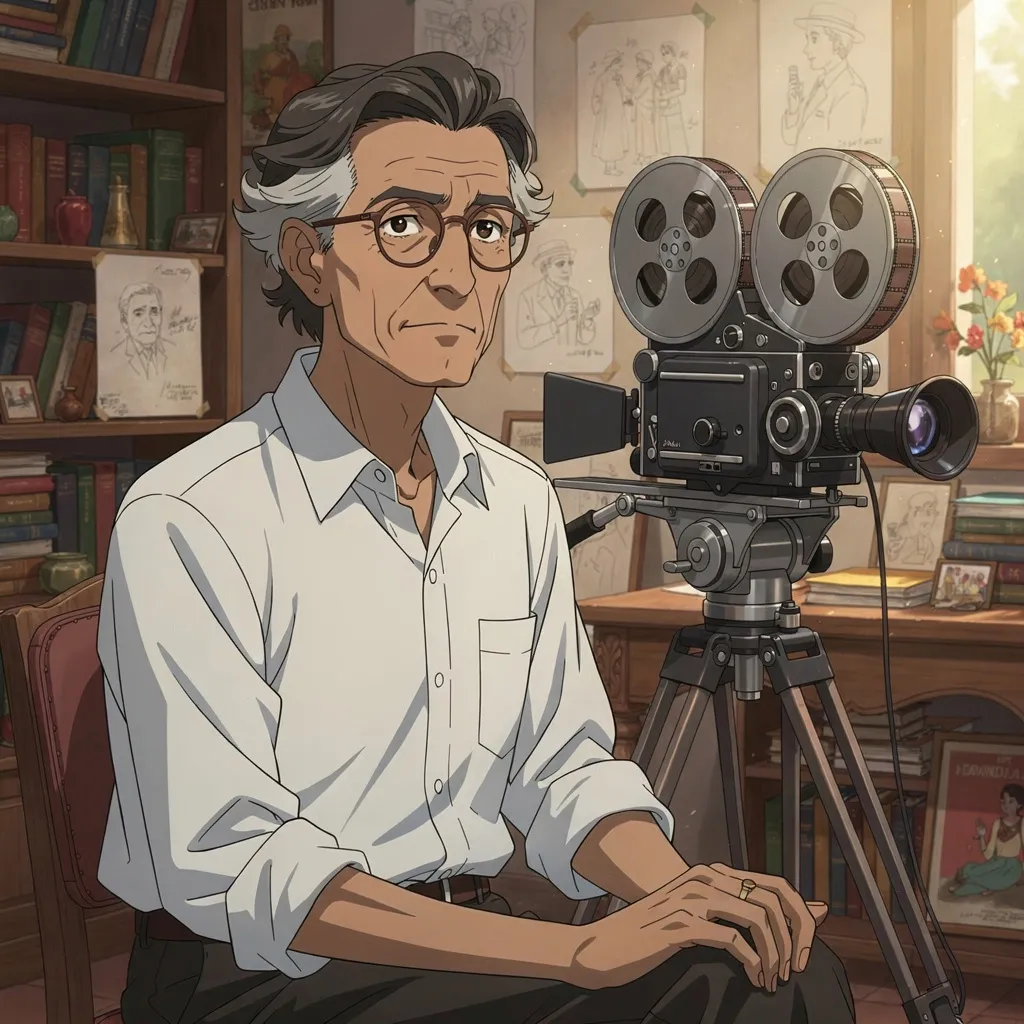
Making thoughtful and beautiful movies that showed everyday life in India
Explore inspiring lives across science, art, history, music, and more.