

01
Early Life
Miyamoto Musashi was born in Japan more than 400 years ago, during a time when samurai were important protectors and leaders.
A famous Japanese samurai who became a wise teacher, artist, and writer.
A famous Japanese samurai who became a wise teacher, artist, and writer.
Miyamoto Musashi was born in Japan more than 400 years ago, during a time when samurai were important protectors and leaders. As a child, Musashi was curious, strong-willed, and loved to learn new skills. He trained hard and practiced every day, believing that effort and focus could help anyone improve.
Even when life was challenging, Musashi did not give up. He traveled across Japan, meeting many teachers and learning from different experiences. These journeys helped shape his ideas about learning, discipline, and self-control.
Musashi became known as a very skilled samurai, but he did not only care about winning. He believed that true strength came from understanding yourself and staying calm under pressure. Musashi practiced using two swords at the same time, which was unusual and required great balance and concentration.
He often reminded students that practice was not just about the body, but also about the mind. Musashi believed that patience, careful thinking, and respect were just as important as physical skill.
Later in life, Musashi spent more time thinking, teaching, and creating art. He became a talented painter and calligrapher, using ink and brushes to express his ideas. His artwork often showed nature, animals, and peaceful scenes.
Musashi also wrote a famous book called The Book of Five Rings. In this book, he shared lessons about strategy, learning, and living a balanced life. Today, people all over the world read this book, not only for martial arts, but also for advice about problem-solving and teamwork.
Miyamoto Musashi is remembered as more than just a samurai. He is known as a teacher who believed in lifelong learning and personal growth. His ideas continue to inspire athletes, artists, and students who want to do their best.
Musashi’s life teaches us that success comes from practice, creativity, and staying calm when things are hard. These lessons are still helpful, even hundreds of years later.
Musashi liked to paint pictures of birds and flowers.
He believed learning should continue for your whole life.
Musashi practiced using two swords at once, which was very rare.
His book The Book of Five Rings is still read today around the world.
2 min read · Independent-reader guide
Think of an answer, then open each card to check.
A famous Japanese samurai who became a wise teacher, artist, and writer.
1584–1645
Japanese

A famous Japanese actor known for action movies, samurai roles, and international films
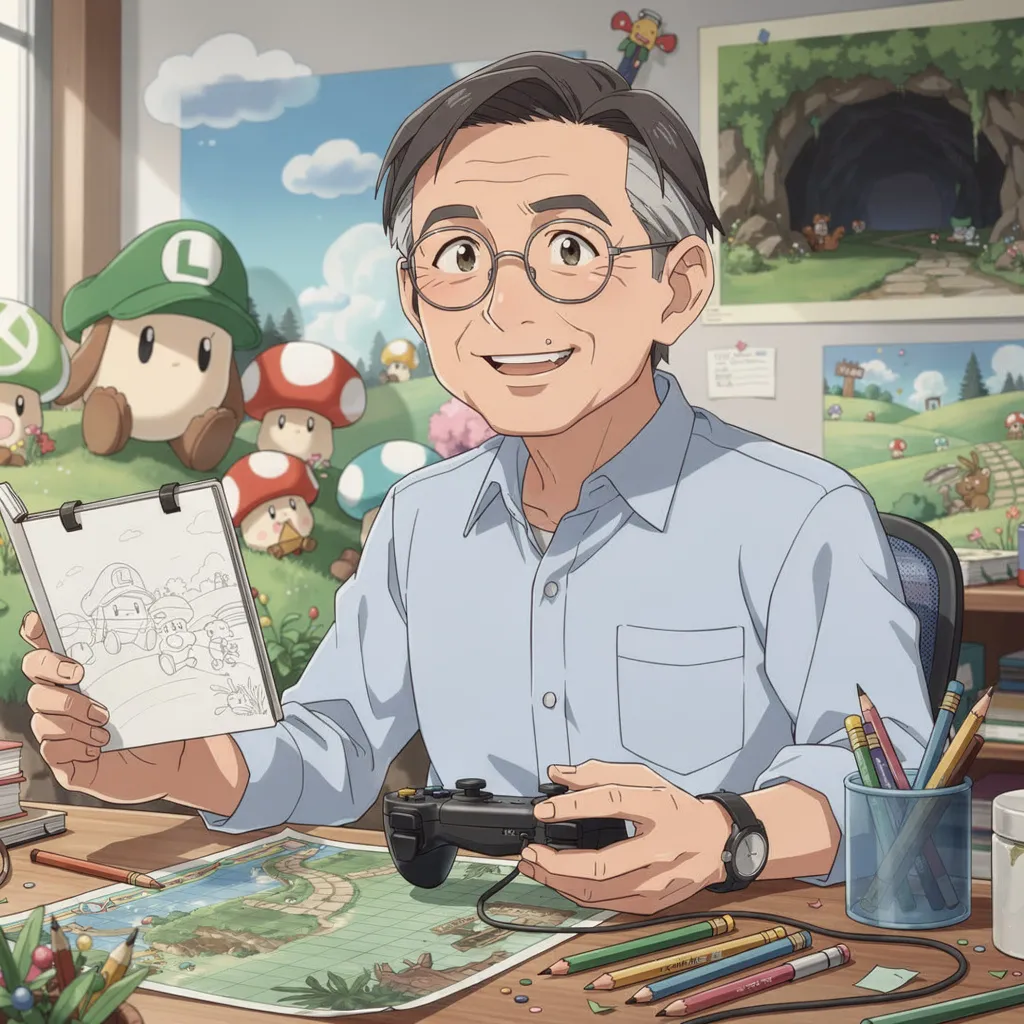
Creating famous video game characters like Mario and The Legend of Zelda

Founding the Tokugawa shogunate and bringing long-lasting peace to Japan.
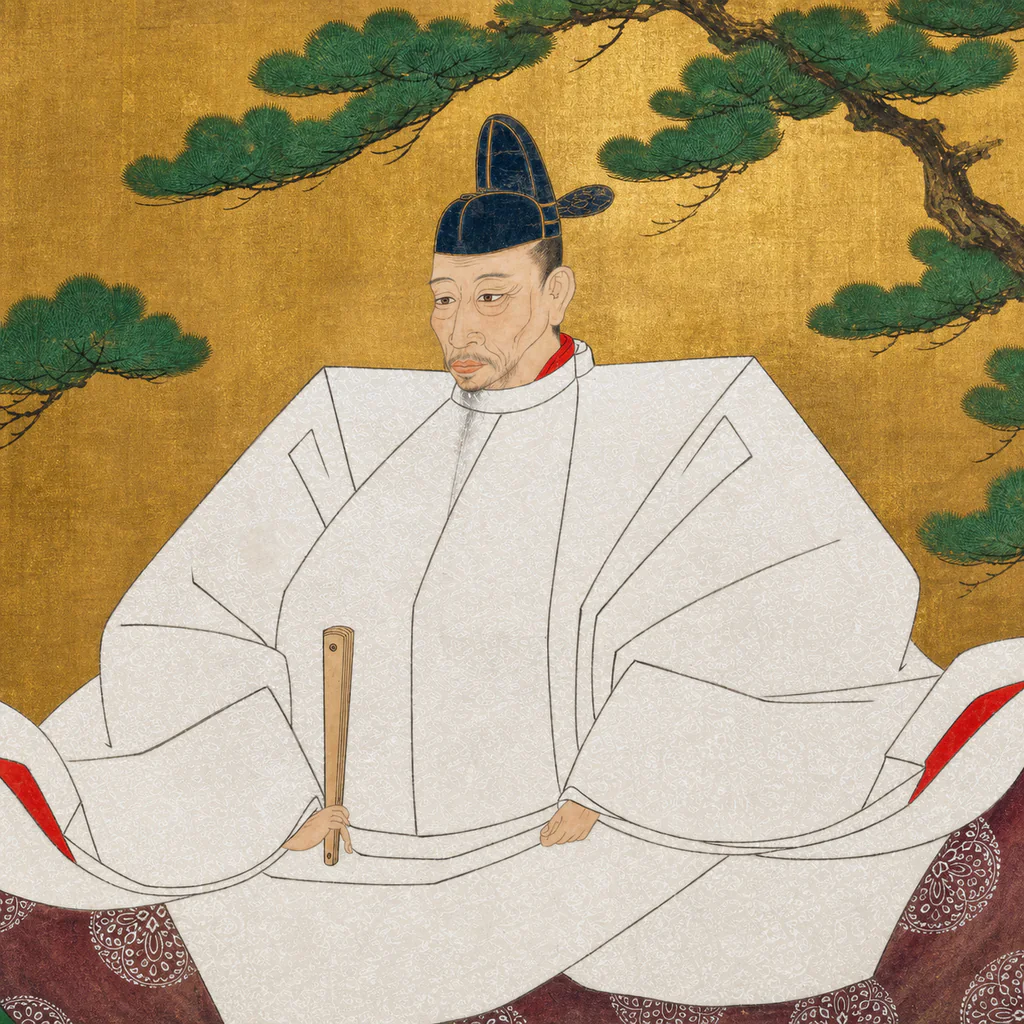
Unifying Japan and rising from a poor background to become one of the country’s most powerful leaders

A famous Japanese artist known for beautiful landscape woodblock prints.

A famous Chinese teacher and philosopher who shared ideas about kindness, respect, and good behavior
Explore inspiring lives across science, art, history, music, and more.