
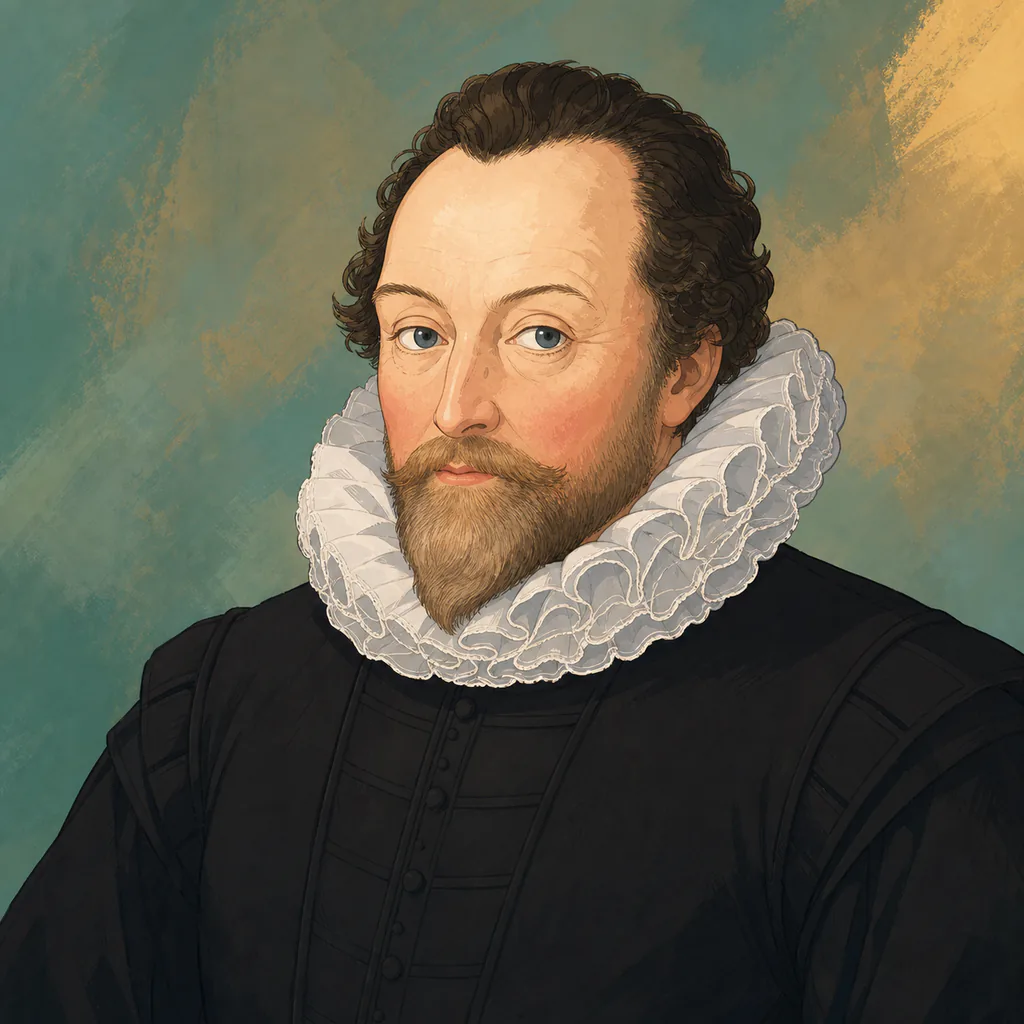
Biography for young readers
Sir Francis Drake
Being an English sea captain who sailed around the world and helped England explore the oceans
- Lived
- 1540–1596
- From
- English
- Reading time
- About 4 min
- Reading guide
- Independent-reader guide
Watch Sir Francis Drake's story unfold
Why this story matters
A life worth remembering
Being an English sea captain who sailed around the world and helped England explore the oceans
Think about it
What did you notice?
- Which moment changed the direction of this person's life?
- Which achievement or idea do you think mattered most?
- What is one question you would ask them?
Prefer to read? Open the complete biography transcript
Learning the Sea—and Joining a Cruel Trade
Francis Drake was born around 1540 in Devon, England. Much about his childhood is uncertain, but he went to sea while young and learned the demanding work of sailing: handling ropes, reading weather, keeping direction, and organizing a crew. These skills later made him one of the best-known English captains of the Tudor period.
His early career also had a deeply harmful side. During the 1560s, Drake sailed with his relative John Hawkins on voyages that captured and traded enslaved African people. Calling these trips adventures would hide what happened: human beings were kidnapped, transported, and sold for profit. This experience connected Drake to the beginnings of England’s participation in the transatlantic slave trade.
A Voyage Around the World
By the 1570s, Drake commanded voyages of his own. He became a privateer, a sailor given government permission to attack enemy ships and take their cargo. England and Spain were rivals, and Drake raided Spanish ships and settlements in the Americas. English supporters praised the wealth he brought home, while Spanish communities experienced him as a pirate and attacker.
In December 1577, Drake left England with several ships on a secret expedition. His surviving flagship, renamed the Golden Hind, crossed the Atlantic, passed through the Strait of Magellan, and entered the Pacific. The crew seized valuable Spanish cargo along the western coast of the Americas. In 1579 they stopped in present-day California, where Indigenous communities had lived for generations, and Drake claimed land for England as “New Albion.”
The Golden Hind continued across the Pacific and Indian Oceans and returned to England in September 1580. Drake became the first English captain to complete a voyage around the globe. The journey improved English knowledge of long-distance routes, but it was powered by crew labor, armed raids, and stolen treasure—not exploration alone.
Knighthood, Plymouth, and the Armada
Drake was knighted aboard the Golden Hind in 1581, with Queen Elizabeth I present. That year he became mayor of Plymouth, and he later worked on a project that brought water toward the town. Yet he soon returned to warfare at sea. On a 1585–1586 expedition, his forces attacked Spanish-held ports, including St. Augustine in present-day Florida, taking goods and burning parts of settlements.
In 1588, Spain sent a large Armada to support an invasion of England. Drake served as a vice-admiral, while Lord Howard of Effingham held overall command. English attacks, Spanish planning problems, and severe weather all helped break up the invasion. Drake’s role made him even more famous in England, although later stories sometimes exaggerated his personal share of the victory.
Final Voyages and a Complicated Legacy
Not every expedition succeeded. A major English campaign against Spain and Portugal in 1589 ended badly. Drake sailed again to the Caribbean in 1595, but illness spread through the fleet. He died of dysentery near Portobelo, in present-day Panama, on January 28, 1596, and was buried at sea.
Drake’s life cannot be summed up as a simple hero story. He was a highly capable commander whose circumnavigation influenced English seafaring and whose Armada service mattered during a national crisis. He was also a slave trader and privateer whose wealth came partly from capturing people, raiding ships, and attacking communities. Studying both sides shows how navigation, empire, trade, and exploitation became tightly connected in his time.
Did you know?
Fun facts about Sir Francis Drake
-
Drake’s birth year is uncertain, so historians often write that he was born around 1540.
-
His flagship was renamed the Golden Hind during the 1577–1580 voyage.
-
Drake became the first English captain to complete a voyage around the world.
-
He was knighted aboard the Golden Hind in 1581.
-
Drake served as mayor of Plymouth for a term beginning in 1581.
-
He died during his final Caribbean expedition in 1596 and was buried at sea.
Learn & remember
Make the story yours
4 min read · Independent-reader guide
Three things to remember
- Known for: Being an English sea captain who sailed around the world and helped England explore the oceans
- Lived: 1540–1596
- From: English
Words to know
Open a word for a short explanation.
empire
A group of lands or peoples ruled by one government or leader.
Quick check
What do you remember?
Think of an answer, then open each card to check.
What is Sir Francis Drake best known for?
Being an English sea captain who sailed around the world and helped England explore the oceans
When did Sir Francis Drake live?
1540–1596
What place or nationality is connected to this story?
English

Biography
Vasco da Gama
Finding the first sea route from Europe to India
Biography
Christopher Columbus
Making famous sea voyages that connected Europe and the Americas
Biography
Blackbeard (Edward Teach)
Being a famous pirate known for his dramatic appearance and lasting sea legends
Biography
William Kidd
A sea captain whose life inspired famous pirate legends

Biography
King Henry VIII
Being the King of England who loved learning, music, and made big changes to his country.
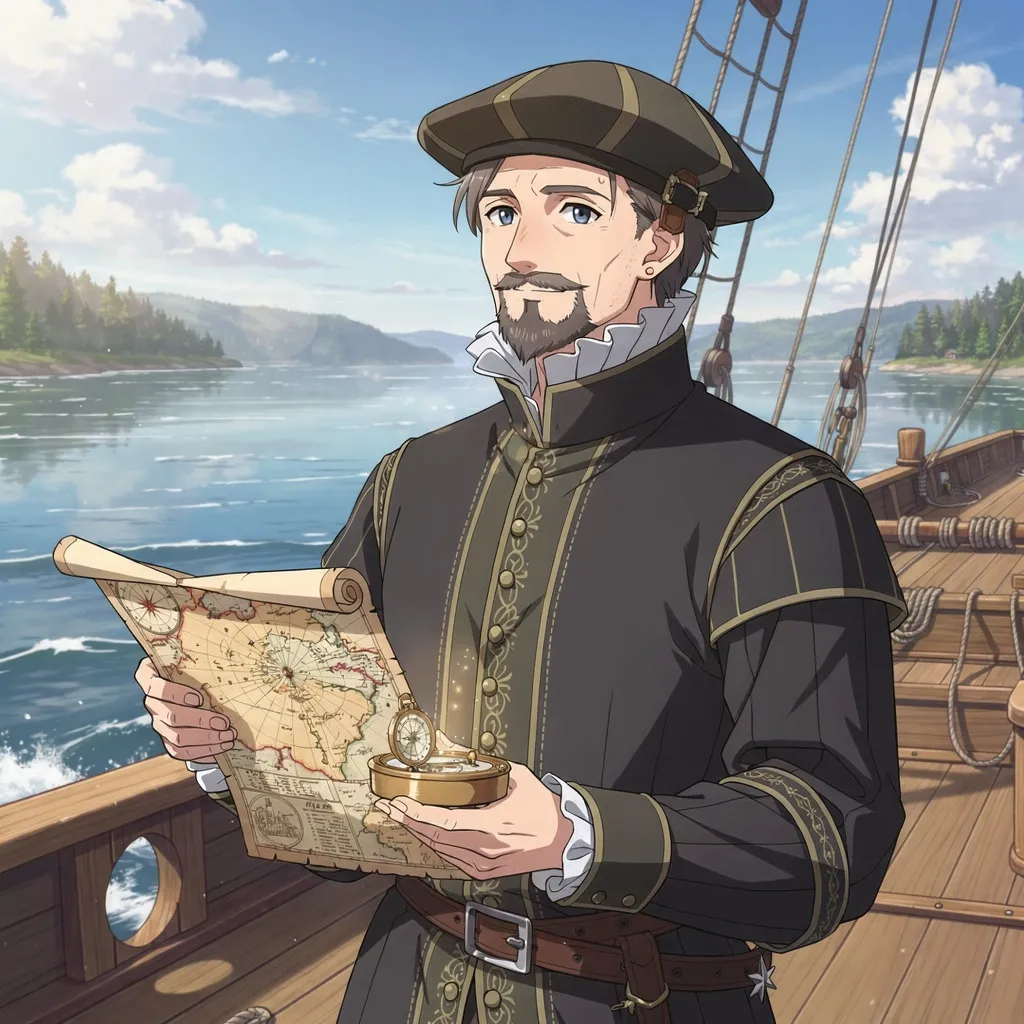
Biography
Jacques Cartier
A French explorer who helped map Canada and explored the St. Lawrence River.
One story at a time
Who will you discover next?
Explore inspiring lives across science, art, history, music, and more.