
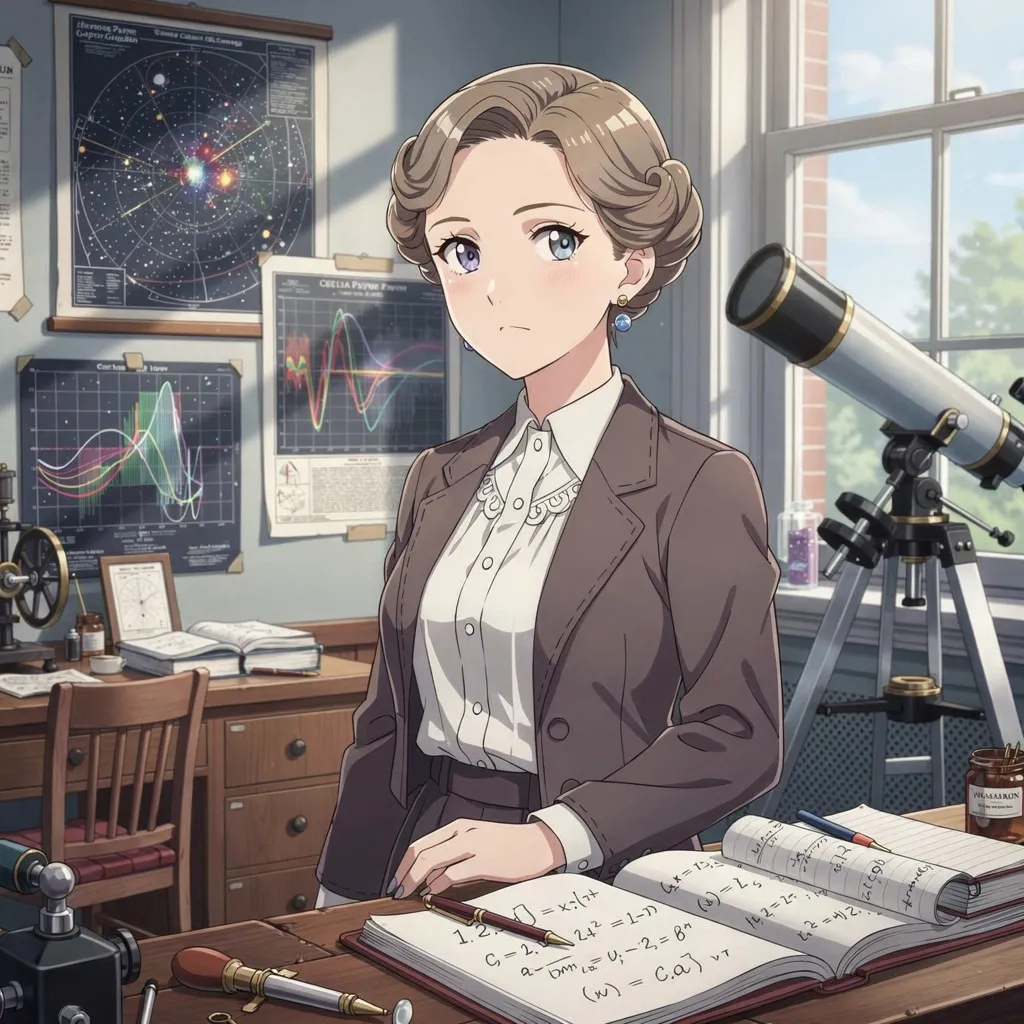
Discovering what stars are made of
Discovering what stars are made of
Cecilia Payne-Gaposchkin.org/wiki/Cecilia_Payne-Gaposchkin) was born in 1900 in England. As a child, she was very curious and loved learning about nature and the sky. She enjoyed reading books and asking big questions about how the world worked.
When Cecilia went to school, she discovered astronomy, the study of stars and space. She was amazed by the night sky and decided she wanted to understand it better. At that time, it was not easy for girls to become scientists, but Cecilia did not give up.
Cecilia studied at the university of Cambridge, where she learned about physics and astronomy. Even though she did very well, women could not earn full degrees there yet. So she moved to the United States to continue her studies at Harvard University.
At Harvard, Cecilia worked very hard and asked bold questions. She studied light from stars and used science to learn what stars are made of. This kind of work was new and exciting.
Cecilia made an important discovery: stars are mostly made of hydrogen and helium. Before her work, many people thought stars were made of the same materials as Earth. Her research showed that the universe is very different from our planet.
This discovery changed astronomy forever. Today, scientists still use her ideas to study stars and galaxies. Her work helped us understand how stars are born and how they shine.
Cecilia became a teacher at Harvard and inspired many students. She loved sharing her knowledge and helping others learn about space. In 1956, she became the first woman to become a professor of astronomy at Harvard.
She also wrote books and research papers that helped scientists all over the world. Cecilia showed that learning and hard work can open doors.
Cecilia Payne-Gaposchkin is remembered as a brave and brilliant scientist. She followed her passion, even when it was difficult. Her story reminds kids that curiosity and courage can lead to amazing discoveries.
Today, she inspires young scientists, especially girls, to reach for the stars.
Cecilia loved music and enjoyed singing in her free time.
She studied the light from stars to learn what they are made of.
Cecilia became the first woman professor of astronomy at Harvard.
She helped make astronomy more welcoming for future scientists.
Her discoveries are still taught in schools today.
2 min read · Developing-reader friendly
Open a word for a short explanation.
The scientific study of space, stars, planets, and the universe.
Think of an answer, then open each card to check.
Discovering what stars are made of
1900–1979
British-American
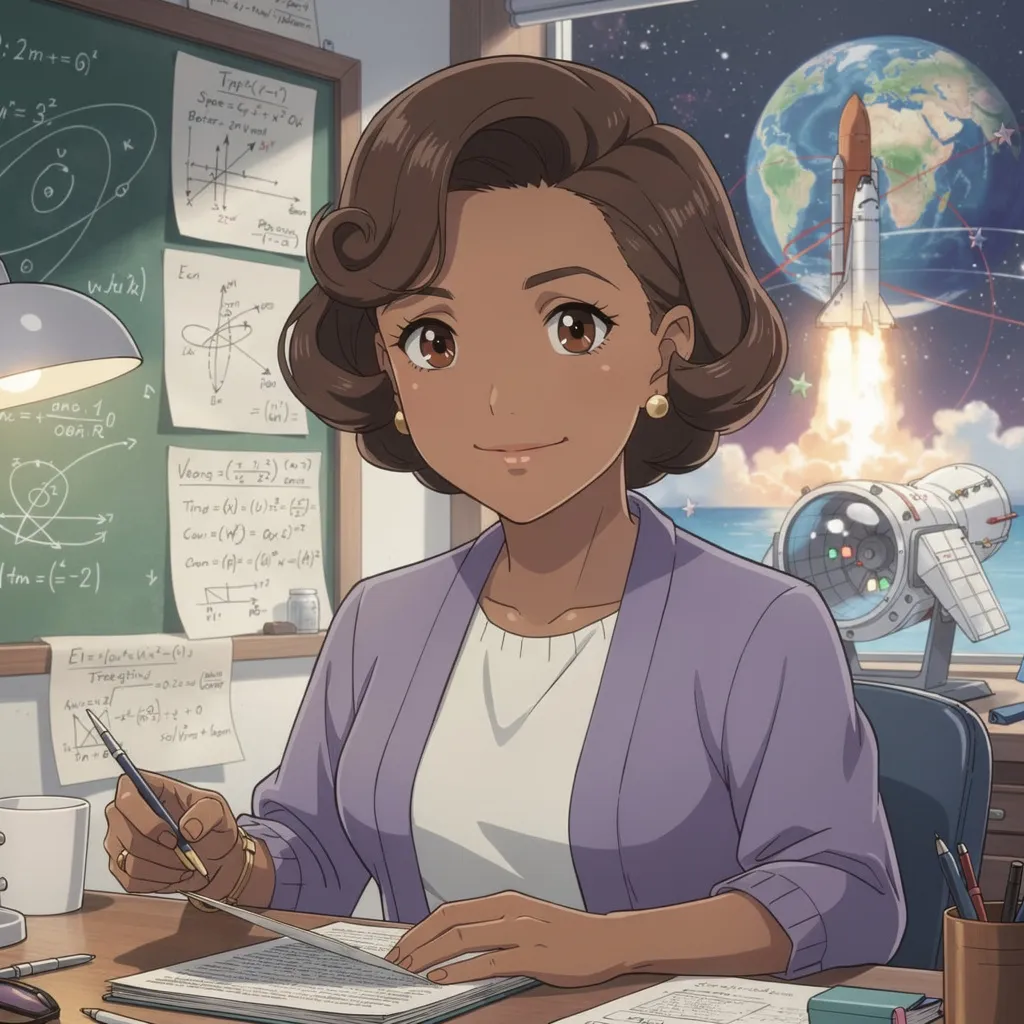
Helping NASA send astronauts safely into space using her amazing math skills
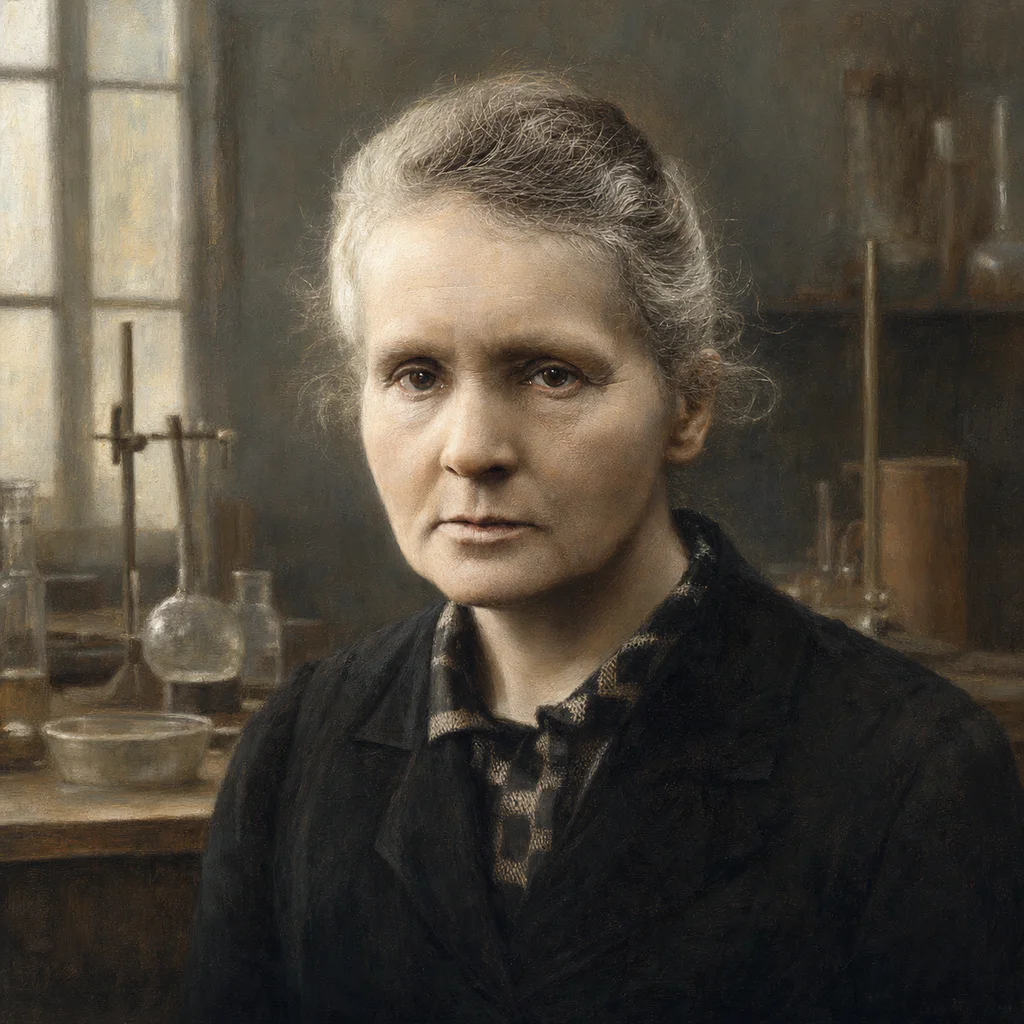
Discovering new elements and becoming the first person to win two Nobel Prizes
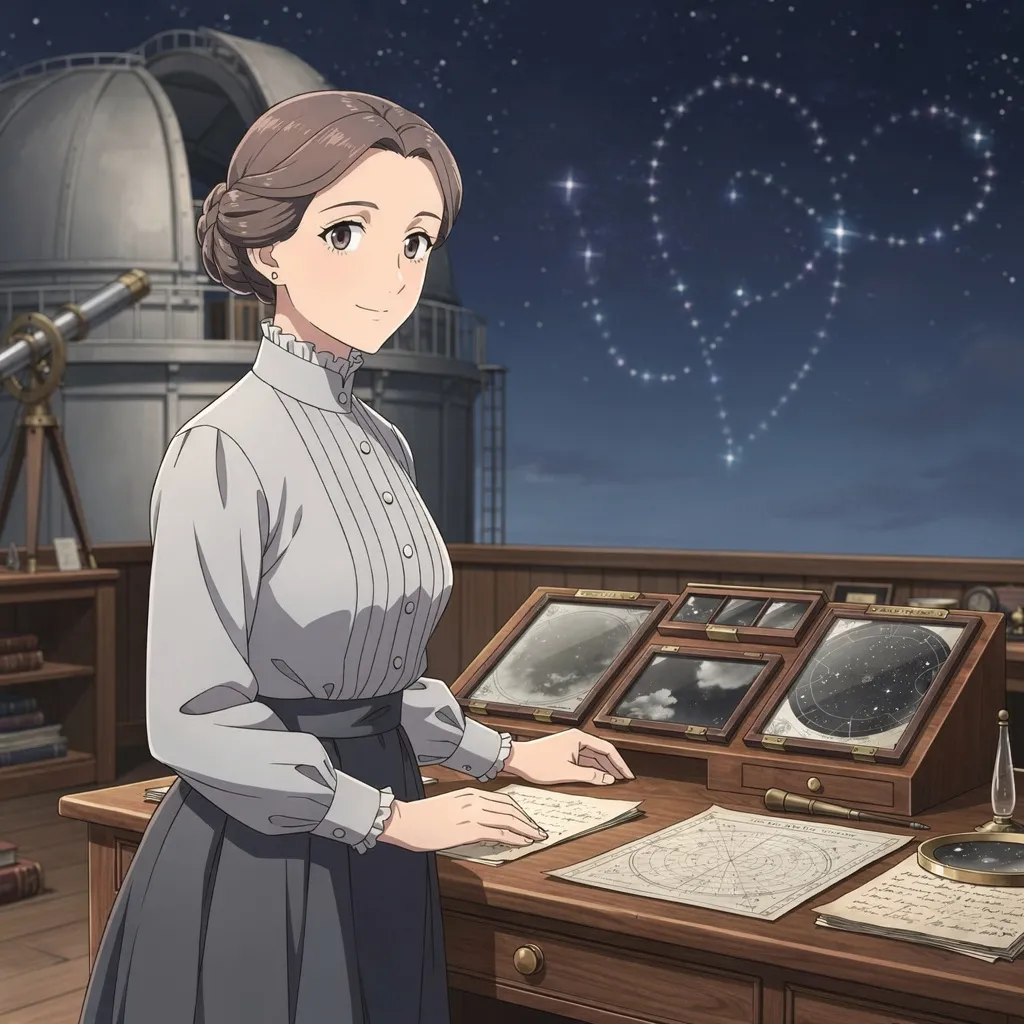
Discovering a rule about special stars that helped scientists measure distances in space and understand the size of the universe.
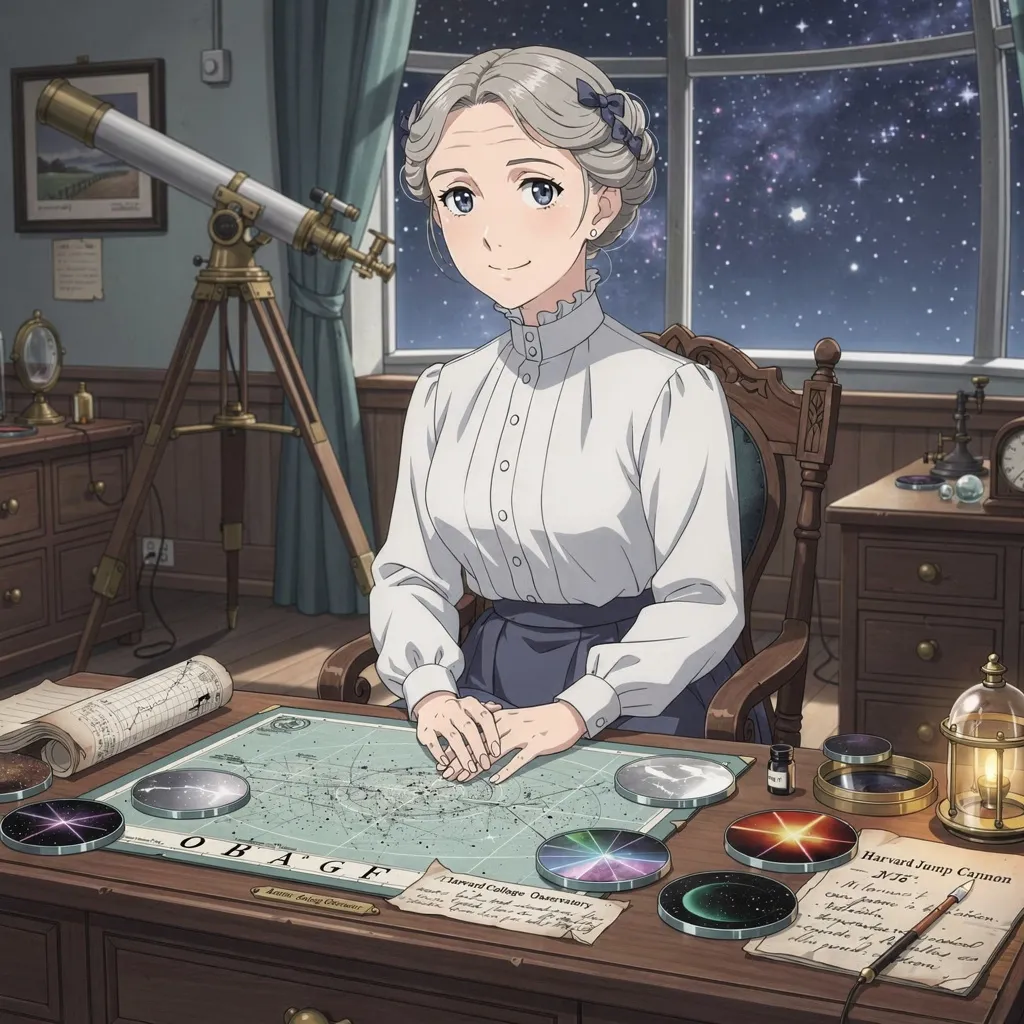
Creating a simple system to classify stars that astronomers still use today
Helping people understand the sky by improving the telescope and studying space.
Helping explain nuclear fission and opening new doors in science
Explore inspiring lives across science, art, history, music, and more.