
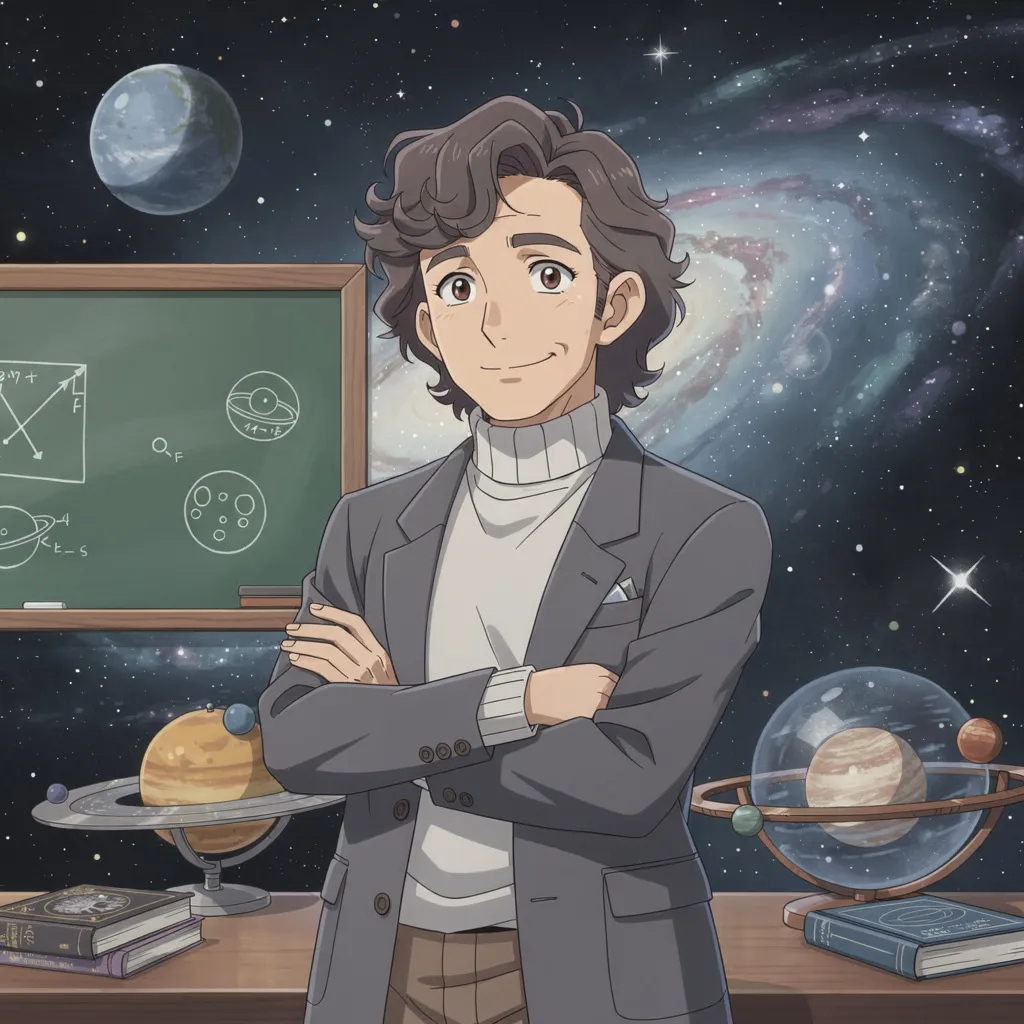
Helping people understand space and science through books, TV shows, and exciting ideas.
Helping people understand space and science through books, TV shows, and exciting ideas.
Carl Sagan.org/wiki/Carl_Sagan) was born in 1934 in Brooklyn, New York). As a child, he was full of curiosity and loved asking big questions about the universe.
When he was very young, his parents took him to the New York World’s Fair in 1939–1940. Seeing models of the future and learning about science made him dream about space and stars.
Carl was an excellent student and enjoyed reading science books. He studied astronomy, which is the science of stars, planets, and space.
He went to college and later became a scientist WHO studied planets like Mars and Venus, especially their atmospheres. Carl believed that learning should be exciting and fun for everyone.
Carl Sagan is best known for teaching people about space in a friendly way. He wrote many books that explained hard ideas using simple words.
One of his most famous projects was a TV show called Cosmos. In this show, Carl took viewers on a journey through the universe, showing how amazing science can be.
Carl worked with NASA on important space missions. He helped plan missions that sent robots and probes to explore other planets.
He also helped create special messages sent into space on the Voyager spacecraft, just in case someone far away might find them one day.
Carl Sagan believed that science helps people understand the world and care for it. He encouraged kindness, curiosity, and learning.
He often reminded people that Earth is special and that we should take care of our planet and each other.
Even after his death in 1996, Carl Sagan’s ideas continue to inspire students, teachers, and scientists. Many people became interested in science because of him.
Today, Carl Sagan is remembered as someone who helped the world look up at the stars with wonder and excitement.
Carl Sagan helped create a golden record sent into space aboard the Voyager spacecraft, filled with music and greetings from Earth.
He loved explaining science using stories and pictures.
Carl believed that asking questions is one of the most important parts of learning.
An asteroid (2709 Sagan) and a Mars landing site were named in his honor.
2 min read · Independent-reader guide
Open a word for a short explanation.
The scientific study of space, stars, planets, and the universe.
Think of an answer, then open each card to check.
Helping people understand space and science through books, TV shows, and exciting ideas.
1934-1996
American
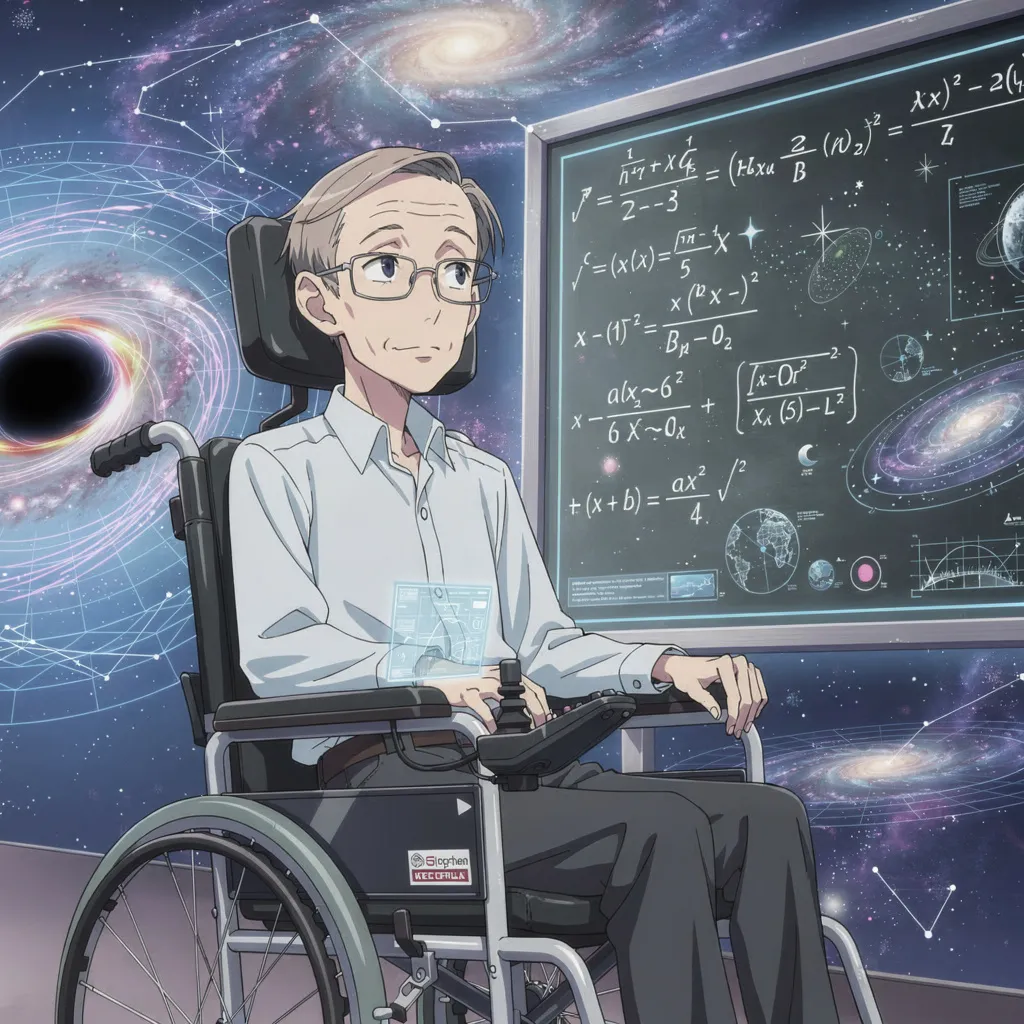
A famous scientist who studied space, black holes, and helped people understand the universe.
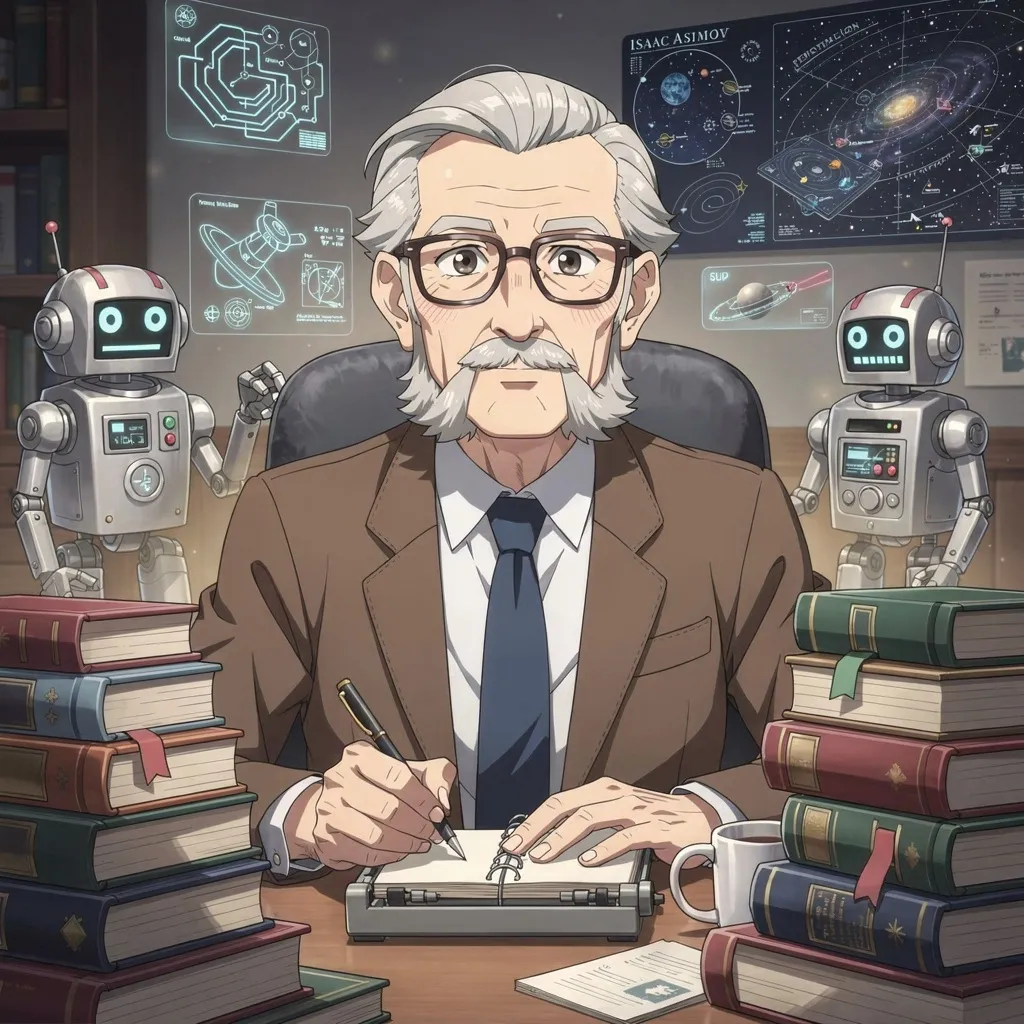
Writing exciting science fiction stories and explaining science in a clear, friendly way.
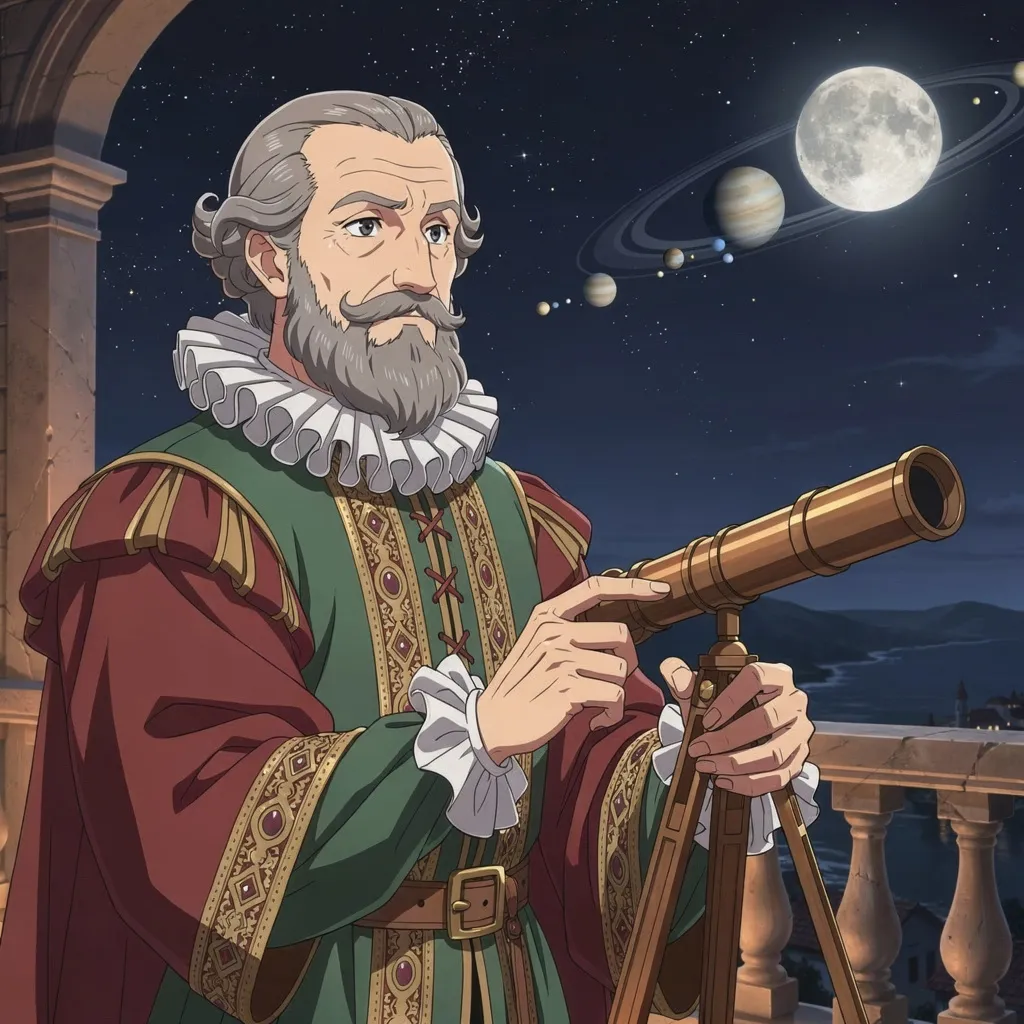
Helping people understand the sky by improving the telescope and studying space.
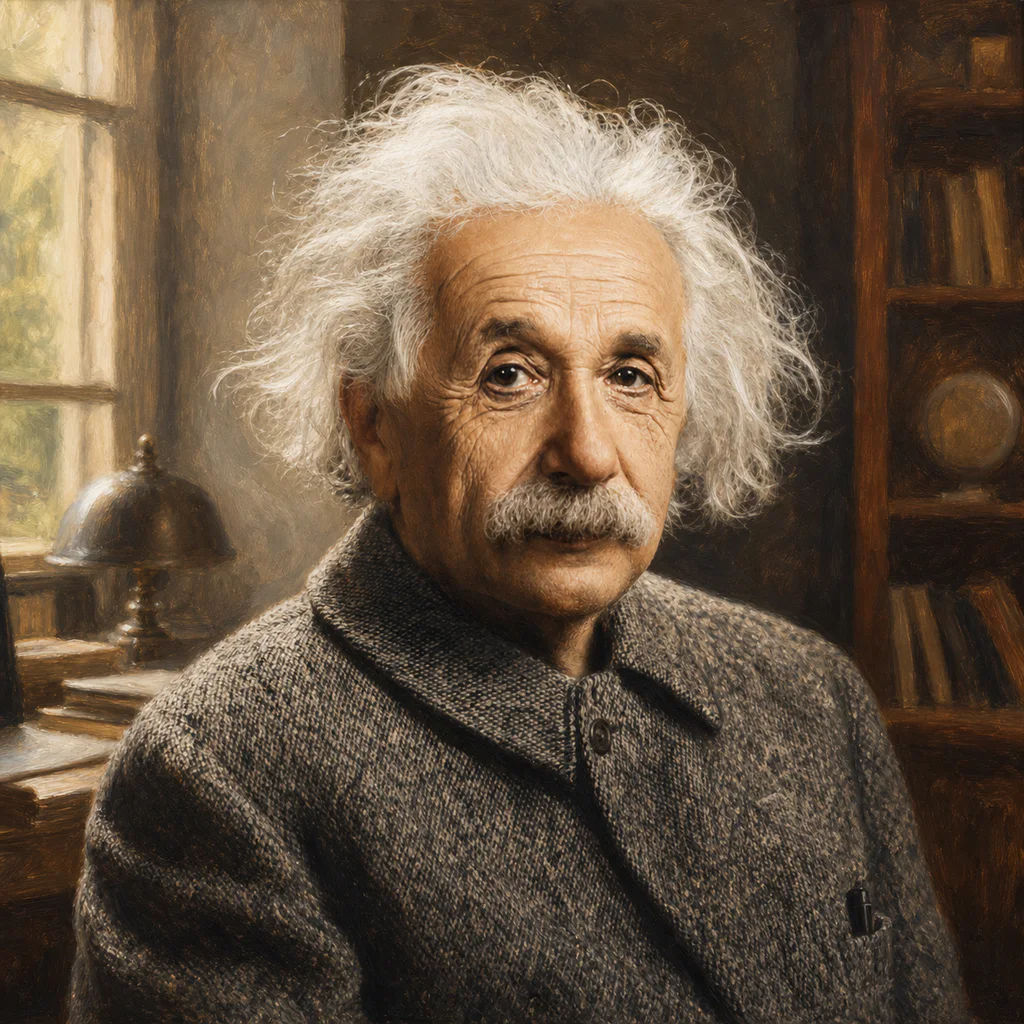
He was a brilliant scientist who helped us understand space, time, and light.
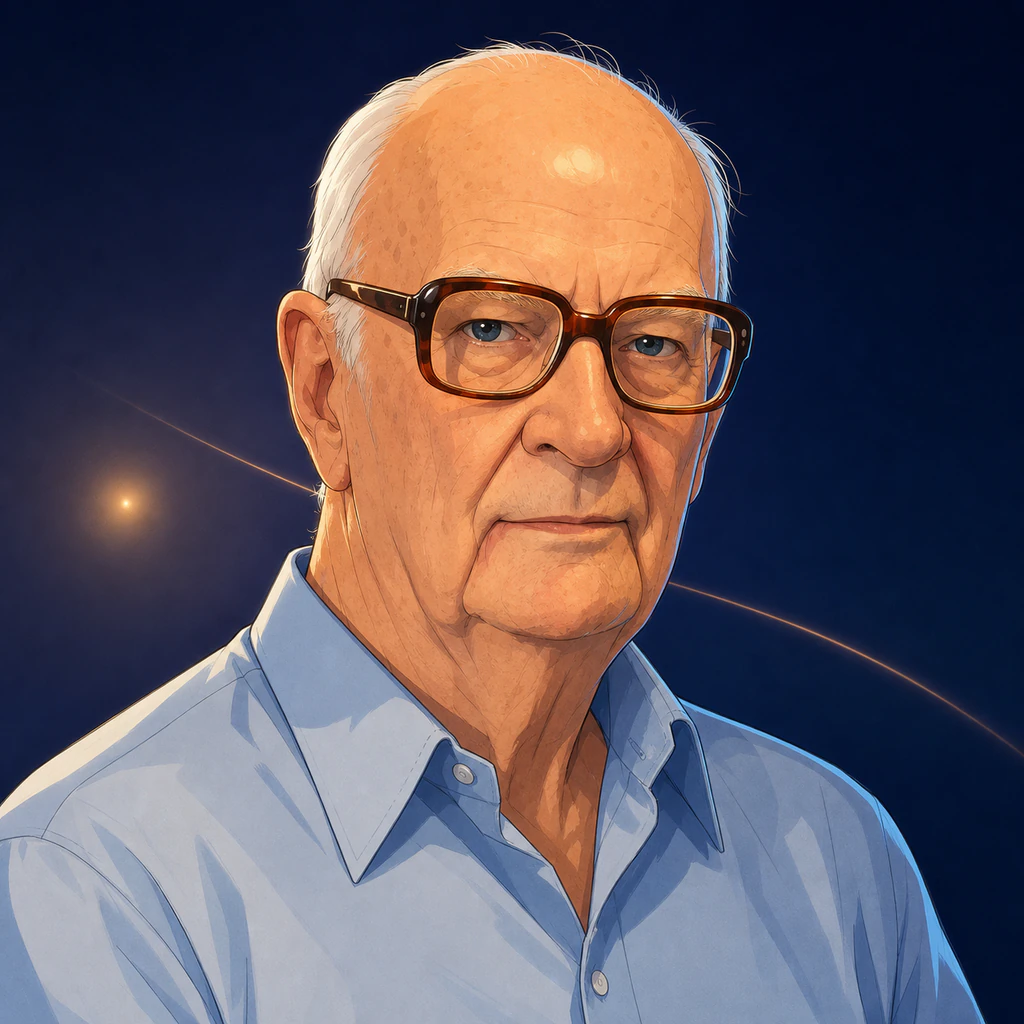
A famous science fiction writer who imagined the future of space travel and technology
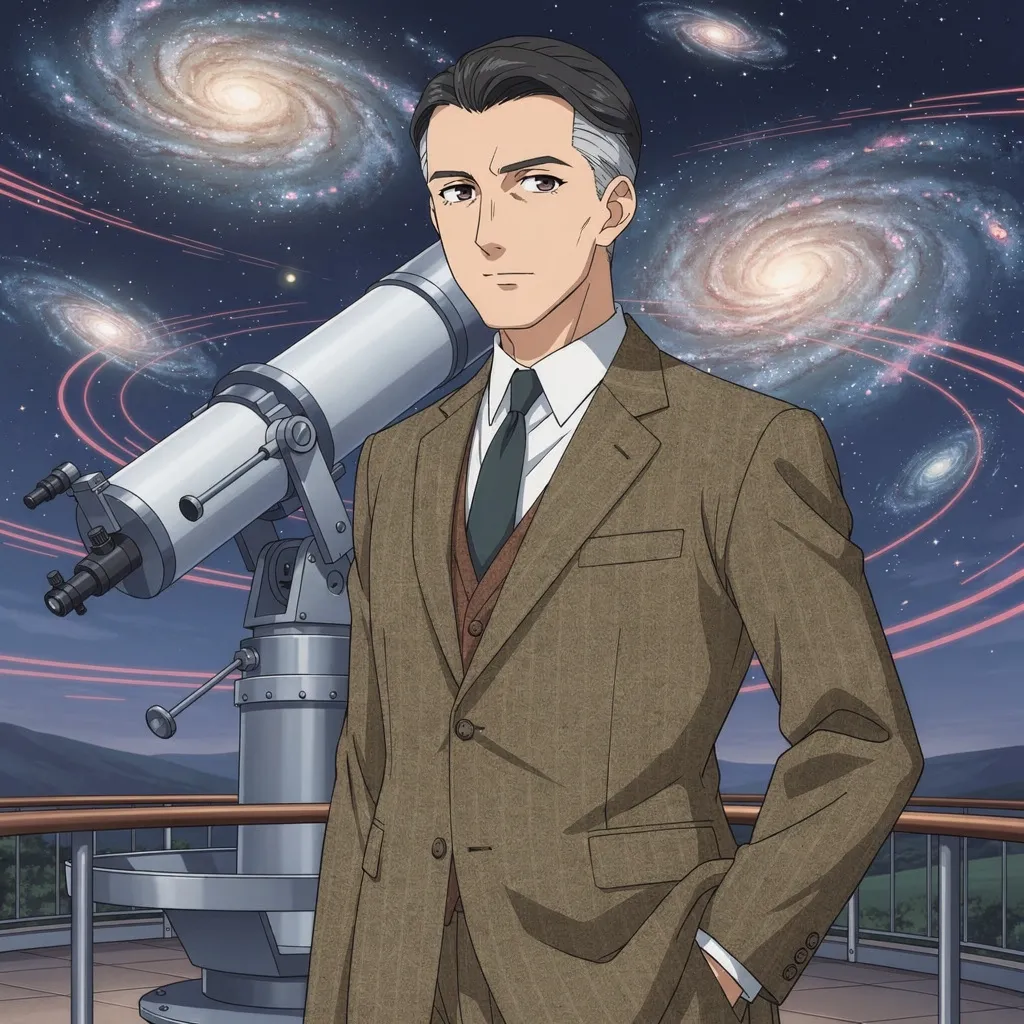
Discovering that the universe is much bigger than we thought and that it is expanding.
Explore inspiring lives across science, art, history, music, and more.