
Biography for young readers
Sacagawea
Helping the Lewis and Clark expedition as an interpreter, helper, and symbol of peace
- Lived
- c.1788–c.1812
- From
- Lemhi Shoshone (Native American)
- Reading time
- About 3 min
- Reading guide
- Independent-reader guide
Watch Sacagawea's story unfold
Why this story matters
A life worth remembering
Helping the Lewis and Clark expedition as an interpreter, helper, and symbol of peace
Think about it
What did you notice?
- Which moment changed the direction of this person's life?
- Which achievement or idea do you think mattered most?
- What is one question you would ask them?
Prefer to read? Open the complete biography transcript
A Childhood Changed by Force
Sacagawea crossed mountains, rivers, and plains before she was old enough to vote today. She was born around 1788 among the Lemhi Shoshone, in the region now called Idaho. No diary in her own words survives, so historians piece together her early life from expedition journals, later records, and Native oral histories.
Around age twelve, Sacagawea was taken from her homeland during a Hidatsa raid. She then lived near the Mandan and Hidatsa villages along the Knife River. While still a teenager, she became the wife of an adult French Canadian trader, Toussaint Charbonneau. Accounts differ about how the marriage was arranged, but as a captive teenager she had little power over the choice. That history matters: her famous journey began after adults had sharply limited her options.
A Teenager Joins the Expedition
Lewis and Clark met Sacagawea and Charbonneau in the winter of 1804–1805. She gave birth to Jean Baptiste on February 11, 1805, and left Fort Mandan with him on April 7. Sacagawea was not the all-purpose guide of later legends, but her language knowledge and presence with a baby mattered. In May, she caught papers and other items washed from a nearly overturned boat.
The party followed routes long known to Native nations. Sacagawea's Shoshone and Hidatsa language knowledge, memory of western landmarks, and experience finding foods were valuable. Her presence with an infant also signaled to communities along the route that the heavily armed group was probably not a war party. Lewis praised her calm courage after the boat accident. Clark nicknamed Jean Baptiste Pomp.
Returning Home and Reaching the Pacific
By August 1805, Sacagawea recognized landmarks near her childhood homeland. On August 17, she discovered that the Shoshone leader Cameahwait was her brother. She helped translate as the expedition sought horses. With Native assistance, the group crossed the Rocky Mountains and reached the Pacific region in November. Its progress depended on many people, not one legendary guide.
The Shoshone supplied horses and help, although trade, diplomacy, and the decisions of Shoshone leaders—not one person alone—made that agreement possible. Sacagawea and Jean Baptiste then traveled down the Columbia River and spent the winter at Fort Clatsop. In January 1806, she insisted on joining a trip to see the ocean and a beached whale. The journal records her reason: she had traveled a very long way to see them.
An Uncertain Ending and a Lasting Voice
The family returned to the Knife River villages in August 1806. Charbonneau received the expedition's wages; Sacagawea received no separate pay. Clark later wrote that her service deserved a greater reward and helped arrange Jean Baptiste's schooling. Her later life remains debated: many historians connect her to a woman who died in 1812, while Shoshone oral traditions say she lived until 1884.
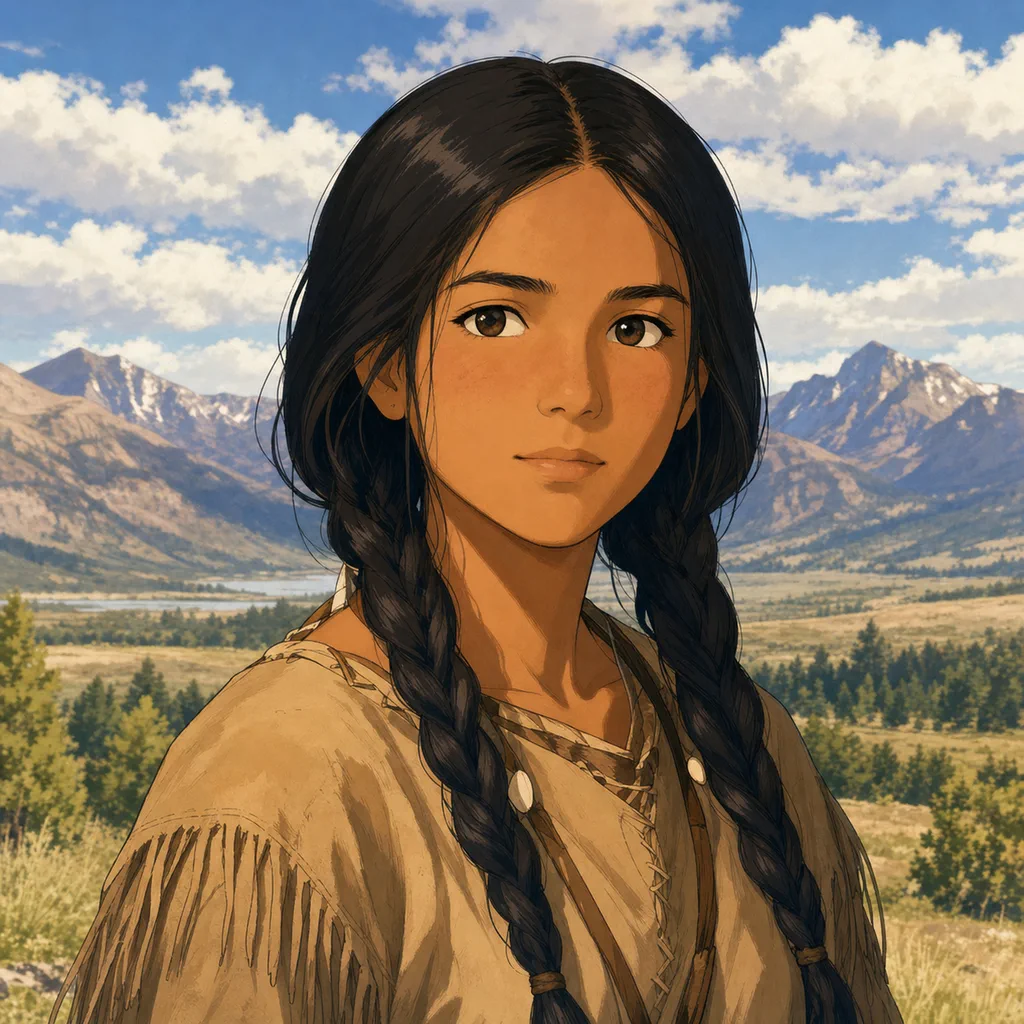
There is no confirmed lifetime portrait, and even the spelling and meaning of her name remain disputed. Remembering those limits keeps legend from replacing evidence. Sacagawea was not simply a quiet helper in someone else's adventure. Her wider contribution was her knowledge, translation, resilience, and care—work that helped people cross both geographic and cultural distances.
Did you know?
Fun facts about Sacagawea
-
Sacagawea was about sixteen when Jean Baptiste was born on February 11, 1805.
-
William Clark nicknamed her son “Pomp” and later helped arrange his education.
-
After a boat nearly overturned in May 1805, Sacagawea caught many light items that washed overboard.
-
She recognized the Shoshone leader Cameahwait as her brother on August 17, 1805.
-
In January 1806, she asked to join a trip so she could finally see the ocean and a beached whale.
-
No confirmed portrait made during Sacagawea's lifetime is known; later images are artistic interpretations.
Learn & remember
Make the story yours
3 min read · Independent-reader guide
Three things to remember
- Known for: Helping the Lewis and Clark expedition as an interpreter, helper, and symbol of peace
- Lived: c.1788–c.1812
- From: Lemhi Shoshone (Native American)
Words to know
Open a word for a short explanation.
evidence
Information used to support or test an idea.
Quick check
What do you remember?
Think of an answer, then open each card to check.
What is Sacagawea best known for?
Helping the Lewis and Clark expedition as an interpreter, helper, and symbol of peace
When did Sacagawea live?
c.1788–c.1812
What place or nationality is connected to this story?
Lemhi Shoshone (Native American)
Biography
Pocahontas
A Native American girl known for helping build peaceful connections between her people and English settlers.
Biography
Crazy Horse
A respected Lakota leader who worked to protect his people, land, and traditions.
Biography
Sitting Bull
A respected Lakota leader and spiritual guide who defended his people’s rights, culture, and way of life
Biography
Shailene Woodley
Being an American actress known for her roles in movies and TV shows about growing up, bravery, and friendship.
Biography
Maya Angelou
She was a famous writer and poet who shared powerful stories about life, courage, and kindness.
Biography
Joan of Arc
A brave young leader who helped inspire France during a difficult time in history
One story at a time
Who will you discover next?
Explore inspiring lives across science, art, history, music, and more.