
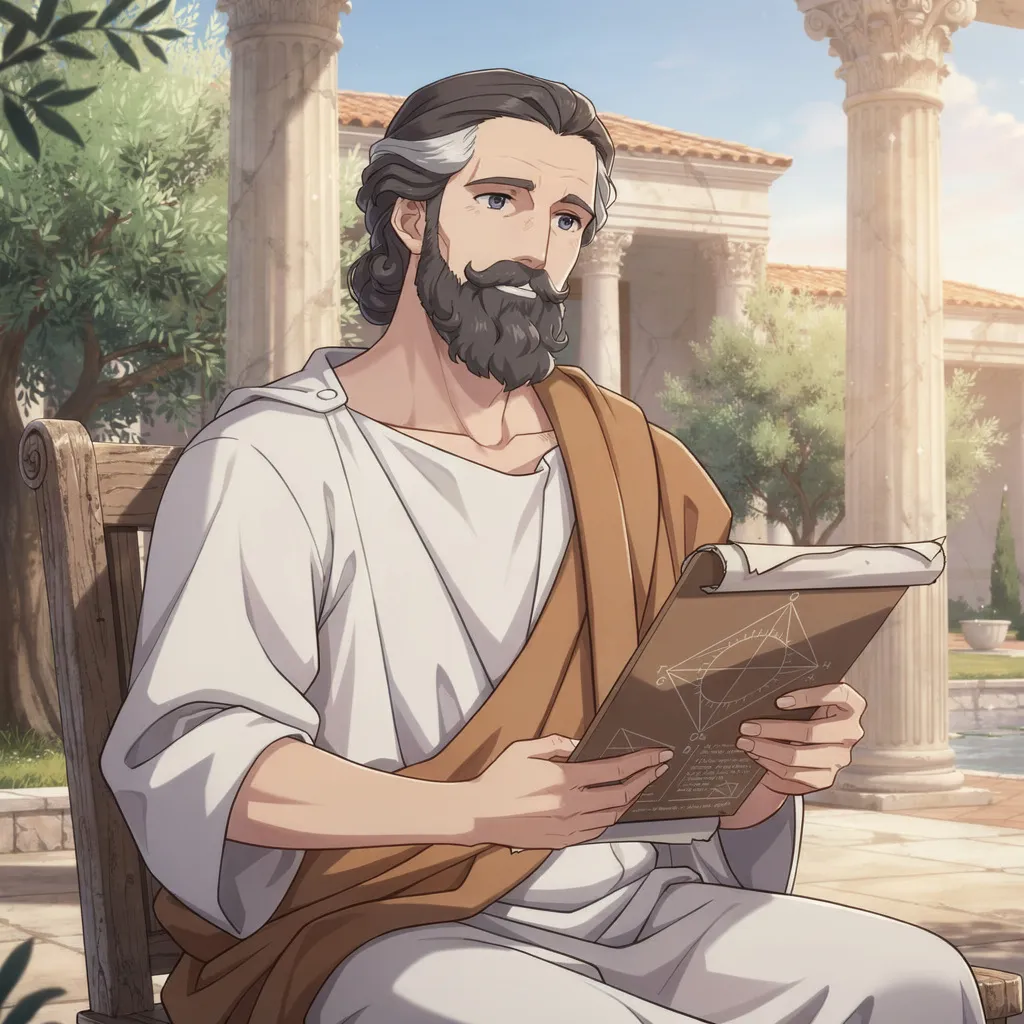
A famous ancient Greek philosopher who started one of the first schools and wrote about big ideas.
A famous ancient Greek philosopher who started one of the first schools and wrote about big ideas.
Plato was born a very long time ago in ancient Greece, in a city called Athens. He grew up in a family that cared about learning and public life. As a young boy, Plato enjoyed stories, poetry, and asking questions about the world.
When Plato was a teenager, he met a wise teacher named Socrates. Socrates loved to ask questions and help people think deeply. This meeting changed Plato’s life and helped him decide to become a thinker and teacher.
Socrates did not write books, but he taught by talking and asking questions. Plato listened carefully and learned how important it is to think clearly and be honest. Plato later wrote many books that shared Socrates’ ideas so people would not forget them.
These books were written as conversations, called dialogues. In them, characters talk and ask questions to explore ideas about friendship, fairness, and what it means to live a good life.
One of Plato’s biggest achievements was starting a school called the Academy in Athens. This happened around 387 BC, and it became one of the first schools in the Western world. Students came from many places to learn math, science, and philosophy.
Plato believed learning was a lifelong journey. He thought education could help people become kinder, wiser, and better leaders. One of his most famous students was Aristotle, who later became a great teacher himself.
Plato wrote about many big ideas, like what makes something fair or beautiful. He believed that ideas, like goodness and truth, are very important and guide how we live. His thoughts helped people think more carefully about their choices.
Even today, people read Plato’s work to learn how to ask good questions and think deeply.
Plato’s ideas have lasted for over 2,000 years. His school inspired many others, and his books are still studied around the world. Plato showed that thinking, learning, and asking questions can change how we see the world.
He reminds us that being curious and thoughtful is a wonderful way to live.
Plato’s real name may have been Aristocles, and "Plato" was a nickname meaning "broad."
He loved using stories and conversations instead of lectures to teach ideas.
Plato’s Academy lasted for hundreds of years after he died.
One of his students, Aristotle, later taught another famous thinker named Alexander the Great.
2 min read · Developing-reader friendly
Open a word for a short explanation.
The study of big questions about knowledge, values, and existence.
Think of an answer, then open each card to check.
A famous ancient Greek philosopher who started one of the first schools and wrote about big ideas.
c. 428–348 BC
Ancient Greek
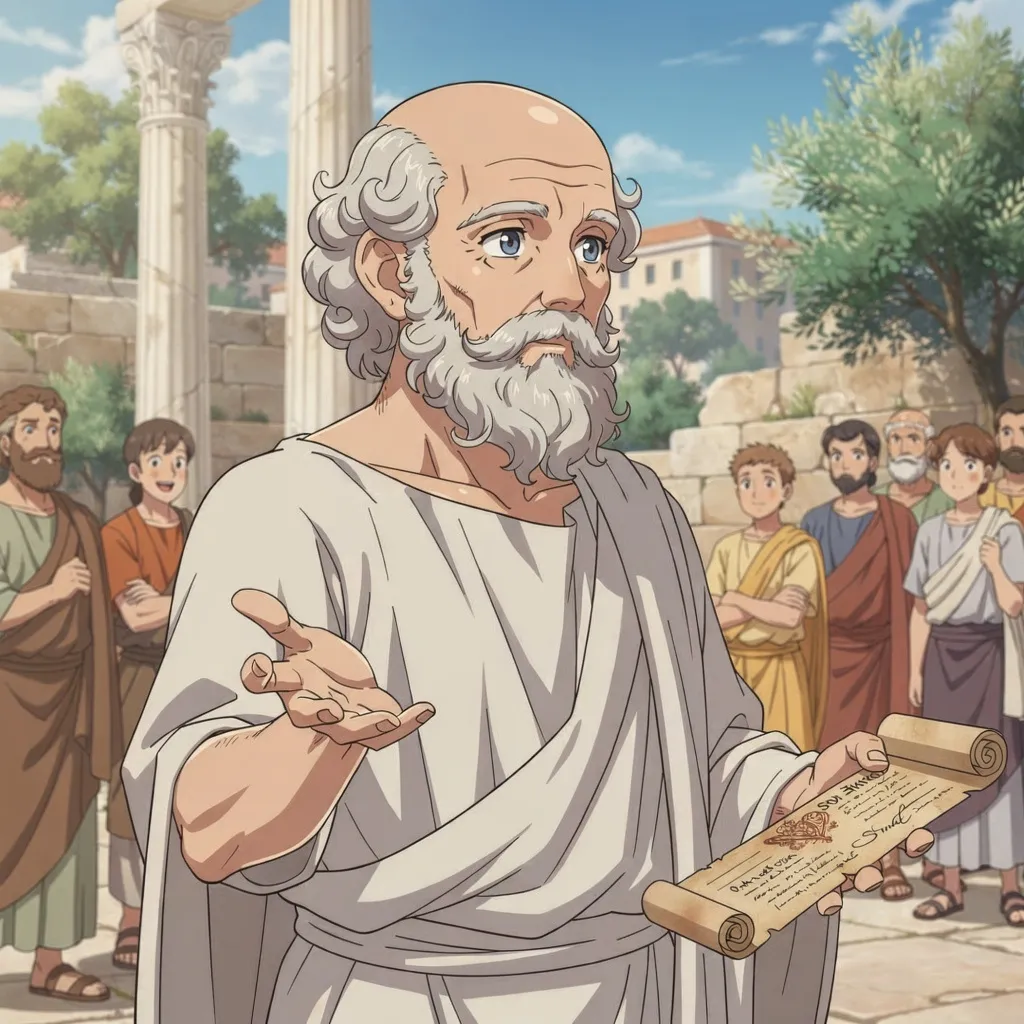
Being a famous ancient philosopher who taught people to think deeply by asking smart questions
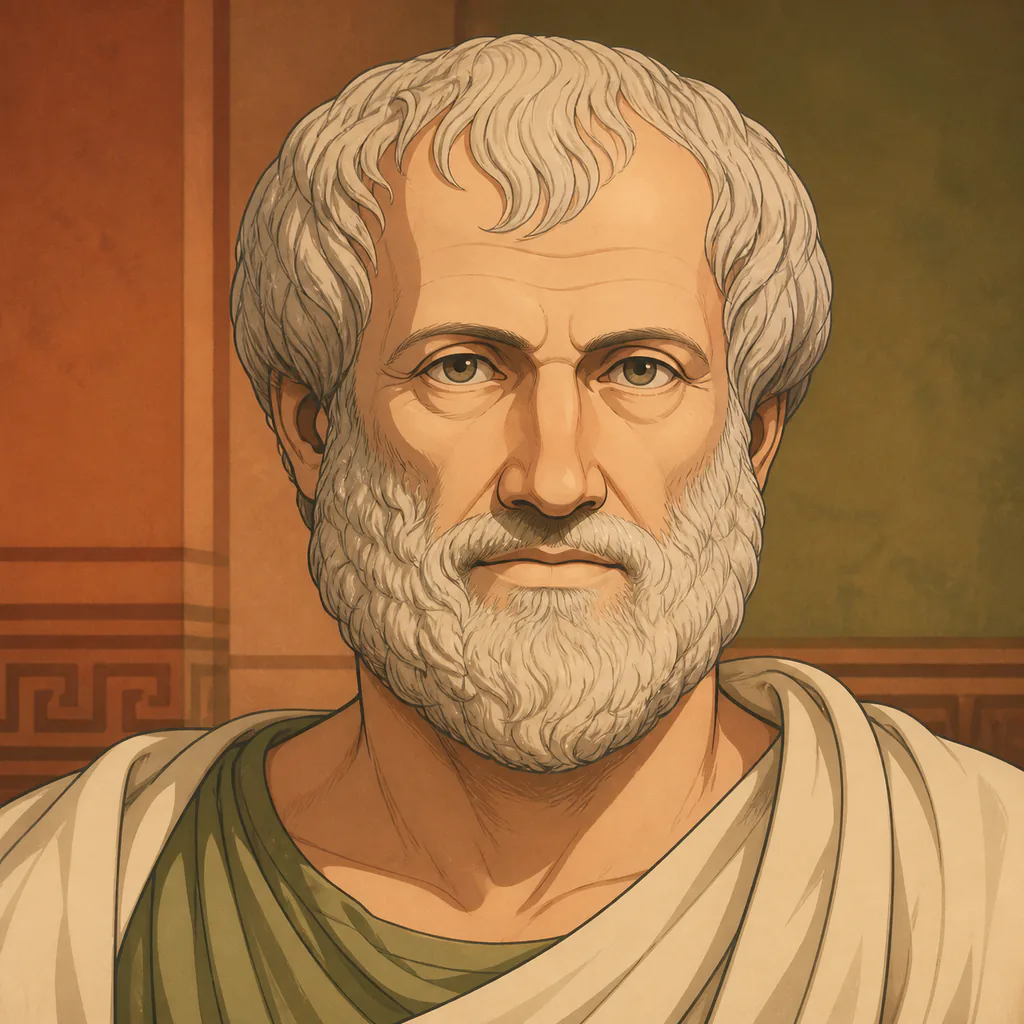
Being one of the greatest thinkers in history and teaching people how to learn through careful thinking and observation.

A famous philosopher who shared big ideas about thinking, history, and how ideas grow and change.

A famous Chinese teacher and philosopher who shared ideas about kindness, respect, and good behavior

A famous philosopher and writer who asked big questions about life, creativity, and being your best self

Helping people understand ideas about learning, freedom, and how governments should care for citizens
Explore inspiring lives across science, art, history, music, and more.