
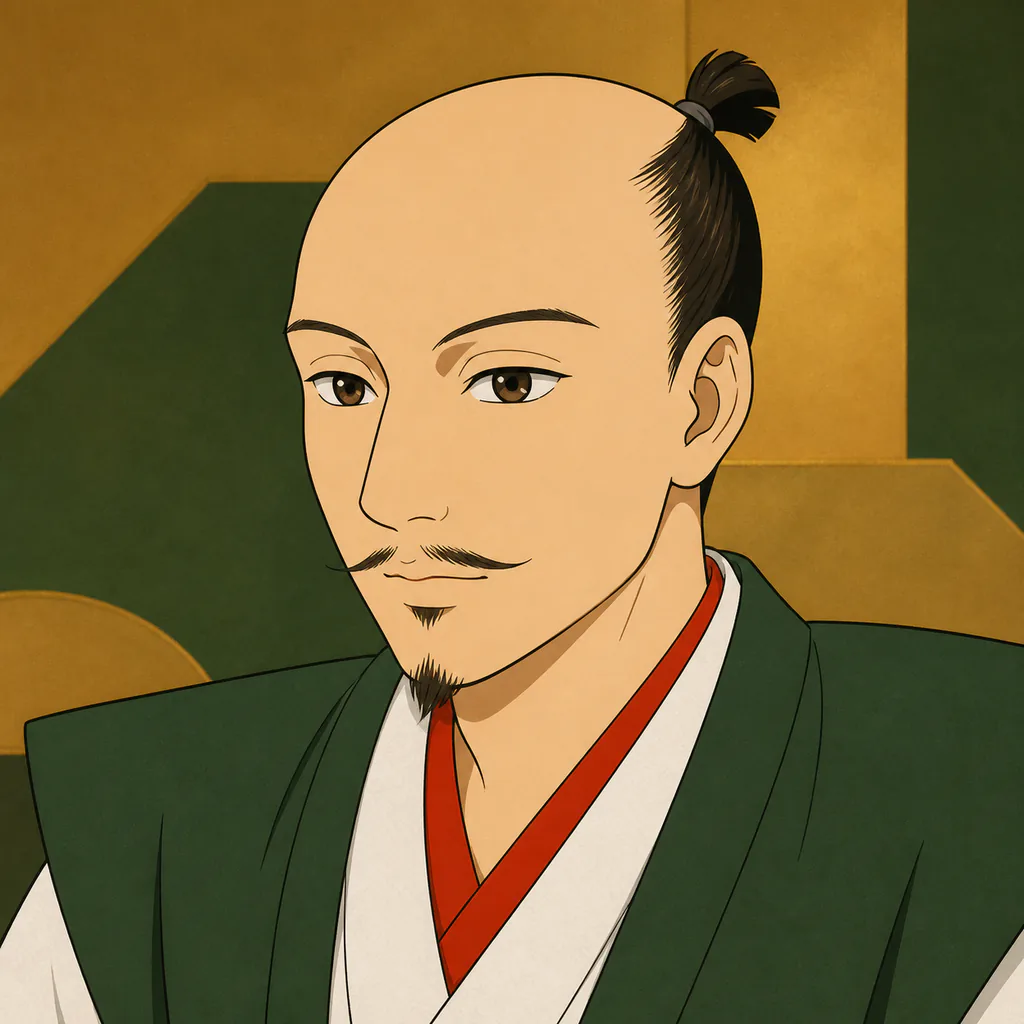
Biography for young readers
Oda Nobunaga
Helping begin the unification of Japan during a time of great change
- Lived
- 1534-1582
- From
- Japanese
- Reading time
- About 4 min
- Reading guide
- Independent-reader guide
Watch Oda Nobunaga's story unfold
Why this story matters
A life worth remembering
Helping begin the unification of Japan during a time of great change
Think about it
What did you notice?
- Which moment changed the direction of this person's life?
- Which achievement or idea do you think mattered most?
- What is one question you would ask them?
Prefer to read? Open the complete biography transcript
An Heir in a Divided Country
At a turning point in Japanese history, Oda Nobunaga turned a small regional inheritance into power that stretched across central Japan. He was born on June 23, 1534, in Owari Province, around present-day Aichi Prefecture. Japan was in the Sengoku, or “Warring States,” period. The emperor and shogun still held titles, but many regional military lords, called daimyo, competed for land and authority.
Nobunaga was the son of Oda Nobuhide, one of several Oda leaders in Owari. When his father died in 1551, the teenage Nobunaga inherited leadership of his branch of the family. He spent years defeating rivals and bringing most of Owari under his control. In 1560, at the Battle of Okehazama, his smaller force surprised and defeated a much larger invading army led by Imagawa Yoshimoto. The victory made other leaders take him seriously.
From Gifu to Kyoto
Nobunaga moved westward through battles and alliances. In 1567, he captured Inabayama Castle, renamed the stronghold Gifu, and made it his base. He began using a seal with the phrase Tenka Fubu, expressing his ambition to bring the realm under military rule. The following year, he entered Kyoto while supporting Ashikaga Yoshiaki’s claim to become shogun.
The partnership did not last. When Yoshiaki organized resistance against him, Nobunaga forced him out of Kyoto in 1573, ending the Ashikaga shogunate. Nobunaga never took the title of shogun himself. Instead, he expanded his network of commanders, allies, castles, and court connections. His rise helped begin the Momoyama period, when bold new castles and art displayed the power of Japan’s military leaders.
Firearms, Markets, and Azuchi Castle
Nobunaga was quick to use technologies and systems that strengthened his rule. Matchlock guns had reached Japan before his career, but his armies used large groups of trained gun soldiers. In 1575, forces led by Nobunaga and his ally Tokugawa Ieyasu defeated the Takeda army at Nagashino, where firearms played an important part.
Government mattered alongside warfare. Nobunaga supported rakuichi-rakuza policies that removed some market tolls and guild privileges, making it easier for merchants to trade in castle towns. At Gifu, he received Portuguese merchants and Jesuit missionaries and learned about unfamiliar goods and ideas. The National Diet Library also records that Yasuke, an African man first connected with the Jesuits, later served Nobunaga.
In 1576, Nobunaga began building Azuchi Castle near Lake Biwa. Its tall, richly decorated keep was completed around 1579 and became a model for later Japanese castles. Azuchi showed that a castle could be a military base, a government center, and a dramatic symbol of authority at the same time.
A Powerful but Violent Legacy
Nobunaga’s changes came with severe human costs. His armies destroyed communities and religious centers that resisted him. In 1571, they attacked the Enryakuji temple complex on Mount Hiei; buildings burned, and many defenders and other residents died, although historical accounts disagree about the number. His long wars against armed Buddhist leagues were also harsh. Calling him a “unifier” should not hide the suffering caused by his campaigns.
On June 21, 1582, one of Nobunaga’s commanders, Akechi Mitsuhide, turned against him at Honnōji Temple in Kyoto. Trapped by a much larger force, Nobunaga took his own life. He died before bringing all Japan under one government. Toyotomi Hideyoshi continued the unification campaigns, and Tokugawa Ieyasu later founded a shogunate that lasted more than 250 years.
Nobunaga’s wider contribution is complicated: military organization, castle building, and market policies helped reshape Japan, while his ambition brought warfare and destruction. Studying both sides offers a more honest lesson than treating power or novelty as automatically good.
Did you know?
Fun facts about Oda Nobunaga
-
Oda Nobunaga captured Inabayama Castle in 1567 and renamed the stronghold and castle town Gifu.
-
He used a seal bearing the phrase Tenka Fubu on official orders.
-
Azuchi Castle’s keep had five exterior levels and seven stories inside, according to Japan Search.
-
The National Diet Library records that Yasuke, an African man who arrived with Jesuits, later served Nobunaga.
-
Kano Sōshū painted a well-known memorial portrait of Nobunaga in 1583, one year after Nobunaga’s death.
Learn & remember
Make the story yours
4 min read · Independent-reader guide
Three things to remember
- Known for: Helping begin the unification of Japan during a time of great change
- Lived: 1534-1582
- From: Japanese
Quick check
What do you remember?
Think of an answer, then open each card to check.
What is Oda Nobunaga best known for?
Helping begin the unification of Japan during a time of great change
When did Oda Nobunaga live?
1534-1582
What place or nationality is connected to this story?
Japanese
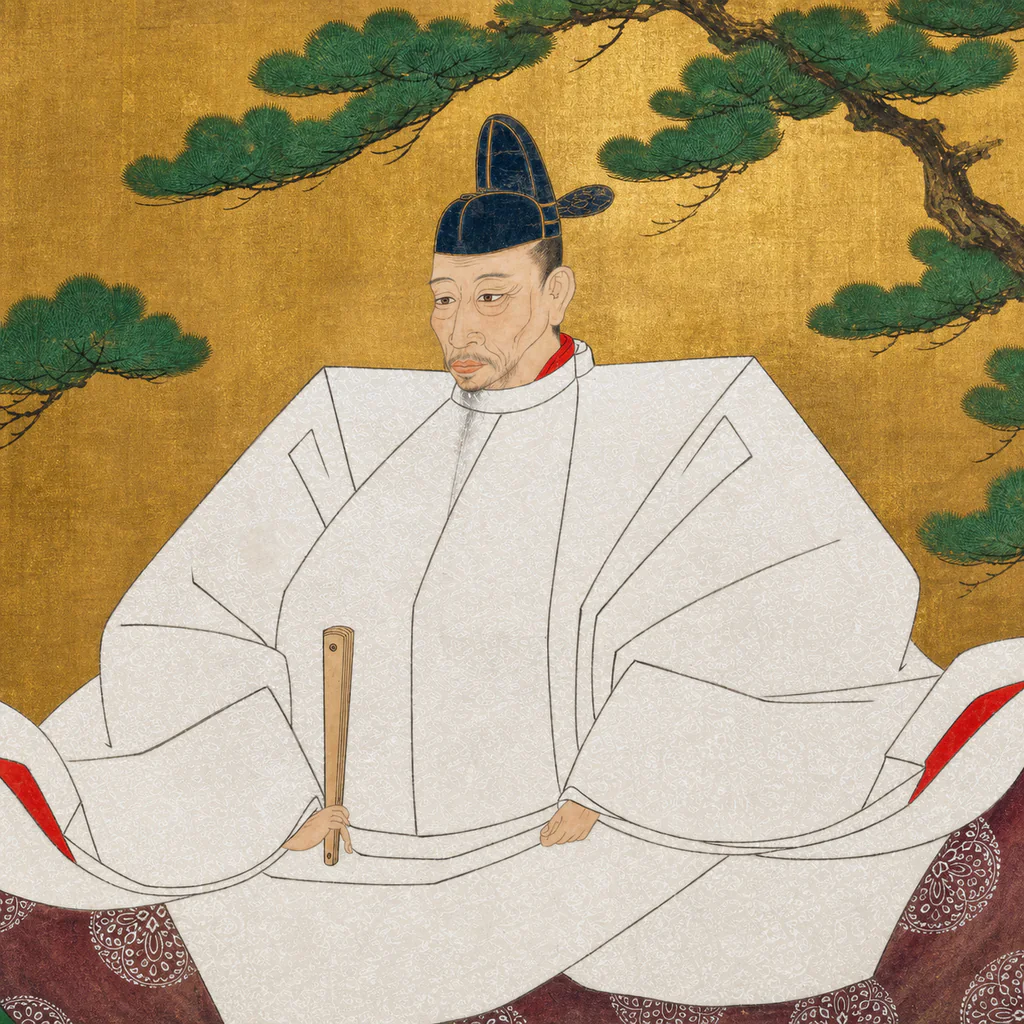
Biography
Toyotomi Hideyoshi
Unifying Japan and rising from a poor background to become one of the country’s most powerful leaders
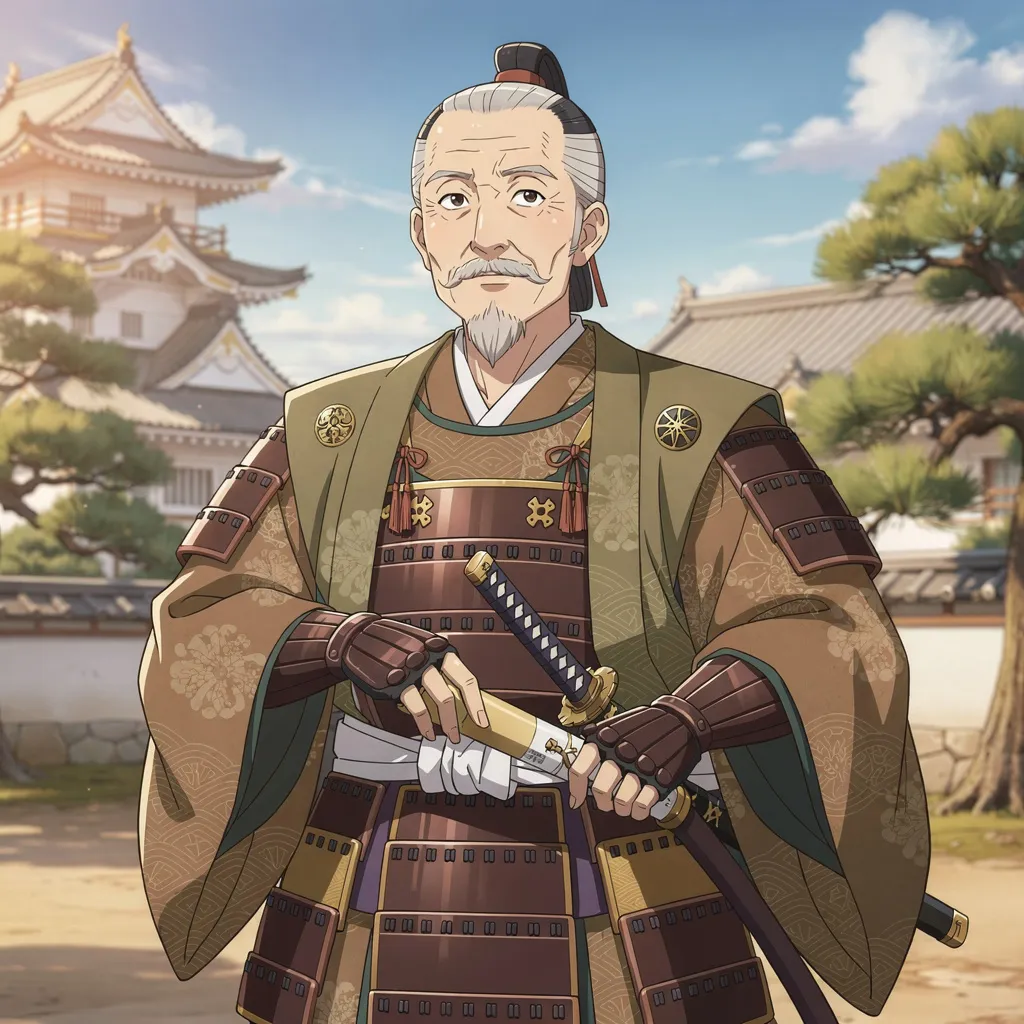
Biography
Tokugawa Ieyasu
Founding the Tokugawa shogunate and bringing long-lasting peace to Japan.
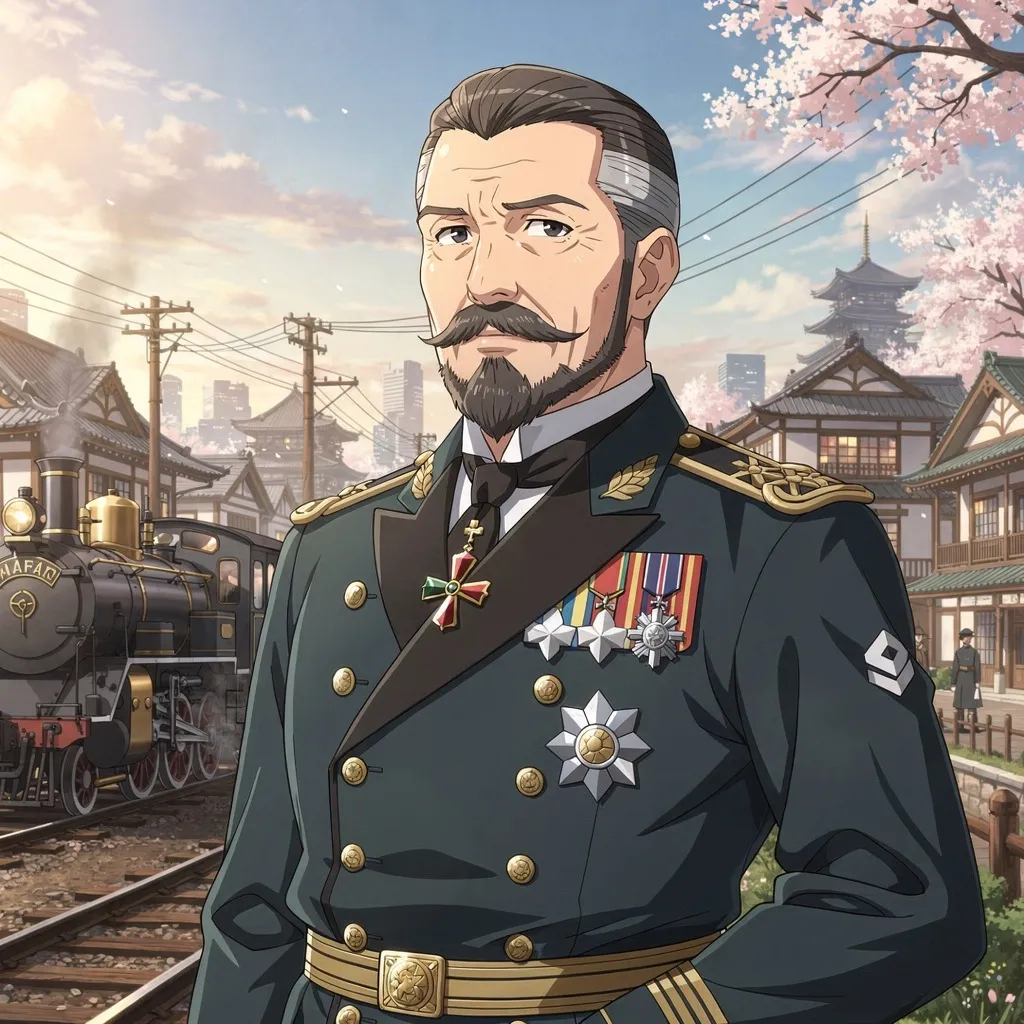
Biography
Meiji Emperor
Leading Japan during a time of big change that helped modernize the country
Biography
Miyamoto Musashi
A famous Japanese samurai who became a wise teacher, artist, and writer.
Biography
Hirohito
Being the Emperor of Japan for many years and for his strong interest in science, especially sea life
Biography
Soichiro Honda
Founder of Honda Motor Company and a pioneer of cars and motorcycles
One story at a time
Who will you discover next?
Explore inspiring lives across science, art, history, music, and more.