
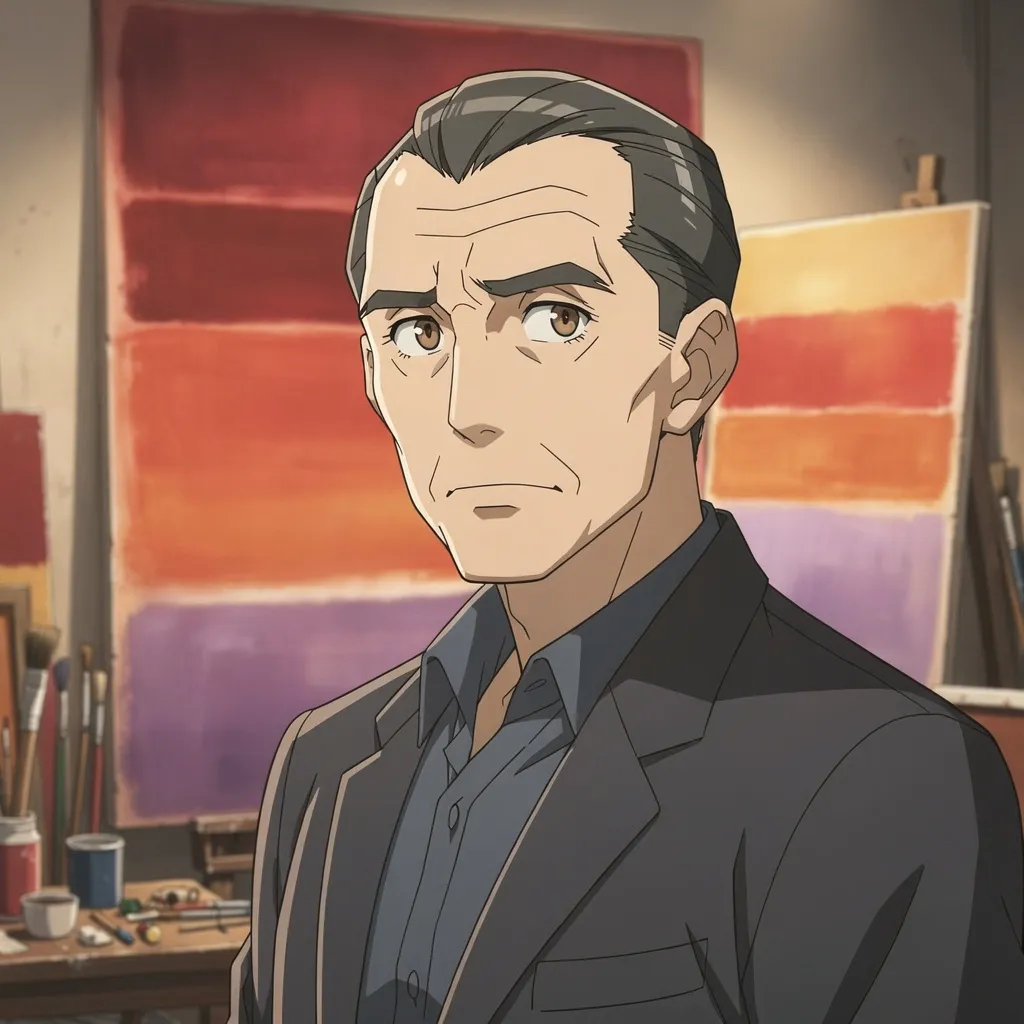
Creating large paintings with bright blocks of color that make people feel strong emotions
Creating large paintings with bright blocks of color that make people feel strong emotions
Mark Rothko was born in 1903 in a small town that is now part of Latvia. When he was a child, his family moved to the United States to find better opportunities. They settled in Portland, Oregon, where Mark learned English and discovered a love for reading and drawing.
As a young boy, Mark was curious about the world and liked to think deeply. He enjoyed music, stories, and art, but he did not decide to become an artist right away. At first, he tried studying other subjects, including science and history.
When Mark was a young adult, he moved to New York City. This big, busy city was full of artists, ideas, and museums. Seeing so much art inspired him to start painting seriously.
At the beginning, Mark painted people, places, and scenes from everyday life. Over time, he felt that pictures of objects were not enough to show big feelings like joy, sadness, or wonder. He wanted his art to speak directly to people’s hearts.
Mark Rothko became famous for his special style of painting called abstract art. Instead of painting things like trees or faces, he used large rectangles of color. These colors were often bright or deep, such as red, blue, orange, or purple.
He painted on very large canvases so people could feel surrounded by the colors. Mark believed that colors could tell stories and share emotions without using words. When people looked at his paintings, he hoped they would stop, think, and feel something meaningful.
As time went on, Mark Rothko became one of the most important artists of the 20th century. His paintings were shown in museums and galleries around the world. Many people were moved by how simple shapes could create such strong feelings.
Today, Mark Rothko’s art is still admired and studied. His paintings remind us that art does not always need details to be powerful. Sometimes, a few colors and shapes can say a lot.
Mark Rothko showed the world that art can be about emotions and ideas, not just pictures of things. He encouraged people to slow down and really look. His work continues to inspire artists and art lovers of all ages.
Mark Rothko did not like explaining his paintings because he wanted people to feel them in their own way.
Many of his paintings are taller than most adults.
He believed that even children could understand and enjoy abstract art.
Some museums have special quiet rooms just for looking at Rothko’s paintings.
3 min read · Independent-reader guide
Think of an answer, then open each card to check.
Creating large paintings with bright blocks of color that make people feel strong emotions
1903-1970
American
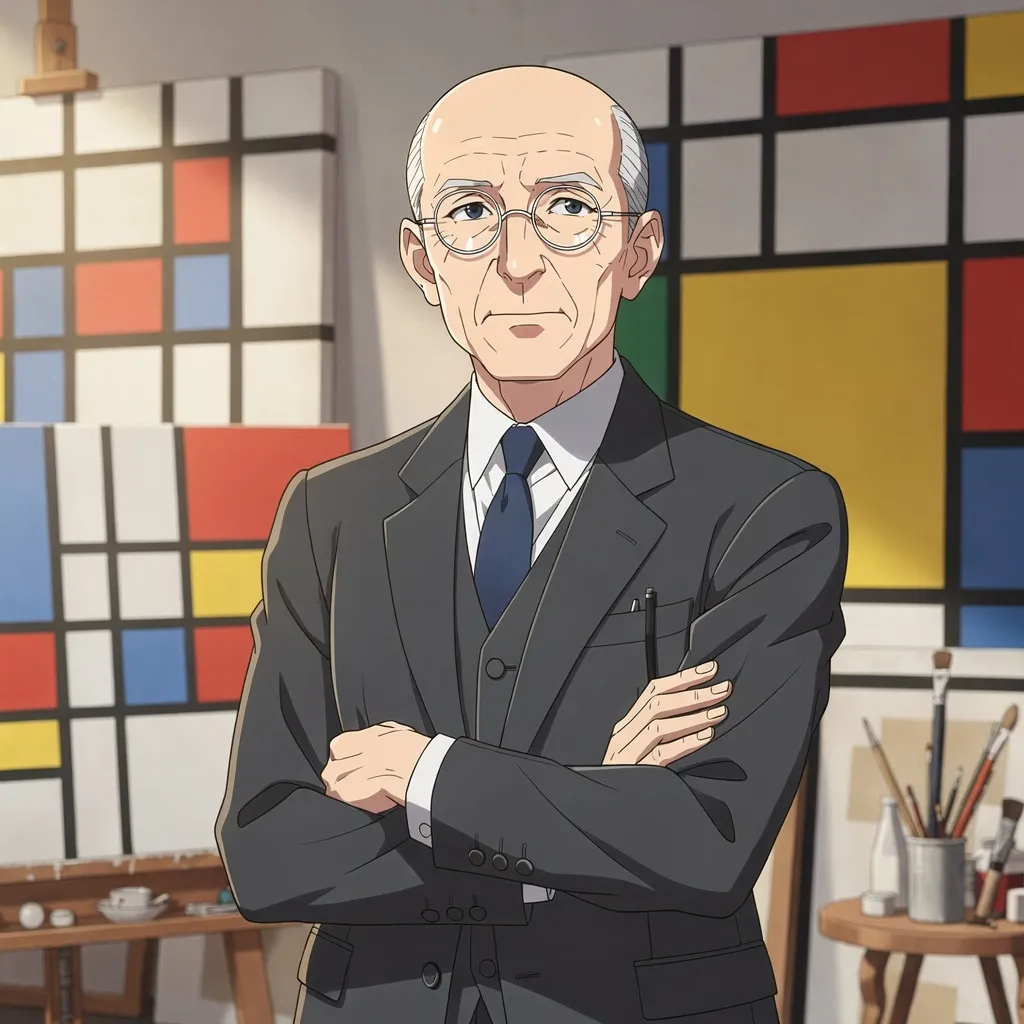
Creating colorful abstract art with straight lines and primary colors
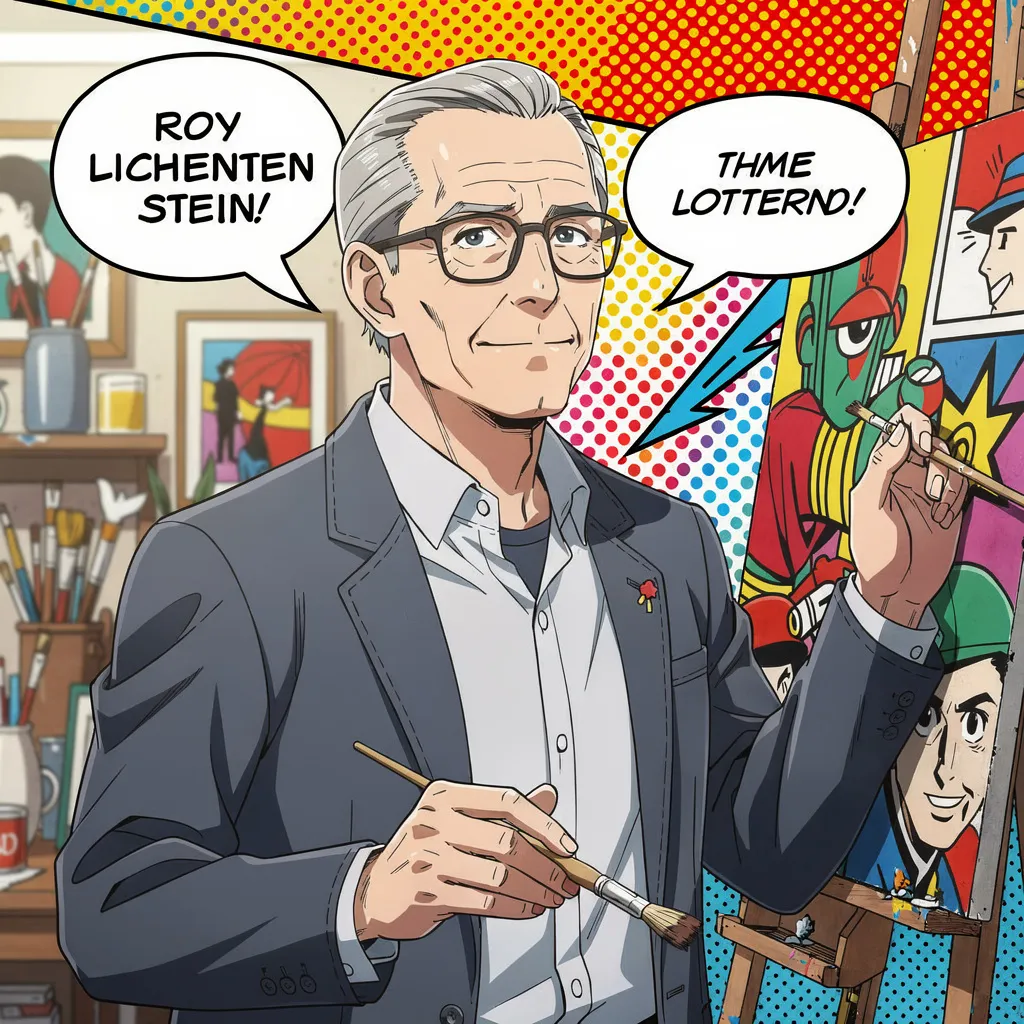
He was a famous pop artist known for turning comic book styles into colorful fine art.
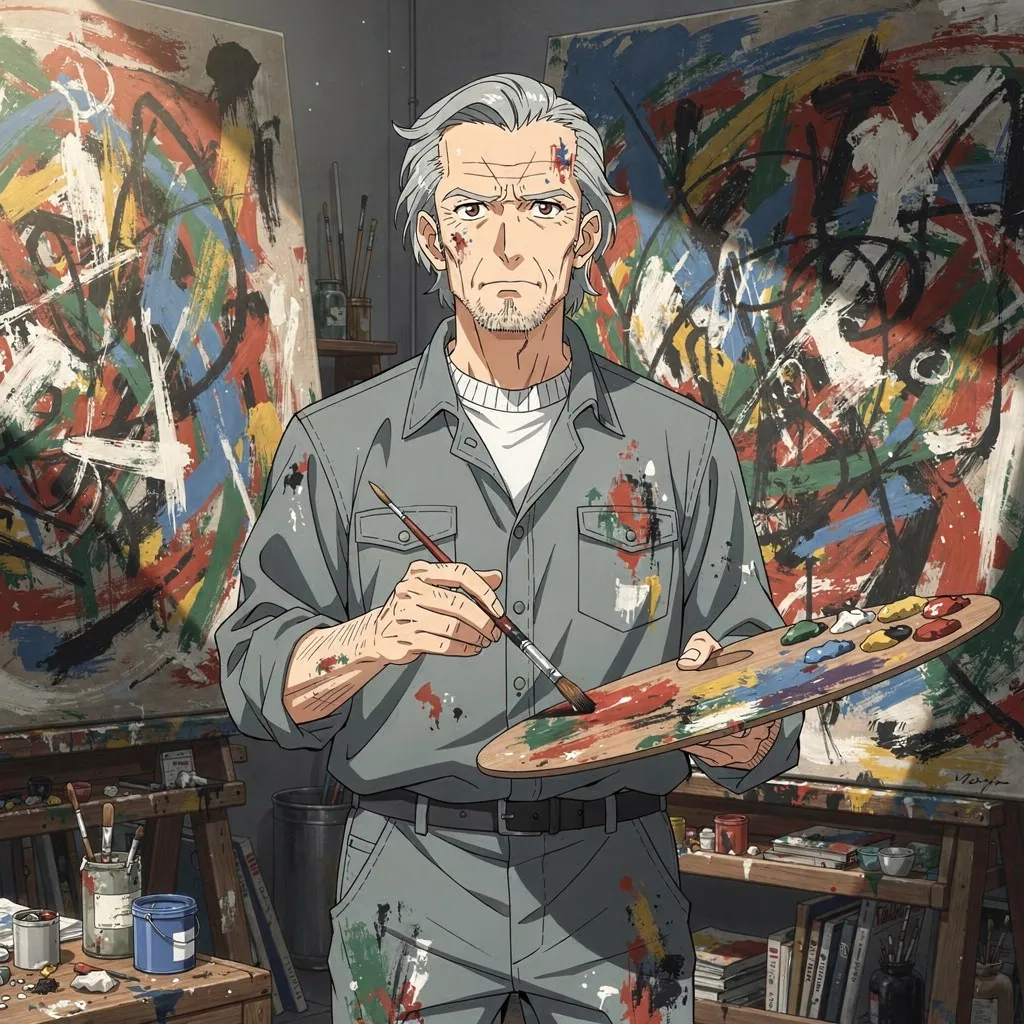
A famous painter who helped create Abstract Expressionist art with bold colors and energetic brushstrokes.
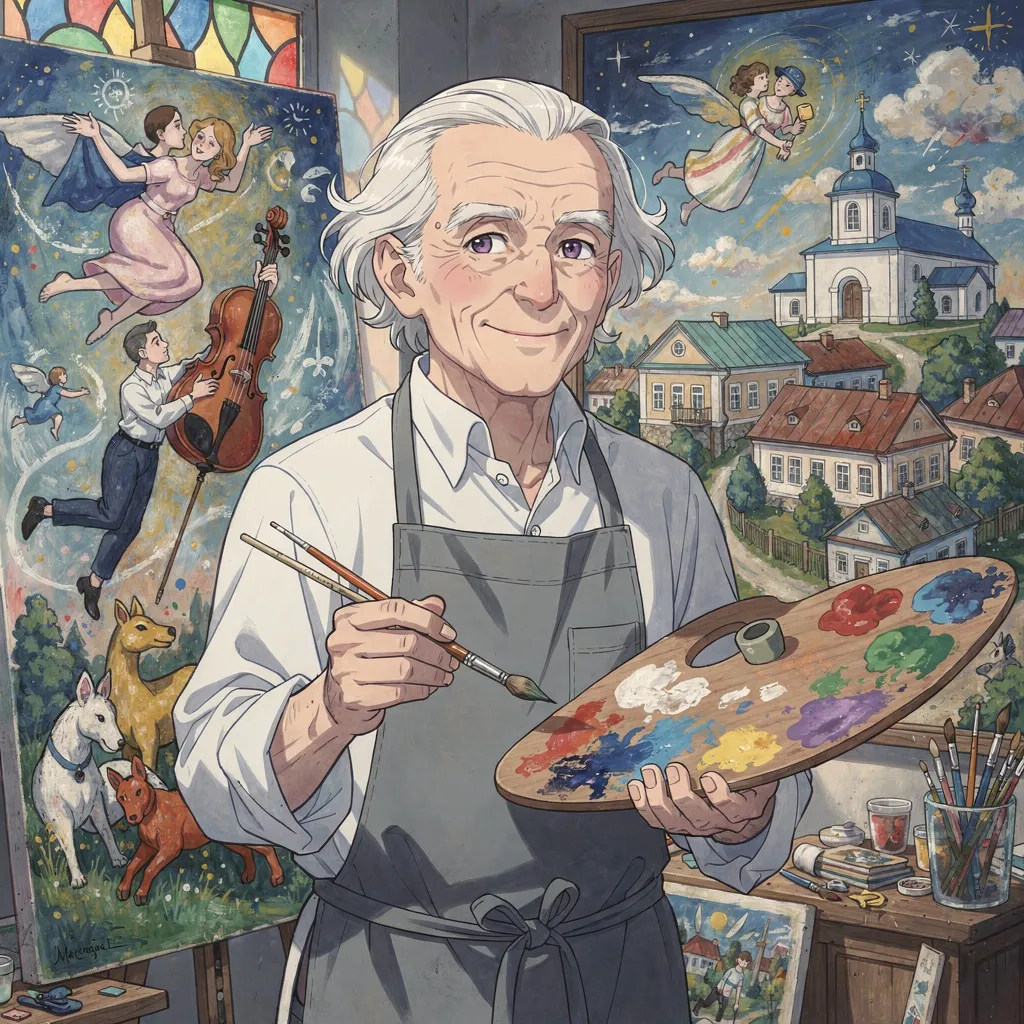
A famous artist who painted colorful, dreamlike scenes filled with flying people, animals, and symbols.
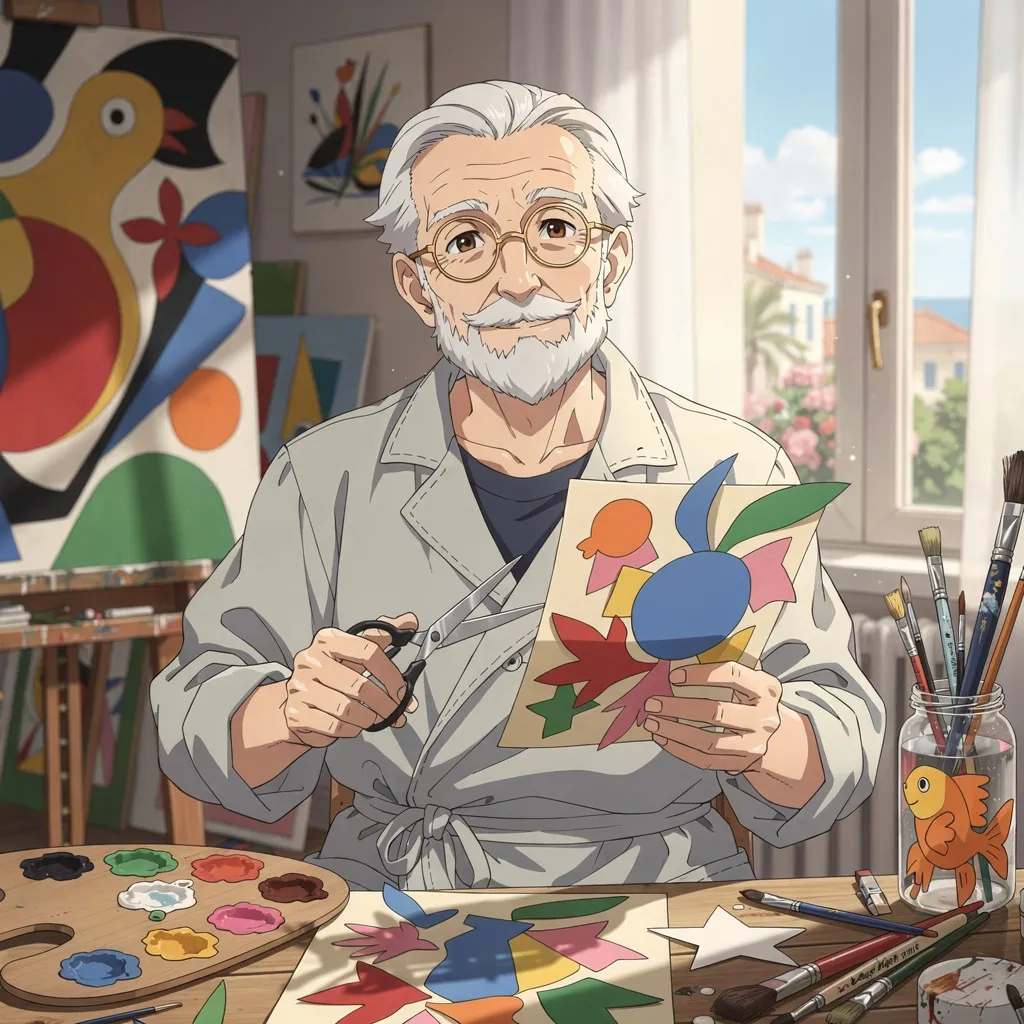
A famous artist known for using bright colors and simple shapes to create joyful art.

Creating giant, shiny sculptures inspired by everyday objects like balloons and toys.
Explore inspiring lives across science, art, history, music, and more.