
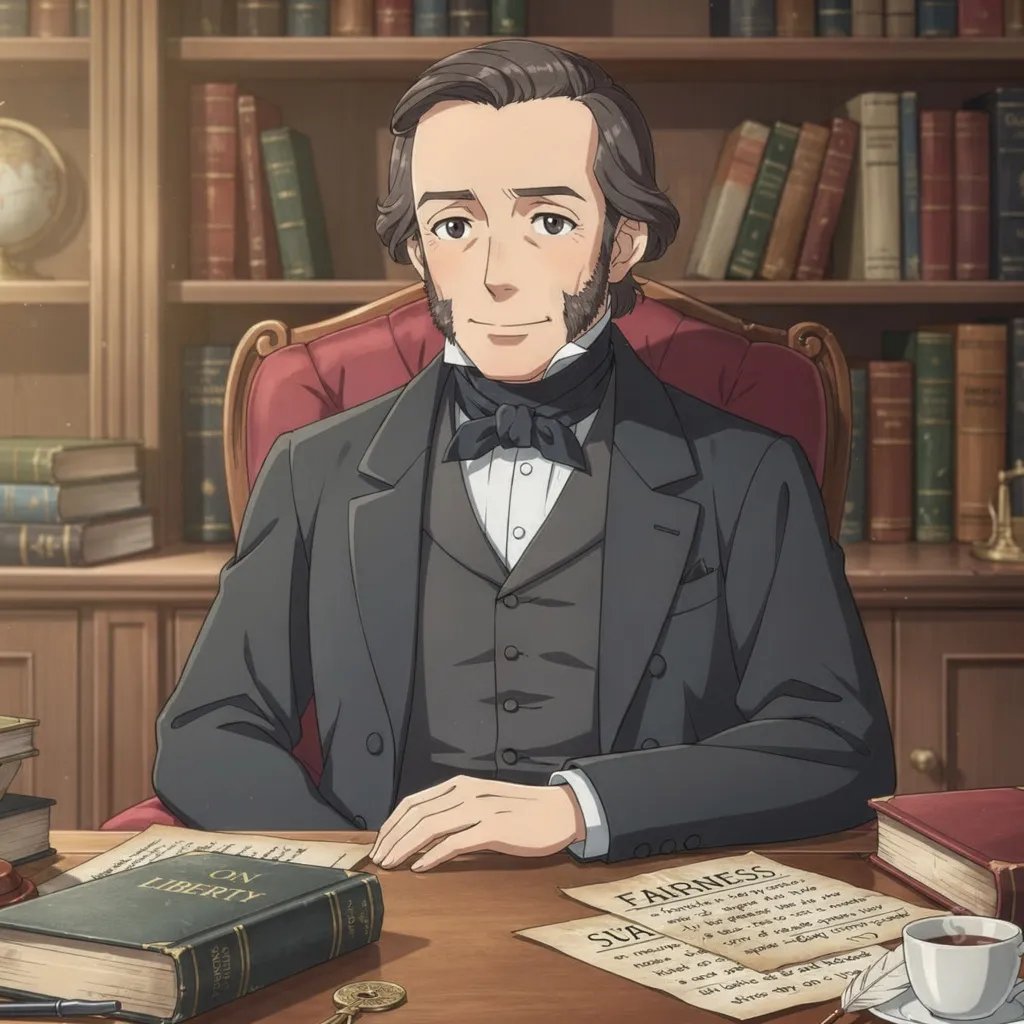
A famous thinker who wrote about fairness, freedom, and how people can live together kindly.
A famous thinker who wrote about fairness, freedom, and how people can live together kindly.
John Stuart Mill was born in 1806 in London, England. His father was a teacher and a writer who believed that education was the most important thing for a child. Because of this, John started learning very difficult subjects when he was still very young.
He began learning languages like Greek and Latin before he was even ten years old! John was a very hard worker and enjoyed reading books about history, math, and science. His early learning helped him become one of the smartest philosophers in history.
John Stuart Mill spent his life thinking about how people can live together in a way that is fair for everyone. He believed that every person should be free to make their own choices, as long as they do not hurt others. He called this idea “liberty.”
He wrote a very famous book called On Liberty that explained why freedom of speech and thinking is important. John believed that when people share their ideas, everyone can learn and grow together.
John also cared deeply about fairness for all people. He was one of the first famous thinkers to speak up for women's rights. He believed that both men and women should have the same opportunities to learn and work.
He also believed in an idea called Utilitarianism, which means trying to do things that make the most people happy. He wanted to help create a world where everyone could be treated with respect and kindness.
John Stuart Mill passed away in 1873, but his ideas never went away. Today, students around the world still study his books to learn about freedom, fairness, and how to be a good citizen.
His life shows us that learning, thinking, and caring about others can make the world a much better and fairer place for everyone. John remains a symbol of wisdom and a reminder of the power of freedom and equality.
John Stuart Mill began learning Greek at about three years old.
As a teenager, he wrote long essays and histories to practice his thinking and writing.
He believed that listening to different opinions helps people learn.
John loved long walks, which he said helped him think clearly.
2 min read · Independent-reader guide
Think of an answer, then open each card to check.
A famous thinker who wrote about fairness, freedom, and how people can live together kindly.
1806-1873
British

Helping people understand ideas about learning, freedom, and how governments should care for citizens
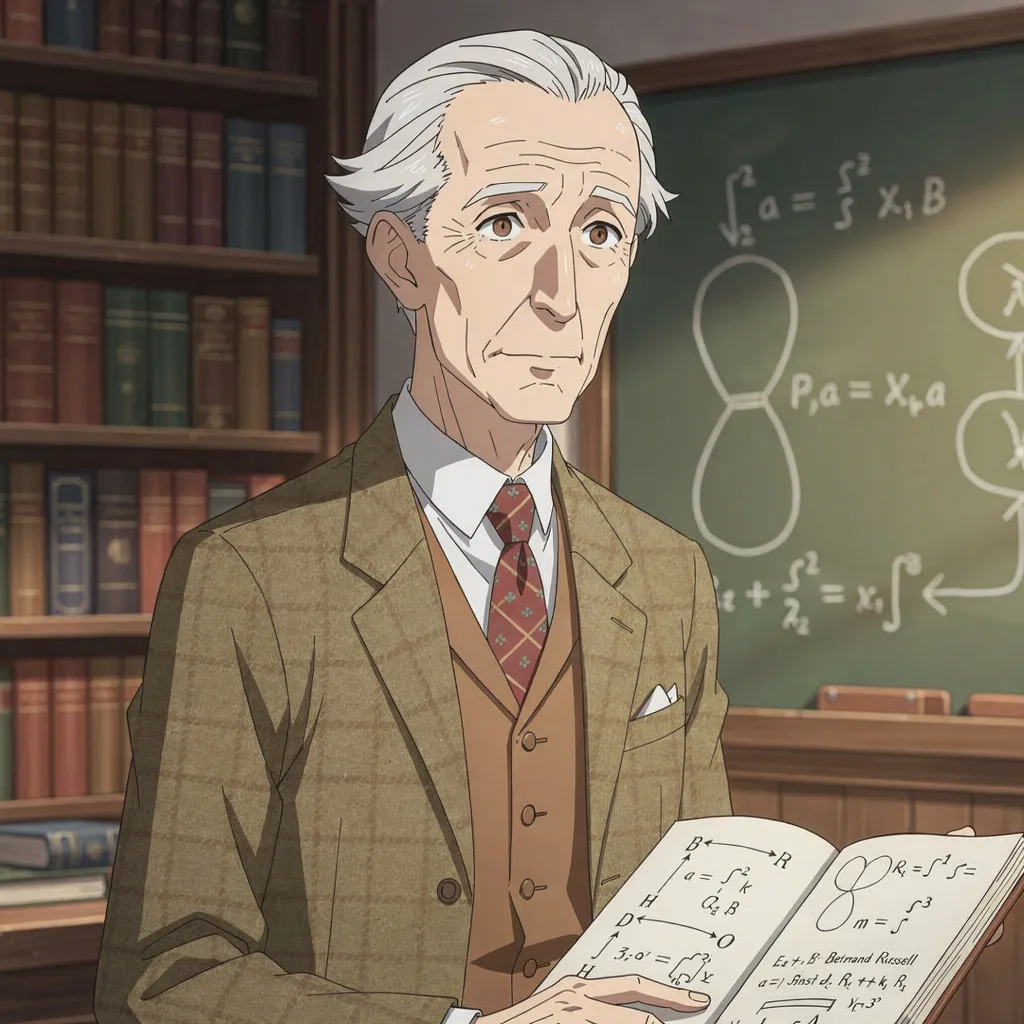
A British thinker who helped make math, logic, and philosophy easier to understand and wrote many famous books.

A famous thinker who wrote about freedom, nature, and how people can live and learn better together

A famous economist who helped governments understand how to keep economies healthy.
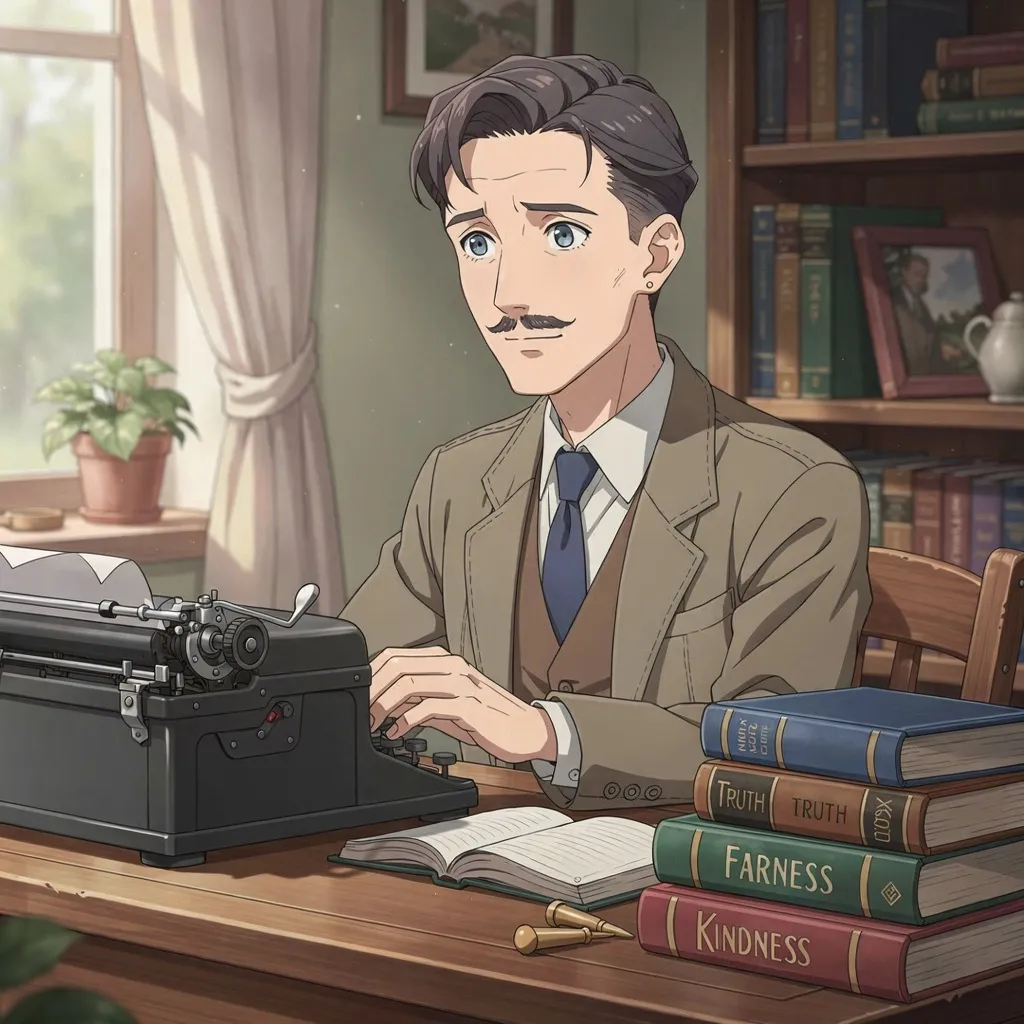
Writing famous books that make people think about fairness, truth, and kindness
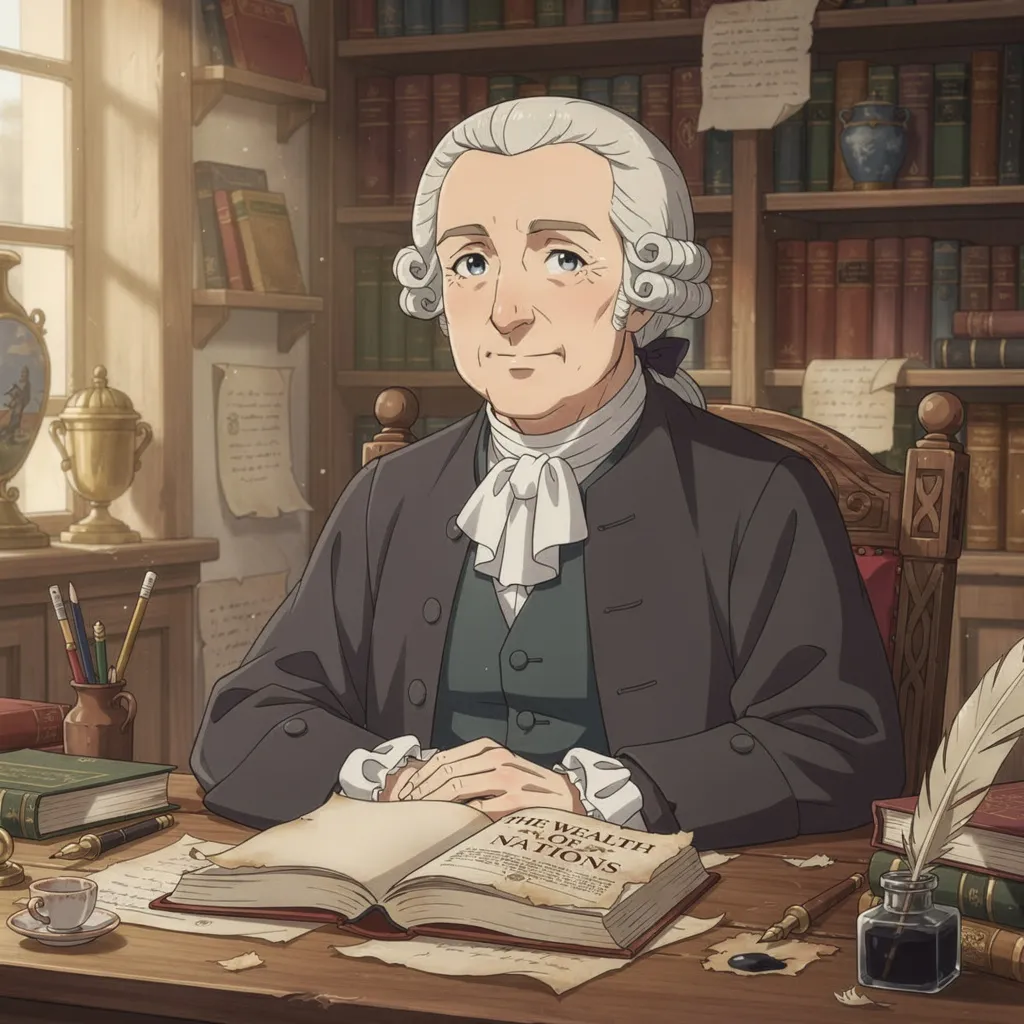
Being one of the founders of modern economics and writing the famous book "The Wealth of Nations."
Explore inspiring lives across science, art, history, music, and more.