
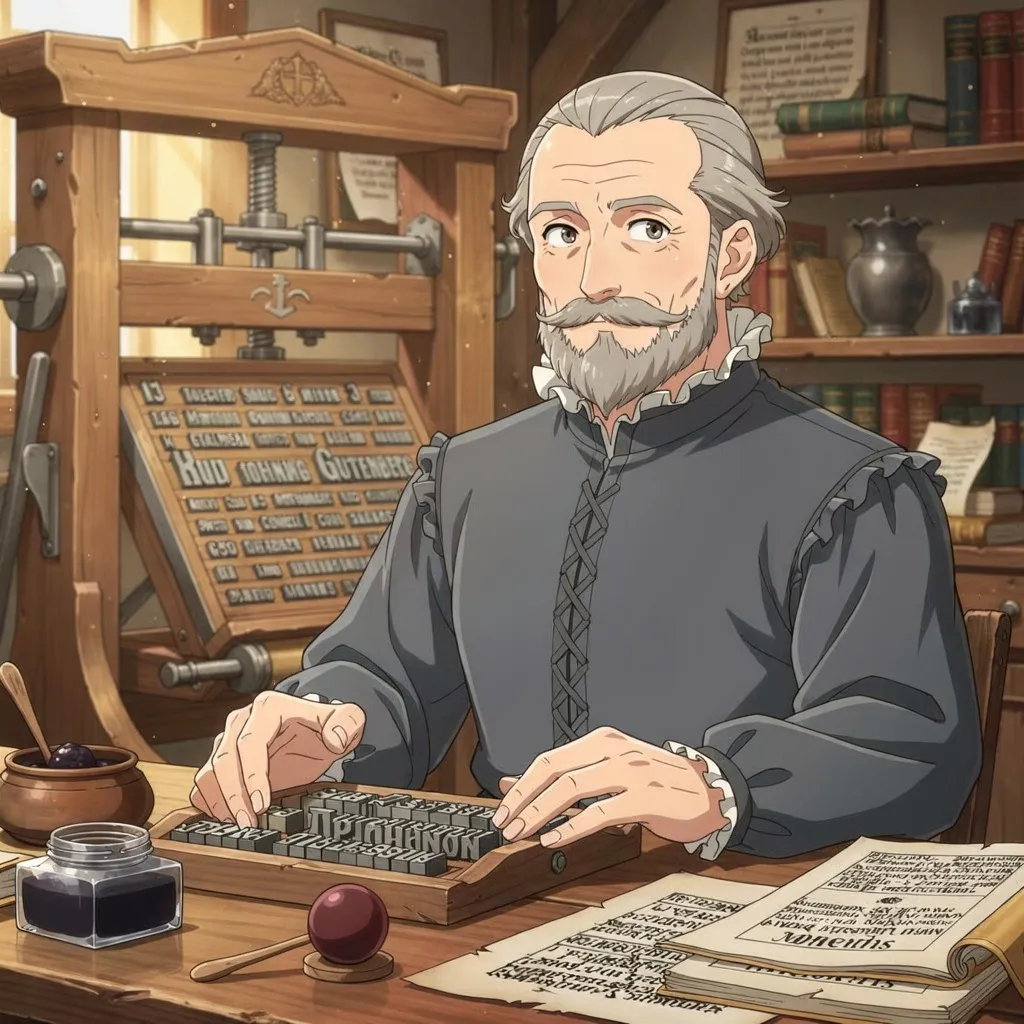
Inventing the movable-type printing press, which helped books spread around the world
Inventing the movable-type printing press, which helped books spread around the world
Johannes Gutenberg was born around the year 1400 in Mainz, a city in what is now Germany. His family worked with metal, and young Johannes learned useful skills like shaping metal and making tools. These skills would later help him create something very important.
As a child, Gutenberg was curious and liked to solve problems. He lived at a time when books were very rare and expensive. Each book had to be copied by hand, which could take months or even years.
Gutenberg had a bold idea: what if books could be made faster? He imagined using small metal letters that could be moved and reused to print many pages. This idea is called “movable type.”
He spent many years experimenting in secret. Gutenberg mixed metals to make strong letters, created special ink, and adapted a press to print on paper. It took patience and teamwork to make everything work together.
Around 1450, Gutenberg’s printing press was ready. One of his most famous printed books is the Gutenberg Bible. It was beautiful, clear to read, and much faster to make than handwritten books.
Because of the printing press, books could be made in large numbers. This meant more people could afford books and learn to read. Knowledge could travel quickly from one place to another.
Gutenberg’s invention changed the world. Schools had more books, scientists shared ideas, and stories traveled across countries. Printing helped people learn about science, history, and new discoveries.
Many people believe the printing press is one of the most important inventions in history. It helped start a time of learning and creativity in Europe and beyond.
Gutenberg did not become very rich, and his life had many challenges. However, his work lived on and changed how humans share information forever. He is remembered as a visionary who brought the world closer together through the power of the written word.
Gutenberg’s Bible took about three years to print.
He used oil-based ink, which worked better than older inks.
Some of his printed books still exist today in museums.
People often call him the father of modern printing.
2 min read · Developing-reader friendly
Open a word for a short explanation.
A new device, method, or idea that someone creates.
Think of an answer, then open each card to check.
Inventing the movable-type printing press, which helped books spread around the world
c. 1400-1468
German
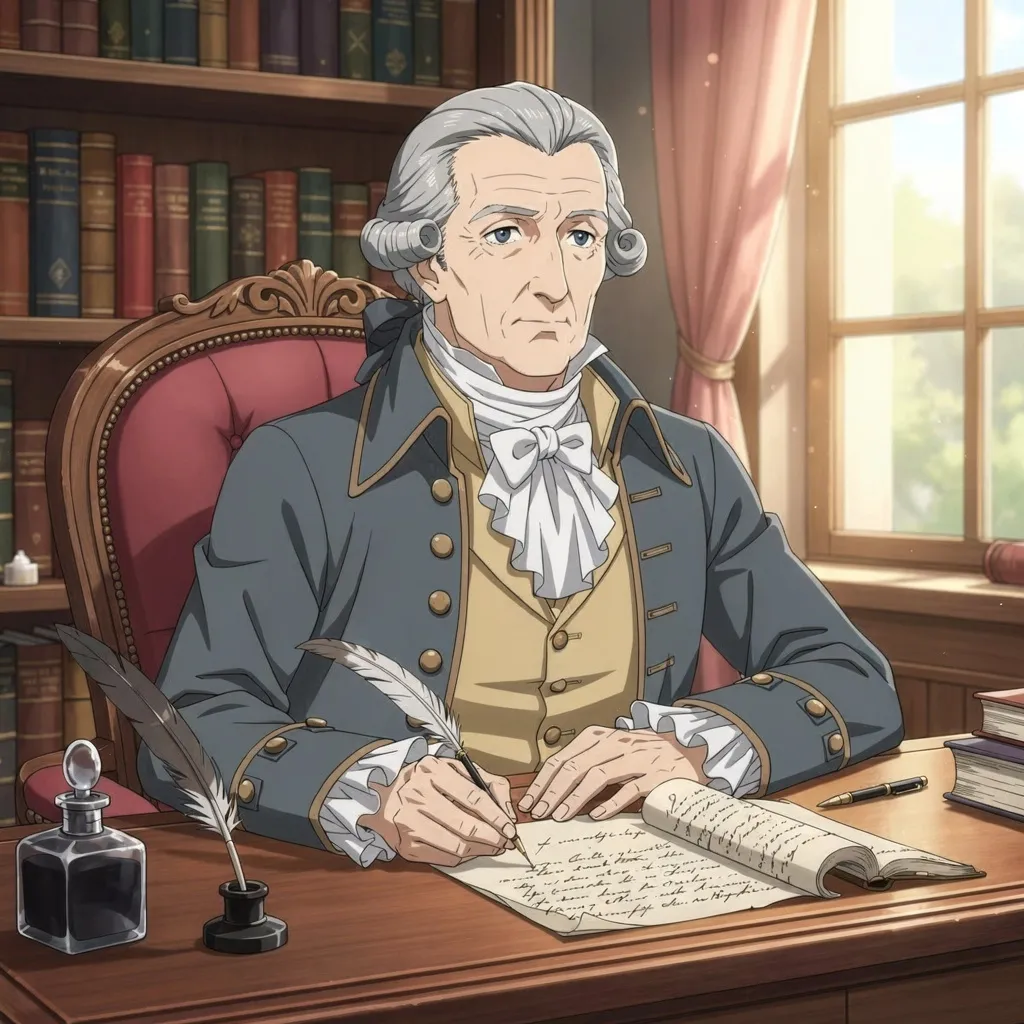
A famous German writer and thinker who wrote poems, plays, and stories loved around the world
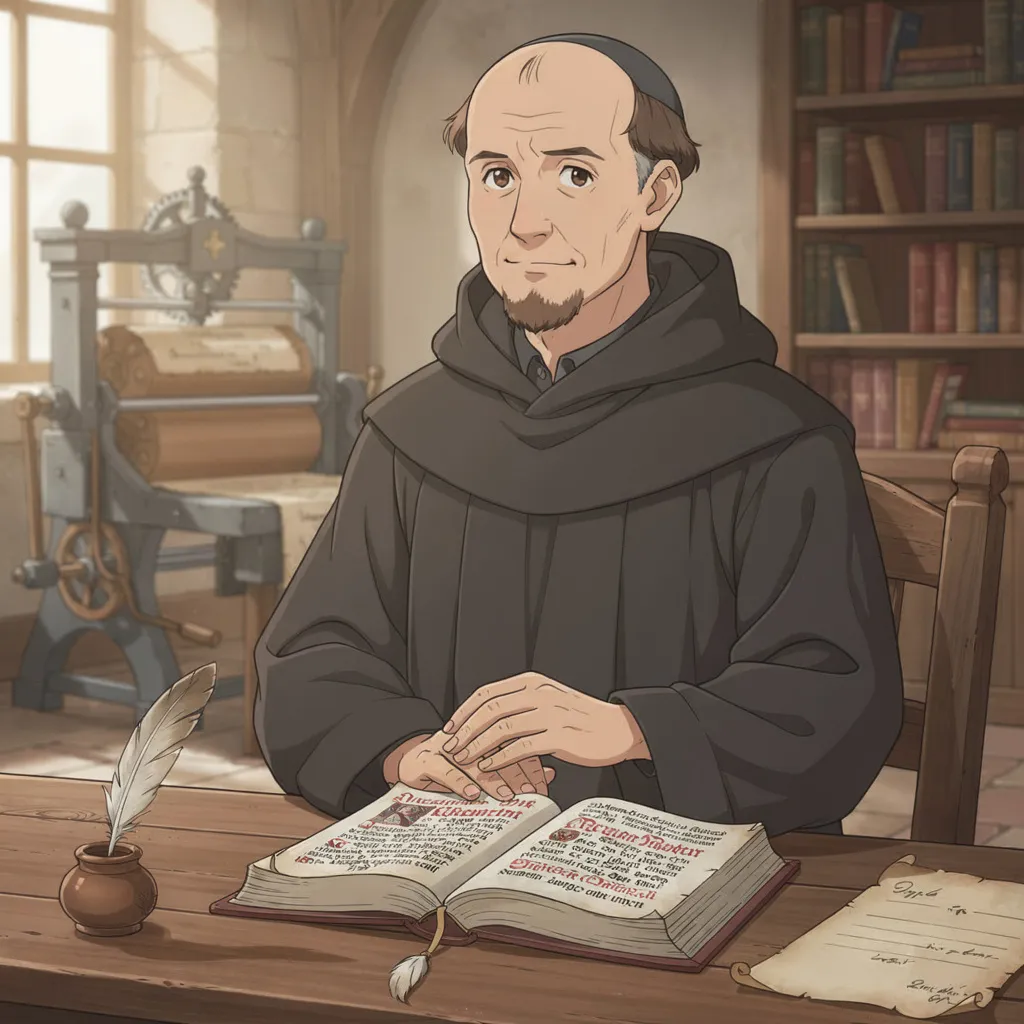
Starting the Protestant Reformation and helping people read the Bible in their own language
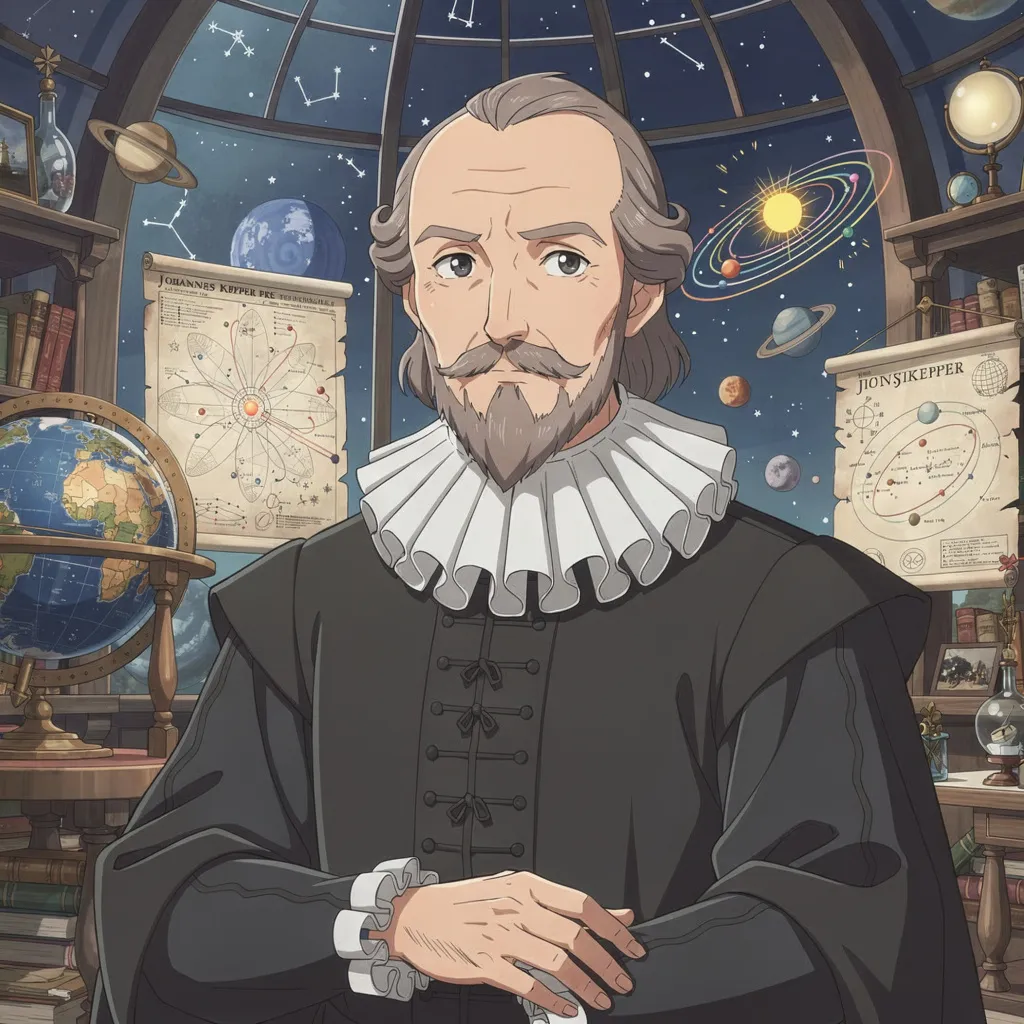
Discovering the laws that explain how planets move around the Sun

Inventing and improving useful devices like the electric light bulb and the phonograph that changed everyday life
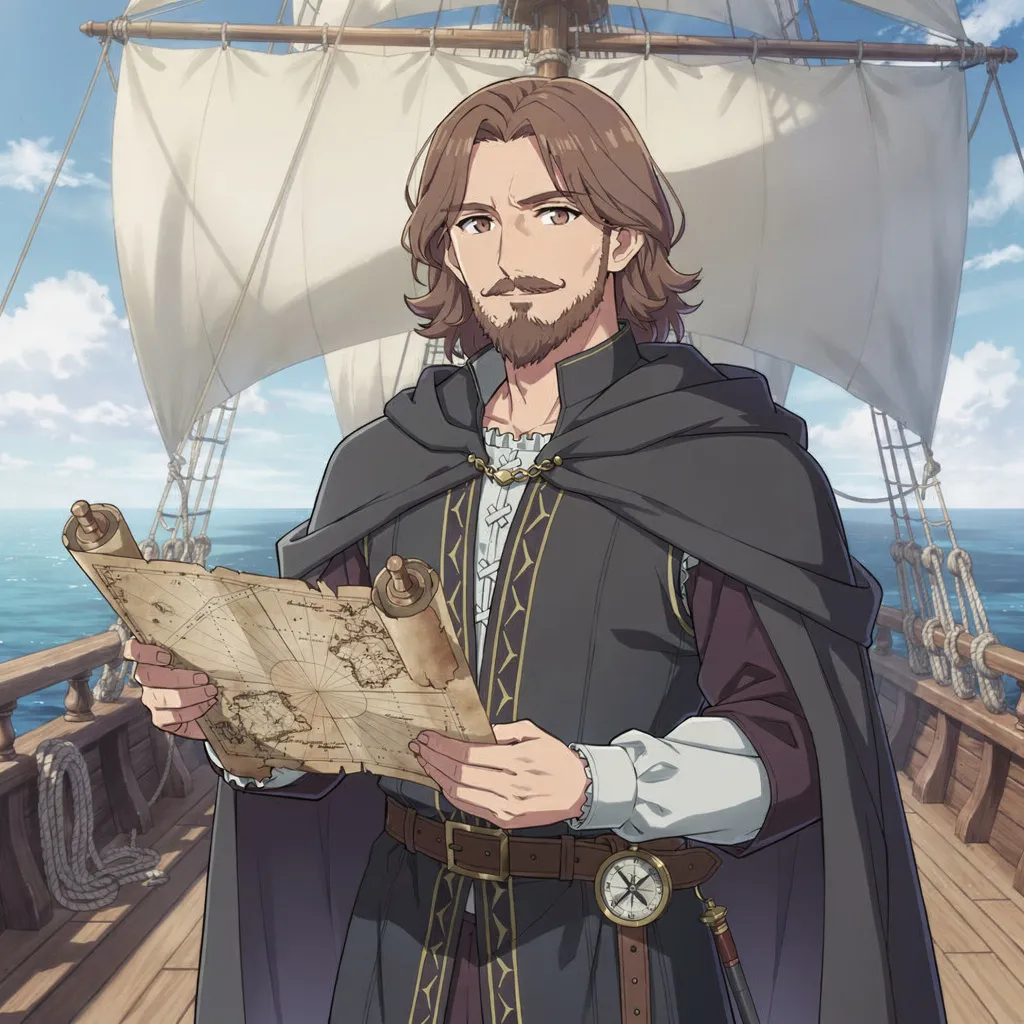
Making famous sea voyages that connected Europe and the Americas
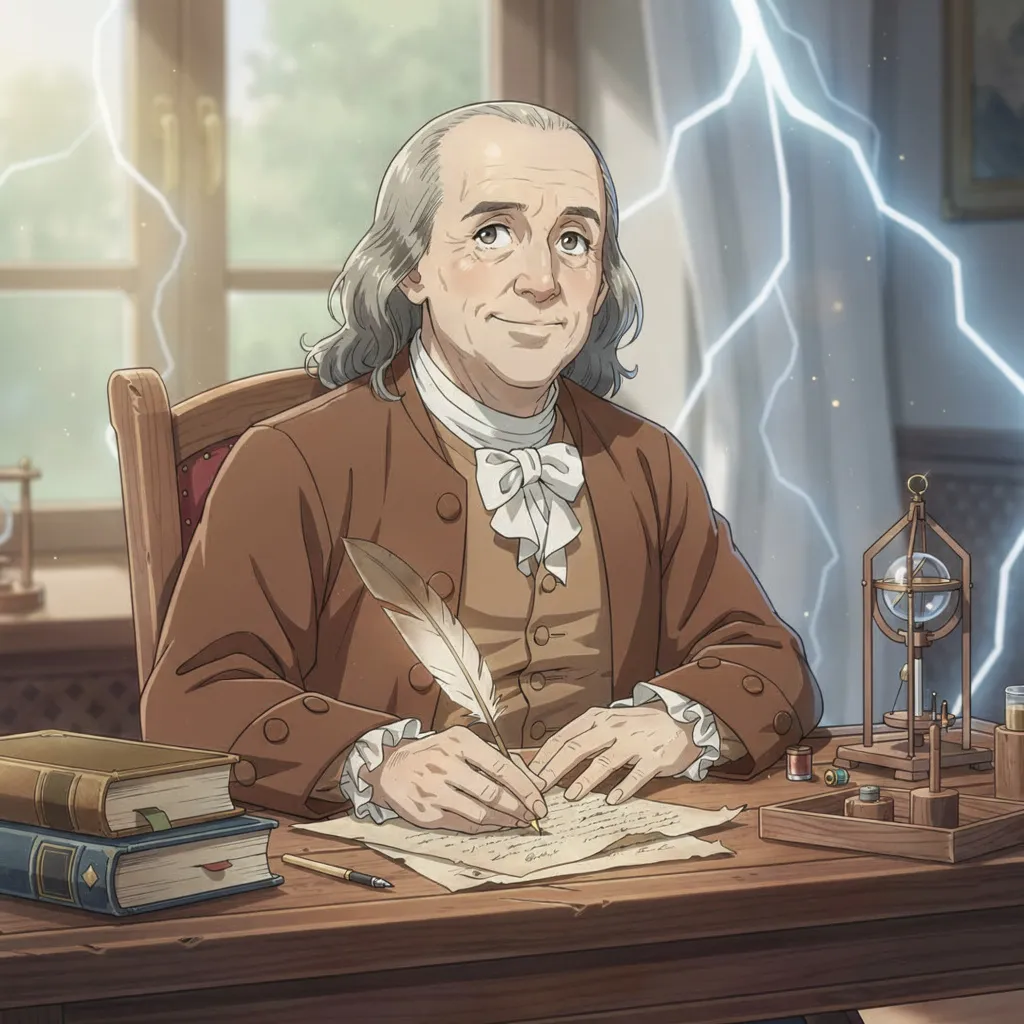
A famous American inventor, writer, and leader who helped shape the United States.
Explore inspiring lives across science, art, history, music, and more.