
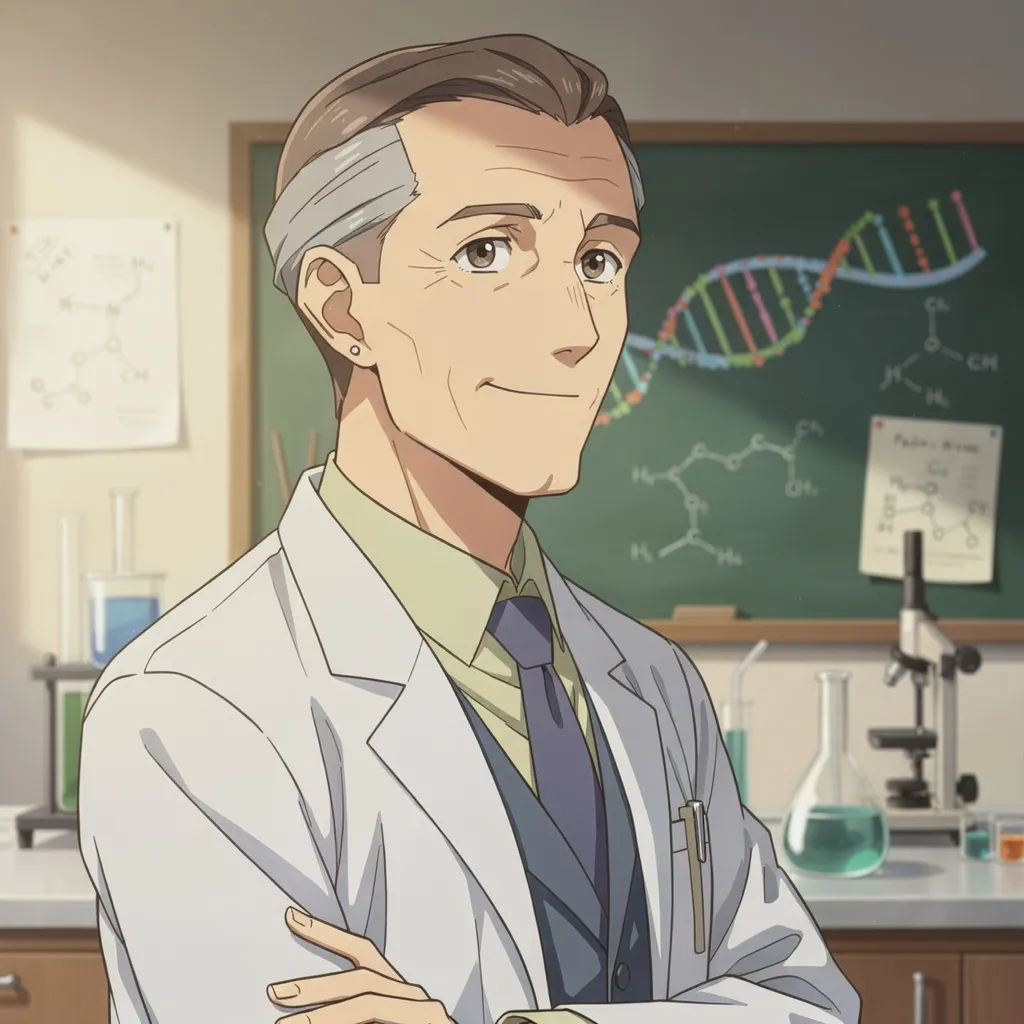
Helping discover the double helix shape of DNA, which explains how life grows and works
Helping discover the double helix shape of DNA, which explains how life grows and works
Francis Crick was born in 1916 in England. As a child, he was very curious and loved asking questions about how things worked. He enjoyed science, puzzles, and learning new ideas, even if they were tricky at first.
Francis did well in school and went on to study science at university. At first, he studied physics, which is the science of energy and matter. Later, he became interested in biology, the study of living things.
After World War II, Francis decided to learn more about life itself. He started studying how living cells work and how information is passed from parents to children. This led him to a tiny but very important molecule called DNA.
Francis worked at a famous place called Cambridge University. There, he met another scientist named James Watson. The two of them made a great team because they liked to think big and share ideas.
In 1953, Francis Crick and James Watson made an amazing discovery. They figured out the shape of DNA, which looks like a twisted ladder called a “double helix.” This shape helps DNA copy itself, which is how living things grow and stay alive.
Their discovery helped scientists understand how traits like eye color or height are passed down in families. It also helped doctors learn more about diseases and how to treat them.
Francis Crick’s work was so important that he won the Nobel Prize in 1962. This is one of the highest awards a scientist can receive. He shared the prize with James Watson and another scientist, Maurice Wilkins.
Later in life, Francis kept learning and asking questions. He even studied the human brain and how we think and feel.
Francis Crick is remembered as a scientist who was brave enough to explore big ideas. His discovery of DNA changed science forever and helps people every day.
He showed that curiosity, teamwork, and hard work can lead to amazing discoveries. His life reminds us that asking questions is the first step to learning something new.
Francis Crick loved discussing ideas out loud and thinking with other scientists.
The DNA model he helped build looks like a twisted ladder or spiral staircase.
He started his career in physics before becoming a famous biologist.
Crick believed that asking big questions was just as important as finding answers.
2 min read · Independent-reader guide
Open a word for a short explanation.
A tiny group of atoms joined together.
Think of an answer, then open each card to check.
Helping discover the double helix shape of DNA, which explains how life grows and works
1916-2004
British
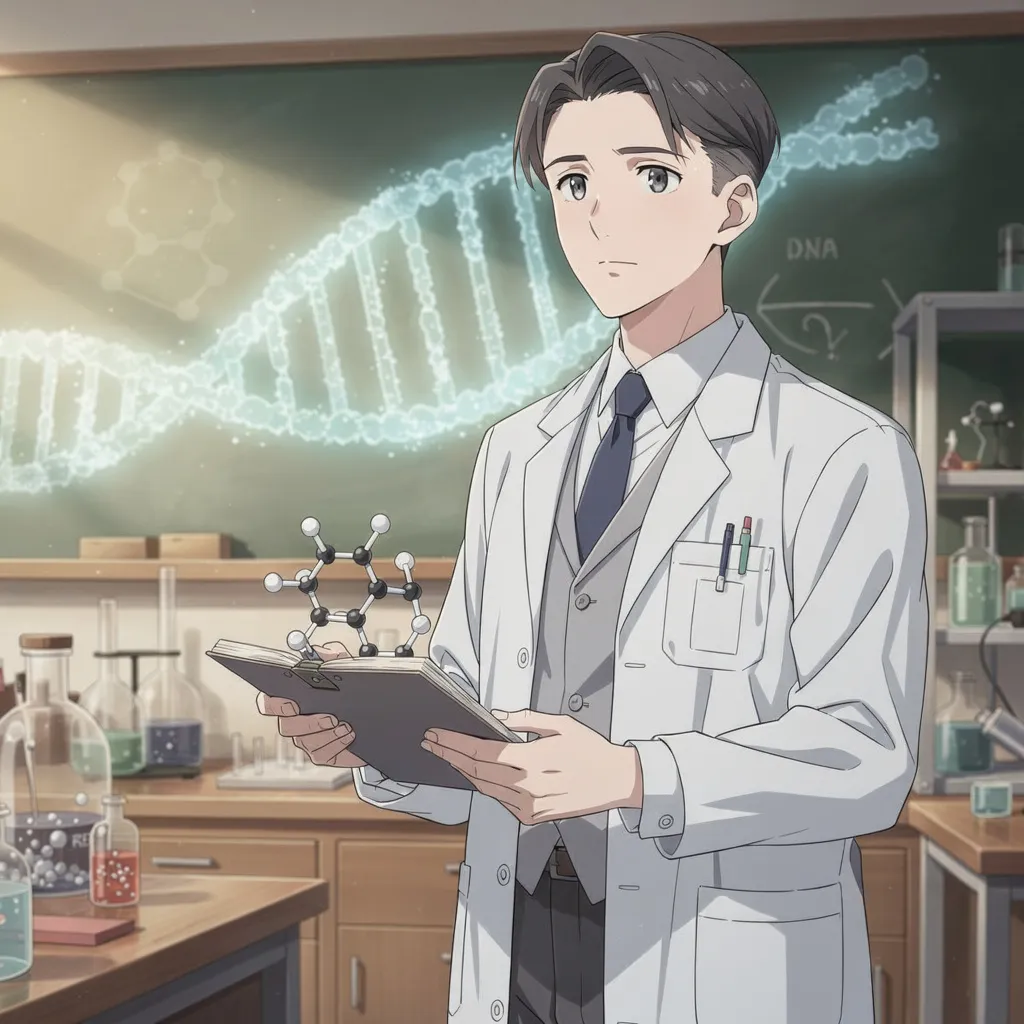
Helping discover the double-helix shape of DNA
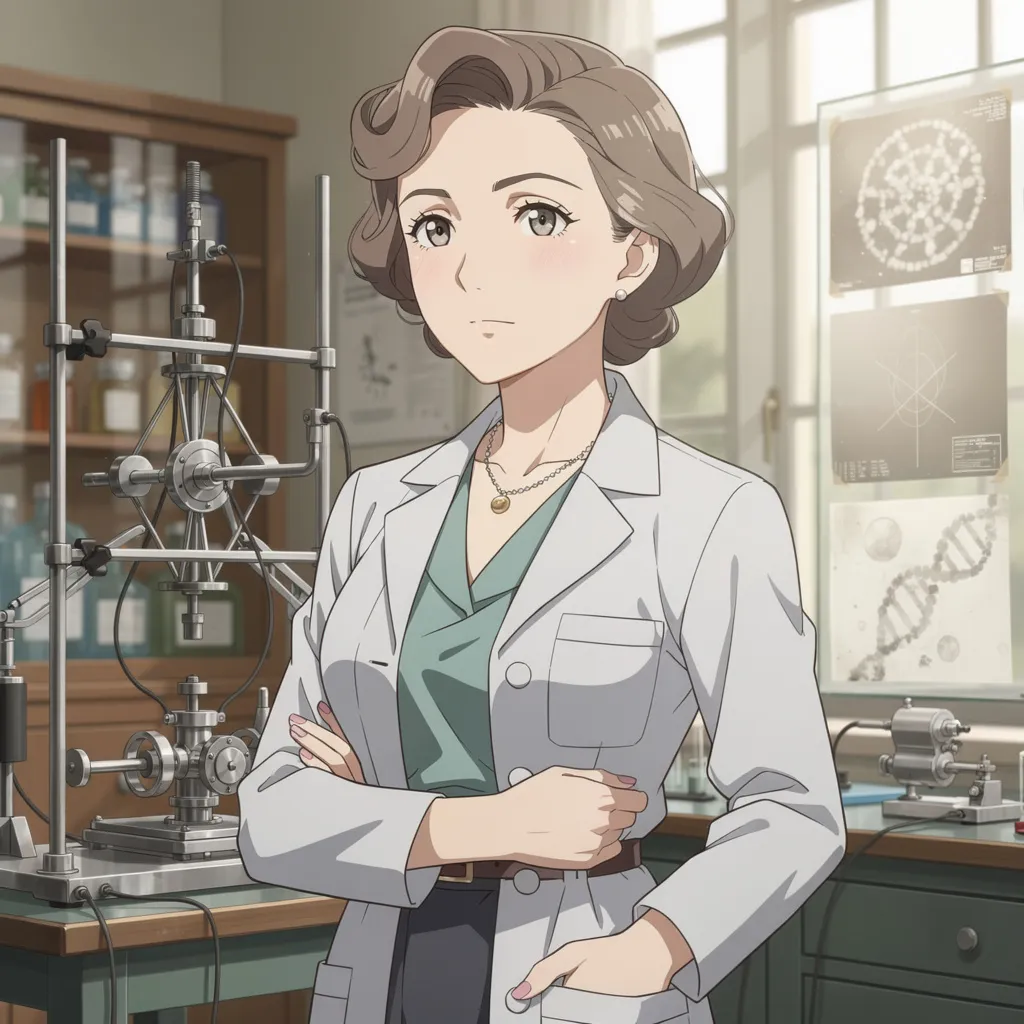
She helped reveal the structure of DNA by taking clear X-ray images that showed its shape.
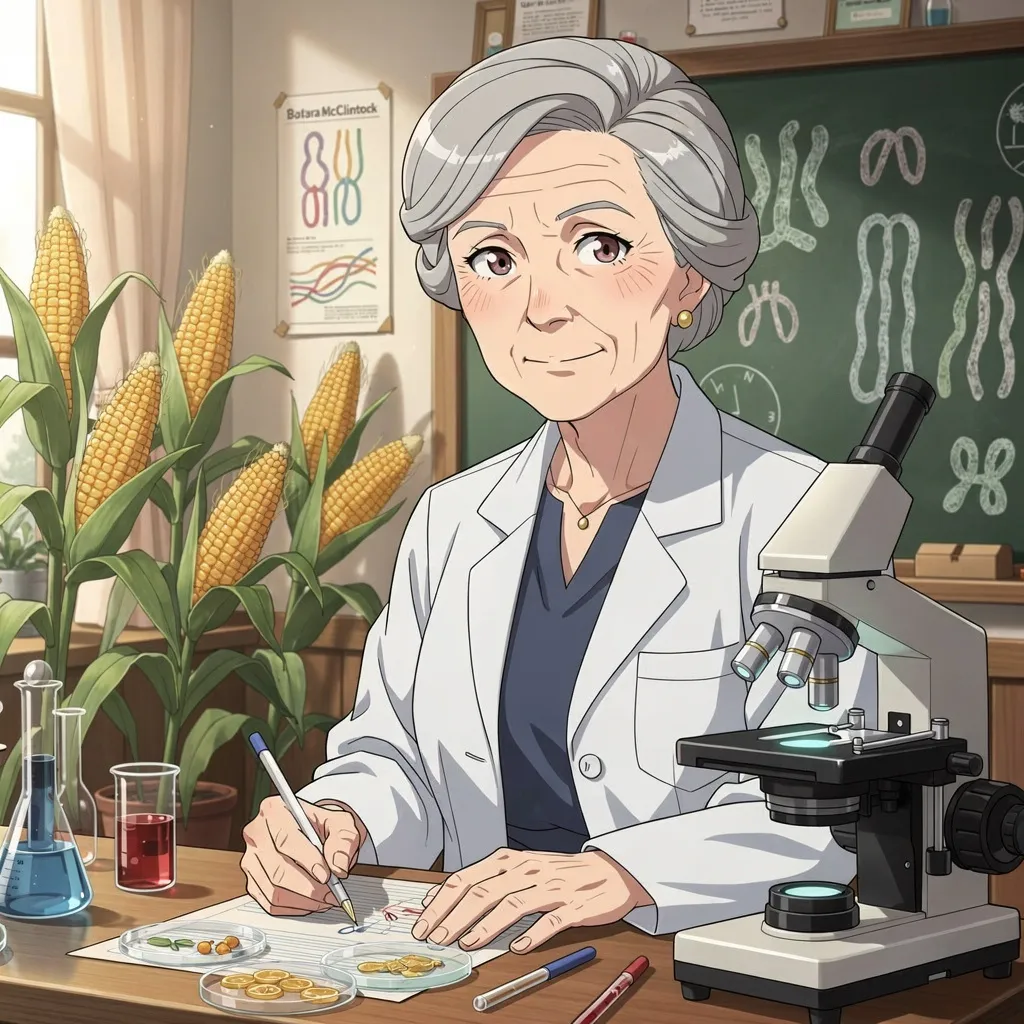
Discovering "jumping genes" and changing how scientists understand genetics
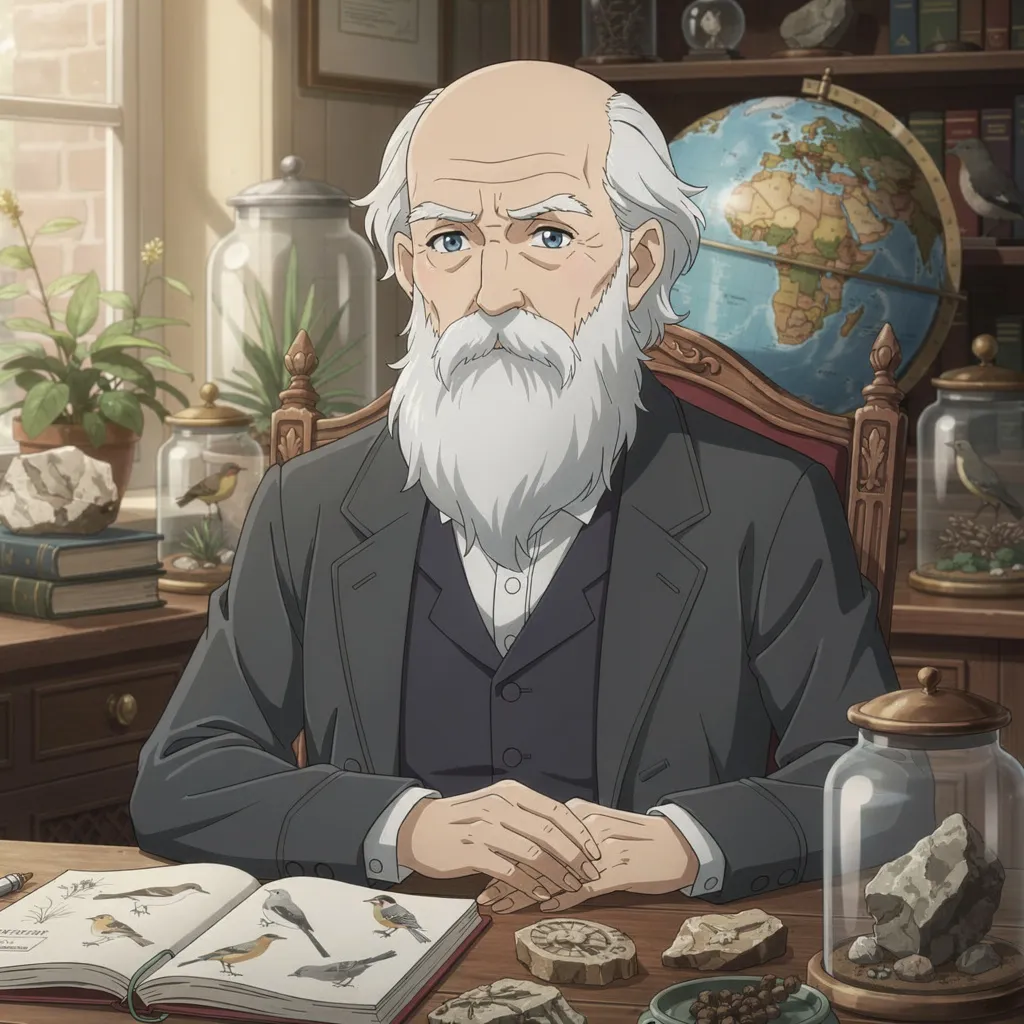
He was a scientist who explained how living things change over time through a process called evolution.
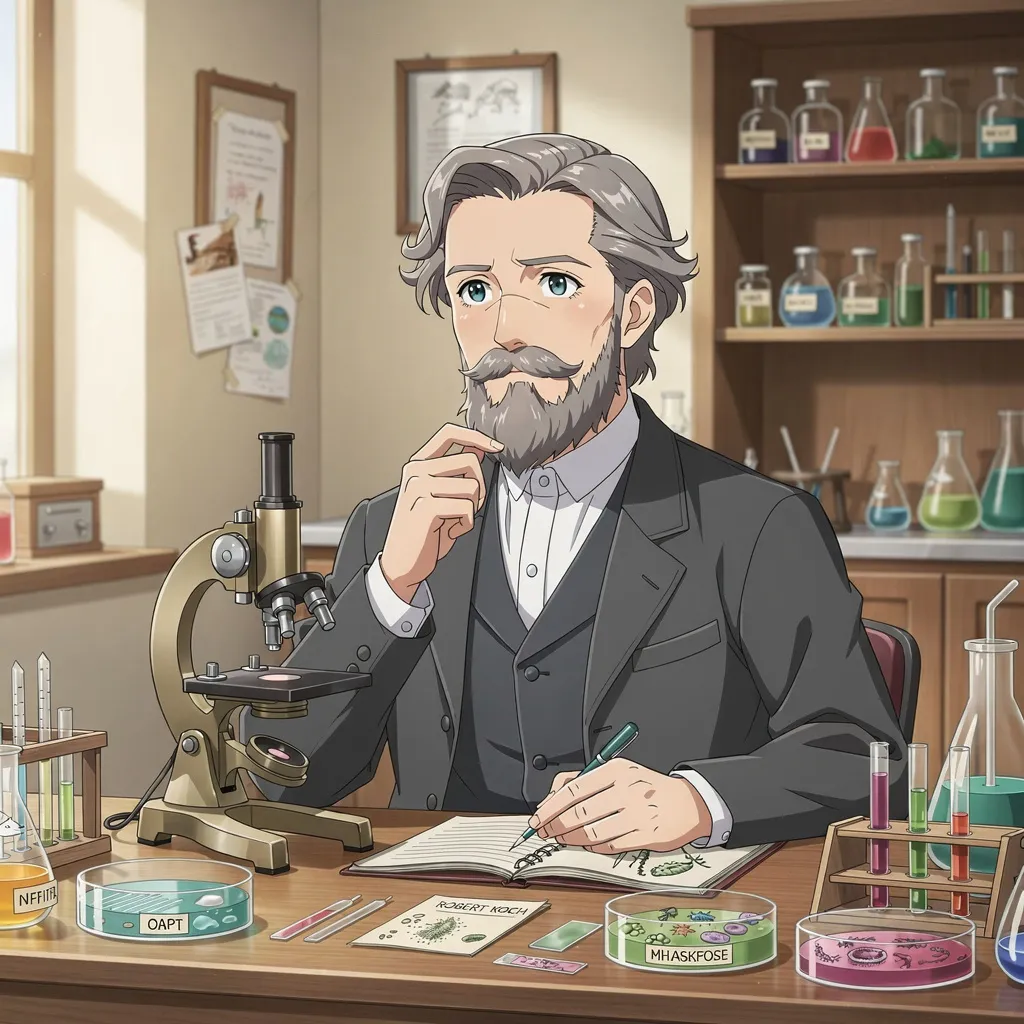
Discovering the germs that cause serious diseases and helping doctors understand how infections spread.
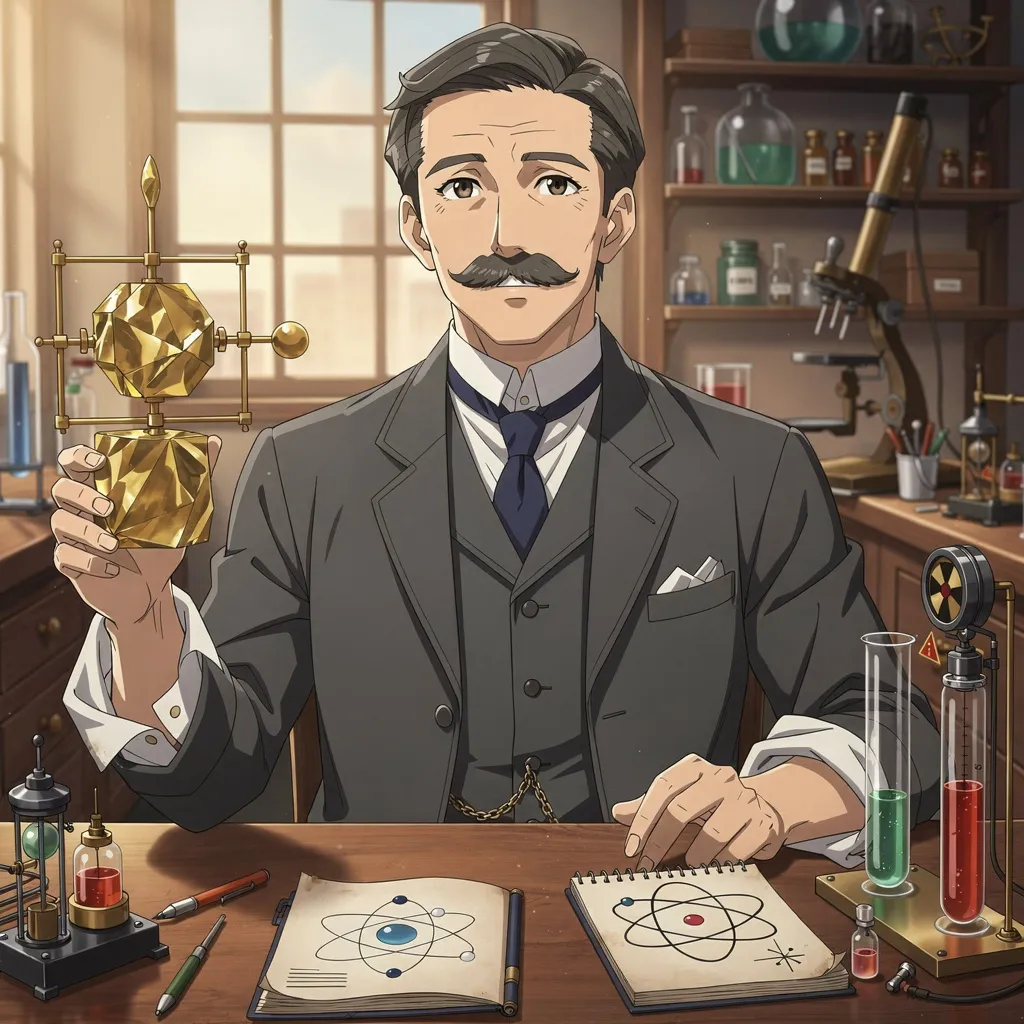
Discovering the structure of the atom and being known as the father of nuclear physics
Explore inspiring lives across science, art, history, music, and more.