
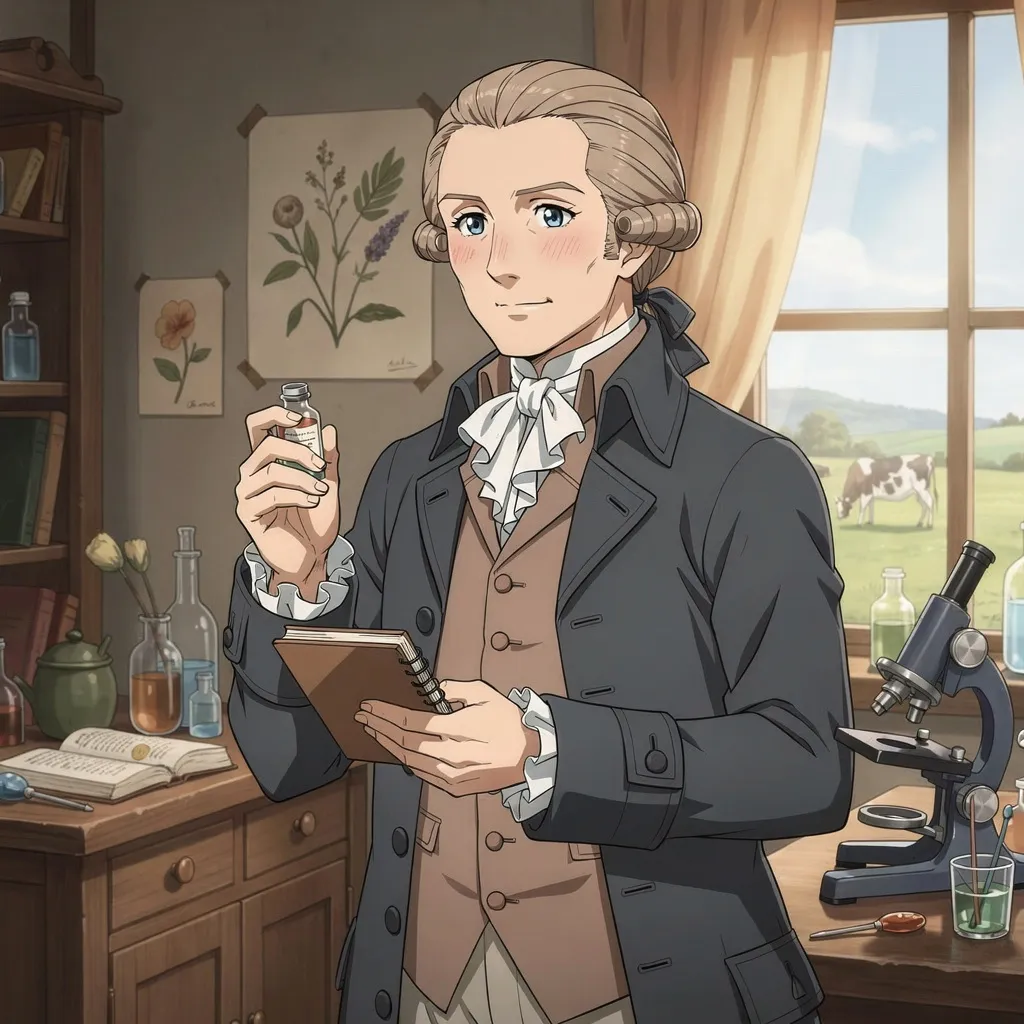
Creating the first successful vaccine, which helped protect people from smallpox
Creating the first successful vaccine, which helped protect people from smallpox
Edward Jenner was born in 1749 in a small town called Berkeley in England. As a child, he loved exploring nature, watching animals, and learning how the world worked. These early interests helped spark his curiosity about science and medicine.
When Edward was still young, he began training to become a doctor. At that time, doctors did not have many of the tools or knowledge we have today. Many people became very sick from diseases, and doctors were always searching for better ways to help.
One of the most dangerous diseases during Edward Jenner’s life was smallpox. It spread easily and caused serious illness, leaving many people scarred or even dying. Everyone was afraid of catching it, especially children.
Edward noticed something interesting. Milkmaids, who worked with cows every day, often caught a mild disease called cowpox. Even though cowpox caused a few sores, these milkmaids usually did not get smallpox afterward. This made Edward curious, and he began to study this pattern carefully.
In 1796, Edward Jenner tested his idea in a careful way. He used material from a cowpox sore and gave it to a young boy. Later, the boy did not get smallpox. This showed that cowpox could protect people from smallpox.
This was the first successful vaccine in history. Edward called it a “vaccine” from the Latin word vacca, which means cow. His discovery helped doctors understand how to train the body to fight diseases.
At first, some people were unsure about Edward Jenner’s ideas. But as more doctors tried the vaccine, they saw how well it worked. Slowly, vaccinations spread across countries and saved millions of lives.
Because of Jenner’s work, smallpox eventually became the first disease ever completely wiped out from the world. This was a huge achievement for science and medicine.
Edward Jenner is remembered as the “father of immunology.” His work led to many other vaccines that protect children and adults today. Thanks to him, fewer people get sick from dangerous diseases.
His discovery showed how careful observation, kindness, and curiosity can change the world. Edward Jenner’s story reminds us that big ideas can start with simple questions.
Edward Jenner loved nature and was also interested in birds and fossils.
The word "vaccine" comes from the Latin word for cow.
His small hometown of Berkeley is still famous because of him.
Smallpox is the only human disease that has been completely wiped out.
Jenner never became rich from his discovery because he wanted everyone to benefit from it.
3 min read · Developing-reader friendly
Think of an answer, then open each card to check.
Creating the first successful vaccine, which helped protect people from smallpox
1749-1823
British
Creating the first successful polio vaccine that helped protect millions of children.
Proving that germs cause disease and creating pasteurization to keep food safe
Discovering penicillin, the world’s first widely used antibiotic
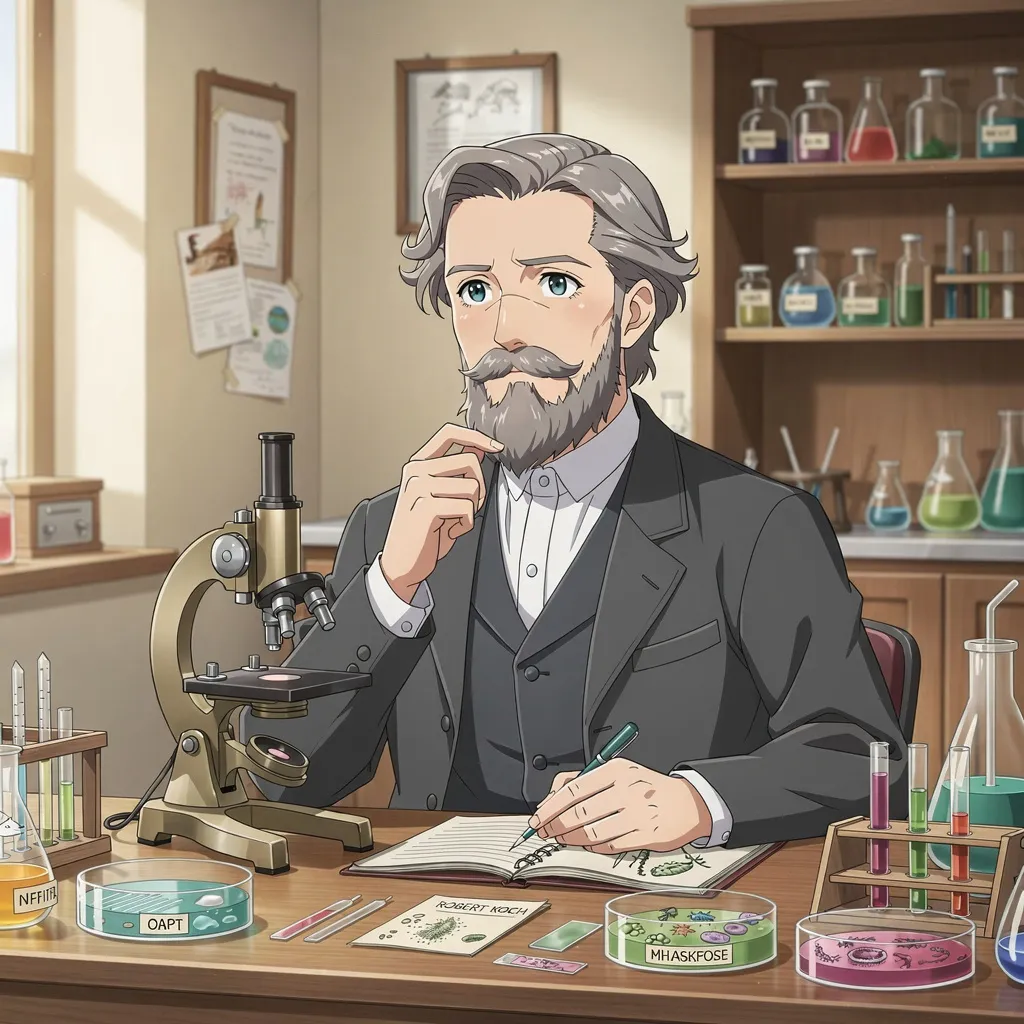
Discovering the germs that cause serious diseases and helping doctors understand how infections spread.
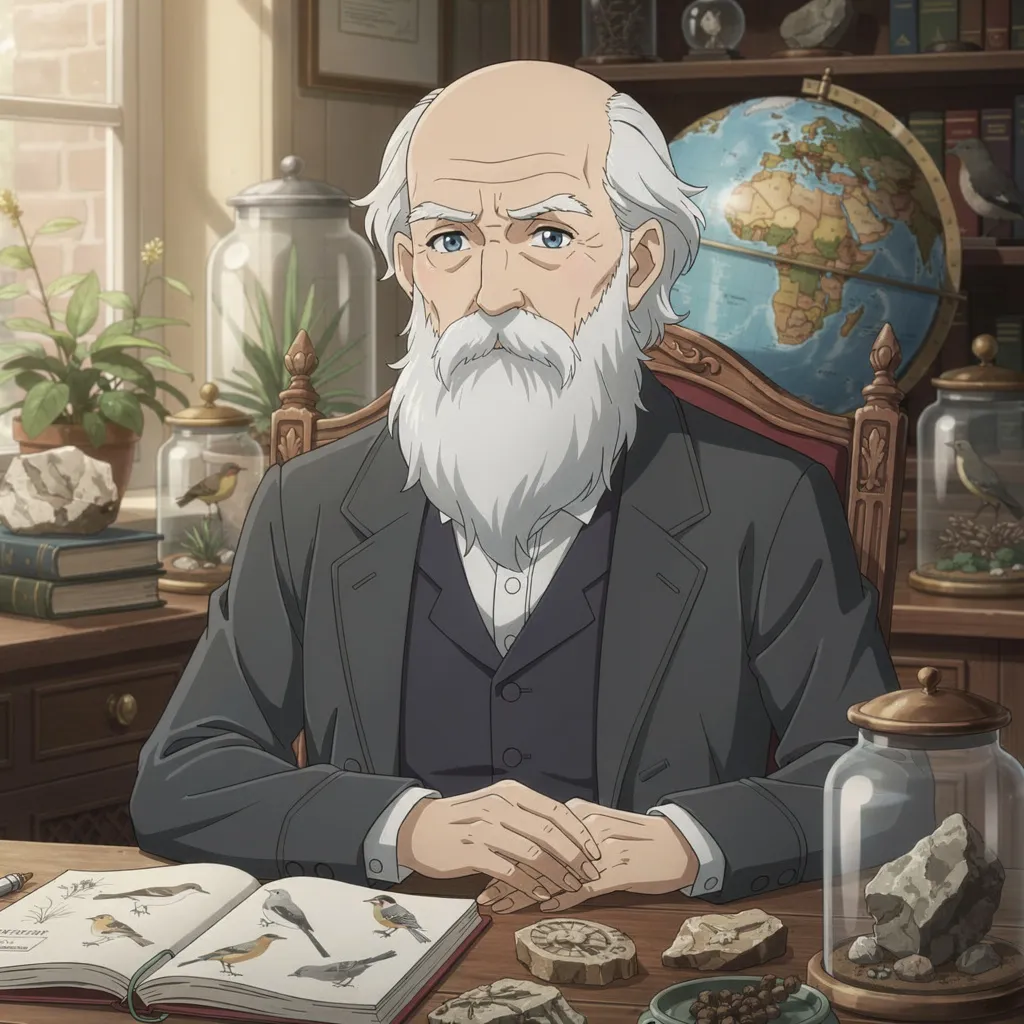
He was a scientist who explained how living things change over time through a process called evolution.

Inventing and improving useful devices like the electric light bulb and the phonograph that changed everyday life
Explore inspiring lives across science, art, history, music, and more.