

Creating a simple system to name and classify plants and animals
Creating a simple system to name and classify plants and animals
Carl Linnaeus.org/wiki/Carl_Linnaeus) was born in 1707 in a small village in Sweden. His father was a gardener and loved plants, so Carl grew up surrounded by flowers, trees, and nature. From a young age, Carl enjoyed collecting plants and learning their names.
When Carl went to school, he was more interested in nature than in regular lessons. Luckily, his teachers noticed his talent and encouraged him to study science. This support helped Carl follow his passion for the natural world.
Carl studied medicine and science at universities in Sweden and other parts of Europe. At that time, doctors needed to know about plants because many medicines came from them. Carl spent a lot of time observing plants, animals, and insects closely.
He also went on exciting journeys to explore nature. On one trip to northern Sweden, he studied plants, animals, and even rocks in very cold and wild places. These adventures helped him learn how living things are connected.
Carl Linnaeus is most famous for creating a new way to name living things. Before his idea, plants and animals often had very long and confusing names. Carl created a simple two-word naming system called binomial nomenclature.
In this system, each living thing has a first name for its group and a second name for its species. For example, humans are called Homo sapiens. This made it much easier for scientists around the world to understand each other.
Carl wrote many books about plants and animals. One of his most important books was called Systema Naturae. In it, he organized thousands of living things into groups based on how they were alike.
His system is still used today, over 250 years later. Because of this, Carl Linnaeus is often called the "Father of Modern Taxonomy", which means the science of classifying life.
Carl Linnaeus showed the world how amazing and organized nature can be. His work helped scientists study life in a clearer and more careful way. Even today, students and scientists use his ideas to learn about plants and animals.
His curiosity, love of nature, and creative thinking remind us that asking questions and exploring the world can lead to discoveries that last forever.
Carl Linnaeus named over 7,000 plant species and 4,000 animal species.
He loved teaching and had many students who became famous scientists.
Linnaeus often wore traditional Swedish clothing, even when traveling.
The plant genus "Linnaea" was named after him.
His naming system is used all over the world, in every language!
3 min read · Independent-reader guide
Think of an answer, then open each card to check.
Creating a simple system to name and classify plants and animals
1707–1778
Swedish
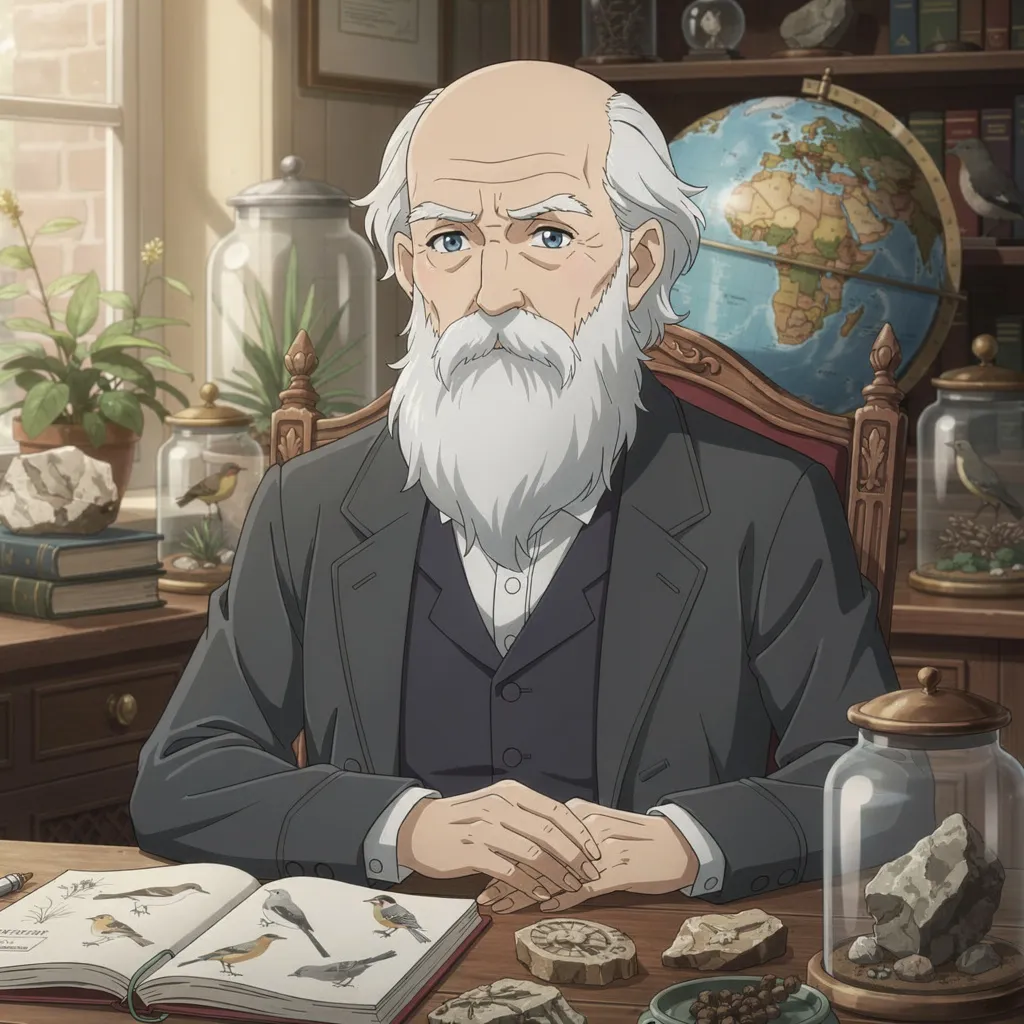
He was a scientist who explained how living things change over time through a process called evolution.
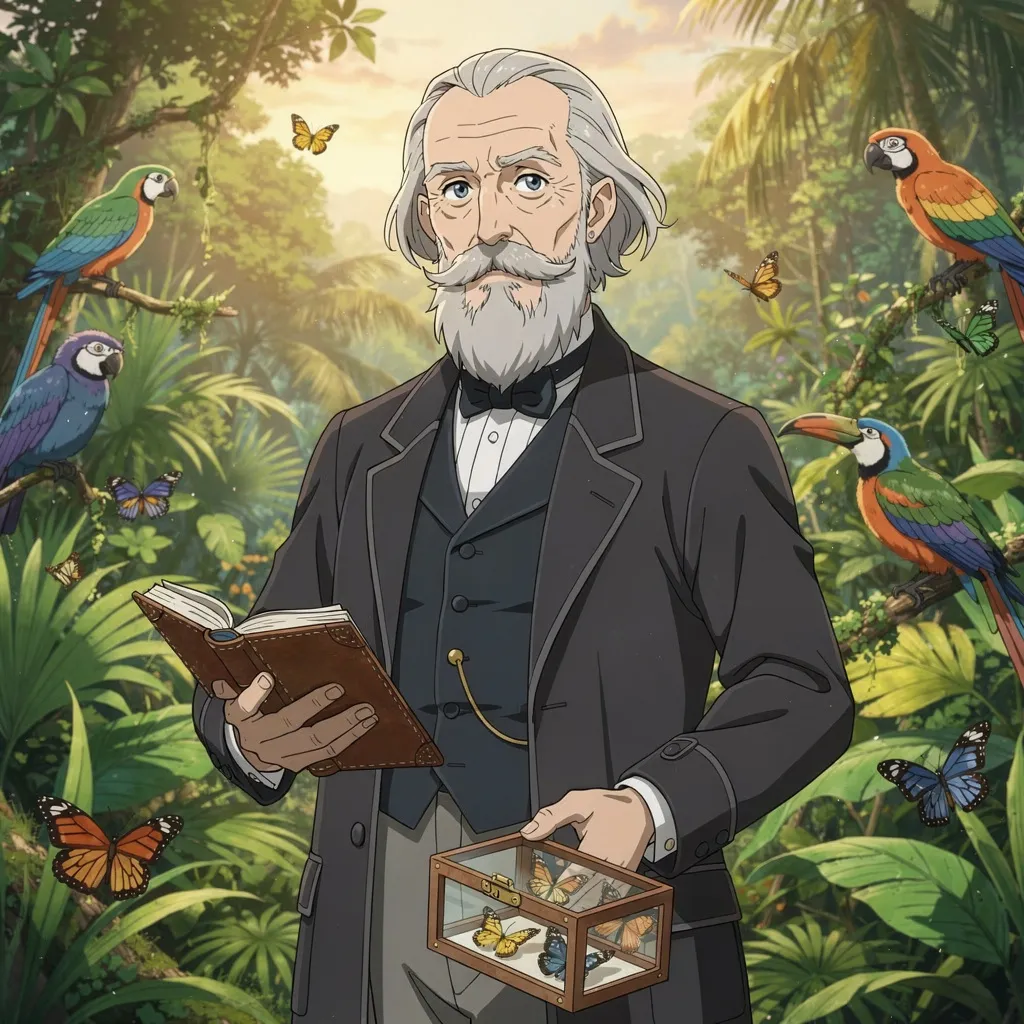
Helping discover the idea of evolution by natural selection.

Helping people understand space and science through books, TV shows, and exciting ideas.

He helped people understand that Earth changes slowly over a very long time.

A brilliant doctor and thinker who wrote famous books about medicine and science.
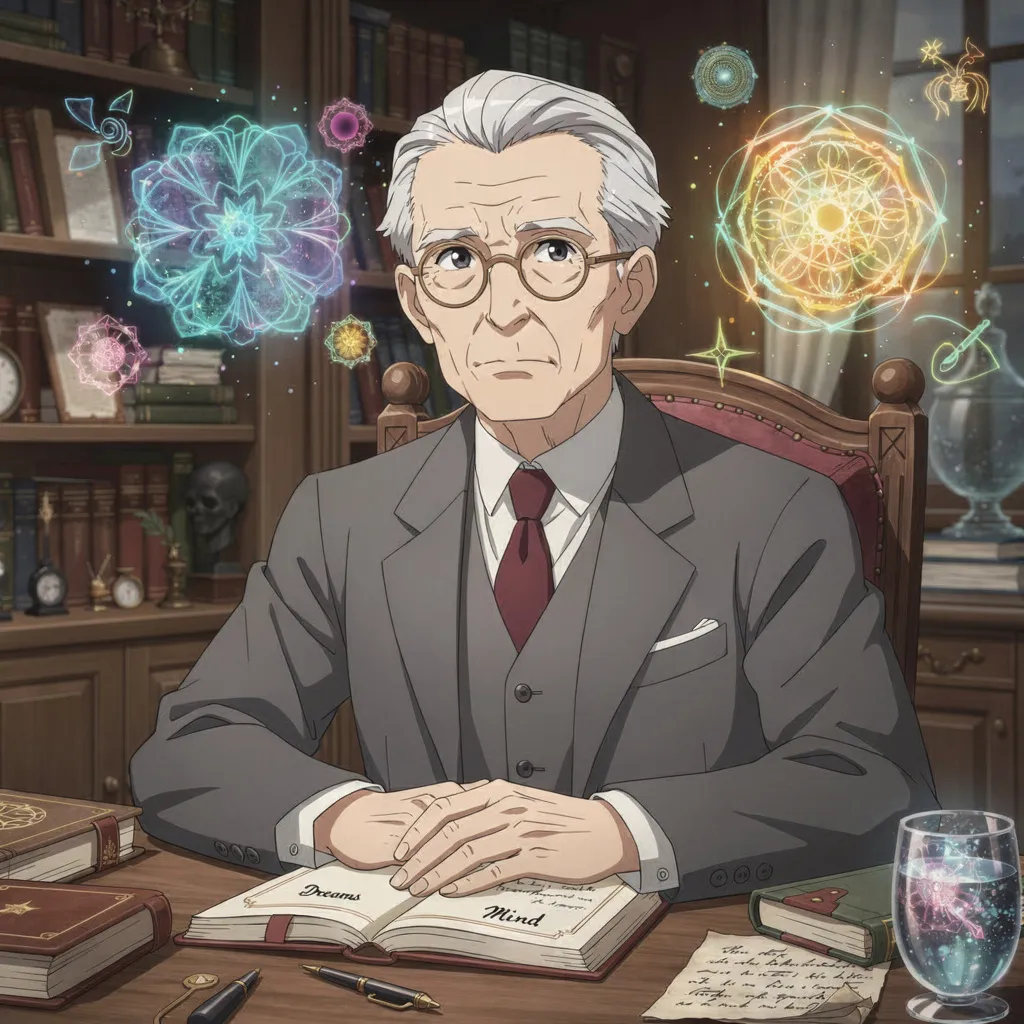
A famous psychologist who helped people understand dreams, personality, and the human mind
Explore inspiring lives across science, art, history, music, and more.